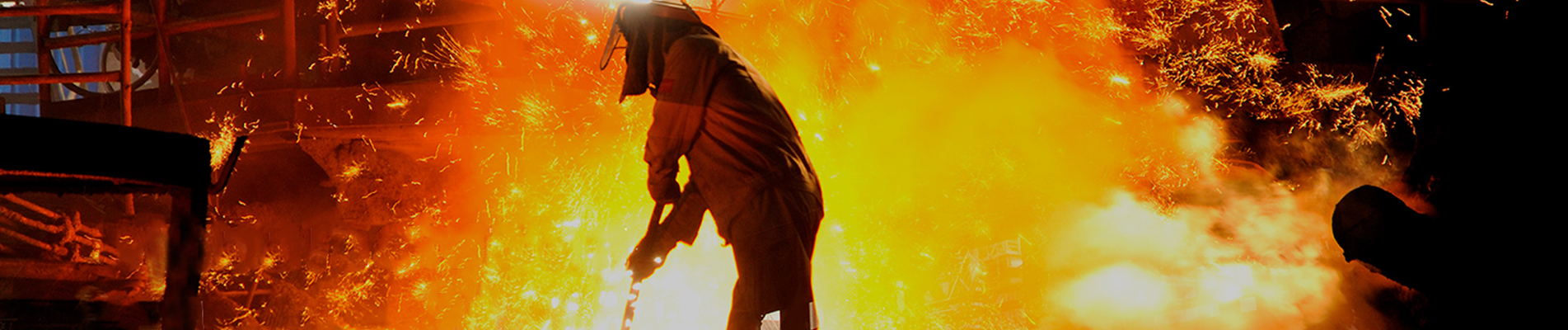
When selecting high-temperature insulation materials, both silicone coated silica fabric and standard silica fabric are popular choices among engineers and industrial users. While they share the same high-purity silica fiber base, their performance, coating features, and durability differ significantly.
Understanding these differences is essential for choosing the right material for your thermal protection project — whether it’s for exhaust insulation, heat shields, or industrial equipment covers.
This article compares silicone coated silica fabric and uncoated silica fabric in terms of construction, thermal performance, handling properties, and common applications.
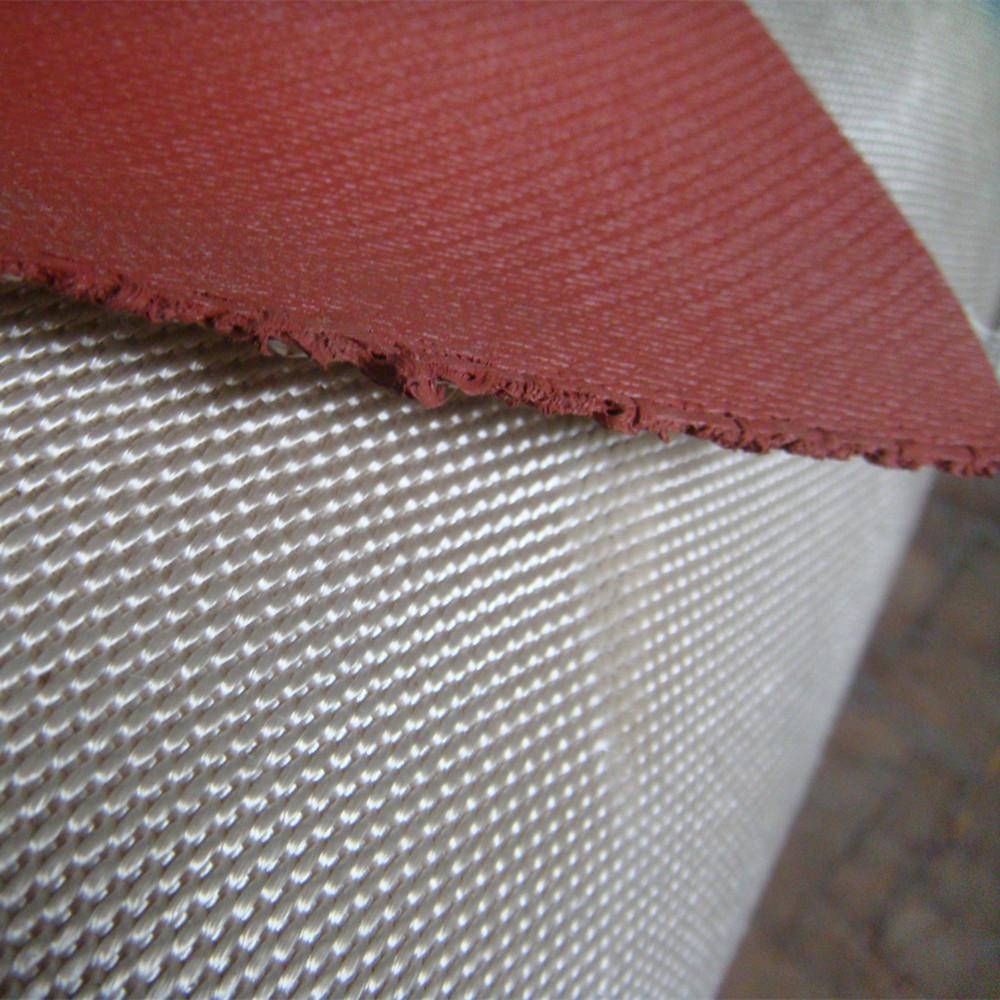
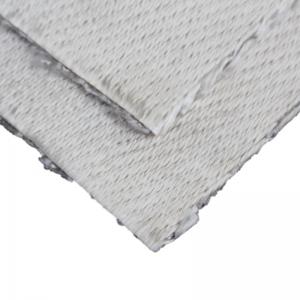
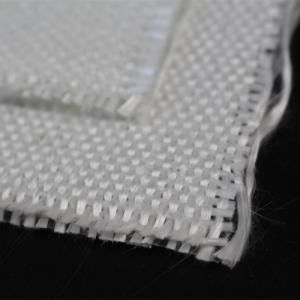
Standard Silica Fabric is woven from high-purity amorphous silica fibers, typically containing more than 96% SiO₂. It offers excellent heat resistance and is often used in environments with continuous temperatures up to 1000°C.
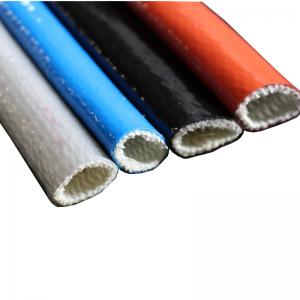
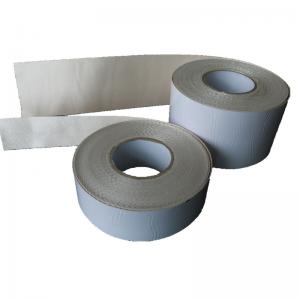
Silicone Coated Silica Fabric, on the other hand, is produced by applying a layer of high-temperature silicone rubber onto one or both sides of the base silica cloth. This coating adds mechanical strength, improves surface protection, and enhances chemical and moisture resistance without compromising flexibility.
Key Difference:
The silicone coating acts as a shield — protecting the silica fibers from abrasion, fraying, and environmental degradation, while also making the surface smoother and easier to handle.
| Property | Standard Silica Fabric | Silicone Coated Silica Fabric |
|---|---|---|
| Temperature Resistance | Continuous up to 1000°C | Continuous up to 1000°C (base) + improved short-term flame and splash resistance due to silicone layer |
| Surface Protection | Fibers are exposed, can fray or shed particles | Silicone coating seals the surface and prevents fraying |
| Moisture Resistance | Low, absorbs water easily | Excellent, repels water and oil |
| Chemical Resistance | Moderate | Strong resistance to oil, water, and many chemicals |
| Mechanical Strength | Good | Superior — coating improves abrasion and tear strength |
| Ease of Handling | Soft but fragile during cutting or sewing | Smooth, clean surface, easier to cut, sew, or wrap |
| Durability | Limited under harsh exposure | Extended lifespan in demanding conditions |
The result: Silicone coated silica fabric delivers longer service life and better protection, particularly in environments with oil, moisture, or mechanical movement.
The silicone coating transforms standard silica fabric into a more versatile and reliable insulation material.
1. Enhanced Surface Integrity
The coating seals the woven fibers, reducing particle shedding and improving handling safety, especially in cleanroom or sensitive industrial environments.
2. Improved Resistance to Contaminants
The silicone layer blocks moisture, oil, and chemicals from penetrating the fabric — a crucial advantage in marine, automotive, and power generation settings.
3. Added Flame and Splash Resistance
It provides additional protection against flame contact, molten metal splashes, and welding sparks, making it suitable for use in high-risk areas.
4. Extended Service Life
The coating minimizes wear and mechanical damage, significantly extending the usable life of the insulation product.
Standard Silica Fabric is mainly used for:
Welding blankets and curtains
Furnace insulation linings
Heat shields where moisture exposure is minimal
Fire blankets and removable covers
Silicone Coated Silica Fabric is ideal for:
Exhaust insulation blankets and turbo heat shields
Valve and pipe insulation covers
Removable thermal jackets and equipment wraps
Hose and cable protection sleeves
Expansion joints, flexible duct connectors, and fire barriers
For most modern industrial applications requiring both heat resistance and durability, silicone coated silica fabric provides a more practical and cost-effective solution.
BSTFLEX specializes in advanced high-temperature insulation materials designed for automotive, marine, and industrial environments. Our silicone coated silica fabric is produced using precision coating technology to ensure uniform thickness, strong adhesion, and consistent performance.
Quality Certified: Manufactured under ISO9001:2015 and IATF16949 systems.
Customization Options: Available in different thicknesses, coating weights, and color finishes.
Proven Performance: Trusted by global OEMs and industrial users for long-term reliability.
By choosing BSTFLEX, you benefit from years of expertise in thermal protection, technical support, and customized solutions tailored to your needs.
Contact BSTFLEX today to discuss specifications, custom sizes, or sample requests — and discover how our coated silica fabrics can enhance your thermal insulation systems.

 français
 Deutsch
 русский
 italiano
 español
 português
 Nederlands
 العربية
 日本語
日本語 한국의
한국의 Türkçe
 Polski
 Tiếng Việt
 slovenský
 Indonesia