In industrial environments, hydraulic hoses face constant exposure to high pressure, extreme temperatures, abrasion, and mechanical impact. Without proper protection, hoses can wear out prematurely, leading to leaks, downtime, and safety risks. That’s why selecting the right hydraulic hose sleeve is essential for long-term reliability and cost efficiency.
This article provides a detailed guide for engineers and buyers on how to choose the ideal hydraulic hose sleeve for specific working conditions and equipment requirements.
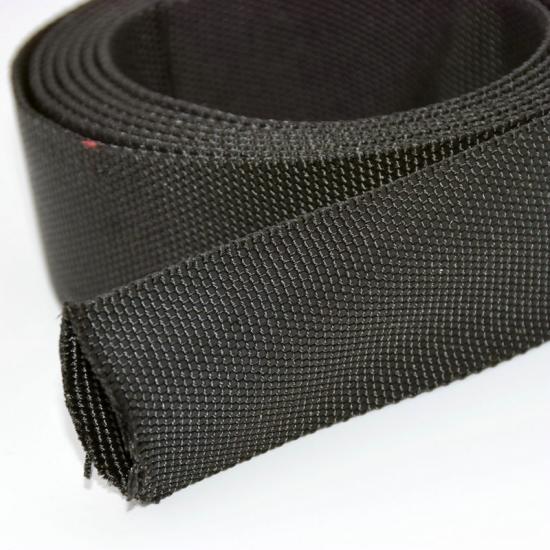
A hydraulic hose sleeve is a protective covering that shields hoses from external damage. It serves several key purposes:
Prevents abrasion caused by friction or contact with rough surfaces
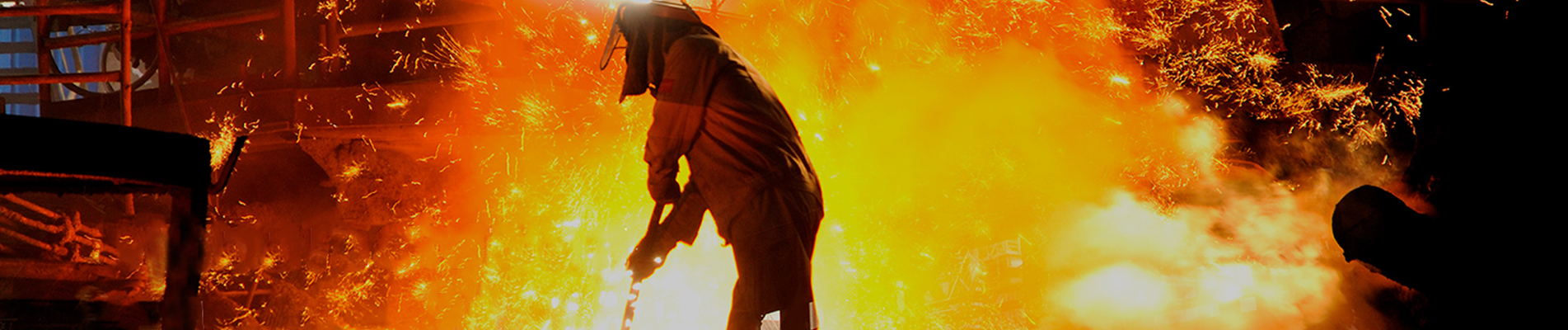
Protects against heat, flames, or molten metal exposure
Contains fluid spray in the event of hose failure
Organizes and bundles multiple hoses neatly
Enhances the overall safety and appearance of hydraulic systems
Choosing the proper sleeve material and structure ensures that hydraulic hoses perform safely and last longer, even in demanding industrial operations.
When selecting a sleeve for your hydraulic system, evaluate the following factors carefully:
Temperature is one of the most critical selection factors.
Standard temperature environments (up to 120°C): Nylon or polyester sleeves provide excellent protection and flexibility.
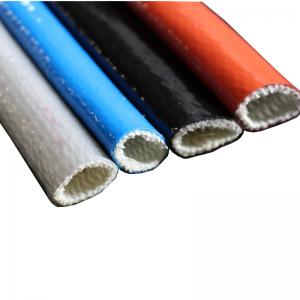
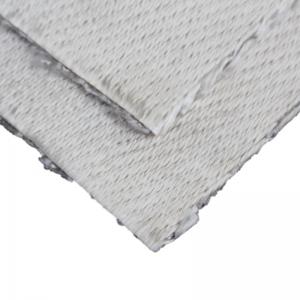
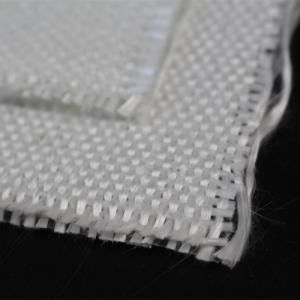
High-temperature zones (above 250°C): Fiberglass or silicone-coated fiberglass sleeves are ideal, offering heat and flame resistance.
Extreme heat exposure: Aramid or specially treated fiberglass sleeves are designed to handle intermittent contact with high heat sources, such as engine or exhaust areas.
If hoses are constantly rubbing against metal surfaces or moving parts, abrasion resistance becomes essential.
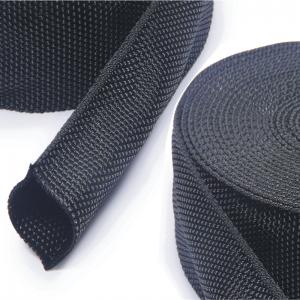
Nylon sleeves are widely used for their superior abrasion resistance and flexibility.
Aramid sleeves provide the highest level of cut and wear protection for harsh mechanical environments.
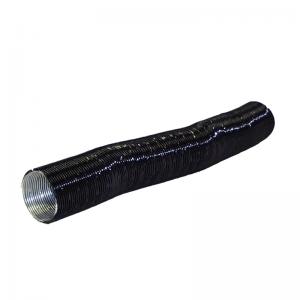
Metal spring guards offer a rigid structure that prevents crushing, bending, or hose deformation under heavy load.
In systems with extremely high hydraulic pressure, hose failure could release fluid at dangerous velocity.
Choose sleeves designed for burst containment or line-of-sight protection, such as tightly woven nylon or reinforced polyester sleeves.
These sleeves help protect operators and nearby equipment from sudden fluid sprays or line bursts.
For industrial environments exposed to oils, fuels, or chemicals:
Polypropylene (PP) sleeves provide excellent chemical resistance and are lightweight.
Silicone-coated fiberglass sleeves offer both chemical protection and high thermal insulation.
Always verify compatibility between sleeve material and the type of fluid or chemical used in the system.
Consider UV exposure, humidity, and outdoor conditions.
Polyester sleeves resist weathering and ultraviolet degradation, making them suitable for outdoor hydraulic systems.
Nylon sleeves perform well in variable humidity but may absorb moisture over time.
Metal spring guards are recommended for rough terrains and exposed environments like construction or mining.
Ease of installation can impact downtime and service costs.
Slip-on sleeves are best for new hose assemblies before fittings are installed.
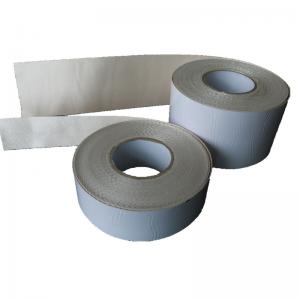
Velcro or hook-and-loop wrap sleeves allow for quick retrofitting without disconnecting hoses—ideal for maintenance teams.
Coil spring guards can be wrapped manually and adjusted easily for temporary protection.
| Material | Key Features | Typical Applications |
|---|---|---|
| Nylon Sleeve | Excellent abrasion resistance, flexible, cost-effective | Construction, agricultural machinery |
| Polyester Sleeve | Durable, UV and weather resistant | Outdoor hydraulic equipment |
| Polypropylene Sleeve | Resistant to oil and chemicals | Chemical and process industries |
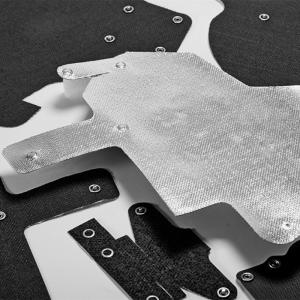
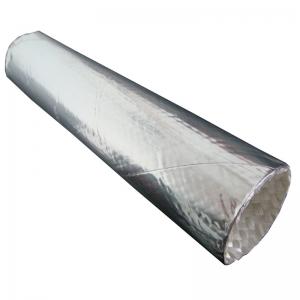
| Fiberglass Sleeve | High-temperature protection | Near engines, furnaces, or exhaust lines |
| Silicone Coated Fiberglass Sleeve | Heat and fluid resistant, flexible | Steel plants, automotive exhaust systems |
| Aramid Sleeve | Superior strength, cut resistance | Aerospace, defense, motorsport |
| Metal Spring Guard | Rigid protection, anti-crush | Mining, heavy machinery, mobile equipment |
Match sleeve performance to real conditions. Always compare the hose’s operating parameters—temperature, pressure, and exposure—to the sleeve’s technical limits.
Avoid undersizing. A sleeve that is too tight may restrict hose flexibility or cause premature wear.
Verify safety compliance. For hydraulic systems in regulated industries, ensure the sleeve meets ISO or SAE protection standards.
Work with a reliable manufacturer. Custom sizes, materials, and labeling can improve both safety and branding consistency.
Plan for maintenance. Choose sleeves that allow easy inspection or replacement during routine servicing.
A properly selected hydraulic hose sleeve not only extends hose service life but also improves system safety, reduces maintenance downtime, and enhances equipment appearance. The right protective solution ensures operational stability in high-pressure, high-temperature, and abrasive environments—preventing failures that can cost time and money.
BSTFLEX provides a wide range of hydraulic hose sleeves engineered for different industrial applications. With years of manufacturing experience and ISO/IATF certifications, BSTFLEX ensures quality protection that keeps your hydraulic systems running safely and efficiently.

 français
 Deutsch
 русский
 italiano
 español
 português
 Nederlands
 العربية
 日本語
日本語 한국의
한국의 Türkçe
 Polski
 Tiếng Việt
 slovenský
 Indonesia