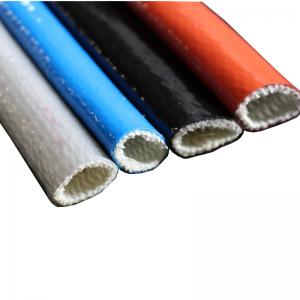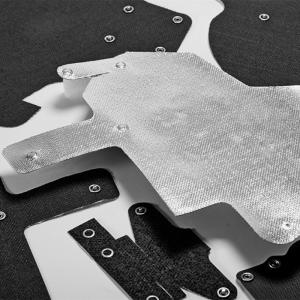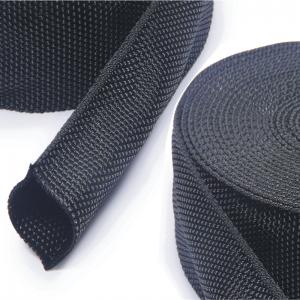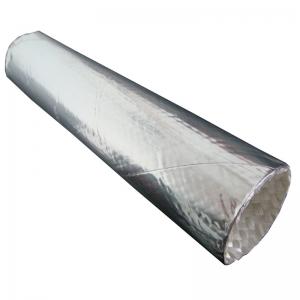
Unlike permanent insulation, removable insulation blankets are designed for easy maintenance and reinstallation. Manufacturing them requires proper material selection, structural design, and high-temperature sewing techniques.
If you are looking for a complete breakdown of required materials, see our detailed guide: Removable Insulation Blanket Materials .
Before manufacturing begins, evaluate:
Correct evaluation determines proper insulation core and outer fabric selection.
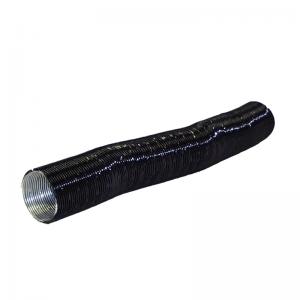
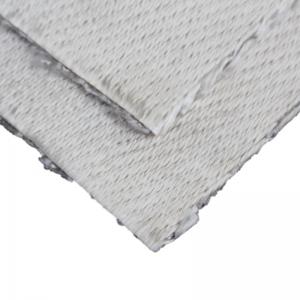
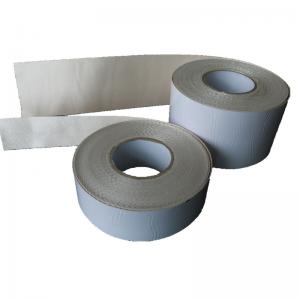
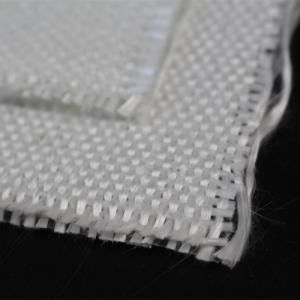
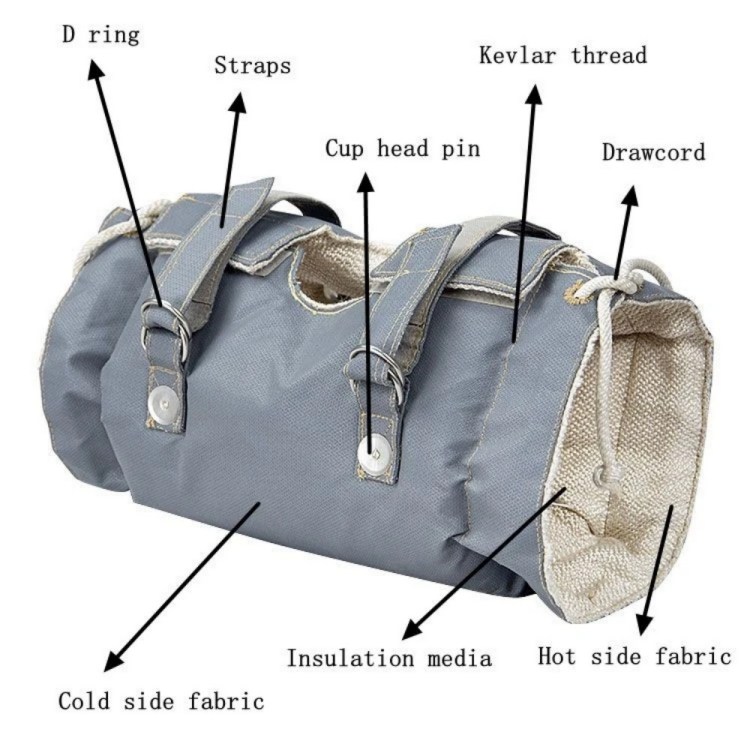
A typical removable insulation blanket consists of outer fabric, insulation core, inner lining, sewing thread, and fastening accessories.
For a complete material list and specifications, refer to: Complete Removable Insulation Blanket Materials Guide .
Accurate measurement is essential. Measure:
Design a pattern that ensures full coverage while allowing easy removal and reinstallation.
Cut each layer according to the pattern:
Precision cutting prevents installation gaps and improves performance.
Standard structure:
Outer Fabric → Insulation Core → Inner Lining
Layers must be aligned properly to avoid thermal bridges.
Industrial sewing machines are used with high-temperature thread:
Reinforced stitching improves durability.
Fastening systems must ensure secure closure and easy removal.
Quality control ensures long service life and safety.
Outer fabric, insulation core, inner lining, sewing thread, and fastening accessories.
Yes. Individual materials are available. See: Removable Insulation Blanket Materials .
Yes. OEM fabrication services are available based on drawings and specifications.
Thickness depends on temperature and insulation performance requirements.
Ceramic fiber is suitable for ultra-high temperature applications, while fiberglass works for medium-high temperature ranges.
Yes. They are designed for repeated removal and reinstallation.
Previous :
Removable Insulation Blanket MaterialsNext :
How to Replace Oven Door Gasket
 français
 Deutsch
 русский
 italiano
 español
 português
 Nederlands
 العربية
 日本語
日本語 한국의
한국의 Türkçe
 Polski
 Tiếng Việt
 slovenský
 Indonesia