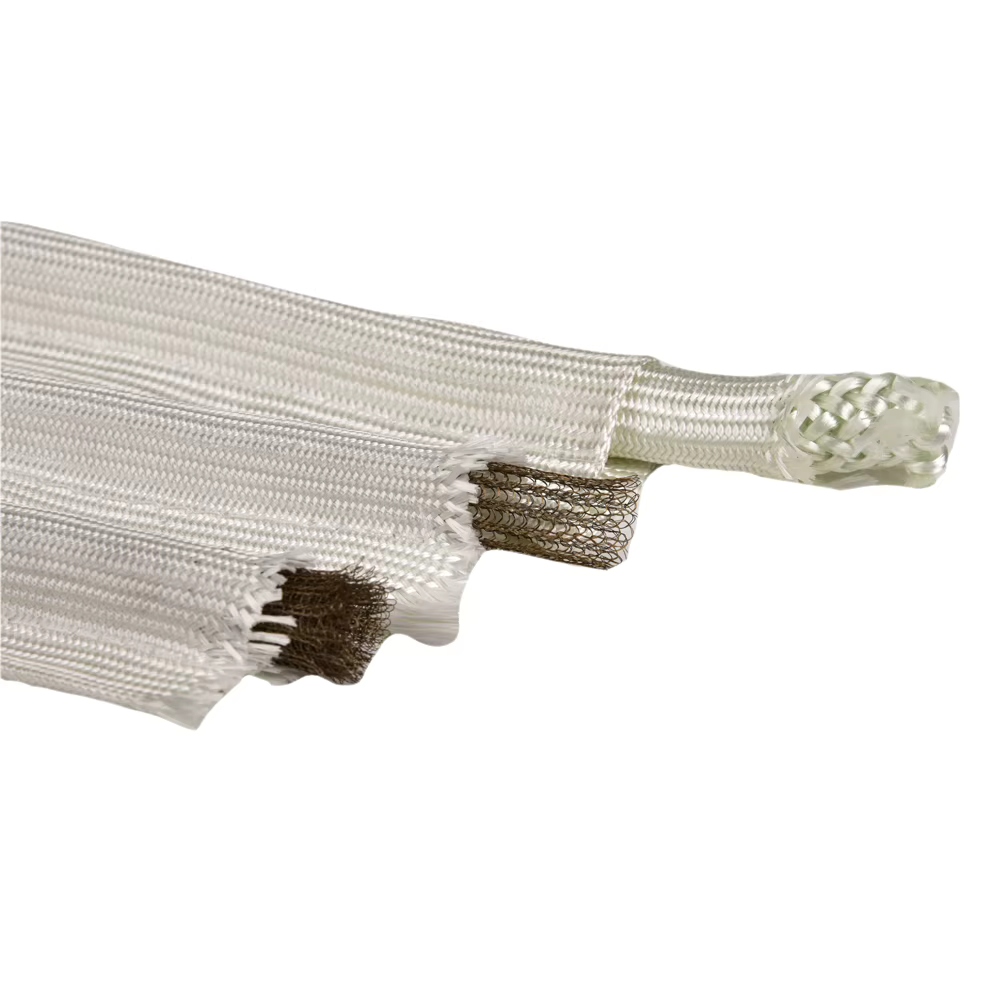
Basalt Needle Mat for Industrial Equipment: Thermal and Acoustic Selection Considerations
Sep 22, 2026
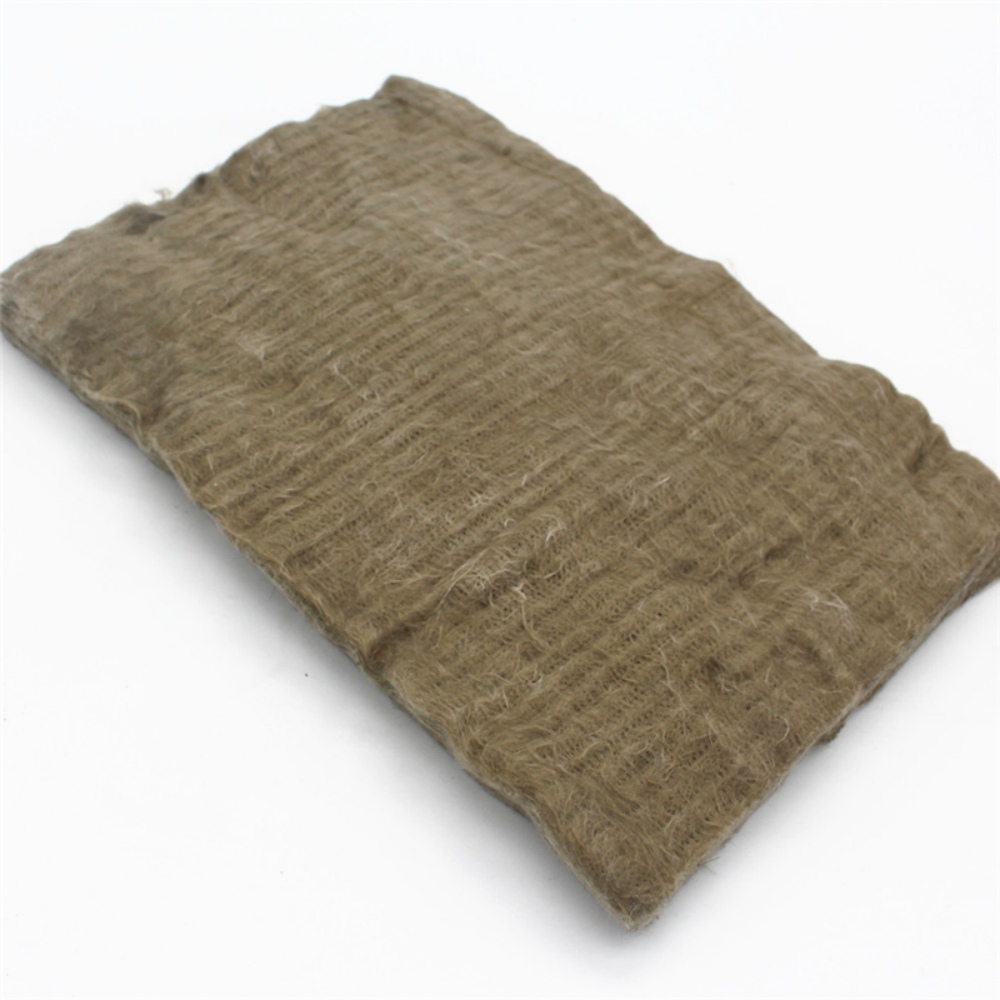
Basalt needle mat is often selected when an industrial insulation system has to address more than heat alone. Equipment housings, machinery enclosures, ducts, marine components and fabricated thermal covers may also need sound absorption, vibration control and a flexible insulation layer that can be converted into the required shape. The correct specification therefore cannot be reduced to one temperature value. Buyers should consider thermal duty, acoustic objective, thickness, density, installation space, vibration, facing construction and delivery format together. BSTFLEX supplies basalt fiber needle mat for industrial thermal and acoustic insulation projects. This guide explains what engineers and purchasing teams should define before requesting samples or quotations. Start With the Function of the Insulation Before selecting thickness or density, define what problem the mat is expected to solve. The same piece of equipment may have several requirements, but one usually drives the material selection. Primary Requirement Questions to Define Thermal insulation What temperatures occur at the mat? What heat-loss or external-surface-temperature target must the completed system meet? Sound absorption Is the objective to reduce reflected sound inside an enclosure, improve absorption around machinery, or meet a defined acoustic test requirement? Vibration control Will the insulation experience engine vibration, machinery movement, repeated servicing or transport vibration? Fabrication Will the material be supplied as rolls, sheets or cut components? Does it have to fit curved surfaces, housings or complex equipment geometry? Combined requirement Which requirement has priority, and how will the complete assembly be evaluated after installation? Thermal Selection: Use the Temperature at the Insulation Layer One of the most common specification errors is quoting only the maximum temperature of the machine, exhaust gas or process fluid. The insulation mat may experience a different temperature depending on its position, contact with the hot surface, air gaps, cladding and surrounding airflow. A useful RFQ should therefore distinguish between: normal operating temperature; short-duration peak temperature; temperature at the mat or hot-side surface; duration and frequency of thermal cycling; direct contact versus non-contact radiant exposure; ambient conditions around the insulated component. Temperature capability should be confirmed for the selected basalt fiber mat specification and the complete installation. A fiber temperature value alone does not establish the operating limit of a finished cover, enclosure or laminated assembly. Thickness Is Only One Part of Thermal Performance Adding insulation thickness can increase thermal resistance, but thickness should not be selected independently from density, compression and installation geometry. BSTFLEX currently lists basalt needle mat in thicknesses from 3 to 25 mm, with different density ranges dependin...
read more

 français
 Deutsch
 русский
 italiano
 español
 português
 Nederlands
 العربية
 日本語
日本語 한국의
한국의 Türkçe
 Polski
 Tiếng Việt
 slovenský
 Indonesia