Anhui Parker New Material Co.,Ltd
ISO9001      IATF16949

insulation blanket manufacturer
News
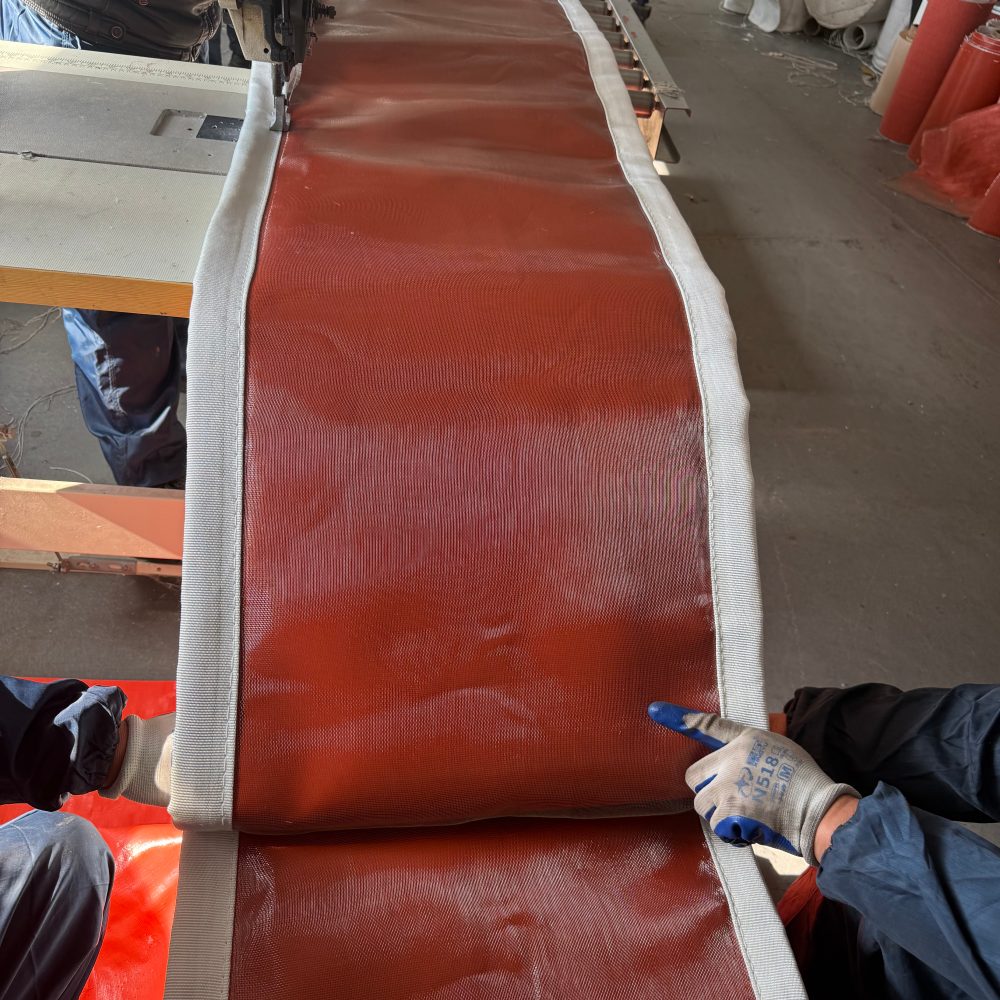
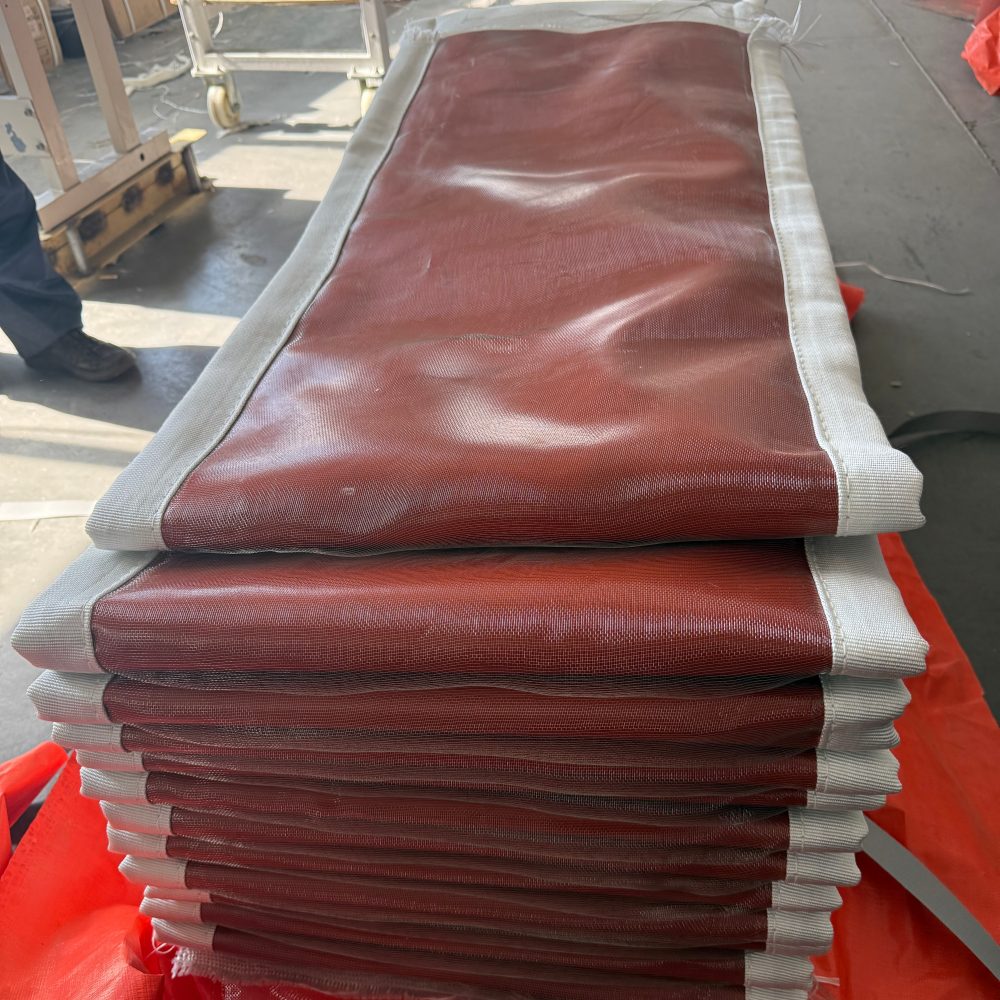
  • Silica Fabric Welding Blanket See Increased Use in High-Temperature Welding Protection
    Silica Fabric Welding Blanket See Increased Use in High-Temperature Welding Protection Jan 16, 2026
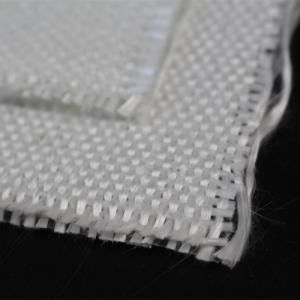
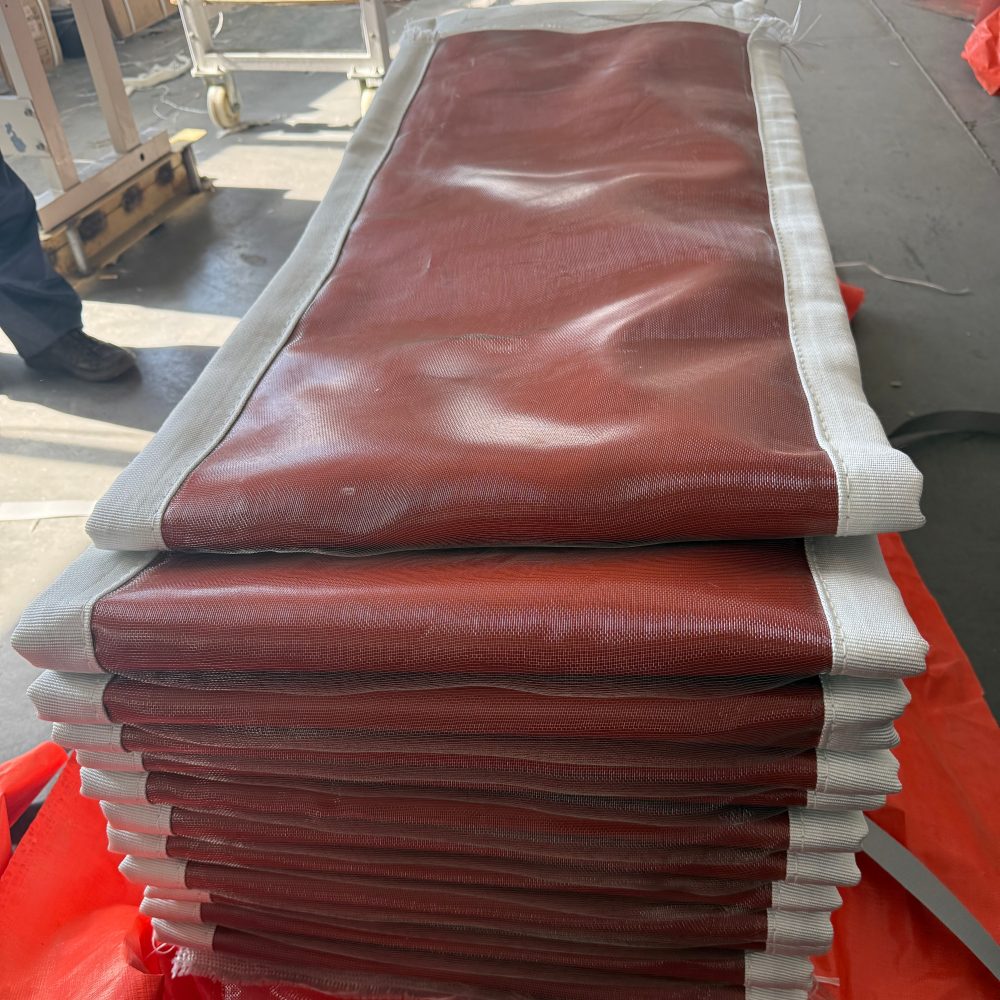
    As welding operations continue to involve higher temperatures and stricter safety requirements, silica fabric welding blanket is increasingly being adopted for thermal protection in industrial environments. Known for their excellent heat resistance and flame protection capabilities, silica-based blankets are widely used to protect personnel, equipment, and surrounding work areas during welding and cutting processes. Silica fabric offers higher temperature resistance compared to standard fiberglass materials, making it suitable for applications involving sustained radiant heat, sparks, and molten metal splash. Rising Demand for High-Temperature Welding Protection Welding and fabrication environments expose surrounding surfaces to extreme heat, sparks, and spatter. Without proper protective barriers, these conditions can lead to equipment damage, fire hazards, and workplace safety risks. Silica fabric welding blankets are designed to act as a thermal barrier, reducing heat transfer and shielding nearby components from welding-related hazards. Their ability to withstand continuous high-temperature exposure makes them a preferred solution in demanding industrial settings. Material Advantages of Silica Fabric Welding Blankets Silica fabric welding blankets are manufactured from high-silica content fibers that maintain stability under extreme heat. Compared to conventional fiberglass blankets, silica fabric provides improved resistance to radiant heat and flame exposure. These blankets are commonly used in environments such as shipbuilding, metal fabrication, power generation, and heavy industrial maintenance, where consistent thermal protection is critical. Industry Outlook As industrial safety standards continue to evolve, the use of high-performance welding protection materials such as silica fabric welding blankets is expected to expand. Manufacturers and maintenance teams are increasingly prioritizing materials that combine heat resistance, durability, and ease of handling to support safer welding operations.
    read more
  • Braided Aramid Sleeve – Frequently Asked Questions (FAQ)
    Braided Aramid Sleeve – Frequently Asked Questions (FAQ) Jan 12, 2026
    Braided Aramid Sleeve – Frequently Asked Questions (FAQ) Technical answers to common questions about braided aramid sleeve for hose and cable protection. 1. What is a braided aramid sleeve? A braided aramid sleeve is a high-strength protective sleeving made from aramid fibers and constructed in a braided tubular form. It is designed to protect hoses, cables, and wire harnesses from abrasion, cutting, and mechanical wear in industrial environments where external damage is the primary failure risk. 2. What is a braided aramid sleeve mainly used for? A braided aramid sleeve is mainly used for abrasion protection, not thermal insulation. It is commonly applied to hydraulic hoses, pneumatic lines, and cable assemblies that experience continuous movement, vibration, or contact with metal structures and sharp edges. For this reason, braided aramid sleeve is often selected as an aramid sleeve for abrasion protection in applications involving movement, vibration, and contact with metal surfaces. 3. Is braided aramid sleeve heat resistant or fire resistant? Braided aramid sleeves offer limited heat tolerance, but they are not designed for fire resistance or thermal insulation. They should not be used for direct flame exposure or radiant heat protection. For fire-dominant environments, fire sleeves or thermal protection sleeves are more appropriate. 4. Can braided aramid sleeve be used on hydraulic hoses? Yes. Braided aramid sleeves are widely used on hydraulic hoses to protect the outer hose cover from abrasion, cutting, and mechanical wear. They help extend hose service life and reduce the risk of external damage, especially in mobile or high-vibration equipment. 5. What is the difference between braided aramid sleeve and PET sleeve? The main difference lies in mechanical strength and durability. Compared to PET sleeves, braided aramid sleeves provide significantly higher abrasion resistance, better cut resistance, and longer service life in harsh mechanical environments. PET sleeves are typically suitable for light-duty applications, while aramid sleeves are preferred for heavy-duty industrial use. 6. In which industries are braided aramid sleeves commonly used? Braided aramid sleeves are commonly used in industries where mechanical wear is unavoidable, including: Mining and underground equipment Robotics and automation systems Construction and heavy machinery Industrial manufacturing equipment Automotive and motorsport applications 7. When should I NOT use a braided aramid sleeve? A braided aramid sleeve should not be used when: Direct flame exposure is present Radiant heat insulation is required Fire containment or thermal shielding is needed In such cases, alternative fire-resistant or thermal protection solutions should be selected. 8. Does braided aramid sleeve affect hose or cable flexibility? No. Despite its high strength, braided aramid sleeve remains flexible and does not significantly restrict hose or cable movement. This makes it suitable...
    read more
  • What Is a Braided Aramid Sleeve?
    What Is a Braided Aramid Sleeve? Jan 07, 2026
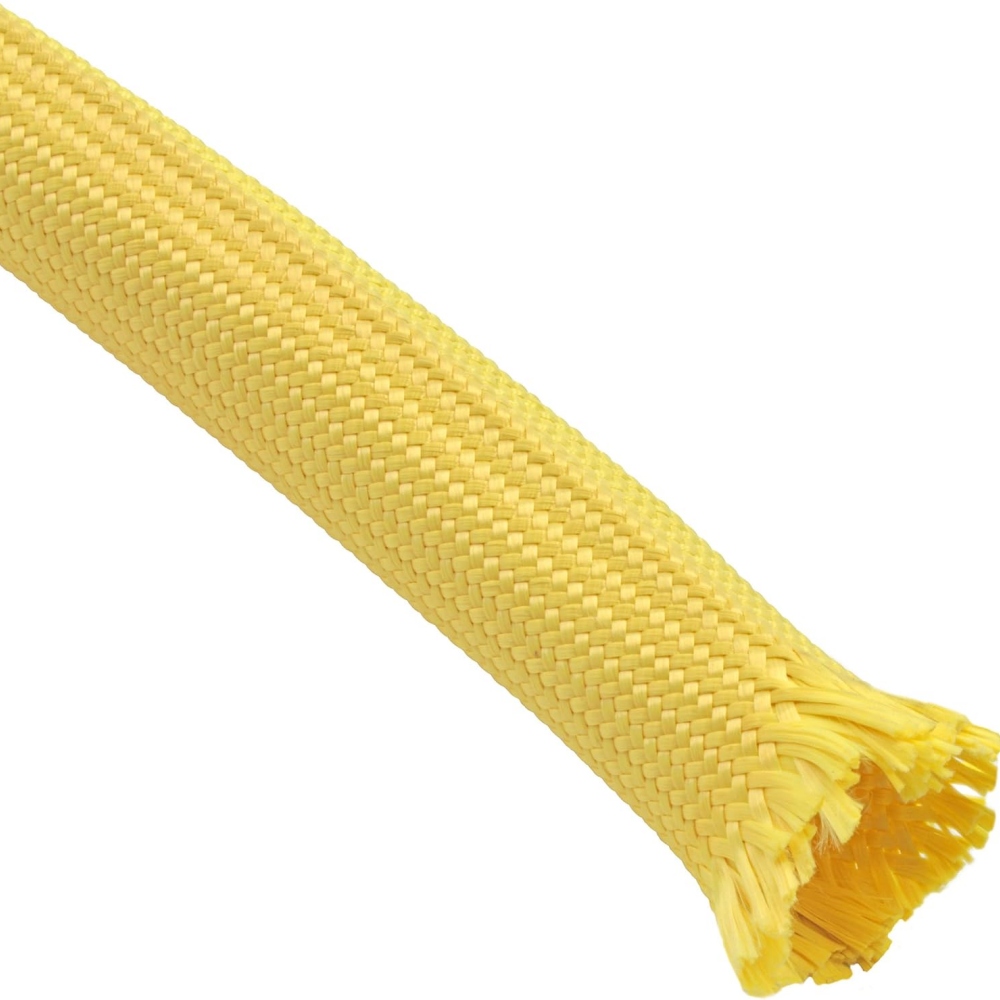
    A braided aramid sleeve is a high-strength protective sleeving manufactured from aramid fibers and constructed in a dense braided structure. It is designed to protect hoses, cables, and wire harnesses from abrasion, cutting, and mechanical wear, particularly in applications involving movement, vibration, or contact with sharp surfaces. Unlike thermal or fire-resistant sleeves, a braided aramid sleeve is primarily selected when mechanical damage is the dominant failure risk. What Problem Does a Braided Aramid Sleeve Solve? In many industrial systems, hoses and cables fail not because of internal pressure or temperature limits, but due to external mechanical stress. Common failure causes include: Continuous rubbing against metal frames or brackets Repeated bending and vibration during operation Contact with sharp edges, debris, or abrasive dust Long service intervals with limited maintenance access A braided aramid sleeve acts as a sacrificial protective layer, absorbing abrasion and impact before damage reaches the hose or cable itself. Why Aramid Fiber Is Used Aramid fibers are widely recognized for their exceptional strength-to-weight ratio and resistance to mechanical damage. When used in protective sleeving, aramid fibers provide: Significantly higher abrasion resistance than PET or nylon Strong resistance to cutting and tearing Low elongation under mechanical stress Stable performance under continuous movement These properties make aramid an ideal material for environments where conventional textile sleeves wear out quickly. Braided Construction: Why It Matters The braided structure plays a critical role in sleeve performance. Key benefits of braided construction include: Uniform surface coverage around hoses and cables Flexibility that allows bending and movement Ability to expand slightly during installation Consistent protection even under vibration This design allows the sleeve to protect dynamic systems without restricting motion or increasing stress on the protected component. When Should You Use a Braided Aramid Sleeve? A braided aramid sleeve is typically used when: Abrasion is the primary cause of hose or cable damage Components are in constant motion or vibration Routing passes through tight spaces or near metal edges Downtime or emergency repairs are costly It is especially effective in abrasion-dominant environments, rather than heat- or fire-dominant ones. When a Braided Aramid Sleeve Is Not Recommended Understanding limitations is essential for proper selection. A braided aramid sleeve is not intended for: Direct flame exposure Radiant heat insulation Fire containment or thermal shielding In applications where heat or fire risk is dominant, fire-resistant or thermal protection sleeves should be considered instead. Typical Industries and Applications Braided aramid sleeves are commonly used in: Mining equipment – excavators, loaders, drilling rigs Underground mining – hydraulic and cable protection Robotics and automation – movin...
    read more
  • Industrial Hydraulic Hose Protection Sleeve for Harsh Working Conditions
    Industrial Hydraulic Hose Protection Sleeve for Harsh Working Conditions Jan 04, 2026
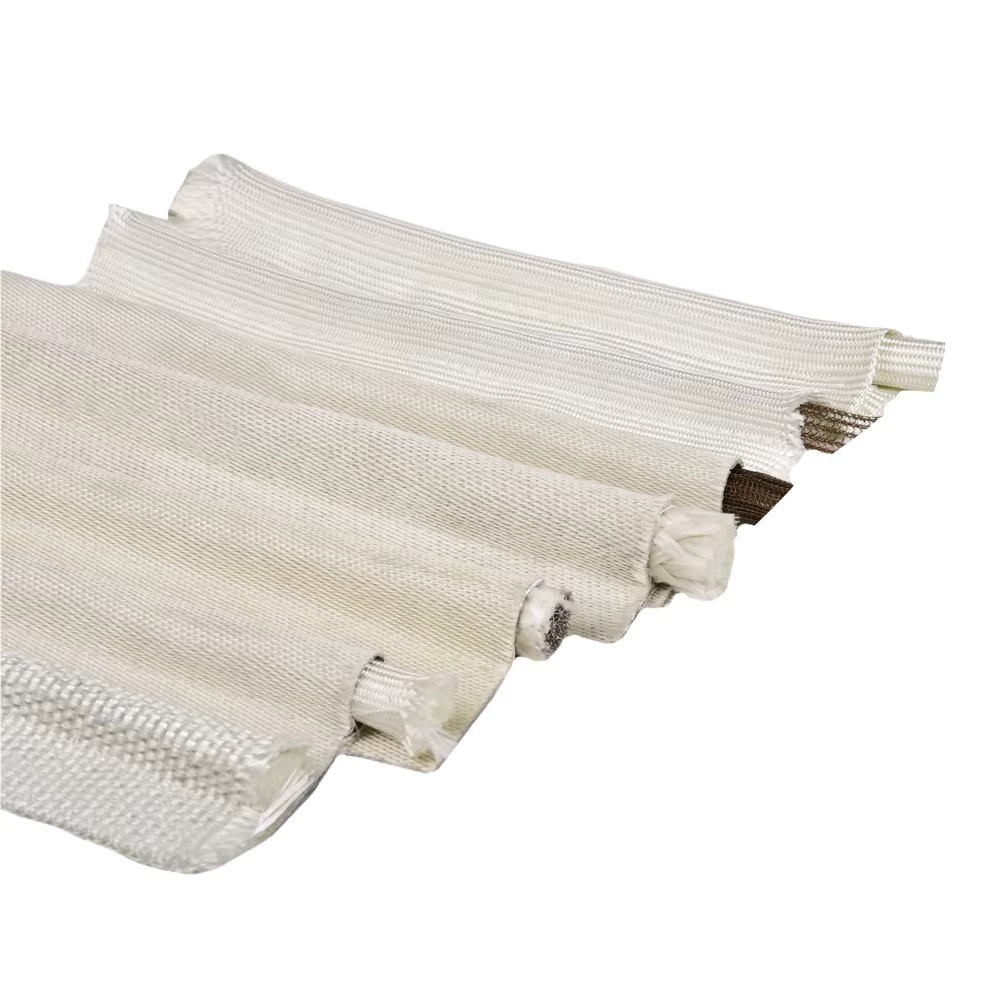
    Reliable Protection for Hydraulic Hoses in Demanding Applications A hydraulic hose protection sleeve is designed to shield hydraulic hoses from abrasion, impact, heat, and external wear that can shorten service life or cause unexpected failure. In heavy-duty environments where hoses are exposed to sharp edges, moving parts, or extreme conditions, proper hose protection is not optional—it is essential. Our hydraulic hose protection sleeves are manufactured to meet the real demands of industrial equipment, helping reduce downtime, improve workplace safety, and extend hose lifespan. What a Hydraulic Hose Protection Sleeve Does Hydraulic hoses often fail due to external damage rather than internal pressure. A well-designed protection sleeve acts as a physical barrier between the hose and its surroundings. Typical functions include: Reducing abrasion from metal edges and surfaces Protecting hoses from impact and vibration Shielding against heat, sparks, and UV exposure Preventing minor leaks from turning into safety hazards By adding a hydraulic hose protection sleeve, maintenance intervals can be extended and unexpected hose replacement can be significantly reduced. Available Types of Hydraulic Hose Protection Sleeves Different operating conditions require different sleeve designs. We offer multiple configurations to match specific applications. Nylon Hydraulic Hose Protection Sleeve Lightweight yet durable, nylon sleeves provide excellent abrasion resistance and flexibility. They are widely used in construction machinery, agricultural equipment, and general hydraulic systems. Braided Hydraulic Hose Protection Sleeve Braided sleeves offer enhanced mechanical strength and dimensional stability. This type is suitable for applications with constant movement, vibration, or higher abrasion risk. Spiral Hose Protection Sleeve Spiral sleeves are easy to install without disconnecting the hose. They are ideal for retrofitting existing hydraulic lines and for applications where hoses need frequent inspection. Fire-Resistant Hose Protection Sleeve Designed for high-temperature environments, these sleeves help reduce the risk of hose damage caused by sparks, molten metal, or radiant heat. Material Options and Technical Characteristics Our hydraulic hose protection sleeve products are available in carefully selected materials to ensure consistent performance in industrial environments. Common material features include: High abrasion resistance Wide operating temperature range Resistance to oils, fuels, and chemicals UV and weather resistance for outdoor use Typical specifications: Parameter Range Inner Diameter 10 mm – 150 mm Operating Temperature -40°C to +125°C (higher options available) Material Nylon, polyester, special polymers Colors Black, orange, custom colors Custom sizes and materials can be supplied based on specific equipment requirements. Industrial Applications A hydraulic hose protection sleeve is widely used across industries where hydraulic syste...
    read more
  • E-glass needle mat Compared with Other Types of Fiberglass Mat
    E-glass needle mat Compared with Other Types of Fiberglass Mat Jan 01, 2026
    1. Understanding Fiberglass Mat Types in Composite Manufacturing Fiberglass mat is a broad category of nonwoven glass fiber reinforcements widely used in composite and FRP manufacturing. Within this category, different mat structures are developed to meet specific processing and performance requirements. e-glass needle mat is one of the most commonly used fiberglass mats, but it is not the only option. Other fiberglass mat types—such as chopped strand mat and stitched mat—are also widely applied depending on application needs. Understanding the structural differences between these fiberglass mats is essential for selecting the right reinforcement material. 2. What Makes e-glass needle mat Different Within Fiberglass Mats e-glass needle mat is a needle-punched fiberglass mat produced from E-glass fibers. Instead of relying primarily on chemical binders, fibers are mechanically interlocked through a needle-punching process. This structure gives e-glass needle mat several distinguishing characteristics: High flexibility and drapeability Uniform thickness across large areas Broad resin compatibility Stable handling during lay-up and molding Within the fiberglass mat family, these properties make needle mat especially suitable for complex shapes and consistent laminates. 3. Overview of Common Fiberglass Mat Structures 3.1 Chopped Strand Fiberglass Mat Chopped strand mat is made from randomly distributed short glass fibers bonded together with chemical binders. Typical features: Cost-effective for simple laminates Widely used in basic FRP applications Resin compatibility depends on binder type 3.2 Stitched Fiberglass Mat Stitched mat consists of continuous or chopped fibers stitched together with yarn. Typical features: Higher directional strength Lower flexibility compared to needle mat Requires controlled orientation during processing 3.3 Continuous Filament Fiberglass Mat This type uses continuous glass filaments laid into a mat structure. Typical features: Good tensile strength Less conformable on complex molds Often used in flat or semi-structural products 4. Structural Comparison: How Mat Construction Affects Performance 4.1 Mechanical Bonding vs Chemical Bonding e-glass needle mat: mechanical fiber entanglement Chopped strand mat: chemical binder bonding Mechanical bonding improves flexibility and reduces resin restrictions, while chemical binders may limit resin choice and affect wet-out speed. 4.2 Thickness and Surface Consistency Uniform thickness is critical for surface quality and mechanical reliability. e-glass needle mat offers excellent thickness consistency Chopped strand mat may show variation due to binder distribution Stitched mat thickness can vary based on stitch pattern 5. Processing Behavior of Different Fiberglass Mats 5.1 Handling and Drapability For complex geometries: e-glass needle mat conforms easily to curves and corners Chopped strand mat may crack during shaping Stitched mat can resist bending 5.2 Resin Wet-Out Performan...
    read more
first page 1 ... 3 4 5 6 7 ... 76 last page
[  a total of  76  pages]
leave a message

leave a message

    If you have questions or suggestions, please leave us a message,we will reply you as soon as we can!

Home

Products

About

Contact

top