Anhui Parker New Material Co.,Ltd
ISO9001      IATF16949

insulation blanket manufacturer
News
  • Application Case: E-Glass Needle Mat Applied in FRP Composite Panel Manufacturing
    Application Case: E-Glass Needle Mat Applied in FRP Composite Panel Manufacturing Dec 30, 2025
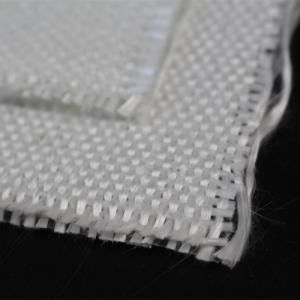
    A composite panel manufacturer specializing in fiber-reinforced plastic (FRP) products was seeking to improve the consistency and surface quality of its panels used in construction and industrial applications. The existing reinforcement materials resulted in uneven thickness distribution and unstable resin impregnation during production. To address these challenges, the manufacturer evaluated alternative reinforcement solutions and selected e-glass needle mat for a production upgrade project. Project Requirements The application required a reinforcement material that could meet the following criteria: Uniform thickness across large panel surfaces Good resin compatibility for stable impregnation Mechanical strength to support panel rigidity Efficient processing in continuous production lines In addition, the client emphasized the importance of stable long-term supply to support increasing order volumes. Material Selection and Technical Solution After testing several materials, e-glass needle mat was chosen due to its balanced structural and processing advantages. Key selection factors included: Even fiber distribution for consistent panel thickness High compatibility with polyester and epoxy resin systems Stable mechanical performance after curing Ease of cutting and handling during production Production Process Integration The needle mat was integrated into the FRP panel lay-up process as a core reinforcement layer. During production, the material demonstrated excellent adaptability to automated resin infusion and molding systems. Observed processing benefits included: Improved resin flow and impregnation consistency Reduced surface defects after curing Better dimensional stability of finished panels These improvements helped optimize production efficiency without requiring major equipment changes. Performance Results and Benefits Following implementation, the manufacturer reported several measurable improvements: More consistent panel thickness and weight Improved surface quality, reducing post-processing work Enhanced mechanical stability of finished products Reduced material waste during production The use of e-glass needle mat also supported more predictable production outcomes, which was critical for large-volume orders. Customer Feedback According to the client’s production team, the upgraded reinforcement structure helped stabilize the manufacturing process and improved overall product quality. The consistency of the material across different batches was highlighted as a key advantage. The client has since expanded the use of the needle mat to additional FRP product lines. Why This Application Case Is Important This case demonstrates how material selection directly affects composite manufacturing efficiency and product performance. For FRP applications, reinforcement materials must balance mechanical strength, processing compatibility, and supply reliability. The successful application of e-glass needle mat in this project highlights its v...
    read more
  • Sustainability Trends Driving the Use of E-Glass Needle Mat in Industrial Applications
    Sustainability Trends Driving the Use of E-Glass Needle Mat in Industrial Applications Dec 28, 2025
    Sustainability has become a defining factor in industrial material selection. Across insulation, construction, and composite manufacturing, companies are under increasing pressure to reduce environmental impact while maintaining performance and safety standards. As a result, materials that offer durability, efficiency, and long service life are gaining attention. In this context, e-glass needle mat is increasingly recognized as a practical solution that aligns with modern sustainability and environmental goals. Sustainability as a Key Industry Driver Governments and industry organizations worldwide are introducing stricter environmental regulations related to energy efficiency, emissions reduction, and material lifecycle management. Key sustainability drivers include: Reduced energy consumption in industrial systems Lower emissions over product lifecycle Longer service life to minimize replacement frequency Improved fire and safety performance These requirements are pushing manufacturers and end users to reconsider traditional insulation and reinforcement materials. Material Efficiency and Long Service Life One of the core sustainability advantages of glass fiber needle mats is durability. Materials that maintain performance over long periods reduce the need for frequent replacement, which directly lowers resource consumption and waste generation. E-glass–based needle mats offer: Stable thermal performance over time Resistance to moisture and chemical degradation Mechanical strength under continuous operation These characteristics support long-term use in industrial environments, contributing to more sustainable system design. Energy Efficiency in Industrial Insulation Effective insulation plays a direct role in reducing energy consumption. By minimizing heat loss, high-performance insulation materials help industrial facilities lower fuel usage and operating emissions. Glass fiber needle mats are widely used in: Industrial furnaces Heat-processing equipment Pipelines and thermal systems Their consistent structure and thermal stability help maintain insulation efficiency, supporting energy-saving initiatives across industries. Manufacturing Improvements Supporting Sustainability Sustainability is not limited to product performance—it also involves how materials are manufactured. Modern production of glass fiber needle mats increasingly focuses on process optimization and waste reduction. Common improvements include: More efficient fiber utilization Reduced production waste Improved quality consistency to minimize rejects Better process control to lower energy consumption These manufacturing practices help reduce the environmental footprint of material production while maintaining reliable supply. Compatibility with Recycling and Environmental Standards Glass fiber materials are increasingly evaluated based on their compatibility with recycling systems and compliance with environmental standards. While recycling methods vary by region, E-glass fib...
    read more
  • Combustion Air Inlet Tube: Complete Guide for Safe and Efficient Heater Operation
    Combustion Air Inlet Tube: Complete Guide for Safe and Efficient Heater Operation Dec 27, 2025
    A Combustion Air Inlet Tube plays a critical role in modern heating systems by supplying fresh combustion air from outside the building directly to the heater. Proper combustion air delivery is essential for safe operation, stable flame performance, and high thermal efficiency. As heating equipment becomes more efficient and buildings become more airtight, the need for a correctly designed and installed combustion air inlet system has increased significantly. Without adequate combustion air, heaters may experience incomplete combustion, pressure imbalance, or operational failure. This page provides a comprehensive technical overview of the Combustion Air Inlet Tube, including how it works, installation best practices, common problems, and application guidance for various heater types. What Is a Combustion Air Inlet Tube? A Combustion Air Inlet Tube is a dedicated pipe or tube that delivers fresh air to the combustion chamber of a heater. Unlike room air combustion systems, this design isolates the combustion process from indoor air, improving both safety and efficiency. Key Functions Supplies consistent fresh air for combustion Prevents negative pressure inside the building Reduces risk of backdrafting and incomplete combustion Improves heater efficiency and operational stability The combustion air inlet tube is commonly used in sealed combustion heaters, high-efficiency furnaces, unit heaters, and boilers. How a Combustion Air Inlet Tube Works with All Heaters The Combustion Air Inlet Tube works with all heaters that require a controlled supply of combustion air. Fresh air is drawn from outside the structure and delivered directly to the burner assembly. This process ensures: Stable oxygen levels for combustion Consistent flame characteristics Reduced contamination from indoor air pollutants Critical Installation Principle To maintain proper operation, avoid dips in pipe routing. Dips or low points in the combustion air inlet tube can allow condensate to collect, leading to ice buildup in cold climates. This buildup can restrict airflow and inhibit proper heater operation. Correct routing with a continuous upward or level slope helps eliminate moisture accumulation and ensures reliable performance year-round. Key Benefits of a Proper Combustion Air Inlet Tube 1. Improved Safety By isolating combustion air from indoor environments, the system reduces the risk of carbon monoxide infiltration and backdrafting. 2. Enhanced Heater Performance Stable airflow supports consistent combustion, improving heat output and system reliability. 3. Increased Energy Efficiency Proper combustion air delivery allows heaters to operate at designed efficiency levels, reducing fuel waste. 4. Extended Equipment Life Reduced moisture, corrosion, and pressure fluctuations help extend the service life of heating components. Installation Guidelines for Combustion Air Inlet Tubes Correct installation is essential to achieve the full benefits of a Combustion Air Inlet Tube. ...
    read more
  • New Advances in E-Glass Needle Mat Technology for Enhanced Industrial Insulation
    New Advances in E-Glass Needle Mat Technology for Enhanced Industrial Insulation Dec 25, 2025
    In the face of evolving industry demands, E-glass needle mat has become an essential solution for improving insulation and composite performance. Recent technological advancements have brought improvements in strength, thermal resistance, and environmental sustainability, paving the way for new applications in industrial insulation. As industries increasingly prioritize energy efficiency and material performance, these advancements make E-glass needle mats an ideal choice for high-demand environments. Key Advancements in E-Glass Needle Mat Technology With the increasing demand for high-performance insulation, we’ve implemented several breakthroughs in our E-glass needle mat products. These include: Enhanced Thermal Resistance Our latest E-glass needle mats are now capable of withstanding higher temperatures for longer periods, making them perfect for industrial applications exposed to heat extremes. The material can now endure up to 550°C without losing its structural integrity. Improved Mechanical Strength Through refined manufacturing processes, we've enhanced the mechanical strength of our needle mats. This makes them more resilient to physical stress, providing better durability in demanding applications. Environmental Sustainability Our latest E-glass needle mats are designed with sustainability in mind. With reduced waste during production and improved recyclability, these mats are an eco-friendly alternative in industries looking to reduce their carbon footprint. Applications of New E-Glass Needle Mat Technology Our upgraded E-glass needle mats now serve a wider array of industries. Whether it's thermal insulation for high-temperature industrial applications or reinforcement in composite products, this advanced technology ensures superior performance. Industrial Insulation The enhanced thermal resistance of our E-glass needle mats ensures reliable performance in industries like steel manufacturing, automotive, and petrochemical plants, where insulation systems are subjected to extreme heat. Composite Reinforcement E-glass needle mats offer excellent bonding properties for composite products, making them a preferred material in the production of lightweight yet strong components for the aerospace, automotive, and construction sectors. Case Study: Real-World Impact One of our major clients, a leading manufacturer of industrial ovens, recently adopted our upgraded E-glass needle mat for their insulation systems. The result was a 20% increase in energy efficiency, helping the client reduce their operational costs significantly while maintaining high insulation standards. By utilizing the new, more durable needle mat technology, the client reported improved thermal regulation in their equipment, resulting in both lower energy bills and a more sustainable manufacturing process. How This Technology Compares to Other Materials Compared to traditional materials like mineral wool or fiberglass, E-glass needle mats offer several key advantages: ...
    read more
  • The Role of Woven Silica Fabric in Aerospace Thermal Protection Systems
    The Role of Woven Silica Fabric in Aerospace Thermal Protection Systems Dec 24, 2025
    Why Aerospace Applications Demand Extreme Thermal Reliability Aerospace environments expose materials to conditions that far exceed most industrial settings. These include: Intense radiant heat Rapid temperature fluctuations Long-duration thermal exposure Strict weight and safety constraints In such conditions, material failure is not an option. This is why woven silica fabric is frequently specified for aerospace thermal protection systems. Thermal Challenges Unique to Aerospace Systems Unlike stationary industrial equipment, aerospace components must endure: High exhaust temperatures near engines Aerodynamic heating during flight Thermal shock during ascent and descent cycles Many conventional textiles lose strength or dimensional stability under these stresses. Woven silica fabric, however, maintains performance even when exposed to prolonged high temperatures. Key Functions of Woven Silica Fabric in Aerospace Instead of acting as a single-purpose material, woven silica fabric serves multiple thermal roles: Thermal barriers between hot engine zones and sensitive components Insulation layers in exhaust and propulsion systems Protective wraps for cables, ducts, and hoses Its flexibility allows it to conform to complex geometries without compromising heat resistance. Why Silica-Based Fabrics Are Preferred Over Alternatives Compared with standard fiberglass or ceramic textiles, woven silica fabric offers: Higher continuous temperature capability Better resistance to thermal fatigue Lower risk of embrittlement over time These advantages translate into greater reliability and longer service life, both critical in aerospace design. Weight Efficiency and Design Flexibility Weight reduction is a constant priority in aerospace engineering. Woven silica fabric provides high thermal performance without excessive thickness, helping designers balance insulation efficiency with weight constraints. In aerospace applications where extreme heat, safety, and reliability converge, woven silica fabric plays a vital supporting role. Its combination of thermal stability, flexibility, and durability makes it an indispensable component in modern aerospace thermal protection systems.
    read more
first page 1 ... 4 5 6 7 8 ... 76 last page
[  a total of  76  pages]
leave a message

leave a message

    If you have questions or suggestions, please leave us a message,we will reply you as soon as we can!

Home

Products

About

Contact

top