Anhui Parker New Material Co.,Ltd
ISO9001      IATF16949

insulation blanket manufacturer

News

  • How to Measure a Tadpole Gasket for Replacement
    How to Measure a Tadpole Gasket for Replacement Sep 30, 2026
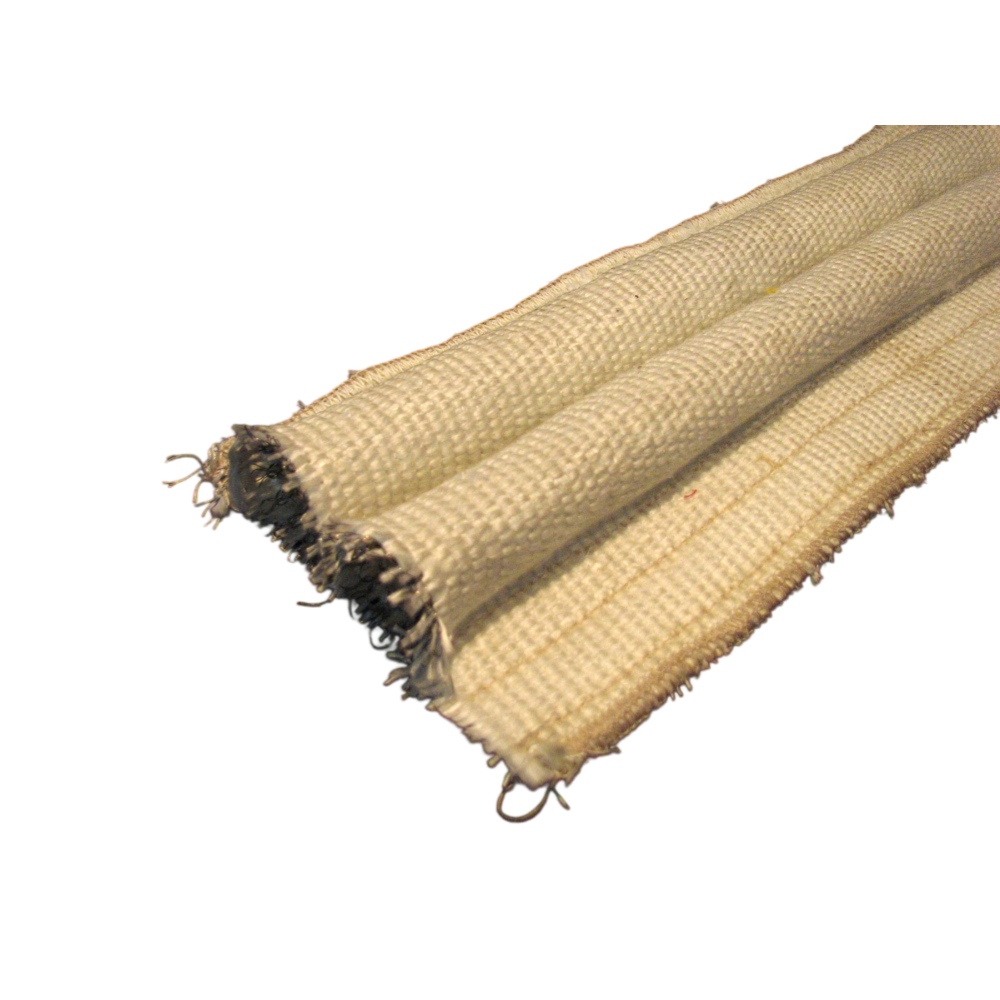
    To measure a tadpole gasket for replacement, record the bulb height and width, mounting-tail dimensions, overall profile width, core construction and required length. Then measure the equipment's closed gap at the bulb contact position. A worn sample helps identify the old construction, but its compressed dimensions should not automatically become the specification for the new seal. For an industrial oven door, furnace access panel or heated enclosure, the replacement must fit the mounting arrangement and provide the required contact when the equipment closes. Matching the visible fabric or ordering the nearest bulb diameter is only part of that work. The following measurement workflow brings the sample, equipment geometry and operating requirements into one replacement specification. Start with the Installed Gasket Before removing anything, have authorized maintenance personnel make the equipment safe under the OEM instructions and site procedures. Control hazardous energy, allow hot components to cool, address trapped pressure and secure movable doors or covers. Do not reach into an energized or unsupported closing mechanism to obtain a measurement. Photograph the gasket in position. Show which way the bulb faces, where the tail is retained and how the seal passes around corners. Mark a reference location, such as the top hinge-side corner, so measurements and samples can be traced to the same point. Also record the equipment model, gasket part number and drawing revision when available. Note where the existing seal is flattened, frayed, displaced or rubbing against metal. Keep these observations separate from the intended dimensions: a damaged section records a failure condition, not necessarily the original design. Put the Critical Dimensions on a Cross-Section A cross-sectional sketch is more useful than an unlabelled entry such as “1-inch tadpole gasket.” Mark the closing direction and the actual measurement endpoints. Use one primary unit system and state any agreed dimensional tolerances. Dimension What to Record Measurement Detail Bulb height Outside height in the direction of compression. Identify whether the value comes from an unused sample, an original drawing or a worn gasket. Bulb width Outside width across the bulb, perpendicular to the height. Record height and width separately when the section is oval or flattened. Tail width The mounting extension between clearly marked endpoints. Show where the tail measurement starts relative to the bulb and stitching. Tail thickness The textile stack that fits beneath the retaining hardware. Identify folds, hems, coatings and adhesive layers separately where relevant. Overall width The complete cross-sectional envelope from one outside edge to the other. Do not substitute the tail width for the total profile width. Installed bulb height The space available to the bulb when the joint is in its intended closed position. Use the actual contact surfaces and show any recess, offset or retaining-p...
    read more
  • Custom Removable Insulation Blanket Manufacturer
    Custom Removable Insulation Blanket Manufacturer Sep 29, 2026
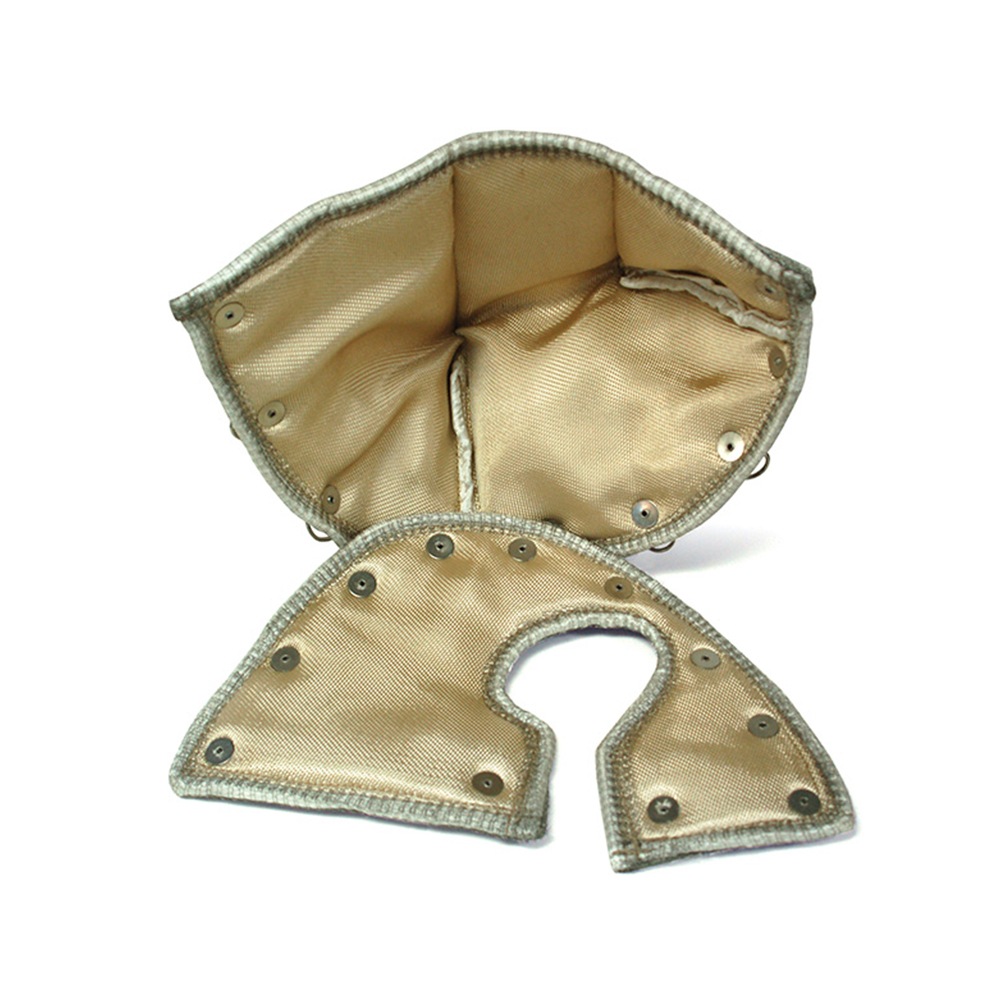
    Made-to-order thermal insulation systems Custom Removable Insulation Blanket Manufacturer BSTFLEX manufactures removable insulation blankets, jackets and covers around the equipment—not around a stock size. Send a drawing, dimensions, photographs or a physical sample. We will help define the construction, materials and fastening system for repeat removal, reliable fit and practical maintenance access. Explore removable insulation blankets Send an RFQ Finished blankets or production materials Source complete custom insulation covers, or purchase selected fabrics, insulation cores, sewing threads and fastening hardware for your own fabrication program. Custom geometry: Patterns made from drawings, field dimensions, photographs or samples Material selection: Layer choices matched to heat, environment, handling and service conditions OEM and batch supply: Project quantities, repeat orders, private labeling and packaging discussions Component supply: High-temperature fabrics, insulation, threads and closure accessories One manufacturing partner, two ways to buy A finished jacket is only one possible deliverable. Equipment manufacturers, insulation contractors and specialist fabricators may need a complete labeled assembly, a ready-to-sew kit, or individual materials. The supply format can be set around your drawings, production process and order volume. 01 / FINISHED ASSEMBLIES Custom removable insulation blankets Designed for industrial components that need thermal control without permanently blocking inspection or maintenance. Multi-layer sewn construction with removable closures Cutouts and reinforced openings for stems, brackets, drains and instruments Identification labels, orientation marks and matching-piece references Prototype, project and repeat-production supply 02 / MATERIALS & COMPONENTS Inputs for your own fabrication line Buy selected jacket materials separately when your team performs cutting, sewing or final assembly. Coated fiberglass, fiberglass, silica and aluminized fabrics Fiberglass, silica and ceramic-fiber insulation cores High-temperature sewing threads and reinforcement materials Straps, buckles, D-rings, lacing hardware, wire, springs and related accessories Blankets built for the actual equipment The right pattern depends on how a component is installed, where it must be opened and what interferes with removal. Flanges, supports, valve stems, sensor ports and access panels should be considered before the first piece is cut. Equipment or system Common design focus Typical purchasing objective Valves, flanges and steam components Stem clearance, bonnet access, flange edges, leak visibility and frequent removal Reduce exposed hot surfaces while keeping service points accessible Pipes, elbows and expansion joints Segment length, overlap direction, support penetrations and adjoining insulation Cover irregular sections that rigid or permanent insulation cannot handle neatly Exhaust pipes and manifolds High-heat face layer, v...
    read more
  • Silicone Coated Fiberglass Tape: What Does the Silicone Coating Change?
    Silicone Coated Fiberglass Tape: What Does the Silicone Coating Change? Sep 29, 2026
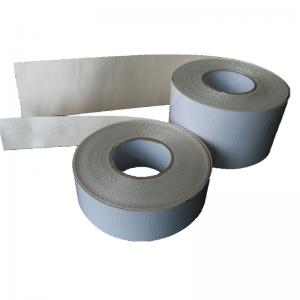
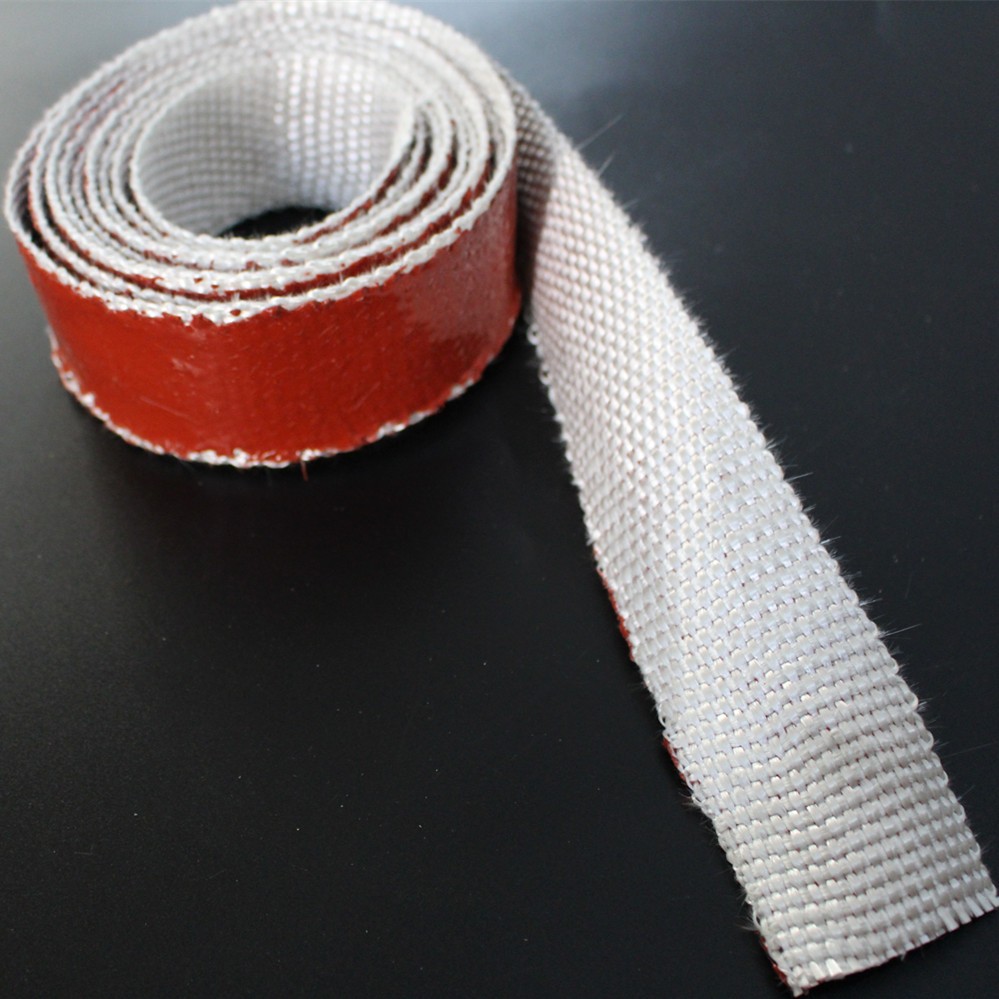
    The silicone coating changes the exposed surface of fiberglass tape: it can improve resistance to handling wear, limit direct contact between contaminants and the yarn, and provide a surface designed to shed brief molten splash. It does not automatically increase the continuous temperature rating, create an adhesive bond or make an overlapping wrap liquid-tight. That distinction helps explain why a coated tape may be selected even when an uncoated textile meets the basic temperature requirement. Around industrial hoses, cables and equipment details, the tape must also tolerate installation, nearby hardware and the substances that reach its outer face. BSTFLEX silicone coated fiberglass tape combines a fiberglass textile with silicone rubber for industrial protective wrapping. Evaluating the coating means looking at what happens at the surface as well as how the complete strip fits the component. Surface Wear: The Coating Meets the Contact First On an uncoated tape, the yarns are directly exposed to handling and contact with surrounding parts. A suitable silicone coating adds an elastomeric face over the textile. This can help protect the underlying fibers from rubbing and reduce direct disturbance of the coated yarn surface during installation. The benefit is not a guaranteed increase in tensile strength or a fixed multiplication of service life. Coating formulation, coverage and adhesion to the textile matter. A sharp bracket can still damage the coating, and repeated sliding may wear through it. For a maintenance buyer, a useful comparison is therefore not simply which sample feels thicker. Ask how the finished tape behaves against the actual contacting surface, with representative movement and temperature. Where there is persistent rubbing, review component routing and support rather than relying on the coating alone. Fluid Contact: Protect the Face, Then Check the Openings A silicone-coated face can help shield fiberglass from oils and other surface contamination when the compound is compatible with the exposure. That can be valuable near industrial hydraulic equipment or machinery where occasional fluid contact accompanies heat. However, resistance to one lubricant does not qualify the tape for every hydraulic fluid, solvent or cleaner. Identify the fluid, concentration, temperature and contact duration. Occasional splashing, prolonged soaking and repeated cleaning are different duties. Also separate the coated face from the installed wrap. Liquid may reach cut ends, uncovered textile or gaps between overlapping turns. A material that resists moisture at its coated surface is not automatically a waterproof enclosure. Include these entry points in the installation review and check cleaning compatibility before approving a maintenance method. Hot Splash: The Surface Response Matters Specially formulated silicone coatings are used on fiberglass tapes intended to shed brief molten splash. Encouraging hot droplets to leave the exposed face can re...
    read more
  • Single-Side vs Double-Side Silicone Coated Fiberglass Fabric: Which Should You Choose?
    Single-Side vs Double-Side Silicone Coated Fiberglass Fabric: Which Should You Choose? Sep 28, 2026
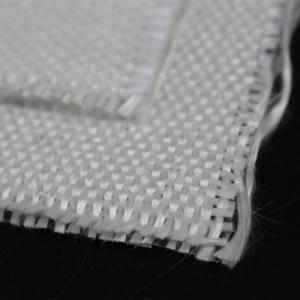
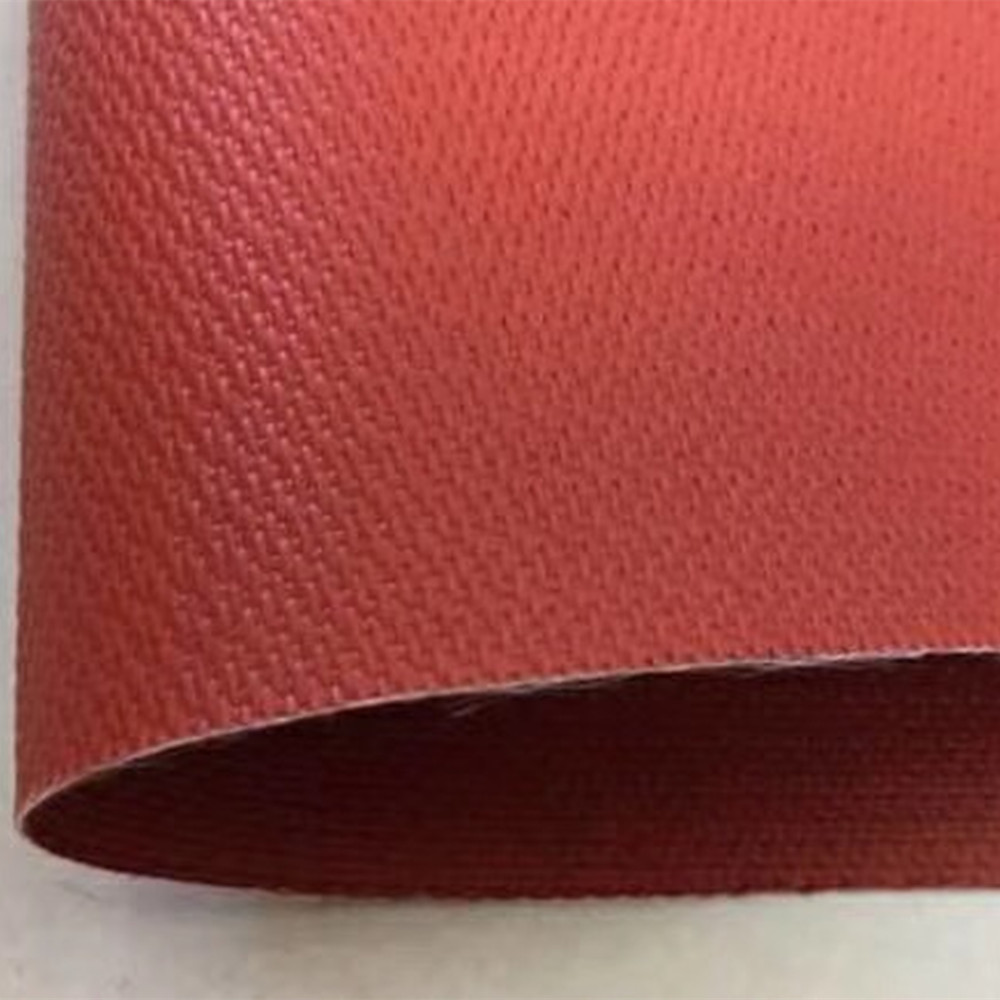
    Choose single-side silicone coated fiberglass fabric when one face needs a silicone surface and the opposite face can remain uncoated within the finished assembly. Consider double-side silicone coated fiberglass fabric when both faces need that surface protection. Neither construction is automatically the better choice: coating weight, base cloth, operating conditions and fabrication requirements determine whether the material fits the job. For an insulation fabricator, the useful question is not simply whether a cloth has one coated face or two. It is which surfaces will encounter moisture, rubbing, cleaning and repeated handling, and whether those surfaces remain within the selected grade's temperature limit. BSTFLEX offers both configurations within its Silicone Coated Fiberglass Fabric for High Temperature Insulation range, with specification options for different industrial and OEM requirements. Start with the Two Faces of the Fabric Single-side coated fabric has a silicone finish on one face of the woven fiberglass substrate. The reverse face does not have the same specified silicone surface layer. Buyers may also describe this construction as single-sided silicone fiberglass cloth or one-side silicone coated glass fabric. Double-side coated fabric has silicone on both faces of the substrate. It is also called double-sided silicone coated fiberglass cloth or two-side silicone coated fiberglass fabric. This normally describes one fiberglass base cloth coated on both sides, not two separate layers of fiberglass. The label identifies where the coating is applied. It does not, by itself, specify coating thickness, total silicone content, flexibility, strength or service temperature. For an introduction to the material itself, read What Is Silicone Coated Fiberglass Fabric and Where Is It Used? Single-Side vs Double-Side: A Purchasing Comparison Selection point Single-side silicone coating Double-side silicone coating Surface coverage One face has the specified silicone finish. Both faces have a specified silicone finish. Exposure to evaluate Whether one coated face is sufficient and the reverse face is suitable for its environment. Whether both faces benefit from coated-surface protection during installation and service. Coating weight Request the cured coating weight on the coated face. Request the cured coating weight on each face, not only the combined amount. Handling and drape Evaluate the actual base cloth and coating combination. Evaluate the actual sample; two coated faces do not define how stiff or flexible it will be. Temperature selection Use the rating of the specified finished construction. Use the rating of the specified finished construction; a second coated face does not automatically raise it. Fabrication Keep the coated-face orientation consistent through cutting and sewing. Confirm whether both faces are equivalent before treating the material as reversible. Quotation comparison Compare base fabric, coating mass, width, toler...
    read more
  • Ceramic Fiber Tape Reinforcement: Fiberglass vs Stainless Steel Wire
    Ceramic Fiber Tape Reinforcement: Fiberglass vs Stainless Steel Wire Sep 26, 2026
    .bst-ceramic-reinforcement { font-family: inherit; font-size: 16px; line-height: 1.75; max-width: 100%; overflow-wrap: break-word; } .bst-ceramic-reinforcement p { margin: 0 0 16px; } .bst-ceramic-reinforcement h2 { font-size: 24px; line-height: 1.35; margin: 30px 0 14px; } .bst-ceramic-reinforcement h3 { font-size: 19px; line-height: 1.4; margin: 22px 0 10px; } .bst-ceramic-reinforcement a { text-decoration: underline; } .bst-ceramic-reinforcement table { width: 100%; border-collapse: collapse; table-layout: fixed; margin: 20px 0; } .bst-ceramic-reinforcement caption { text-align: left; font-weight: 600; padding-bottom: 10px; } .bst-ceramic-reinforcement th, .bst-ceramic-reinforcement td { border: 1px solid #d6dadd; padding: 12px; text-align: left; vertical-align: top; } .bst-ceramic-reinforcement thead th { background: #f3f5f6; } .bst-ceramic-reinforcement dl { margin: 16px 0 24px; } .bst-ceramic-reinforcement dt { font-weight: 600; margin-top: 16px; } .bst-ceramic-reinforcement dd { margin: 4px 0 0; } .bst-ceramic-reinforcement .purchase-note { border-top: 2px solid #47545e; padding-top: 4px; margin-top: 28px; } @media (max-width: 600px) { .bst-ceramic-reinforcement { font-size: 15px; } .bst-ceramic-reinforcement h2 { font-size: 21px; } .bst-ceramic-reinforcement h3 { font-size: 18px; } .bst-ceramic-reinforcement th, .bst-ceramic-reinforcement td { padding: 8px; font-size: 14px; } } Fiberglass and stainless steel wire reinforce ceramic fiber yarn, but they do not provide the same service behavior. Glass filament offers a non-metallic reinforcement option. Stainless steel wire is considered when the application needs mechanical integrity at temperatures beyond the confirmed capability of a glass-reinforced construction. The decision depends on the finished tape, not simply on the ceramic fiber's headline temperature. BSTFLEX ceramic fiber woven tape is available with fiberglass or stainless steel wire reinforcement for industrial insulation and thermal sealing. When ordering, identify whether the reinforcement is needed mainly for installation handling or must continue supporting the textile during operation. What Is Being Reinforced? In these products, the reinforcement is incorporated into the ceramic yarn used to weave the tape. It helps make the yarn workable and supports the textile's mechanical integrity. It is not an external wire mesh, an adhesive backing or a clamp applied after wrapping. Fiberglass reinforced ceramic fiber tape is still a ceramic textile; it is not the same product as tape woven entirely from fiberglass yarn. Likewise, wire reinforced ceramic tape is not a solid metal strip. Some constructions contain both glass filament and stainless steel wire, so request the complete yarn description rather than assuming the two labels always describe mutually exclusive materials. Fiberglass vs Stainless Steel Wire: The Practical Comparison Selection factors for reinforced ceramic fiber tape Selection factor Fiberglass reinforcemen...
    read more
first page 1 ... 6 7 8 9 10 ... 87 last page
[  a total of  87  pages]
leave a message

leave a message

    If you have questions or suggestions, please leave us a message,we will reply you as soon as we can!

Home

Products

About

Contact

top