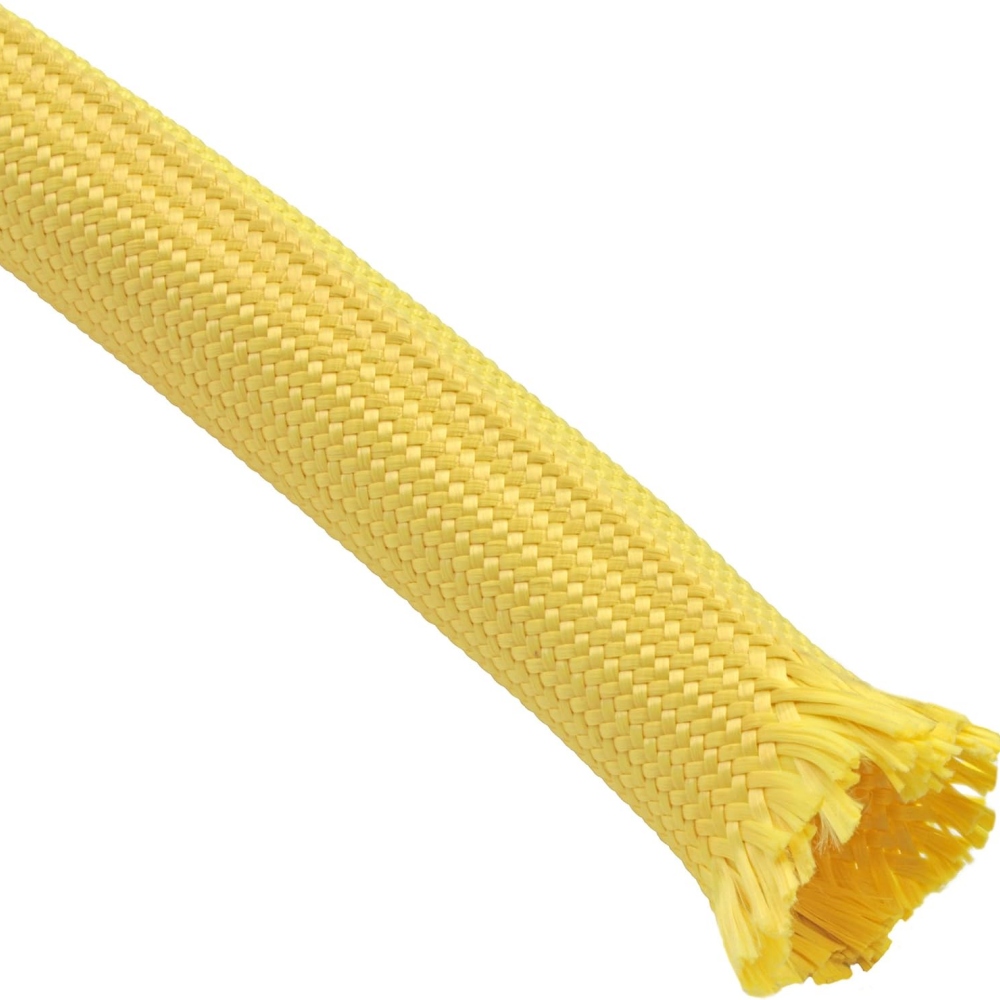
Braided Biaxial Aramid Sleeve for Composite Reinforcement
Sep 16, 2026
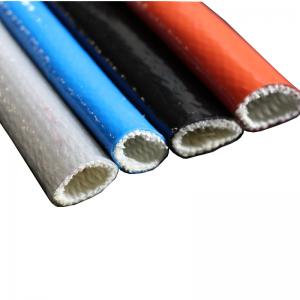
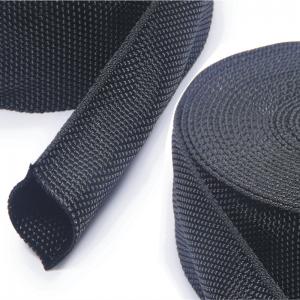
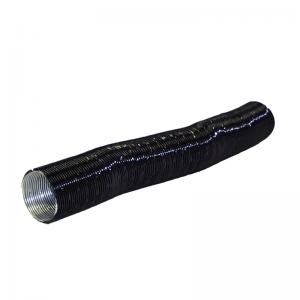
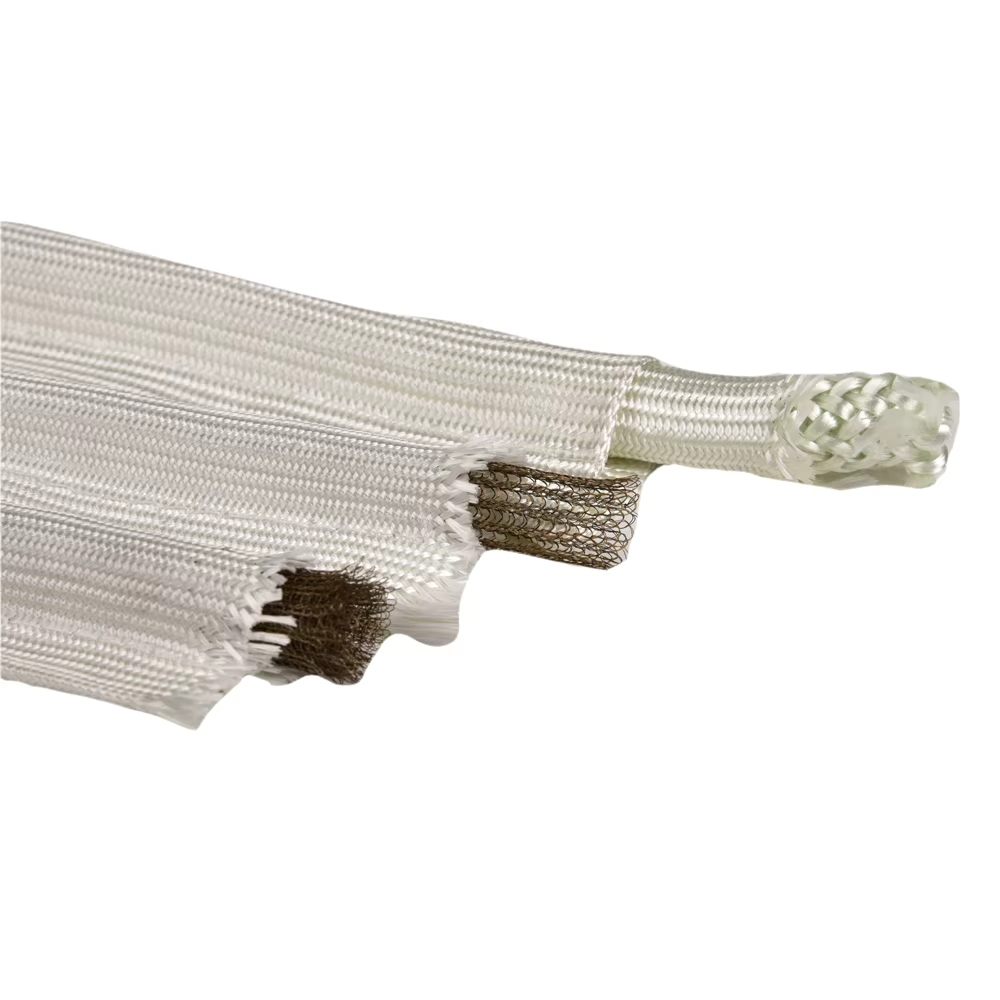
Braided Biaxial Aramid Sleeve for Composite Reinforcement Composite manufacturers often need reinforcement materials that can conform around tubes, curved profiles, lightweight structures and irregular shapes. Flat fabrics are useful for panels, but they are not always efficient for round or complex parts. A Braided Biaxial Aramid Sleeve provides a practical solution for composite reinforcement where continuous fiber coverage, impact resistance and lightweight strength are required. Made from para aramid fiber, this type of sleeve is used as a reinforcement layer in composite tubes, rods, frames, protective structures and custom molded parts. The braided sleeve can expand, contract and fit over different shapes before resin impregnation, helping manufacturers build stronger and more durable composite components. Unlike protective sleeves used only for hose or cable covering, an aramid composite sleeve is selected as a structural reinforcement material. Its purpose is to become part of the finished composite after resin application and curing. What Is a Braided Biaxial Aramid Sleeve? A braided biaxial aramid sleeve is a tubular reinforcement sleeve produced from aramid yarns arranged in a braided angle. The biaxial structure means the fibers run in two opposing directions around the sleeve, creating balanced reinforcement around the surface of the part. This structure allows the sleeve to conform around round, tapered or shaped components more easily than many flat reinforcement fabrics. It is especially suitable for composite applications where the part needs continuous coverage without seams or excessive fabric cutting. In practical use, the sleeve is placed over a mandrel, tube, core or shaped part. Resin is then applied through wet lay-up, infusion or other composite processing methods. After curing, the aramid sleeve becomes part of the reinforced composite structure. Why Use Aramid Fiber for Composite Reinforcement? Para aramid fiber is widely used in demanding composite applications because it offers a strong combination of toughness, lightweight performance and impact resistance. Compared with many general textile fibers, aramid provides higher mechanical strength and better damage tolerance. An aramid sleeve for composite reinforcement is commonly selected when the finished part must resist impact, vibration, cracking or mechanical abuse while keeping weight low. Main advantages include: High strength-to-weight ratio for lightweight composite structures Excellent impact resistance and toughness Good abrasion and wear resistance on reinforced surfaces Flexible tubular structure for easy fitting over complex shapes Continuous fiber coverage around round or irregular parts Suitable for resin impregnation and custom composite fabrication How Braided Aramid Sleeve Works in Composite Parts A braided aramid sleeve works differently from a flat woven fabric. Instead of being cut and wrapped manually around a component, the sleeve can be expanded ...
read more


 français
 Deutsch
 русский
 italiano
 español
 português
 Nederlands
 العربية
 日本語
 한국의
 Türkçe
 Polski
 Tiếng Việt
 slovenský
 Indonesia