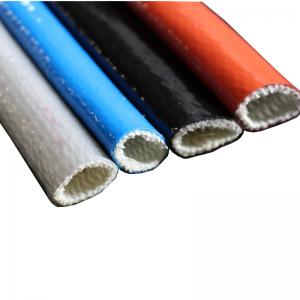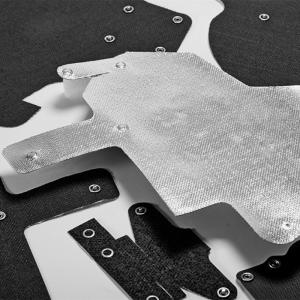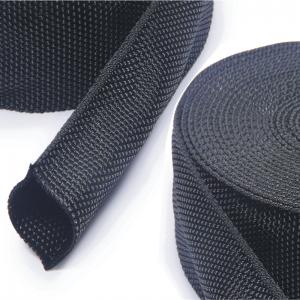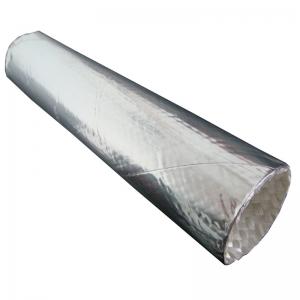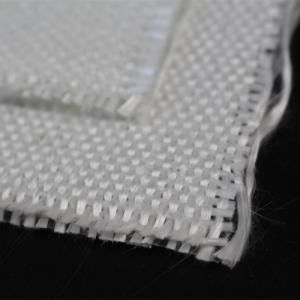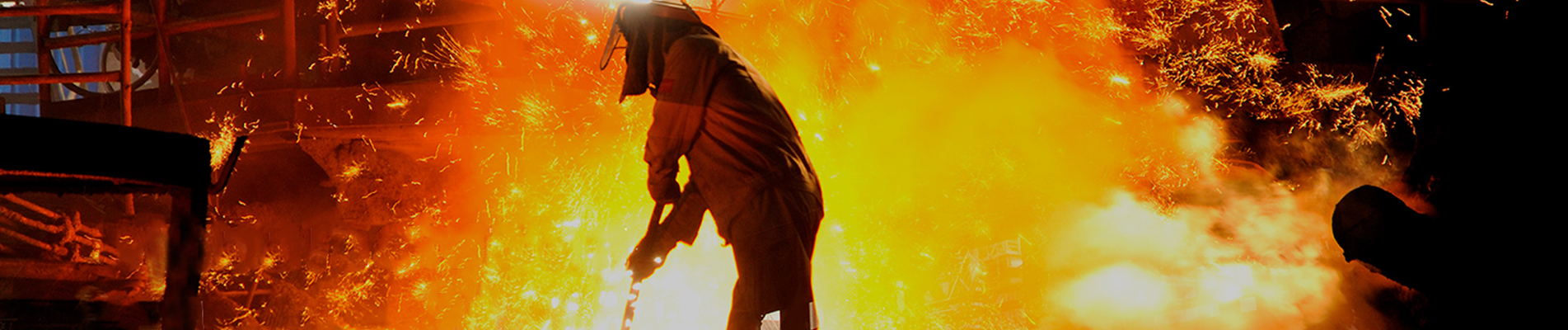
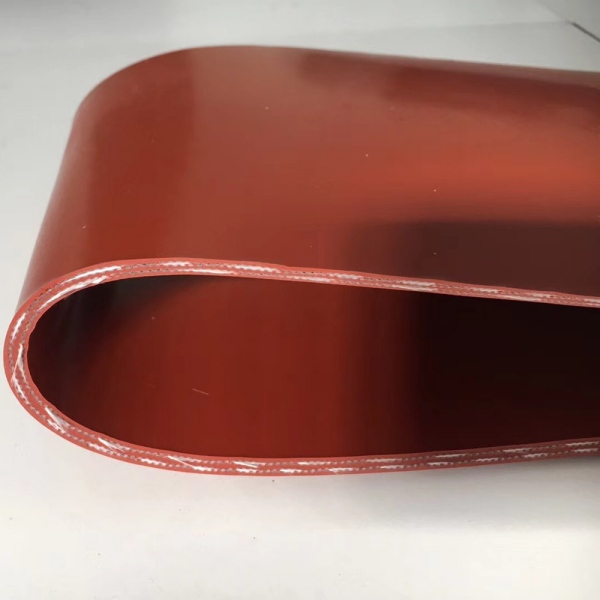
Silicone coated fiberglass fabric is a flexible industrial textile made by applying silicone rubber to woven fiberglass cloth. The fiberglass base provides strength, dimensional stability and high-temperature capability, while the silicone coating adds a durable surface with improved resistance to moisture, abrasion, weathering and repeated flexing.
Because these two materials perform different functions, silicone fiberglass fabric is widely used where a plain fiberglass cloth would not provide enough surface durability or environmental protection. Common applications include removable insulation jackets, fabric expansion joints, welding curtains, valve and flange covers, flexible connectors and industrial equipment protection.
For industrial and OEM specifications, see BSTFLEX Silicone Coated Fiberglass Fabric for High Temperature Insulation .
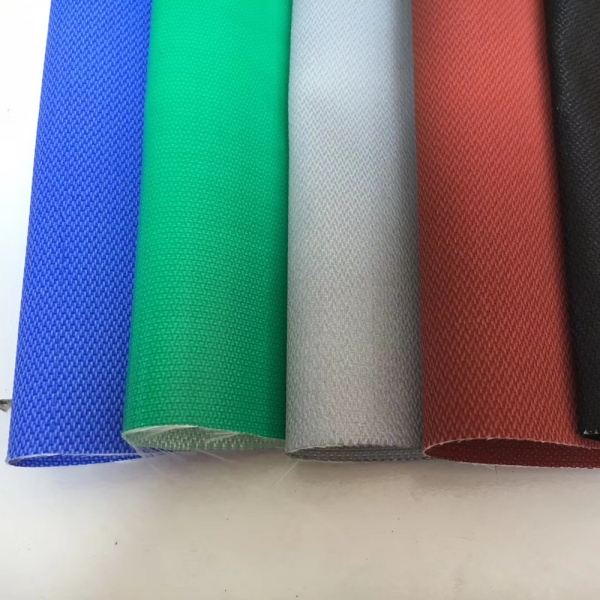
Silicone coated fiberglass fabric consists of two main components: a woven glass fiber substrate and a cured silicone rubber coating.
The fiberglass cloth acts as the structural reinforcement. It provides tensile strength, dimensional stability and resistance to elevated temperatures. Silicone rubber is applied to one side or both sides of the fabric to modify the surface properties and improve performance in demanding industrial environments.
The finished material may also be described as silicone coated fiberglass cloth, silicone fiberglass fabric, silicone fiberglass cloth, silicone rubber coated fiberglass fabric or silicone coated glass fabric. In most industrial purchasing applications, these terms refer to the same general family of coated technical textiles.
Production starts with a woven fiberglass base fabric selected according to the required thickness, weight, weave and mechanical properties.
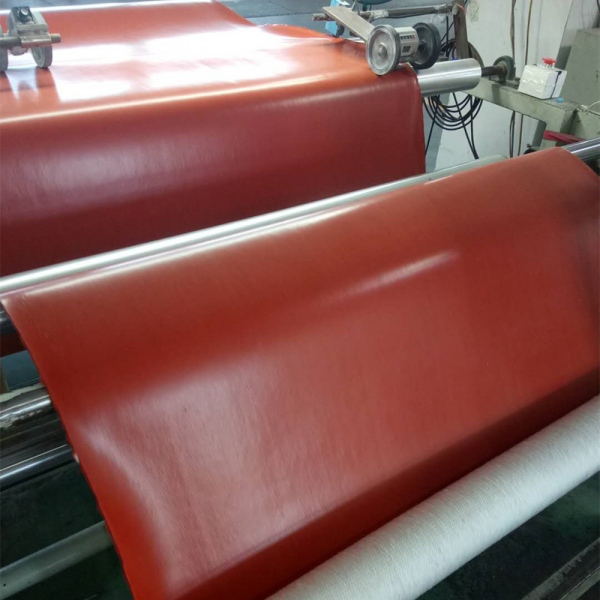
A formulated silicone rubber compound is then applied to the fiberglass substrate. Depending on the intended application, silicone may be applied to one side or both sides. The coated textile is subsequently cured so that the silicone forms a stable, flexible surface bonded to the fiberglass fabric.
The amount of coating can be adjusted according to required weight, flexibility, surface finish and environmental resistance. This is why two silicone coated fiberglass fabrics with a similar thickness may have different coating weights and different finished performance.
The fiberglass reinforcement is responsible for much of the material's structural and thermal performance.
Typical benefits include:
For applications where a coating is not required, an untreated or specially treated fiberglass textile may be more appropriate. Where substantially higher service temperatures are involved, high silica or ceramic fiber fabrics may be considered instead.
The silicone layer changes the surface behavior of the fiberglass cloth and makes it more suitable for many fabricated industrial products.
Depending on the silicone formulation and coating weight, the coating can improve:
This combination is one reason silicone coated fiberglass is commonly selected as the outer layer of removable thermal insulation systems and flexible industrial components.
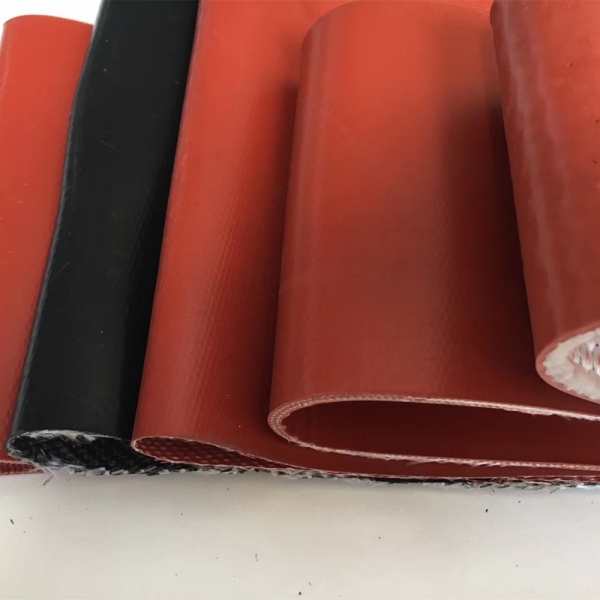
Silicone coated fiberglass fabric is commonly available with silicone applied to one surface or both surfaces. The correct construction depends on how the finished product will be used.
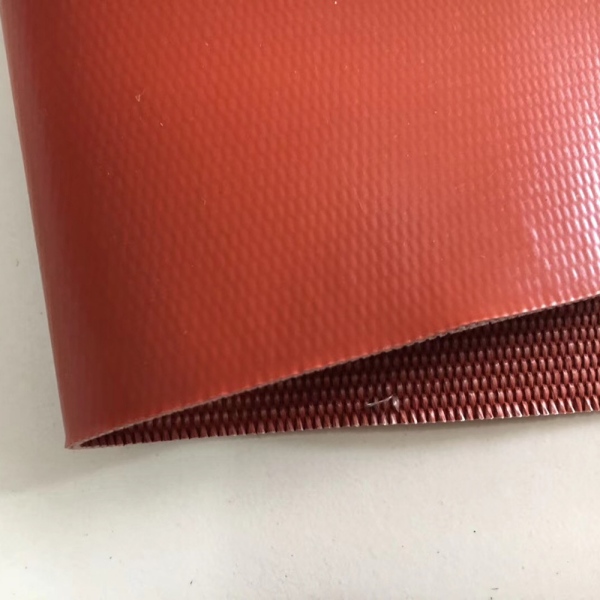
Single-side coated fabric has silicone rubber on one face while the opposite side retains more of the original fiberglass surface.
It may be selected when only one side requires improved resistance to moisture, abrasion or weather exposure. Single-side coating can also be useful when lower coating weight, lower overall weight or a specific bonding or fabrication requirement is important.
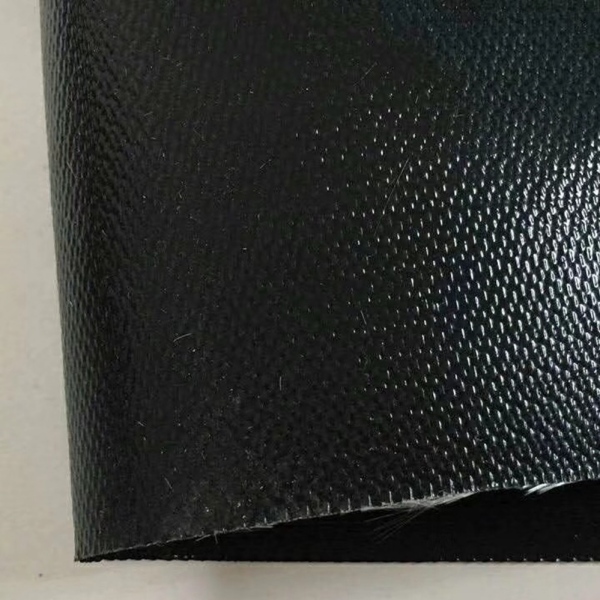
Double-side coated fabric has silicone on both surfaces. This provides a more uniform protective finish and is often preferred when both sides of the fabric may be exposed to moisture, handling, abrasion or process conditions.
Double-coated constructions are commonly used in removable insulation jackets, fabric expansion joints, industrial curtains, flexible connectors and other fabricated products where the textile is repeatedly handled or exposed from both sides.
Yes, but the temperature rating must be interpreted correctly.
The fiberglass substrate and the silicone rubber coating do not necessarily have the same temperature capability. Fiberglass itself can tolerate higher temperatures than many silicone coating formulations. Therefore, the practical service temperature of the finished coated textile is often determined by the silicone surface rather than by the glass fibers alone.
Published specifications in the industry vary considerably by coating chemistry, coating weight and fabric construction. Some commercial silicone coated fiberglass grades are specified around the mid-200°C range for continuous exposure, while other formulations may be designed for higher short-term temperatures.
For this reason, buyers should evaluate:
A higher fiberglass base temperature does not automatically mean the silicone coating should be exposed continuously to the same temperature.
The material is used across a wide range of industrial sectors because it combines heat resistance with flexibility and surface durability. Current commercial applications commonly include insulation systems, welding protection, flexible ducting components and fabric expansion joints.
One of the most important uses is as an outer jacketing material for removable insulation systems.
Typical equipment includes:
The silicone coated surface helps protect the insulation assembly from moisture, oil, abrasion and repeated removal and reinstallation.
For finished insulation assemblies, see BSTFLEX Removable Insulation Blankets .
Silicone coated fiberglass fabric is also widely used in fabric expansion joints, non-metallic expansion joints and flexible duct connectors.
In these systems, the fabric must remain flexible while accommodating thermal movement, vibration and duct displacement. Silicone coated fiberglass may serve as an outer weather-resistant layer, reinforcement layer or part of a multilayer expansion joint construction. Commercial expansion-joint systems commonly use silicone coated fiberglass for these functions.
See our Non-Metallic Fabric Expansion Joint for complete fabricated solutions.
Silicone coated fiberglass cloth can be used for welding blankets, curtains and protective barriers where sparks, grinding debris and moderate heat exposure are present.
The silicone surface improves abrasion resistance and handling compared with untreated fiberglass cloth. However, severe molten metal splash or higher direct heat may require vermiculite coated fiberglass, high silica fabric or another material selected specifically for that exposure.
View additional products in our Welding & Soldering Area Protection range.
Industrial valves and flanges often require insulation that can be removed for inspection or maintenance. Silicone fiberglass fabric is commonly used as the external layer of these covers because it provides a flexible and relatively durable surface.
This application is common in power generation, petrochemical processing, refineries, steam systems and industrial plants.
Flexible connectors installed between fans, ducts, blowers and industrial equipment must accommodate movement and vibration without relying on rigid metallic components.
Silicone coated fiberglass can provide the flexible textile layer in selected connector designs, particularly where elevated temperature, weather resistance or airflow containment must be considered.
The material may be converted into protective covers, curtains, shields and flexible barriers around machinery or process equipment.
Selection depends on whether the dominant exposure is radiant heat, hot air, direct surface contact or occasional flame.
Silicone coated fiberglass fabric can also be used for protective covers around equipment operating in hot, dirty or abrasive industrial environments.
The flexible coating helps resist routine handling and environmental exposure while the fiberglass substrate maintains dimensional strength.
| Property | Silicone Coated Fiberglass | Plain Fiberglass Fabric |
|---|---|---|
| Heat resistant fiberglass base | Yes | Yes |
| Moisture resistance | Improved by silicone coating | More limited |
| Surface abrasion resistance | Improved | Lower |
| Weather resistance | Better suited to exposed service | More application dependent |
| Oil and fluid resistance | Improved depending on formulation | Limited |
| Fabrication handling | Smooth, coated surface | Exposed glass weave |
| Maximum coated-surface temperature | Limited by silicone formulation | Primarily determined by fiberglass construction |
The coating therefore does not simply make the fiberglass "more heat resistant." Its main purpose is to add useful surface properties while retaining the structural advantages of the fiberglass textile.
These two materials are sometimes used in similar industrial sectors but are selected for different reasons.
Silicone coated fiberglass is typically chosen when flexibility, moisture resistance, abrasion resistance, weatherability and fabrication durability are important.
Vermiculite coated fiberglass is commonly considered where more severe heat, sparks, flame contact or welding exposure must be addressed.
For higher-temperature welding and furnace applications, see BSTFLEX Vermiculite Coated Fiberglass Fabric .
If the application temperature exceeds the practical service range of silicone coated fiberglass, high silica fabric may be more appropriate.
High silica textiles contain a much higher percentage of silica than standard E-glass fiberglass and are designed for sustained high-temperature environments such as furnace insulation, extreme welding protection and exhaust thermal management.
See BSTFLEX 96% High Temperature Silica Fabric for higher-temperature applications.
A suitable specification should be selected from the operating conditions rather than from thickness alone.
Identify both continuous and short-term temperatures and determine the actual temperature reaching the silicone-coated surface.
Consider whether both surfaces will experience moisture, abrasion, handling or process exposure.
Lightweight fabrics provide greater flexibility, while heavier fiberglass bases and higher coating weights may provide improved durability and mechanical strength.
Specify whether the textile will encounter oil, water, weather, UV exposure, chemicals, vibration or repeated flexing.
Material selected for a removable insulation jacket may differ from material selected for a welding curtain or expansion joint. The full assembly design should always be considered.
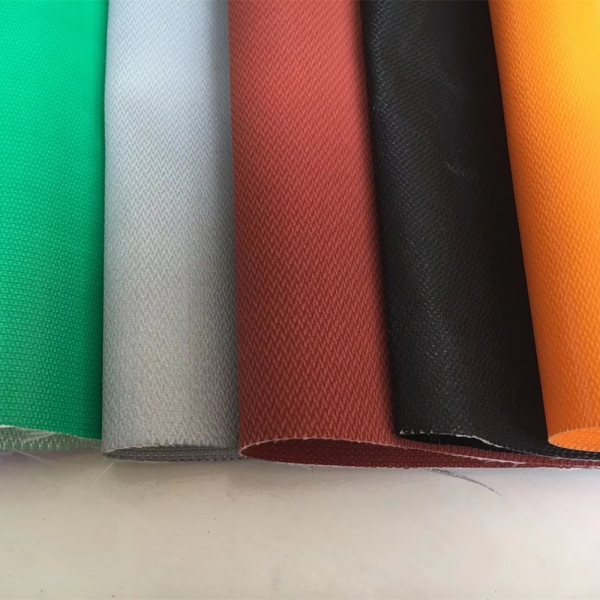
Yes. Industrial silicone coated fiberglass fabrics can be produced in different base cloth constructions, coating weights, thicknesses, widths and colors.
BSTFLEX can supply roll materials or support custom fabrication based on application requirements, drawings or samples.
For current product options, visit Silicone Coated Fiberglass Fabric for High Temperature Insulation .
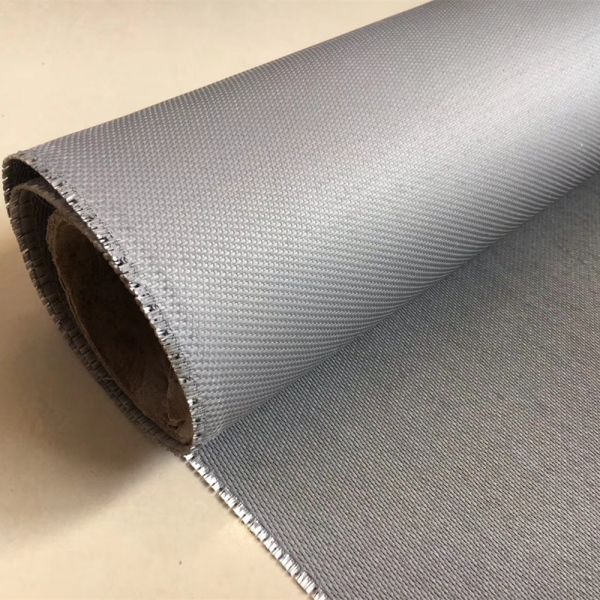
In most industrial applications, yes. Silicone coated fiberglass fabric, silicone fiberglass cloth and silicone coated fiberglass cloth are commonly used to describe woven fiberglass textiles coated with silicone rubber.
The silicone coating improves properties such as moisture resistance, abrasion resistance, weather resistance, flexibility and handling durability while retaining the strength and thermal stability of the fiberglass reinforcement.
Yes. Many grades can be cut and sewn into insulation jackets, blankets, curtains and protective covers. Sewing thread and seam construction should be chosen according to the final operating temperature and mechanical requirements.
Silicone coatings generally provide better weather, moisture, ozone and UV resistance than untreated fiberglass cloth, making suitable grades useful for outdoor industrial applications.
Only if the selected grade is rated for the actual temperature reaching the silicone coating. The fiberglass substrate can tolerate higher temperatures than many silicone compounds, so the coating temperature limit must always be considered.
Typical users include industrial insulation fabricators, power plants, petrochemical facilities, welding protection manufacturers, expansion joint manufacturers, HVAC and ducting companies, equipment manufacturers and OEM thermal protection suppliers.
Choosing the correct grade requires more than comparing thickness or maximum temperature.
For an accurate recommendation, provide the operating temperature, short-term peak temperature, required thickness or weight, coating side, roll width, quantity and final application.
View BSTFLEX Silicone Coated Fiberglass Fabric or contact BSTFLEX for samples, technical information and an OEM quotation.

 français
 Deutsch
 русский
 italiano
 español
 português
 Nederlands
 العربية
 日本語
日本語 한국의
한국의 Türkçe
 Polski
 Tiếng Việt
 slovenský
 Indonesia