français
 Deutsch
 русский
 italiano
 español
 português
 Nederlands
 العربية
 日本語
日本語 한국의
한국의 Türkçe
 Polski
 Tiếng Việt
 slovenský
 Indonesia



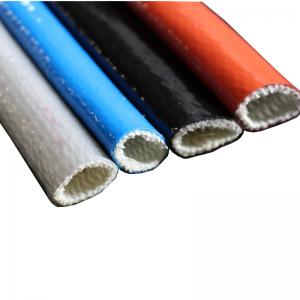
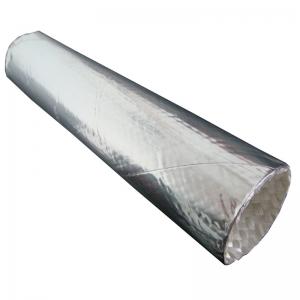
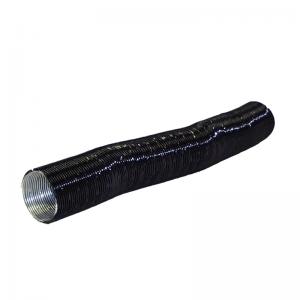
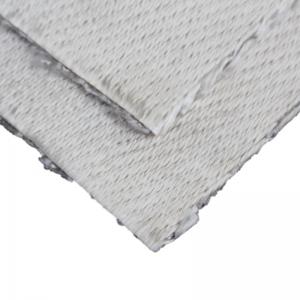
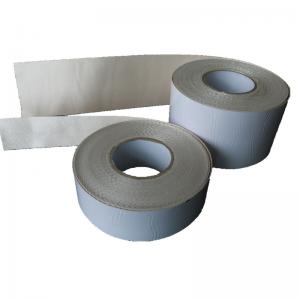
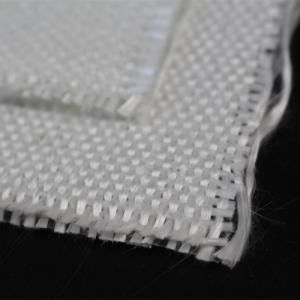
A replacement gasket can match the original outside dimensions and still change the way an industrial oven door closes. The difference may be inside the bulb rather than in the visible fiberglass cover.
A fiberglass tadpole gasket combines a fiberglass textile cover with a compressible sealing bulb and a flat mounting tail. However, the bulb does not necessarily contain fiberglass. It may use a fiberglass core, a stainless steel core or a hollow stainless steel construction, each offering a different starting point for compression and mechanical support.
For equipment manufacturers and maintenance teams, the practical question is not simply which gasket resists heat. It is which construction can maintain the required contact around the opening without overloading the door, damaging the cover or losing its useful compression range.
This guide compares three fiberglass-covered constructions within the BSTFLEX tadpole gasket and tadpole seal range and explains how to specify them for industrial service.
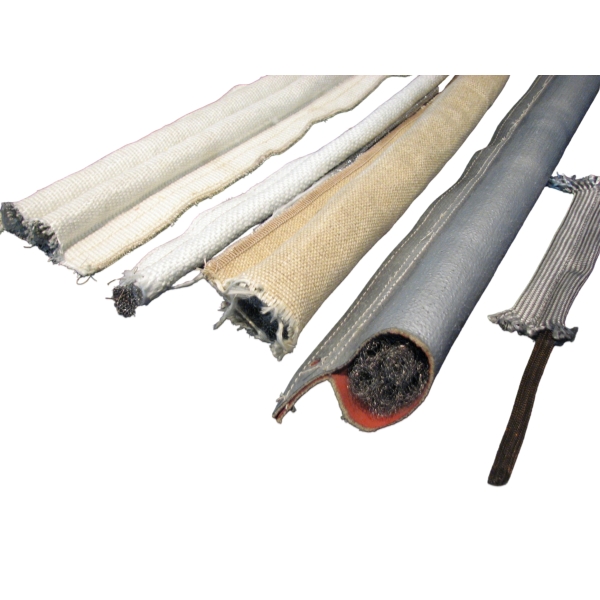
Three Core Types Beneath the Same Fiberglass Cover
The cover identifies the exposed textile. The core specification describes what supports the bulb. Keeping these two details separate makes it easier to compare products and avoid ordering a seal based on appearance alone.
| Core Type | Construction | Selection Focus | What to Confirm |
|---|---|---|---|
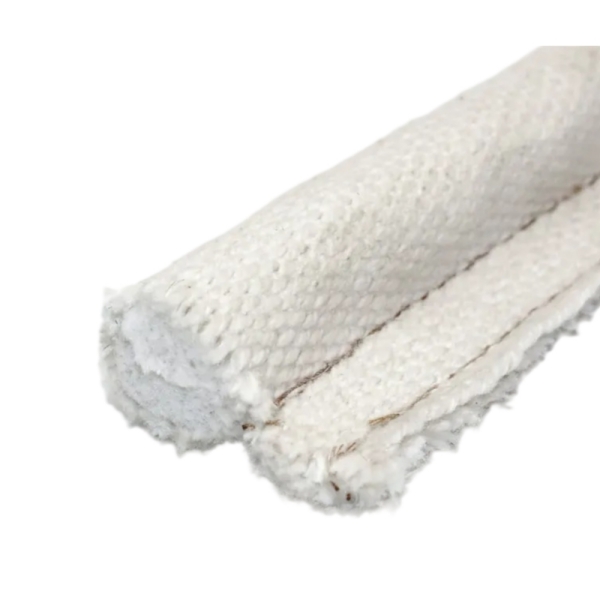
| Fiberglass core | Fiberglass material forms the internal bulb beneath the woven cover. | Flexible compression without a metallic core. | Core density, closing force and residual deformation after use. |
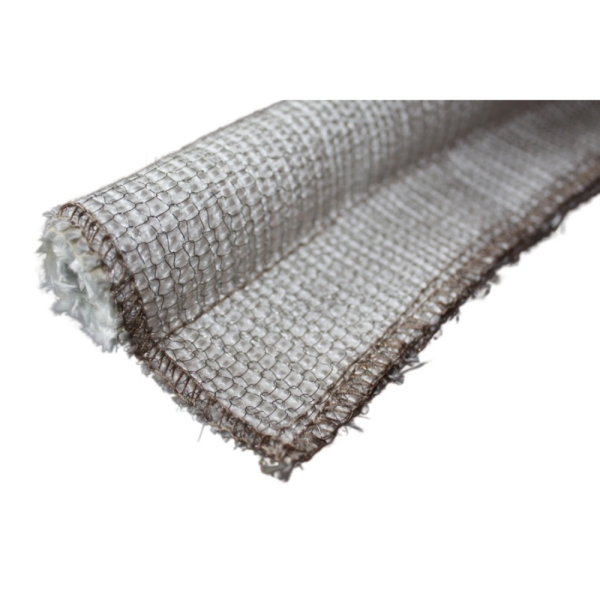
| Stainless steel core | A metallic internal structure supports the fiberglass-covered bulb. | Internal reinforcement and application-specific compression behavior. | Alloy, core geometry, wire construction and recovery under the intended load. |
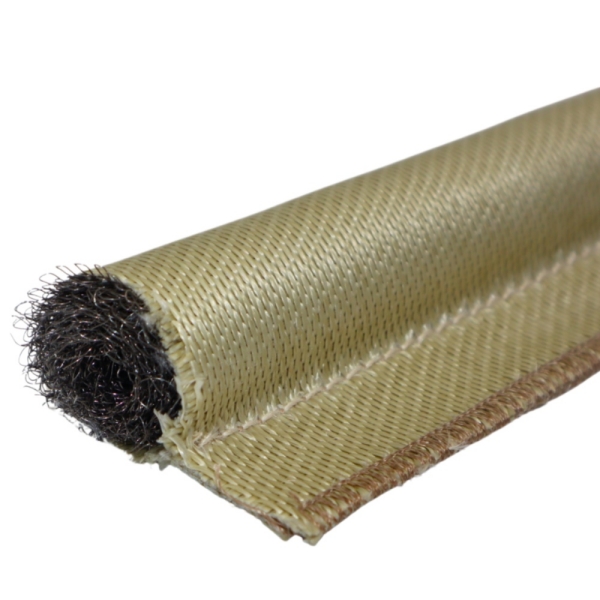
| Hollow stainless steel core | An open-center metallic structure sits inside the fiberglass cover. | Bulb deformation where available closing force and changing gaps are important. | Usable compression travel, mesh construction and resistance to permanent collapse. |
These descriptions are selection starting points, not a universal ranking of softness or service life. Core density, wire diameter, mesh construction, bulb size and cover tension can change the behavior of the finished gasket.
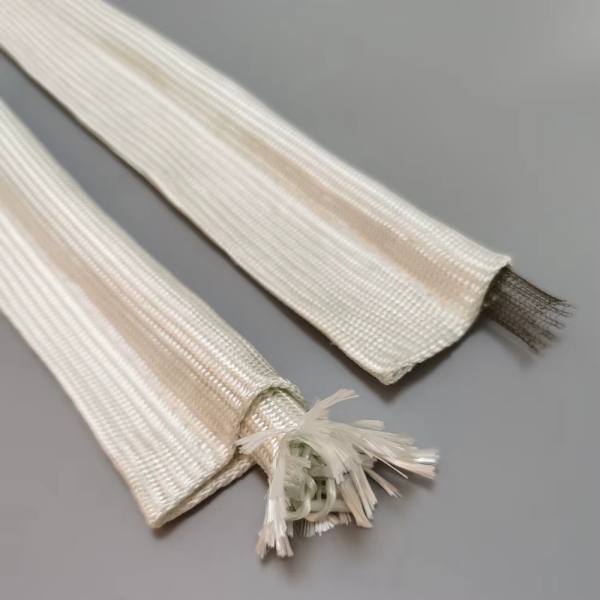
Fiberglass Core: A Non-Metallic Sealing Bulb
A fiberglass core uses fiber material rather than metallic reinforcement to build the body of the bulb. Compression occurs through deformation and rearrangement of the internal textile structure.
This construction is worth evaluating when a flexible, non-metallic core is preferred. Its firmness still depends on how the core is manufactured: two fiberglass cores with the same outside diameter need not require the same force to compress.
The Fiberglass Cover Fiberglass Core Tadpole Gasket provides this cover-and-core combination. For a replacement project, specify the required compression response as well as the dimensions.
Stainless Steel Core: Internal Metallic Support
A stainless steel core introduces metallic support inside the sealing bulb. In mesh constructions, the wire arrangement allows deformation while supporting the profile beneath the fiberglass fabric.
A Fiberglass Cover Stainless Steel Core Tadpole Gasket is a candidate for equipment where internal reinforcement is an important requirement. The core should be specified by construction, not just by the words “stainless steel.”
Do not assume that every stainless steel core has identical spring-back, closing force or durability. Request the alloy and core details, then evaluate the finished profile at the intended compressed height.
Hollow Stainless Steel Core: An Open-Center Structure
A hollow core is not simply an empty fabric bulb. In this construction, a stainless steel structure surrounds an open central area beneath the fiberglass cover.
That geometry provides space for the bulb to deform inward. It can be useful when a door has limited closing force or the gasket must accommodate variation around the sealing perimeter. Actual performance depends on the wire structure and the complete gasket profile.
The Fiberglass Cover Stainless Steel Hollow Core Tadpole Gasket is the relevant construction to review. Confirm its working compression range rather than assuming that a hollow bulb can be flattened indefinitely.
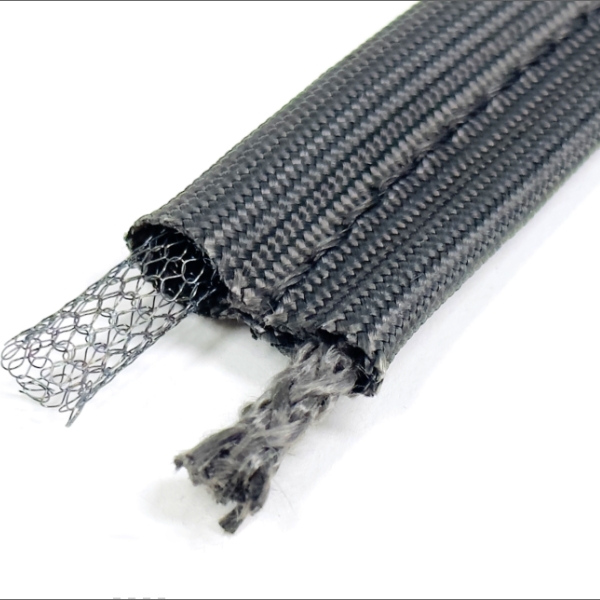
Core Material and Core Geometry Are Different Specifications
“Stainless steel” identifies a material family. “Hollow” identifies a structural feature. A gasket can therefore have both a stainless steel core and a hollow core at the same time.
Similarly, “solid mesh core” describes a mesh configuration rather than a rigid solid metal rod. Procurement drawings should identify the actual construction clearly enough that the manufacturer does not have to interpret an ambiguous description.
A useful specification combines the cover, core material, core geometry and profile dimensions. For example: woven fiberglass cover, stainless steel hollow mesh core, specified free bulb height, defined tail width and an agreed installed height.
Compression Percentage Does Not Tell You the Closing Force
Compression describes how much the bulb height is reduced. Closing force describes the load required to achieve that reduction. These are related, but they are not interchangeable.
For a bulb measured in the loading direction, nominal compression can be expressed as:
Nominal compression (%) = (free bulb height − installed bulb height) ÷ free bulb height × 100
For example, reducing a 16 mm free bulb height to an installed height of 12 mm gives 25% nominal compression. This is a dimensional example, not a recommended compression setting for every tadpole gasket.
Two gaskets compressed by the same percentage can require different loads. For an OEM design, ask for compression-load information where available, or evaluate samples in a fixture that represents the actual mounting and contact conditions.
Recovery matters as well. After unloading, the bulb may not return completely to its original height. The acceptable amount of residual deformation should be considered alongside the equipment's opening frequency and service temperature.
Industrial Applications: Start with the Equipment Requirement
Batch, Curing and Drying Oven Doors
For an industrial oven door gasket, begin with the closed gap and the available latch force. A seal that requires excessive compression load may prevent the door from reaching its intended position.
A fiberglass-core construction is one option to evaluate when a flexible non-metallic bulb is preferred. Where the design calls for metallic support, compare the stainless steel alternatives under the same installation conditions.
The selection should account for the full perimeter, including corners and the hinge side, rather than only a short straight sample.
Frequently Opened Access Doors
Inspection doors and production access panels place repeated mechanical demands on the seal. Evaluate how the bulb responds after repeated closure, whether the tail remains secured and whether the cover rubs against surrounding metal.
A stainless steel core can provide internal reinforcement, but it does not protect an exposed fiberglass cover from every source of abrasion. Check door alignment, contact edges and the direction of movement before treating core replacement as the complete solution.
Large Covers and Variable Sealing Gaps
On a large cover, the closed gap may differ from one location to another. A hollow-core profile is worth evaluating where the gasket needs a useful range of deformation without excessive closing load.
Measure both the smallest and largest gaps. The bulb must maintain contact at the widest location without being overcompressed at the tightest point. A larger diameter alone does not resolve that conflict.
Furnace Access Panels, Ducts and Dampers
For furnace access panels and heated duct equipment, establish the temperature at the gasket location. The process chamber temperature is not necessarily the same as the temperature experienced by the cover, stitching or core.
Duct and damper applications also require a defined leakage requirement and pressure differential. A fiberglass textile tadpole gasket should not be assumed to provide a gas-tight or pressure-rated seal simply because it is suitable for thermal perimeter sealing.
Where containment is safety-critical, the complete joint requires application-specific qualification.
Temperature Selection Applies to the Complete Gasket
A high temperature fiberglass gasket is an assembly, not just a piece of glass fabric. Its usable service conditions depend on the cover grade, fabric finish, core, stitching and any coating or attachment material.
Changing the core from fiberglass to stainless steel does not automatically increase the temperature capability of the outer cover. Likewise, a heat-resistant core cannot compensate for an unsuitable coating or sewing construction.
Specify continuous temperature, peak temperature and peak duration separately. Also identify whether the gasket sees hot airflow, contact with heated metal, radiant heat or direct flame exposure.
Where fiberglass is unsuitable, review alternative cover-and-core combinations in the high temperature tadpole seal collection. Select the replacement construction as a complete system rather than changing one component in isolation.
Fiberglass Tadpole Gasket Tape, Flat Tape and Rope Are Not Identical
The term fiberglass tadpole gasket tape refers to a bulb-and-tail sealing profile. It should not be confused with a flat fiberglass strip or a separate fiberglass rope.
Flat tape provides a relatively uniform section across its width. Rope provides a sealing body without an integrated mounting tail. A tadpole profile separates the bulb's contact function from the tail's retention function.
These products can use related materials, but their mounting arrangements and available compression differ. Replacing one form with another requires checking the joint geometry, not merely matching the nominal width.
Measure the Joint Before Copying a Worn Gasket
An old gasket is useful evidence, but it may no longer represent the original profile. Permanent compression, stretched fabric and damaged corners can make a used sample misleading.
Supply the sample together with equipment measurements. A cross-sectional sketch should distinguish the free bulb dimensions, tail width and overall width.
| Information to Record | Why It Matters |
|---|---|
| Free bulb height and width | Defines the uncompressed sealing profile, including oval or non-round sections. |
| Closed gap around the perimeter | Identifies the required installed height and variation between locations. |
| Tail width, thickness and mounting position | Determines fit beneath the retaining strip or other attachment system. |
| Core material and construction | Distinguishes fiber, reinforced mesh and hollow metallic designs. |
| Corners, joints and total length | Defines the finished sealing path rather than only a straight cross-section. |
| Temperature, movement and exposure | Provides the operating conditions needed to review the complete assembly. |
When stating tail width, mark the measurement endpoints on the drawing. This avoids confusion between the exposed mounting tail and the overall profile width.
Qualify the Profile Before a Production Order
For a new OEM design or a change of core construction, use a sample approval process before committing to production quantities. The following checks provide a practical starting point; acceptance limits should come from the equipment requirements.
Fit and closure: Mount the sample with the intended retaining method. Confirm that the bulb meets the mating surface, the door closes correctly and the tail does not interfere with the joint.
Compression and recovery: Evaluate the profile at the intended installed height. Check closing effort, residual deformation and behavior after representative opening cycles.
Thermal exposure: Evaluate the complete construction under representative service conditions. Inspect the cover, stitching, core and retention after exposure.
Joint performance: Check the agreed leakage or thermal-performance requirement using a suitable equipment test. Visual contact alone does not demonstrate every sealing requirement.
Frequently Asked Questions
Does a fiberglass tadpole gasket always have a fiberglass core?
No. Fiberglass can describe the outer cover while the bulb contains fiberglass, stainless steel or another specified core. State both cover and core when ordering.
Is a hollow-core gasket always softer than a fiberglass-core gasket?
No universal comparison applies. Hollow geometry provides space for deformation, but wire construction, fiber density, bulb dimensions and cover tension influence the actual compression load. Compare finished samples or relevant test data.
Does a stainless steel core make the outside surface more abrasion-resistant?
The core provides internal support. The fiberglass cover remains the exposed contact surface unless an additional protective layer is specified. Surface rubbing should be addressed through cover selection and equipment geometry.
Can the same profile be used for oven doors and furnace doors?
Possibly, but the equipment name is not enough to establish suitability. Compare the actual gasket temperature, gap, closing force, movement, atmosphere and sealing requirement.
What is needed for a custom fiberglass tadpole gasket quotation?
Provide a cross-sectional drawing or sample, free bulb dimensions, tail dimensions, required length, quantity, closed gap and operating conditions. Include the existing core specification whenever it is known.
Specify a Fiberglass Tadpole Gasket with BSTFLEX
BSTFLEX manufactures fiberglass-covered tadpole gaskets with different internal constructions for OEM and replacement projects. Bulb dimensions, mounting tails and finished lengths can be developed around drawings, samples and equipment requirements.
Start with the fiberglass-core construction for a non-metallic bulb, review the stainless steel-core construction for internal metallic support, or evaluate the hollow stainless steel-core construction where its open-center geometry suits the required compression.
Send BSTFLEX your gasket drawing and application details for a quotation. Include the required quantity, service temperature, closed gap and mounting arrangement so the proposal can address the complete sealing assembly.