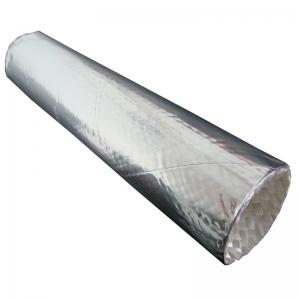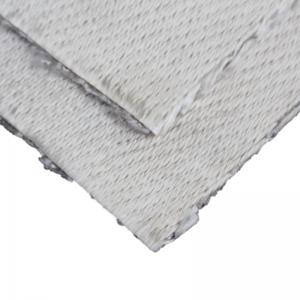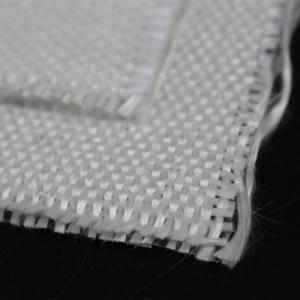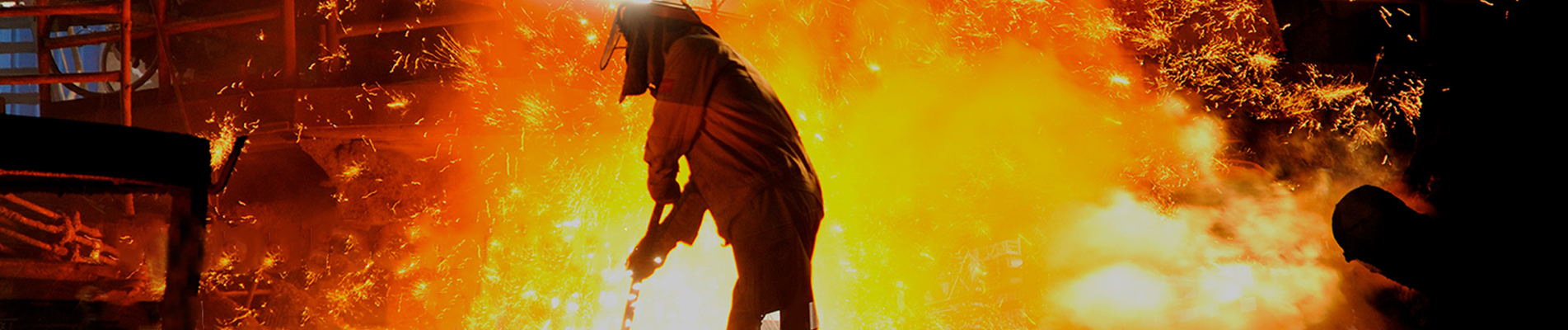
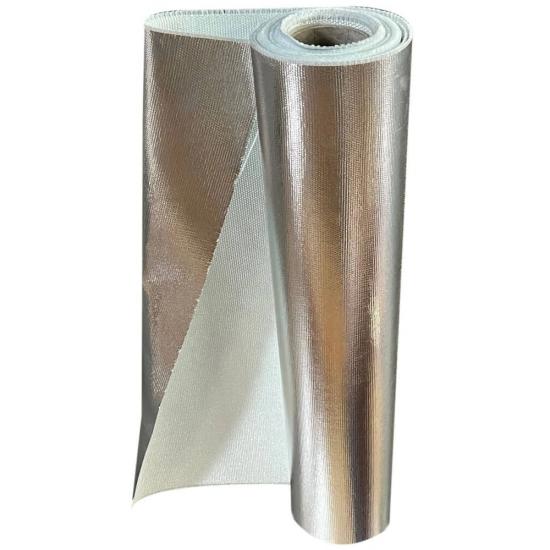
BSTFLEX Aluminized Fiberglass Welding Blanket Roll combines a reflective aluminum foil facing with woven fiberglass fabric for radiant heat protection in welding, cutting, fabrication and industrial hot-work environments. Supplied in continuous rolls for converters, welding blanket manufacturers, distributors and OEM buyers, the material is available in multiple fiberglass constructions, weights and thicknesses, with cut-to-length and finished welding blanket fabrication also available.
order(moq):
1BSTFLEX Aluminized Fiberglass Welding Blanket Roll combines a reflective aluminum foil facing with woven fiberglass fabric to create a flexible heat-reflective material for welding, cutting, fabrication and industrial hot-work protection.
Unlike a conventional welding fabric that relies mainly on fiber temperature resistance, an aluminized construction is selected primarily when radiant heat reflection is an important part of the protection requirement.
The material is supplied in continuous rolls for welding blanket manufacturers, industrial textile converters, distributors and OEM buyers that perform their own cutting, sewing or fabrication.
BSTFLEX can also convert the same material family into cut panels, heat-reflective welding curtains and finished Aluminized Fiberglass Welding Blankets.
An aluminized fiberglass welding blanket roll consists of a woven fiberglass textile laminated with a reflective aluminum foil or metallic surface.
The two layers perform different functions:
The material is supplied as roll goods rather than as a finished blanket, allowing converters to manufacture different dimensions and protective products from the same roll.
The main reason to specify aluminized fiberglass is not simply that it contains fiberglass.
Its principal advantage is the reflective surface.
BSTFLEX aluminum foil fiberglass fabric is designed to reflect a high proportion of incident radiant heat, making it useful where welding operations, furnaces, hot machinery or heated metal surfaces create significant thermal radiation.
Typical situations include:
One of the most important points when specifying aluminized welding material is that the reflective surface and fiberglass substrate should not be treated as if they have the same temperature capability.
The aluminum foil, bonding system and fiberglass fabric form a composite material.
The fiberglass base may tolerate greater thermal exposure than the laminated reflective surface, but this does not mean the complete composite roll should automatically be rated at the maximum fiberglass temperature.
For continuous industrial use, always specify the actual:
This allows the complete laminated construction to be evaluated rather than selecting the material from a fiber temperature number alone.
BSTFLEX manufactures aluminized fiberglass fabrics using both filament fiberglass and texturized fiberglass base cloths.
| Fiberglass Construction | Approx. Weight | Approx. Thickness | Typical Width | Typical Roll Length |
|---|---|---|---|---|
| Filament Fiberglass | 230 g/m² | 0.20 mm | 100 cm / 40 in | Up to approx. 100 m |
| Filament Fiberglass | 480 g/m² | 0.43 mm | 100 cm / 40 in | Approx. 50 m |
| Filament Fiberglass | 660 g/m² | 0.60 mm | 100 cm / 40 in | Approx. 50 m |
| Filament Fiberglass | 900 g/m² | 0.80 mm | 100 cm / 40 in | Approx. 50 m |
| Texturized Fiberglass | 650 g/m² | 0.80 mm | 100 cm / 40 in | Approx. 50 m |
| Texturized Fiberglass | 850 g/m² | 1.00 mm | 100 cm / 40 in | Approx. 50 m |
| Texturized Fiberglass | 1050 g/m² | 1.50 mm | 100 cm / 40 in | Approx. 50 m |
| Texturized Fiberglass | 1350 g/m² | 2.00 mm | 100 cm / 40 in | Approx. 50 m |
| Texturized Fiberglass | 1650 g/m² | 2.50 mm | 100 cm / 40 in | Approx. 50 m |
| Texturized Fiberglass | 1850 g/m² | 3.00 mm | 100 cm / 40 in | Approx. 50 m |
These are existing BSTFLEX aluminized fiberglass fabric constructions. Final weight, thickness, usable width and roll length should be confirmed for the exact material quoted.
| Property | Typical Specification |
|---|---|
| Base Material | Filament or texturized fiberglass fabric |
| Reflective Surface | Aluminum foil / aluminized facing |
| Typical Composite Working Range | Approx. -40°C to +260°C for existing aluminum foil laminated fiberglass constructions |
| Fiberglass Melting Point Reference | Approx. +550°C |
| Available Thickness Range | Approx. 0.20 mm to 3.00 mm |
| Typical Width | Approx. 100 cm / 40 in |
| Typical Roll Length | Approx. 50 m, with selected lightweight constructions available in longer rolls |
| Standard Surface Appearance | Silver reflective face |
| Supply Form | Full rolls, cut lengths, cut panels or finished welding blankets |
The complete laminate working limit may be lower than the thermal capability of the fiberglass substrate. Always use the specified complete-material data for the exact construction being purchased.
BSTFLEX aluminized welding fabric can be built on different fiberglass textile structures.
Filament fiberglass constructions are generally thinner and more compact.
They can be useful where buyers require:
Texturized fiberglass uses bulked yarns and is available in heavier and thicker constructions.
It should be evaluated where the buyer requires:
The correct choice depends on the final product and exposure conditions rather than simply choosing the heaviest available fabric.
Radiant heat transfers energy through electromagnetic radiation without requiring direct contact between the hot source and the protected object.
A bright metallic surface can reflect a substantial portion of this incident radiation rather than absorbing all of it into the textile.
This is why aluminized fabrics are commonly used where the dominant thermal problem is:
The effectiveness of the reflective surface depends on installation, surface condition, distance from the heat source and whether the aluminum face remains exposed toward the radiation source.
For radiant heat protection, the aluminum-facing side should normally face the radiant heat source.
This allows the metallic surface to perform its intended reflective function.
The fiberglass side provides the supporting textile structure behind the reflective layer.
Installation drawings should identify the orientation where the finished product is not obvious to the installer.
Aluminized fiberglass should not automatically be selected as the first choice for continuous direct contact with heavy slag or large molten-metal particles.
The reflective aluminum surface is primarily designed for radiant heat control.
Direct hot particles can:
If significant welding slag or molten-metal contact is expected, the buyer should provide details of the process so that silica, vermiculite treated fiberglass or another heavy-duty welding fabric can also be evaluated.
One of the most practical uses for aluminized fiberglass roll material is fabrication of heat-reflective welding curtains.
The roll material can be cut and sewn into vertical barriers positioned between a welding operation and:
The reflective surface should face the principal source of radiant heat.
Aluminized fiberglass roll goods can also be converted into temporary or reusable protection around industrial equipment.
Applications can include:
Where the material will wrap tightly around a hot component, direct-contact temperature must be reviewed separately from radiant heat exposure.
| Selection Factor | Plain Fiberglass Roll | Aluminized Fiberglass Roll |
|---|---|---|
| Main Function | General spark and heat protection | Radiant heat reflection plus fiberglass support |
| Surface | Exposed fiberglass weave | Reflective metallic facing |
| Radiant Heat Control | Relies mainly on textile insulation | Reflective surface reduces absorbed radiant energy |
| Typical Position | General welding barriers | Facing strong radiant heat sources |
| Cost | Generally lower | Additional laminated layer increases processing |
For economical uncoated welding protection, compare the Heat Cleaned Fiberglass Welding Blanket Roll.
These two materials are designed for different priorities.
Acrylic coating primarily improves the handling, abrasion resistance and surface stability of fiberglass fabric.
Aluminized fiberglass primarily adds a heat-reflective metallic surface.
| Buyer Priority | Material to Evaluate |
|---|---|
| General surface durability | Acrylic coated fiberglass |
| Reduced fiber shedding | Acrylic coated fiberglass |
| Radiant heat reflection | Aluminized fiberglass |
| Heat-reflective curtain | Aluminized fiberglass |
For coated general welding protection, see the Acrylic Coated Fiberglass Welding Blanket Roll.
Vermiculite treatment and aluminum facing solve different thermal problems.
Vermiculite coated fiberglass is selected when buyers need a mineral-treated surface for demanding hot-work, sparks, spatter and elevated thermal exposure.
Aluminized fiberglass is selected when radiant heat reflection is the primary requirement.
| Exposure | Material to Evaluate First |
|---|---|
| Strong Radiant Heat | Aluminized fiberglass |
| General Sparks | Fiberglass or treated fiberglass |
| More Demanding Spatter Exposure | Vermiculite treated fiberglass or suitable high-temperature material |
| Hot-Work Barrier with Radiant Heat | Aluminized fiberglass |
For more demanding mineral-treated welding protection, compare the Vermiculite Coated Fiberglass Welding Blanket Roll.
Silica and aluminized fiberglass also serve different selection priorities.
Silica is generally selected when sustained high-temperature textile capability is the primary requirement.
Aluminized fiberglass is selected when reflecting radiant heat is the main goal.
For some applications, buyers may also evaluate an aluminized silica construction where both higher-temperature textile performance and radiant heat reflection are required.
BSTFLEX offers aluminized fiberglass constructions from relatively thin filament fabrics to heavy texturized fabrics.
Select thickness according to:
Do not select the 3.0 mm construction automatically when a lighter 0.43 mm or 0.8 mm material already satisfies the application.
Existing BSTFLEX aluminized fiberglass constructions are commonly produced at approximately 100 cm / 40 in width.
Fabricators should therefore plan how this raw width relates to the finished product.
For large welding blankets or heat shields, several material panels may need to be joined.
When preparing a production plan, consider:
| Supply Format | Description | Typical Buyer |
|---|---|---|
| Full Roll | Continuous aluminized fiberglass material | Converters, distributors and welding blanket manufacturers |
| Cut-to-Length | Continuous fabric cut to an agreed length | Project-based fabricators |
| Cut Panels | Material cut to specified dimensions without full finished fabrication | Customers performing their own sewing or installation |
| Finished Welding Blanket | Cut, sewn and finished reflective blanket | End users and finished-product distributors |
For complete fabricated products, see the BSTFLEX Aluminized Fiberglass Welding Blanket.
Standard aluminized fiberglass roll material is supplied as raw fabrication material.
Unless specifically ordered, it normally does not include:
These features can be added when BSTFLEX converts the roll material into a finished welding blanket, welding curtain or custom heat shield.
Continuous roll supply gives converters greater flexibility than purchasing only finished blankets.
The same aluminized material can be converted into:
For repetitive production, provide finished product drawings so roll consumption, seam locations and panel layout can be reviewed before ordering bulk material.
Distributors can use aluminized fiberglass roll goods to serve fabrication customers while offering completed reflective welding blankets to end users.
A B2B product program can include:
BSTFLEX supports custom supply for welding safety distributors, industrial fabricators and OEM buyers.
Available options can include:
Availability should be confirmed against the exact construction and production quantity.
For applications beyond welding protection, buyers can also review the base Aluminum Foil Fiberglass Fabric.
The material is also used for industrial insulation covers, heat shields, thermal barriers and fabricated protective components.
This welding blanket roll page specifically targets applications where the material is purchased for welding, cutting and hot-work protection.
Radiant heat protection and direct-contact insulation should not be treated as the same requirement.
An aluminized surface performs best when it has a clear line of sight toward a radiant heat source.
If the material is pressed directly against a hot object, heat transfer occurs mainly through conduction rather than radiation.
In direct-contact applications, buyers should provide the hot-surface temperature and expected contact duration so the complete composite can be evaluated.
The performance of an aluminized surface depends partly on its ability to remain reflective.
Heavy contamination, oxidation, surface damage or accumulated deposits can reduce reflectivity.
Reusable fabricated blankets and curtains should therefore be inspected periodically for:
Replace the protective component when damage prevents it from performing its intended heat-reflective function.
| RFQ Item | Information to Provide |
|---|---|
| Application | Welding curtain, blanket, radiant heat shield, equipment cover or other hot-work use |
| Heat Type | Radiant heat, direct contact, sparks, spatter or combination |
| Operating Temperature | Normal air or surface temperature where known |
| Peak Exposure | Maximum short-duration temperature where known |
| Fiberglass Construction | Filament or texturized if already specified |
| Fabric Weight | Required g/m² or oz/yd² |
| Thickness | Required thickness or acceptable range |
| Usable Width | Required roll width |
| Roll Length | Required continuous length |
| Quantity | Number of rolls or total area |
| Supply Format | Full rolls, cut lengths, panels or finished blankets |
| OEM Requirements | Labels, packaging and repeat-production requirements |
It is woven fiberglass fabric with a reflective aluminum facing supplied in continuous roll form for fabrication into welding blankets, curtains, radiant heat shields and other hot-work protective products.
Its principal advantage is radiant heat reflection. The metallic surface reflects radiant thermal energy while the fiberglass substrate provides flexible textile reinforcement.
For radiant heat protection, the reflective aluminum-facing side should normally face the radiant heat source.
Existing BSTFLEX aluminized fiberglass constructions range from approximately 0.20 mm to 3.00 mm depending on the selected filament or texturized fiberglass substrate.
Existing constructions are commonly produced at approximately 100 cm / 40 in usable width. Confirm the exact material before ordering.
Most existing constructions are supplied in approximately 50 m rolls. Selected lightweight constructions can be supplied in longer rolls. Custom requirements can be reviewed according to production capability.
The aluminized surface is primarily intended for radiant heat reflection. Where significant slag or molten-metal contact is expected, provide the actual process details so a more suitable heavy-duty welding material can also be evaluated.
No. The aluminum facing, bonding system and fiberglass substrate form a composite and may have different thermal limits. Use the complete-material specification for the selected construction rather than applying the fiberglass temperature directly to the laminated surface.
Yes. Full-roll supply is intended for welding blanket manufacturers, industrial converters, fabricators and distributors.
Yes. Full rolls, selected cut lengths, cut panels and finished fabrication can be discussed according to project requirements.
Yes. BSTFLEX also manufactures finished Aluminized Fiberglass Welding Blankets and custom reflective protective products.
No, not as standard roll goods. Grommets, hems, reinforced edges and other attachment features belong to the finished fabrication specification.
Send BSTFLEX your required fabric construction, weight, thickness, usable width, roll length, quantity and intended application.
If the material has not yet been selected, provide the radiant heat source, approximate operating temperature, distance from the heat source, direct-contact conditions, welding or cutting process and the type of finished protection you plan to manufacture.
For OEM and repeat-production projects, finished-product drawings can help determine a suitable fabric thickness, roll quantity, seam layout and fabrication method.
BSTFLEX can supply full rolls, cut-to-length material, cut panels and finished heat-reflective welding blankets for industrial distributors, converters and OEM buyers.
View Welding Blanket Rolls & Roll Goods, the related Aluminum Foil Fiberglass Fabric, the finished Aluminized Fiberglass Welding Blanket, or browse the complete Welding & Soldering Area Protection range.
If you have questions or suggestions, please leave us a message,we will reply you as soon as we can!


 français
 Deutsch
 русский
 italiano
 español
 português
 Nederlands
 العربية
 日本語
 한국의
 Türkçe
 Polski
 Tiếng Việt
 slovenský
 Indonesia