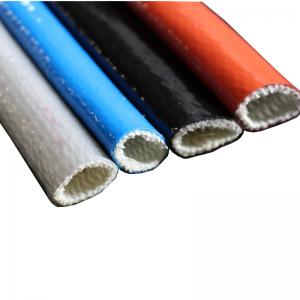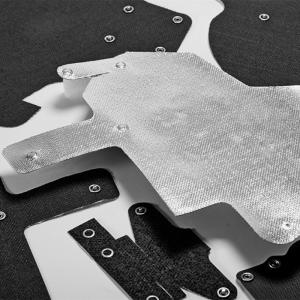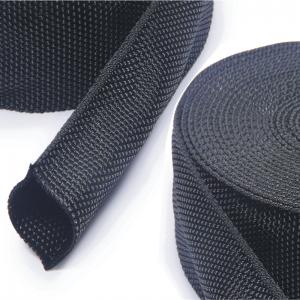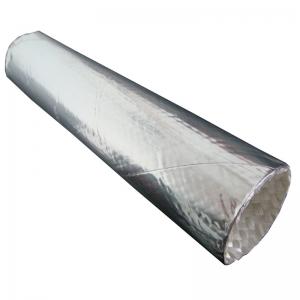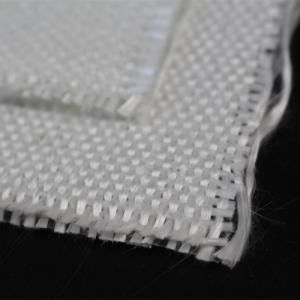
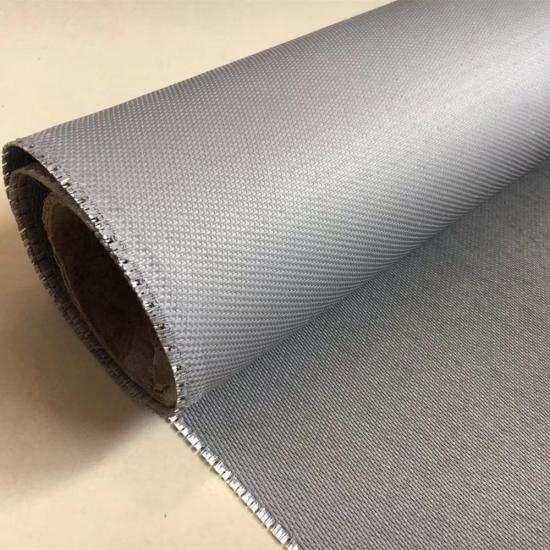
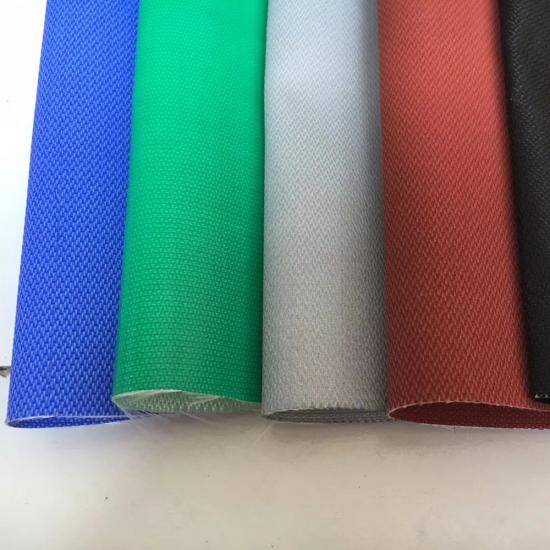
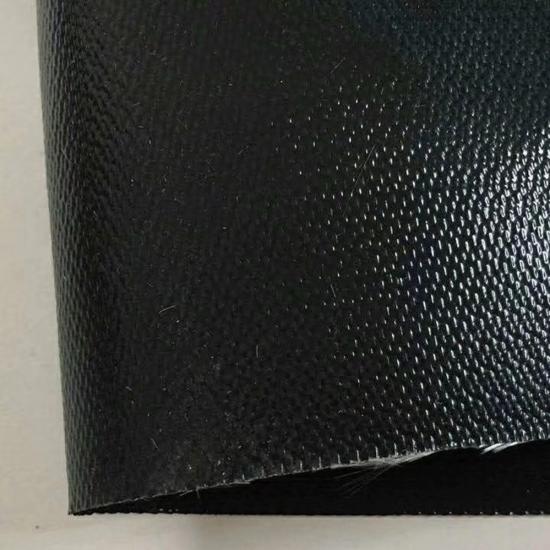
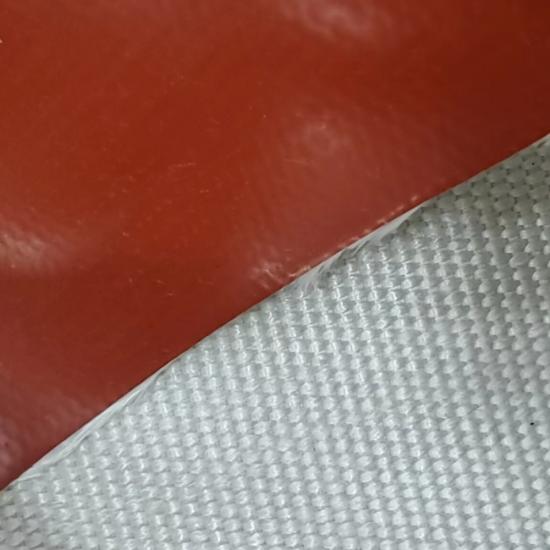
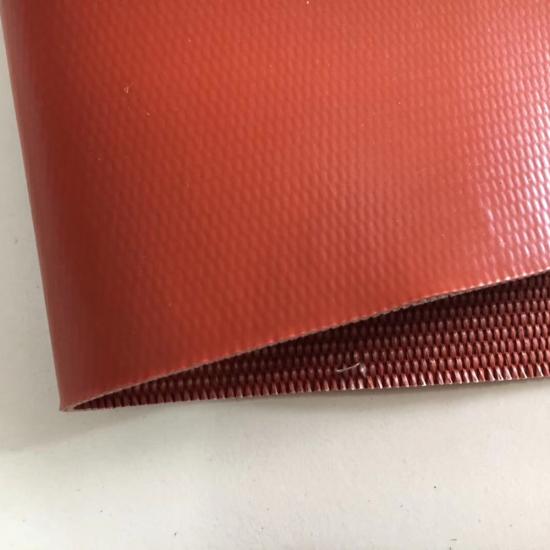
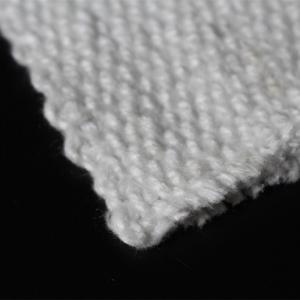
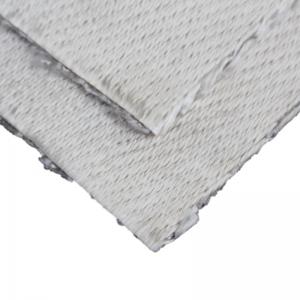
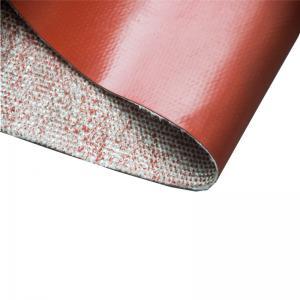
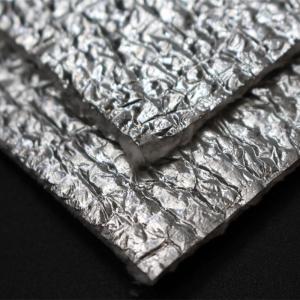
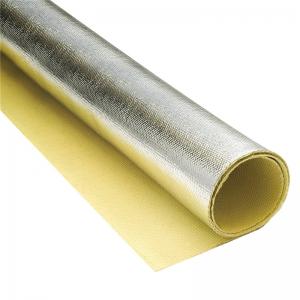
BSTFLEX Silicone Coated Fiberglass Fabric is a flexible high-temperature textile made from woven fiberglass fabric coated with silicone rubber on one or both sides. It combines the thermal stability and dimensional strength of fiberglass with improved abrasion resistance, moisture resistance, oil resistance and weather durability.
The fabric is widely used for removable insulation jackets, valve and flange covers, welding blankets, expansion joints, flexible connectors, thermal barriers and industrial equipment protection. Single-side and double-side coatings, different fabric weights, thicknesses, widths and colors can be supplied for OEM and custom applications.
order(moq):
1
BSTFLEX Silicone Coated Fiberglass Fabric is an industrial heat resistant textile made from woven E-glass fiberglass fabric coated with specially formulated silicone rubber on one or both sides. The fiberglass substrate provides thermal stability, dimensional strength and flame resistance, while the silicone coating improves flexibility, abrasion resistance, moisture resistance, oil resistance and outdoor durability.
Designed for industrial fabrication and OEM thermal protection systems, silicone coated fiberglass cloth is widely used for removable insulation jackets, valve and flange covers, welding protection, expansion joints, flexible connectors, equipment covers and high temperature barriers.
BSTFLEX supplies silicone fiberglass fabric in different base fabric weights, coating levels, thicknesses, widths and colors. Single-side and double-side silicone coatings can be produced according to the required application.
Silicone coated fiberglass fabric combines a woven fiberglass reinforcement with a flexible silicone rubber surface. These two materials perform different functions.
The fiberglass fabric provides the structural strength and high-temperature base, while the silicone rubber coating improves handling, flex resistance, water resistance, weather resistance and resistance to many industrial fluids.
Compared with untreated fiberglass cloth, the coated material is easier to cut, sew and fabricate into finished thermal protection components while providing a smoother and more durable outer surface.
The temperature capability of silicone coated fiberglass fabric depends on both the fiberglass base cloth and the silicone coating formulation.
| Component | Typical Performance |
|---|---|
| E-glass fiberglass base fabric | Up to 550°C depending on fabric construction |
| BSTFLEX silicone coated construction | Up to 300°C continuous depending on specification |
| Short-term exposure | Up to 350°C depending on exposure conditions and grade |
The fiberglass substrate and silicone coating should not be treated as having the same temperature rating. Actual service performance depends on coating formulation, coating weight, exposure duration, radiant heat intensity, airflow, mechanical loading and the temperature reaching the coated surface.
For applications operating beyond the practical range of silicone coated fiberglass, BSTFLEX can also recommend 96% High Temperature Silica Fabric or Vermiculite Coated Fiberglass Fabric.
A single silicone coated surface is suitable when one side of the fabric requires improved resistance to moisture, abrasion, weathering or industrial fluids while the opposite fiberglass surface remains exposed.
This construction may also be selected when coating weight, flexibility or fabrication cost needs to be optimized.
Double-side silicone coated fiberglass cloth provides a silicone surface on both sides of the base fabric. It is commonly selected for fabricated products that may be exposed from either direction or where improved handling, moisture resistance and durability are required throughout the finished component.
Silicone coated fiberglass fabric is widely used as an outer jacketing material for removable thermal insulation systems installed on valves, flanges, pipes, pumps, turbines and process equipment.
The flexible coated surface provides good handling characteristics and helps protect the insulation system against moisture, oil, abrasion and repeated installation and removal.
See our Removable Insulation Blankets for complete fabricated insulation solutions.
The flexibility, dimensional stability and environmental resistance of silicone coated fiberglass make it suitable for selected layers in non-metallic expansion joints, duct connectors, bellows and flexible industrial connections.
Material selection must consider movement, gas temperature, pressure, chemical environment and the position of the coated fabric within the complete expansion joint construction.
For fabricated systems, see our Non-Metallic Fabric Expansion Joint.
Silicone coated fiberglass cloth can be fabricated into welding curtains, protective blankets and spark barriers where flexibility, abrasion resistance and surface durability are required.
The required fabric construction should be selected according to spark exposure, molten metal splash, direct flame conditions and working temperature.
View additional materials in our Welding & Soldering Area Protection range.
Silicone fiberglass fabric is commonly used as an outer protective layer for removable valve covers, flange covers and pipe insulation jackets in power generation, petrochemical processing, refineries and industrial plants.
Additional applications include machinery covers, thermal barriers, equipment protection, fire curtains, high temperature ducting systems and custom fabricated heat resistant components.
BSTFLEX manufactures silicone coated fiberglass fabric for industrial distributors, insulation fabricators, equipment manufacturers and OEM customers.
| Option | Available Configuration |
|---|---|
| Base material | Woven E-glass fiberglass fabric |
| Coating | Silicone rubber |
| Coating sides | Single side or double side |
| Color | Grey, red, black and custom colors subject to specification |
| Fabric weight | Multiple base fabric and finished weights available |
| Thickness | Selected according to base fabric and coating weight |
| Width | Standard and custom widths available |
| Supply form | Rolls, cut pieces or fabricated components |
| Customization | OEM and application-specific specifications available |
| Property | Silicone Coated Fiberglass | Uncoated Fiberglass |
|---|---|---|
| Surface flexibility | Excellent | Good |
| Water resistance | Improved | Limited |
| Oil resistance | Improved | Limited |
| Abrasion resistance | Improved | Lower |
| Outdoor weather resistance | Good | Lower |
| Ease of fabricated handling | Good | Depends on fabric construction |
| Maximum heat capability | Usually limited by silicone coating | Determined primarily by fiberglass construction |
For an accurate material recommendation, determine the actual conditions of the finished application rather than selecting a fabric only by thickness or maximum temperature.
BSTFLEX manufactures and supplies silicone coated fiberglass fabric for industrial insulation companies, welding protection manufacturers, expansion joint fabricators, equipment manufacturers and OEM thermal management projects.
In addition to standard roll materials, BSTFLEX can support custom fabric specifications and fabricated products based on drawings, samples or operating requirements.
For projects requiring different substrate weights, coating quantities, widths, colors or finished components, contact BSTFLEX with your technical requirements for material selection and quotation.
It is commonly used for removable insulation jackets, valve and flange covers, welding protection, expansion joints, flexible connectors, thermal barriers and industrial equipment covers.
The terms are commonly used for the same type of material. Both normally describe woven fiberglass fabric coated or impregnated with silicone rubber on one or both sides.
Yes. It is widely used as an outer jacketing material because it combines flexibility with resistance to moisture, abrasion, oil and environmental aging. The complete insulation jacket must still be designed according to the actual hot-side temperature.
Yes, silicone coated fiberglass fabric is commonly used in selected layers of fabric expansion joints and flexible duct connectors. The correct construction depends on temperature, movement, pressure, gas composition and system design.
It can be used for welding blankets, curtains and spark protection when the selected grade matches the heat and molten splash exposure. Higher-temperature silica or vermiculite treated fabrics may be more appropriate for more severe conditions.
Yes. Custom base fabrics, coating weights, one-side or two-side coatings, colors, widths and fabricated configurations can be supplied according to project requirements and manufacturing feasibility.
Send BSTFLEX your operating temperature, required thickness or fabric weight, coating side, roll width, quantity and application. If available, include drawings, existing material specifications or samples.
Contact BSTFLEX for Silicone Coated Fiberglass Fabric Samples and RFQ
Previous:
High Temperature Textile Basalt fiber fabricNext:
High Temperature Fiberglass Woven Fabric with wire insertIf you have questions or suggestions, please leave us a message,we will reply you as soon as we can!

 français
 Deutsch
 русский
 italiano
 español
 português
 Nederlands
 العربية
 日本語
日本語 한국의
한국의 Türkçe
 Polski
 Tiếng Việt
 slovenský
 Indonesia