Anhui Parker New Material Co.,Ltd
ISO9001      IATF16949

insulation blanket manufacturer

News

  • Silicone Coated Fiberglass Cloth: Overview and Applications
    Silicone Coated Fiberglass Cloth: Overview and Applications Feb 27, 2025
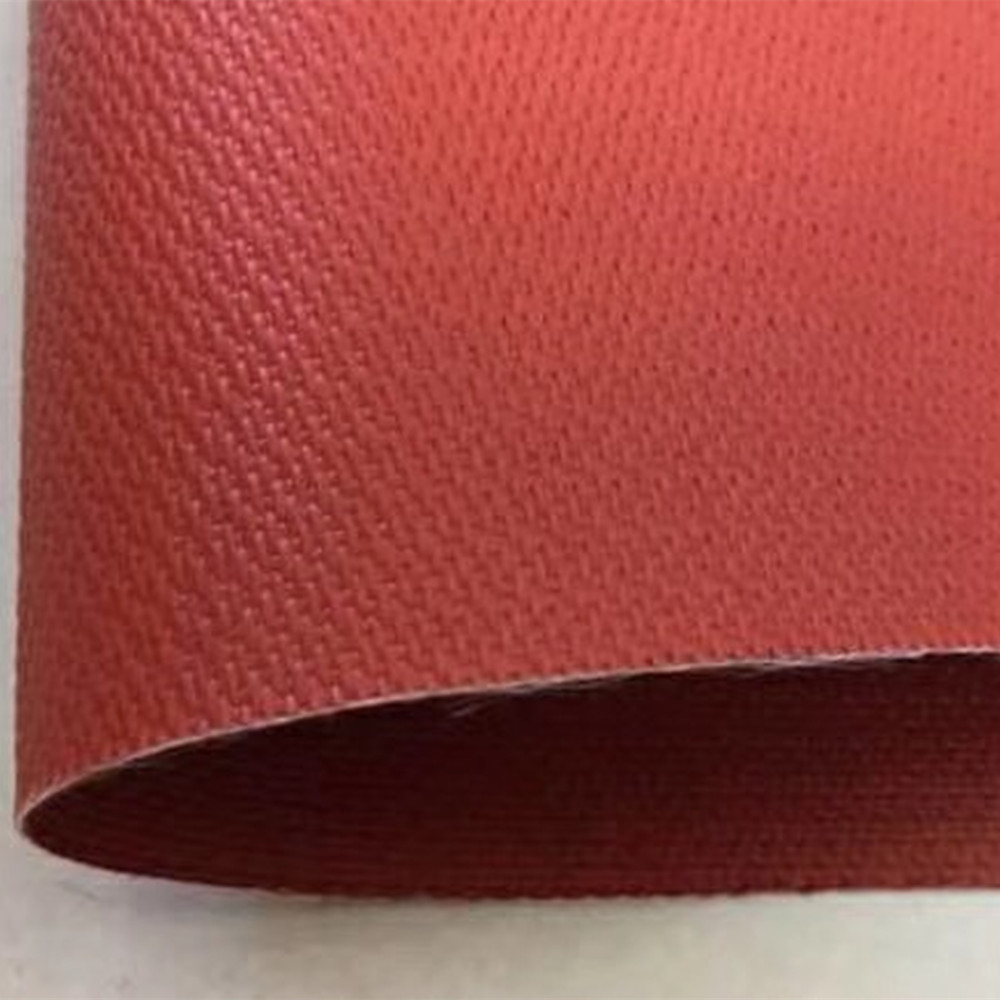
    Silicone coated fiberglass cloth is a high-performance material engineered for extreme industrial applications. The combination of fiberglass's durability and silicone's excellent heat resistance makes this fabric ideal for use in environments subjected to high temperatures, molten materials, and other demanding conditions. Available in heavy-duty, medium-duty, and light-duty variants, it provides versatile protection for various industrial needs. Heavy-Duty Silicone Coated Fiberglass Cloth Heavy-duty silicone-coated fiberglass cloth is designed to withstand the most extreme conditions, including molten metal splashes and slag. Often produced in belts, stripes, or customized forms, it shields hoses, cables, and machinery from high heat, protecting critical components in industries such as metalworking and glass manufacturing. This fabric is the heaviest heat control option available, offering unmatched performance in severe conditions. Applications: Shielding hoses and cables from molten metal splashes and slag Protecting machinery and equipment from extreme heat Ideal for foundries and high-heat industrial environments Medium-Duty Silicone Coated Fiberglass Cloth Medium-duty silicone-coated fiberglass fabric offers one-sided coating on textured fabric for effective welding splatter protection and soft molten metal splash resistance. It also features a versatile two-sided coating on filament fabric, perfect for applications requiring both protection and flexibility. This fabric is commonly used as cold-side shielding for insulation blanket systems, providing additional safety in engine and generator exhaust systems. Applications: Welding blanket and curtains Cold-side shielding in exhaust insulation systems Protection against welding splatter and molten metal Engine and generator insulation systems Light-Duty Silicone Coated Fiberglass Cloth Light-duty silicone-coated fiberglass cloth offers protection for applications requiring high-temperature resistance but in less extreme conditions. This fabric comes in both one-sided and two-sided coatings, making it ideal for creating heat-resistant sleeves, jackets, welding slats, and high-temperature curtains or barriers. Additionally, it is rain and wash-down resistant, providing waterproof solutions for caps, sleeves, and jackets. Applications: High-temperature curtains and barriers Heat-resistant sleeves and jackets Waterproof caps and coverings for machinery and equipment Protective slats and coverings for industrial applications Common Applications of Silicone Coated Fiberglass Cloth: Insulation Jackets: Used to wrap pipes, valves, and equipment to prevent heat loss and damage. Fire Curtains & Fire Doors: Offering fire resistance in industrial and commercial spaces, providing safe barriers in case of fire. Expansion Joints: Preventing damage from thermal expansion and contraction in high-temperature systems. Welding Blankets & Curtains: Protecting workers and surroundings from welding spatte...
    read more
  • Top Benefits of Using Ceramic Fiber Blanket for Industrial Insulation
    Top Benefits of Using Ceramic Fiber Blanket for Industrial Insulation Feb 25, 2025
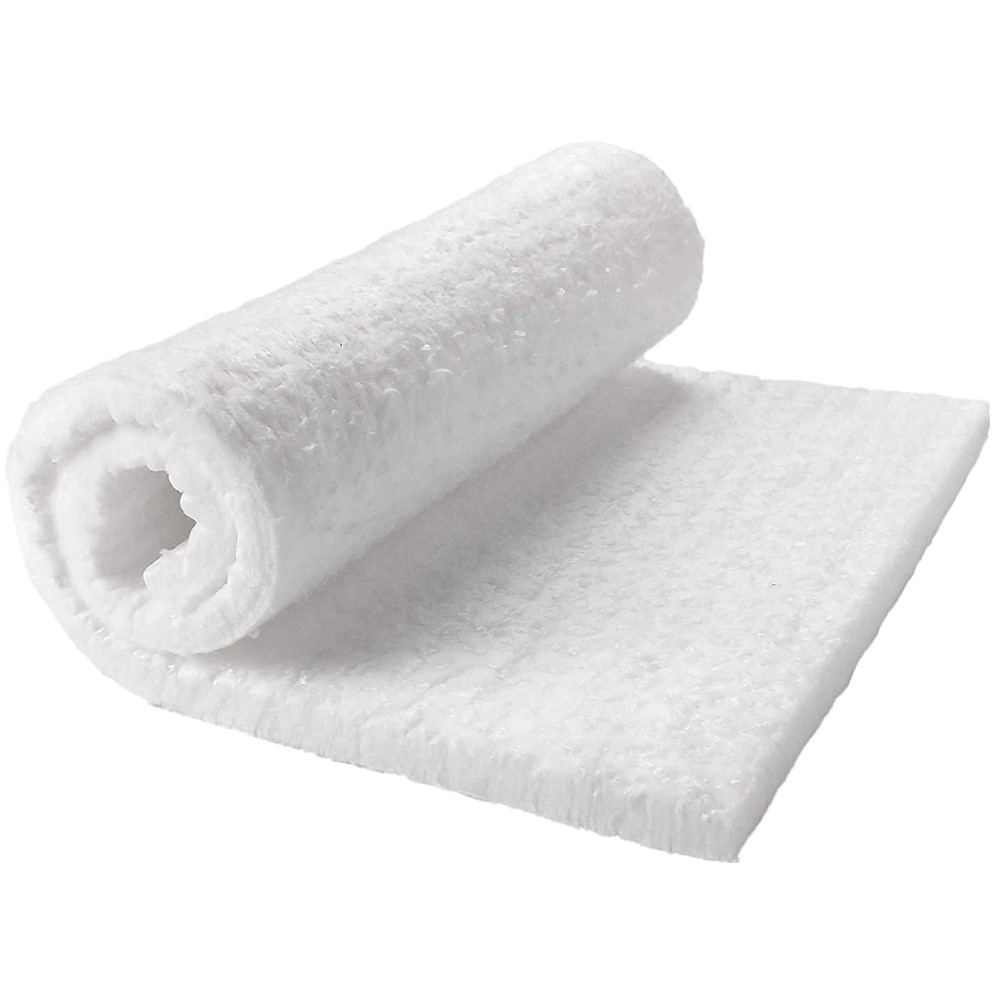
    When it comes to industrial insulation, choosing the right material is crucial for ensuring safety, efficiency, and long-term cost savings. Ceramic fiber blankets stand out as an optimal solution, offering a wide range of benefits for industries that rely on high-performance thermal management. Here’s why ceramic fiber blankets are a top choice for industrial insulation: 1. High Heat Resistance Ceramic fiber blankets are known for their exceptional resistance to extreme temperatures. Withstanding heat up to 2300°F (1260°C), they are ideal for environments where traditional insulation materials may fail. Whether you’re working with steel furnaces, glass kilns, or petrochemical reactors, these blankets can handle high-temperature processes, keeping your operations safe and efficient. 2. Superior Thermal Efficiency In industrial settings, maintaining optimal temperature control is vital for productivity and energy efficiency. Ceramic fiber blankets provide superior thermal insulation, reducing heat loss and minimizing energy consumption. By maintaining a stable temperature, these blankets help you achieve consistent product quality while lowering energy bills over time. 3. Fireproofing and Safety Safety is a top priority in industries with high-temperature processes, and ceramic fiber blankets offer superior fireproofing capabilities. Their fire-resistant properties significantly reduce the risk of fire hazards, ensuring that both personnel and equipment remain protected in the event of an emergency. Their non-combustible nature makes them an essential material in fireproofing applications, including heat shields and protective linings. 4. Lightweight Design Despite their exceptional insulating properties, ceramic fiber blankets are remarkably lightweight. This feature makes them easy to handle and install, even in tight or hard-to-reach spaces. Their low density also contributes to easier transportation and lower shipping costs, offering a cost-effective solution for industries of all sizes. 5. Reduced Maintenance Costs Over time, traditional insulation materials can degrade, leading to higher maintenance costs and operational downtime. Ceramic fiber blankets, however, are durable and maintain their integrity even after prolonged exposure to high heat. Their long lifespan and low maintenance requirements mean fewer repairs and replacements, ultimately reducing the total cost of ownership. 6. Versatility Across Industries Ceramic fiber blankets are highly versatile, making them suitable for a wide range of industrial applications, from steel and glass manufacturing to petrochemical and power generation. Their flexibility and adaptability mean that they can be used in a variety of forms, including wraps, blankets, and panels, ensuring that they meet the specific needs of each industry. 7. Improved Operational Efficiency By enhancing heat retention and reducing energy consumption, ceramic fiber blankets contribute to overall operational efficiency. Th...
    read more
  • A Comprehensive Guide to Installing and Maintaining Your Fire Sleeve Hose Protector
    A Comprehensive Guide to Installing and Maintaining Your Fire Sleeve Hose Protector Feb 24, 2025
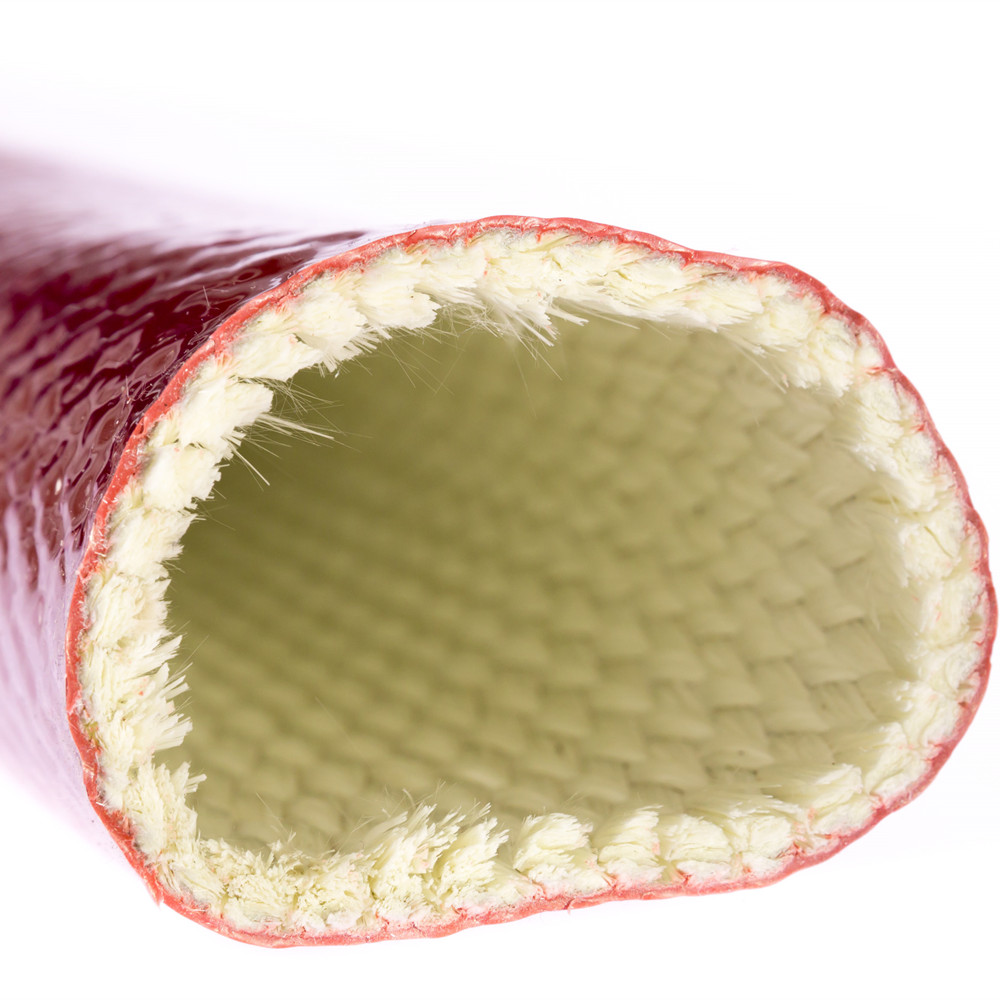
    Proper installation and maintenance are essential to ensuring the effectiveness and longevity of your fire sleeve hose protector. These sleeves provide crucial protection against high temperatures, abrasion, and potential fire hazards, making them vital for preserving the integrity of hoses and preventing costly downtime. In this guide, we’ll walk you through the step-by-step process of installing fire sleeves on your hoses and outline the key maintenance practices to keep your equipment in top condition. Step 1: Prepare for Installation Before you begin installing your fire sleeve hose protectors, gather all the necessary tools and materials: Fire sleeves of the appropriate size and material for your hoses. Scissors or a utility knife. Measuring tape. Heat-resistant gloves (optional but recommended for handling hot equipment). Step 2: Measure Your Hoses Accurate measurements are crucial for ensuring a proper fit. Measure the diameter and length of the hose you need to protect. Be sure to account for bends, fittings, and other equipment that might affect the sleeve’s length. If the sleeve is too short, it won’t provide complete coverage, while a sleeve that’s too long could be difficult to secure. Step 3: Install the Fire Sleeve Cut the Sleeve to Length: Using your measurements, cut the fire sleeve to the required length, allowing some extra material to ensure full coverage over fittings and connections. Slide the Sleeve Over the Hose: Carefully slide the fire sleeve over the hose, starting from one end. For longer hoses or difficult-to-reach areas, you may need to lubricate the sleeve with a bit of water or soap solution to help it slide smoothly. Secure the Sleeve: Once the sleeve is in place, secure it using hose clamps or other suitable fasteners. Ensure that the sleeve is tight around the hose to prevent it from slipping or bunching up over time. Seal the Ends: For maximum protection, seal both ends of the fire sleeve using heat-resistant tape or an end cap to prevent any exposure to heat or flame. Step 4: Inspect the Installation Once installed, give the hose and fire sleeve a thorough inspection to ensure proper coverage. Make sure there are no gaps or loose areas where heat could potentially reach the hose. Check the tightness of any fasteners and make sure the sleeve is free from any kinks or tears. Maintenance Tips for Longevity To get the most out of your fire sleeve hose protectors, it’s important to maintain them regularly. Follow these maintenance tips to ensure your sleeves provide the best protection over time: Check for Wear and Tear: Regularly inspect your fire sleeves for signs of damage. Look for cracks, abrasions, or tears, particularly in areas that experience the most friction or heat exposure. If you notice any damage, replace the sleeve immediately to prevent hose failure. Clean the Sleeves: Dirt, oil, and other contaminants can reduce the sleeve’s effectiveness. Clean the fire sleeve periodically by wiping it down with a...
    read more
  • Utilization of Ceramic Fiber Tape in Aerospace Applications
    Utilization of Ceramic Fiber Tape in Aerospace Applications Feb 23, 2025
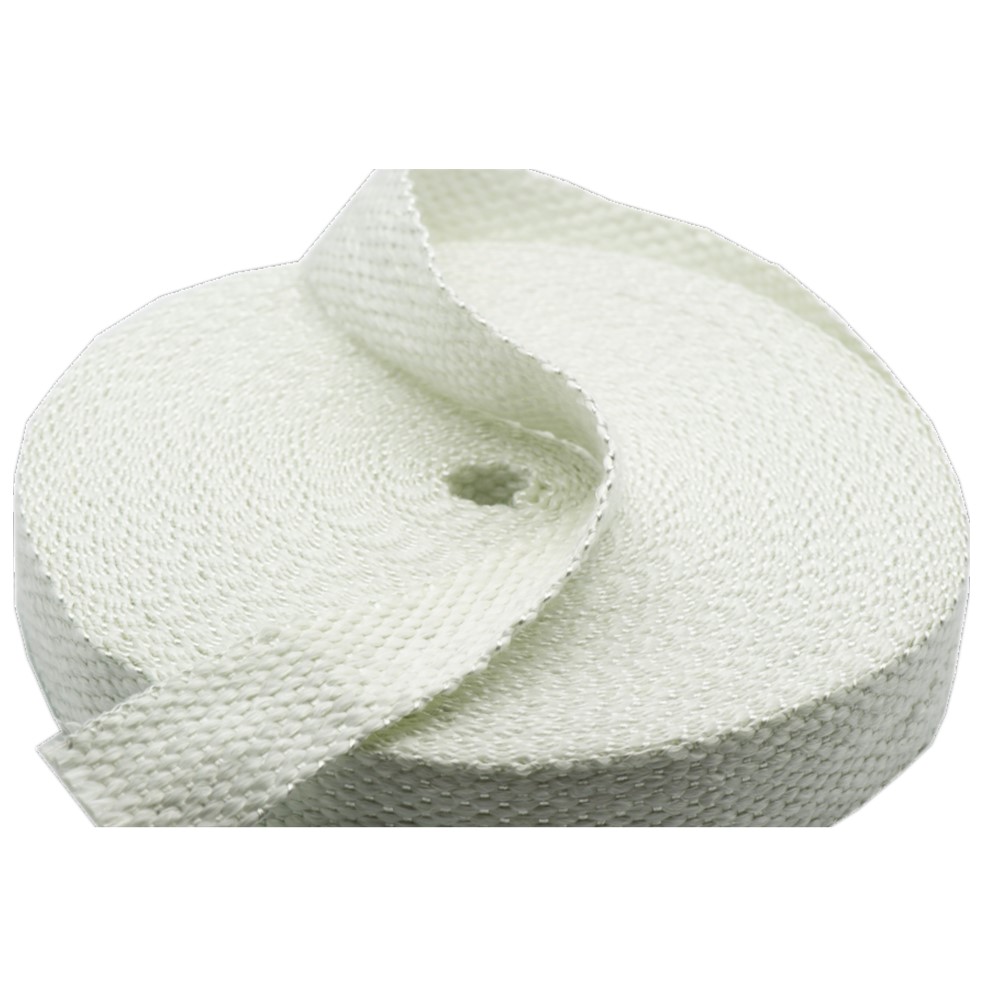
    In the aerospace industry, materials must withstand extreme temperatures, mechanical stress, and harsh environmental conditions. Ceramic fiber tape has become a critical component in aerospace engineering due to its superior thermal insulation, lightweight nature, and resistance to chemical and environmental degradation. Key Applications in Aerospace High-Temperature Insulation for Engine Components Aircraft and spacecraft engines operate at extremely high temperatures, requiring robust insulation solutions. Ceramic fiber tape is widely used for wrapping exhaust systems, heat shields, and combustion chambers to minimize heat loss and protect surrounding components. Thermal Protection for Wiring and Cables Electrical wiring and sensor cables in aerospace applications are often exposed to intense heat. Ceramic fiber tape provides an effective protective layer, preventing heat damage and ensuring reliable operation in high-temperature environments. Heat Shielding in Spacecraft Components Spacecraft re-entering the Earth’s atmosphere face extreme thermal stress. Ceramic fiber tape is incorporated into thermal blankets and shielding systems to withstand intense heat, ensuring the safety and integrity of critical components. Sealing and Gasketing in Aerospace Structures High-performance gaskets and seals made from ceramic fiber tape are used in aircraft and spacecraft joints to prevent heat leakage and maintain structural integrity in extreme conditions. Fireproofing and Safety Applications Fire safety is paramount in aerospace design. Ceramic fiber tape is utilized in fireproof barriers and protective layers for sensitive equipment, enhancing safety in both manned and unmanned aerospace missions. Advantages of Ceramic Fiber Tape in Aerospace ✔ Extreme Heat Resistance: Withstands temperatures exceeding 2000°F (1093°C), making it ideal for high-temperature aerospace applications. ✔ Lightweight Construction: Contributes to weight reduction, improving fuel efficiency and performance. ✔ Chemical and Corrosion Resistance: Provides durability in harsh environments, including exposure to fuels, lubricants, and extreme weather conditions. ✔ Flexible and Easy to Install: Conforms to complex shapes and surfaces, allowing seamless integration into aerospace systems. Conclusion Ceramic fiber tape plays a crucial role in aerospace engineering, offering unparalleled thermal protection and durability. As the demand for high-performance materials continues to grow, its utilization in advanced aerospace applications will remain indispensable. For more information on high-temperature insulation solutions for aerospace applications, contact us today!
    read more
  • Fiberglass Woven Tape for Automotive Applications: A Must-Have for Engine Protection
    Fiberglass Woven Tape for Automotive Applications: A Must-Have for Engine Protection Feb 21, 2025
    In the fast-evolving automotive industry, the demand for high-performance, durable materials has never been greater, especially when it comes to protecting key components like engine hoses and exhaust systems. As engines run hotter and under more demanding conditions, maintaining the integrity of these systems becomes crucial for performance and safety. Fiberglass woven tape has emerged as an essential material for automotive manufacturers due to its superior heat resistance, durability, and ability to withstand harsh engine conditions. In this post, we explore how fiberglass woven tape helps improve engine performance, extend the life of vital components, and enhance overall vehicle safety. 1. Exceptional Heat Resistance for Engine Protection Engines generate extreme heat during operation, and components like hoses, cables, and exhaust systems are particularly vulnerable to heat damage. Fiberglass woven tape is designed to withstand temperatures up to 1000°C (1832°F), making it the ideal choice for protecting critical engine parts. Traditional materials like rubber or PVC can break down or lose structural integrity under high heat, but fiberglass maintains its properties, ensuring continuous protection even in the hottest engine environments. Real-World Example: In the automotive industry, fiberglass woven tape is commonly used to insulate exhaust pipes and engine hoses. By wrapping these components with fiberglass tape, automotive manufacturers reduce the risk of heat soak, which can cause premature failure of surrounding components such as fuel lines, electrical cables, and rubber hoses. This keeps the engine running efficiently and prevents costly repairs. 2. Enhanced Durability Against Abrasion and Wear Fiberglass woven tape is known for its abrasion resistance, which is a crucial factor when it comes to automotive applications. Engine components are exposed to constant friction, vibrations, and mechanical stress, which can quickly wear down less durable materials. Fiberglass tape, however, can withstand harsh conditions without fraying or deteriorating, providing long-lasting protection. Real-World Example: In race cars and high-performance vehicles, fiberglass woven tape is applied to protect fuel lines and coolant hoses from abrasions. These components are often exposed to sharp edges or rough surfaces under the hood, and fiberglass tape helps shield them from wear, ensuring the system operates smoothly during intense use. 3. Chemical Resistance for Harsh Engine Environments Engines are not only exposed to heat and friction but also to oils, fuels, and other chemicals that can degrade less durable materials. Fiberglass woven tape offers excellent chemical resistance, preventing corrosion and breakdown caused by exposure to oils, coolants, solvents, and other automotive fluids. This feature makes it an indispensable choice for protecting wires and hoses in modern engine systems. Real-World Example: In commercial vehicles and off-road truck...
    read more
first page 1 ... 33 34 35 36 37 ... 87 last page
[  a total of  87  pages]
leave a message

leave a message

    If you have questions or suggestions, please leave us a message,we will reply you as soon as we can!

Home

Products

About

Contact

top