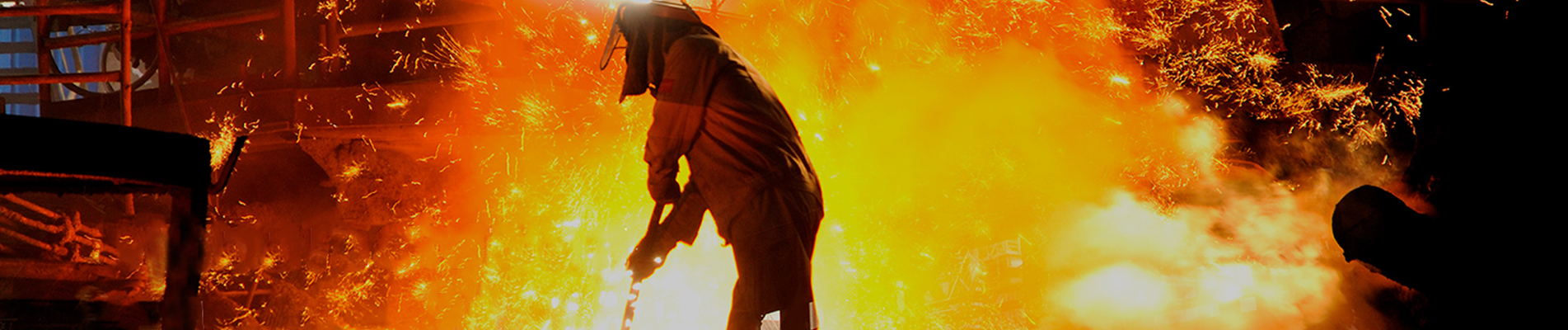
Aerospace environments expose materials to conditions that far exceed most industrial settings. These include:
Intense radiant heat
Rapid temperature fluctuations
Long-duration thermal exposure
Strict weight and safety constraints
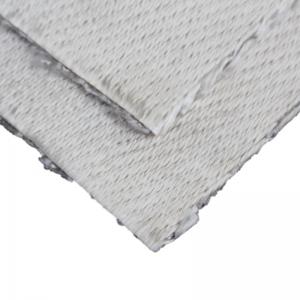
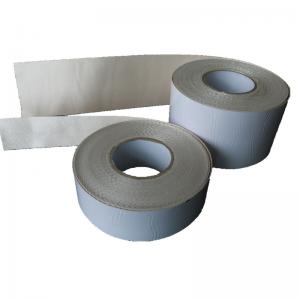
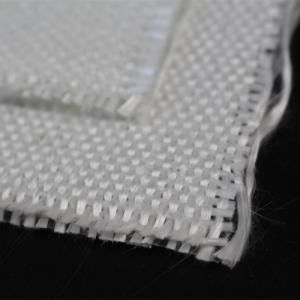
In such conditions, material failure is not an option. This is why woven silica fabric is frequently specified for aerospace thermal protection systems.
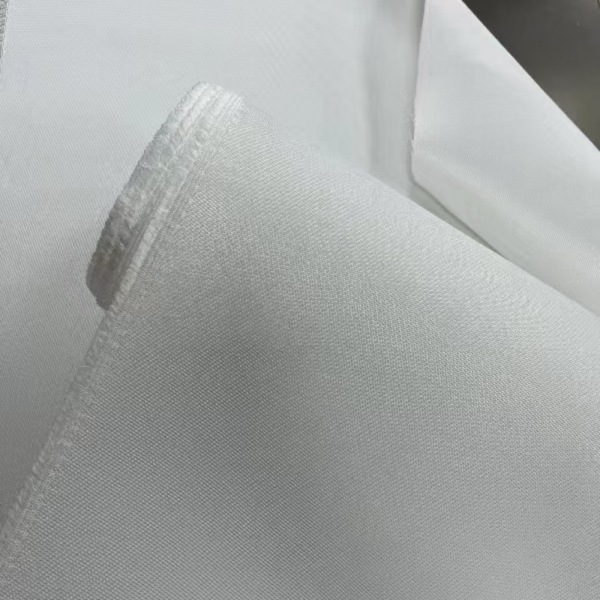
Unlike stationary industrial equipment, aerospace components must endure:
High exhaust temperatures near engines
Aerodynamic heating during flight
Thermal shock during ascent and descent cycles
Many conventional textiles lose strength or dimensional stability under these stresses. Woven silica fabric, however, maintains performance even when exposed to prolonged high temperatures.
Instead of acting as a single-purpose material, woven silica fabric serves multiple thermal roles:
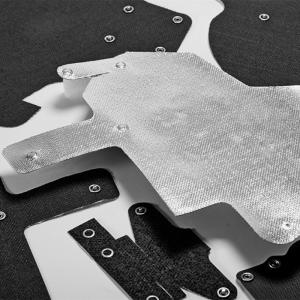
Thermal barriers between hot engine zones and sensitive components
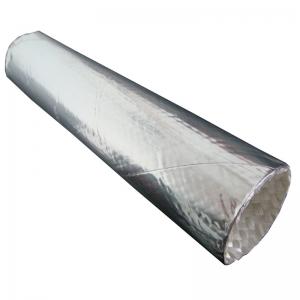
Insulation layers in exhaust and propulsion systems
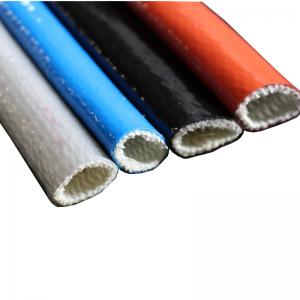
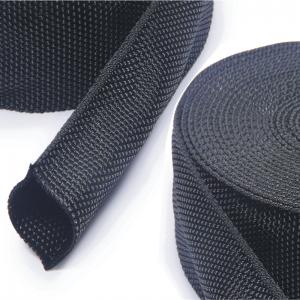
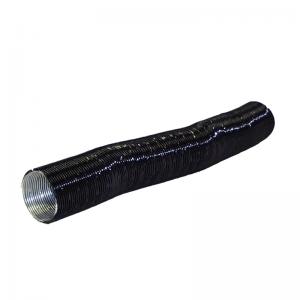
Protective wraps for cables, ducts, and hoses
Its flexibility allows it to conform to complex geometries without compromising heat resistance.
Compared with standard fiberglass or ceramic textiles, woven silica fabric offers:
Higher continuous temperature capability
Better resistance to thermal fatigue
Lower risk of embrittlement over time
These advantages translate into greater reliability and longer service life, both critical in aerospace design.
Weight reduction is a constant priority in aerospace engineering.
Woven silica fabric provides high thermal performance without excessive thickness, helping designers balance insulation efficiency with weight constraints.

 français
 Deutsch
 русский
 italiano
 español
 português
 Nederlands
 العربية
 日本語
日本語 한국의
한국의 Türkçe
 Polski
 Tiếng Việt
 slovenský
 Indonesia