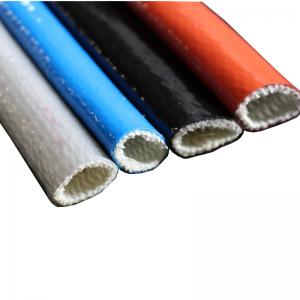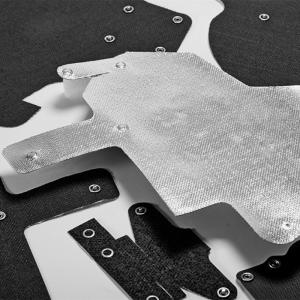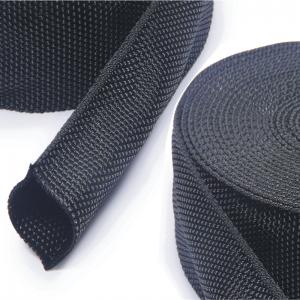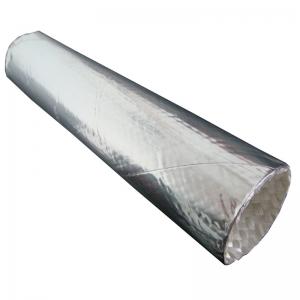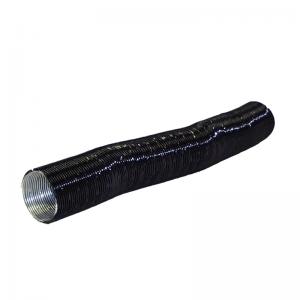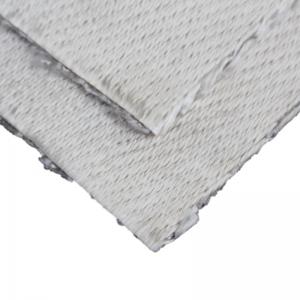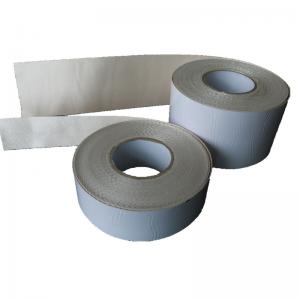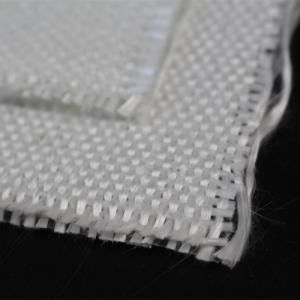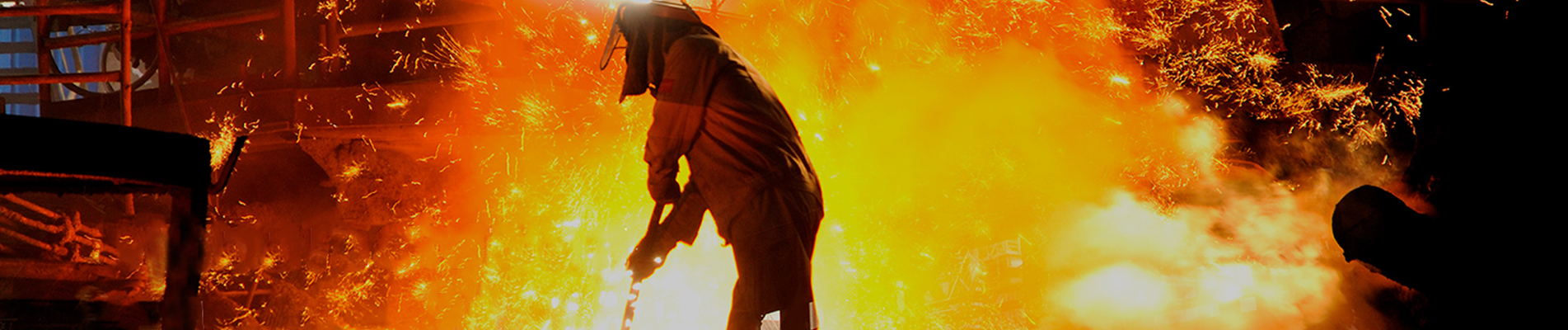
Vermiculite Coated Fiberglass Fabric is a high-temperature resistant textile engineered to provide enhanced thermal protection, surface durability, and improved handling performance in demanding industrial environments. By applying a vermiculite coating to woven fiberglass fabric, this material achieves superior abrasion resistance and reduced fiber shedding while maintaining excellent heat insulation properties.
This fabric is widely used where reliable heat shielding, flame resistance, and mechanical strength are required over long service periods.
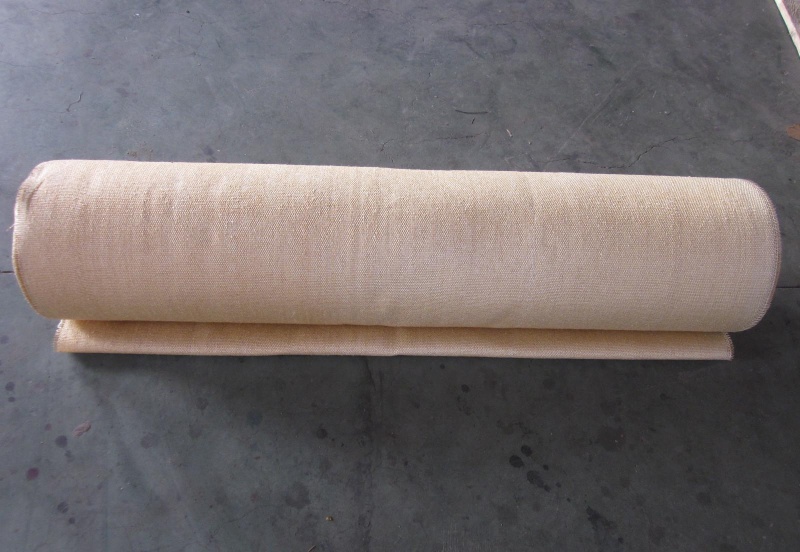
Standard fiberglass fabrics offer good heat resistance but can suffer from surface wear, fraying, and fiber dust under harsh conditions. Vermiculite coating addresses these issues by forming a protective mineral layer on the fabric surface.
The coating significantly improves the fabric’s resistance to abrasion, sparks, molten metal splash, and direct flame exposure, making it suitable for high-temperature protection applications where untreated fiberglass is insufficient.
Enhanced Heat Resistance
Designed for continuous exposure to elevated temperatures, with improved surface stability compared to uncoated fiberglass fabric.
Improved Abrasion Protection
Vermiculite coating strengthens the fabric surface, reducing wear, tearing, and mechanical damage.
Reduced Fiber Dust & Fraying
The coating binds surface fibers, improving handling safety and extending service life.
Excellent Flame & Spark Resistance
Provides reliable protection against welding sparks, slag, and brief molten metal contact.
Flexible & Easy to Fabricate
Maintains good flexibility for cutting, sewing, wrapping, and installation.
Using Vermiculite Coated Fiberglass Fabric helps users achieve:
Longer operational lifespan in high-wear environments
More stable thermal insulation under continuous heat
Cleaner installation with less fiber irritation
Improved safety during welding and hot work operations
Lower replacement frequency and maintenance cost
This material is suitable for a wide range of industrial and thermal protection uses, including:
Welding blankets and fire curtains
Furnace and kiln insulation covers
Heat shields and thermal barriers
Expansion joints and flexible connectors
Pipe and equipment protection
Foundry, metallurgy, and fabrication workshops
Woven E-glass or ECR fiberglass base fabric
Vermiculite mineral coating on one or both sides
Uniform coating thickness for consistent performance
Available in various weights and thicknesses
Optional treatments and custom formats can be provided for specific applications.
Compared with plain fiberglass fabric, this coated version offers:
Better resistance to abrasion and surface damage
Improved flame and spark protection
Longer service life in harsh environments
Enhanced safety and ease of handling
It is a practical and cost-effective solution for applications requiring improved durability without moving to higher-cost ceramic or silica materials.
The fabric can be easily cut and shaped using standard tools. It may be sewn with high-temperature thread or mechanically fastened depending on the application.
Handling recommendation:
Use gloves during installation to ensure comfort and prolong fabric life.
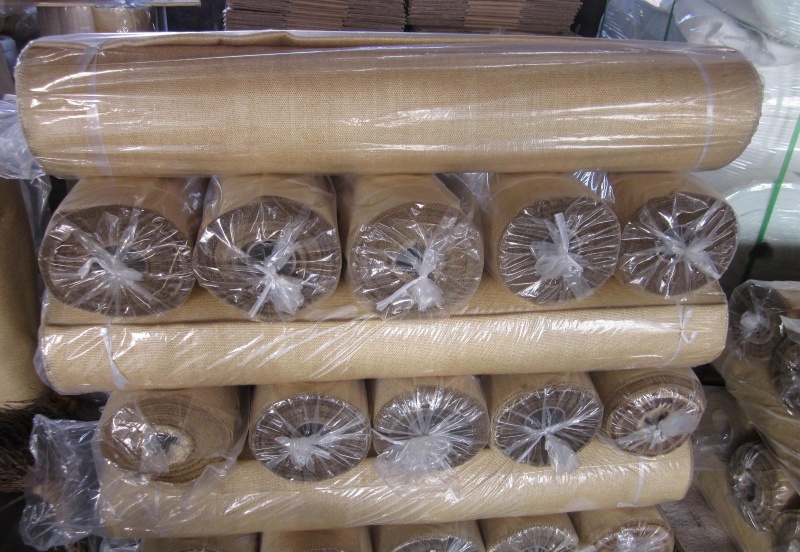
Below is a typical specification range for Vermiculite Coated Fiberglass Fabric. Custom options are available based on application requirements.
| Parameter | Specification Range |
|---|---|
| Base Material | E-glass / ECR Fiberglass |
| Coating Type | Vermiculite (one-side or double-side) |
| Continuous Working Temperature | 550°C (1022°F) |
| Short-Term Temperature Resistance | Up to 700°C (1292°F) |
| Thickness | 0.4 mm – 3.0 mm |
| Weight (Grammage) | 430 – 2000 g/m² |
| Standard Width | 1000 mm / 1200 mm |
| Maximum Width | Up to 2000 mm |
| Weave Type | Plain / Twill / Satin |
| Color | Grey / Silver-Grey |
| Surface Characteristics | Abrasion-resistant, reduced fiber dust |
| Customization | Thickness, weight, width, roll length |
Note: Vermiculite coating improves surface durability and flame resistance without significantly increasing fabric stiffness.
Selecting the correct high-temperature fabric depends on operating temperature, mechanical stress, flexibility requirements, and cost considerations. The following comparison highlights the key differences between commonly used materials.
| Property | Vermiculite Coated Fiberglass | Ceramic Fiber Fabric | Silica Fabric | Fiberglass Fabric |
|---|---|---|---|---|
| Continuous Temperature | ~550°C | 1000–1100°C | 1000°C | 550°C |
| Short-Term Exposure | ~700°C | Up to 1260°C | 1100°C+ | ~600°C |
| Abrasion Resistance | High | Medium | Medium | Low |
| Flexibility | Good | Moderate | Moderate | Excellent |
| Fiber Shedding | Low | Medium | Low | High |
| Flame Resistance | Excellent | Excellent | Excellent | Good |
| Molten Metal Splash | Limited | Very Good | Excellent | Poor |
| Chemical Resistance | Good | Good | Moderate | Moderate |
| Typical Applications | Welding blankets, heat shields | Furnace, fire curtains | Foundry, molten metal | General insulation |
| Cost Level | Medium | High | High | Low |
Choose Vermiculite Coated Fiberglass Fabric
When you need improved abrasion resistance, cleaner handling, and reliable performance up to 550°C for welding, fire protection, and industrial insulation.
Choose Ceramic Fiber Fabric
For extreme continuous heat exposure above 1000°C where flexibility is less critical.
Choose Silica Fabric
For molten metal splash, foundry environments, and very high radiant heat resistance.
Choose Standard Fiberglass Fabric
For cost-sensitive applications with moderate temperature requirements and minimal mechanical wear.

 français
 Deutsch
 русский
 italiano
 español
 português
 Nederlands
 العربية
 日本語
日本語 한국의
한국의 Türkçe
 Polski
 Tiếng Việt
 slovenský
 Indonesia