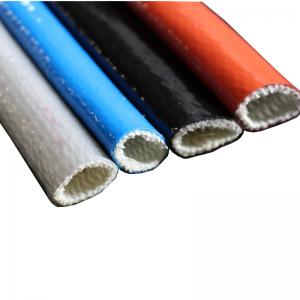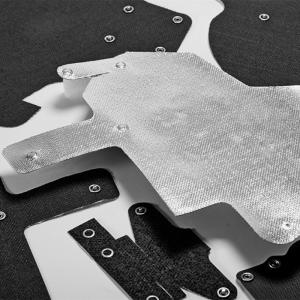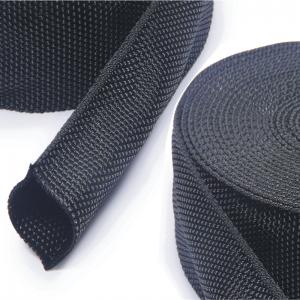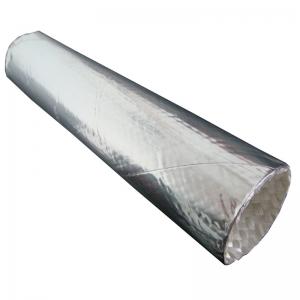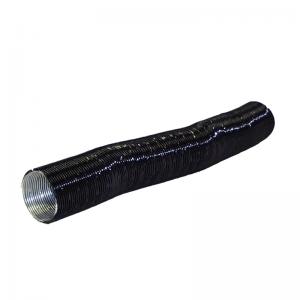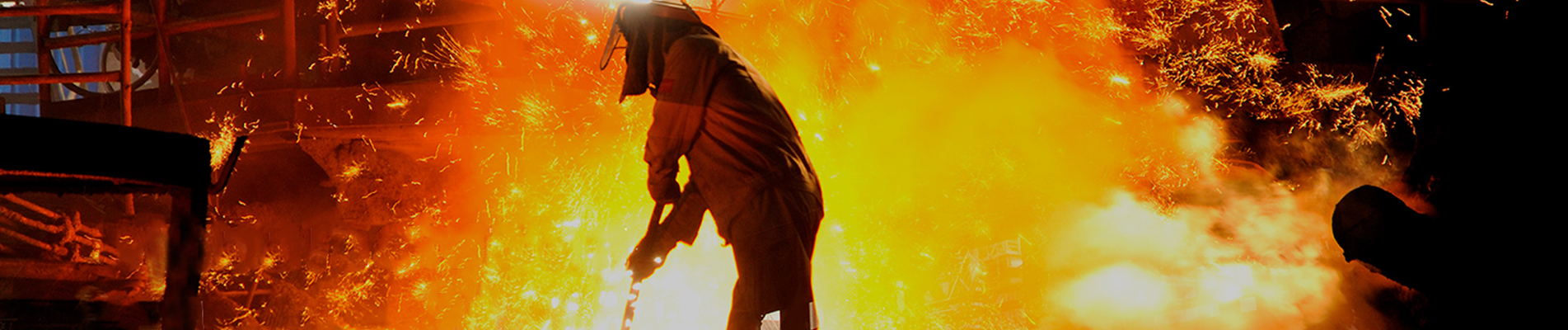
The purpose of a nylon protective sleeve is to act as a durable, flexible shield for wires, cables, hoses, and tubes, protecting them from damage, wear, and tear in demanding environments.
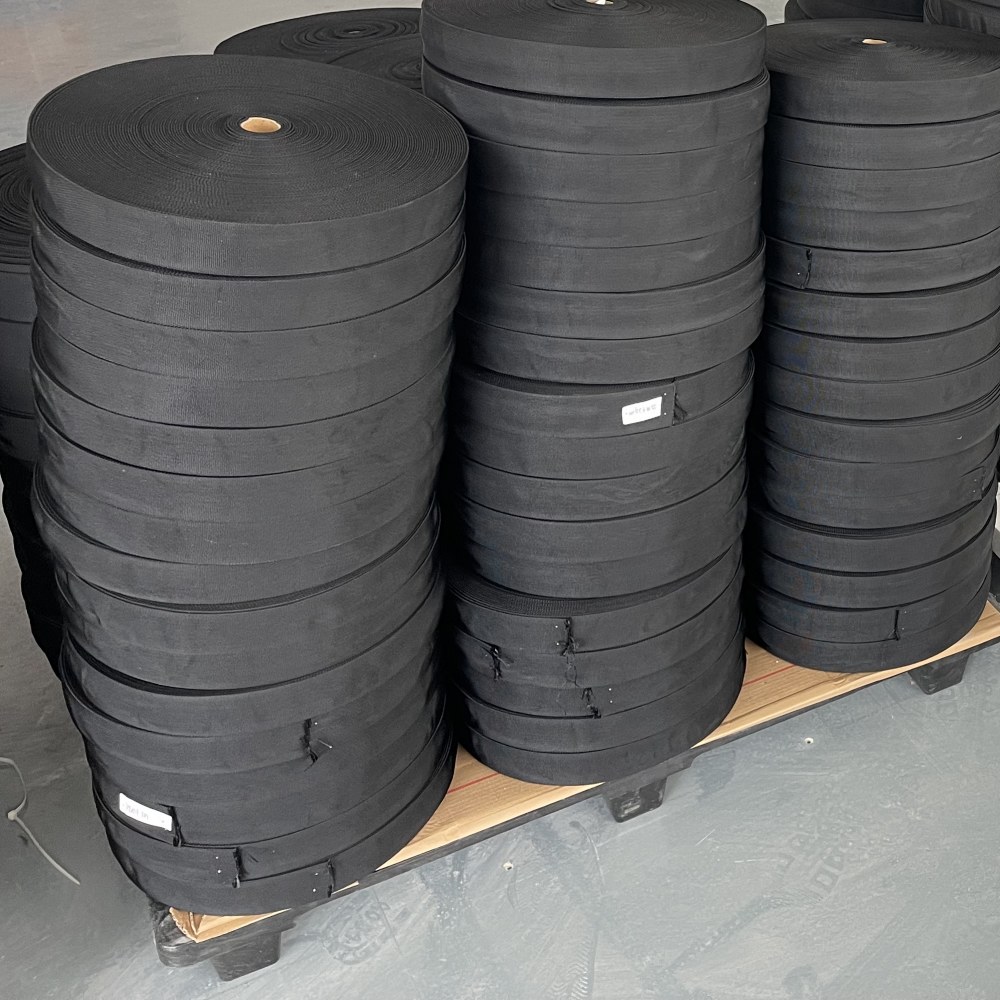
They are a form of "mechanical armor" for vulnerable components.
Here are the specific purposes and benefits, broken down into key areas:
This is the primary purpose. Nylon is an extremely tough material that resists scraping, rubbing, and chafing.
Example: Protecting hydraulic hoses on construction equipment (e.g., excavators) from rubbing against the metal frame or being dragged across rough ground.
The braided structure of the sleeve distributes impact and pressure, helping to prevent cuts from sharp edges and damage from being pinched or crushed.
Example: Guarding wiring looms in automotive engine bays against accidental contact with sharp brackets or tools during maintenance.
Nylon sleeves can withstand continuous exposure to high temperatures (typically up to 257°F / 125°C, with some variants going higher). They protect what's inside from radiant heat and prevent melting or degradation.
Example: Shielding cables and hoses near a car's exhaust manifold or engine block.
Nylon is resistant to many oils, greases, fuels, and coolants. This prevents these fluids from degrading the components inside the sleeve.
Example: Protecting cables in a manufacturing plant where they are frequently exposed to lubricants or hydraulic fluid.
Unlike metal conduit or armor, nylon braided sleeving is highly flexible and adds very little weight. This allows for easy routing in tight spaces and doesn't restrict the movement of machinery.
Example: Organizing and protecting wires on a robotic arm that requires a full range of motion.
Sleeving is excellent for bundling loose wires and hoses into a single, neat, and manageable loom. This improves airflow, simplifies installation and maintenance, and gives a clean, professional appearance.
Example: Managing the numerous cables inside a server rack or a custom gaming PC.
While not fully waterproof, sleeves provide a barrier against dust, dirt, mud, and other contaminants. Some versions can be used with an inner liner for more sealed protection.
Automotive & Marine: Engine bays, wiring harnesses, battery cables, fuel lines.
Aerospace: Wiring bundles in aircraft and spacecraft.
Industrial Machinery: Protecting hoses and cables on CNC machines, robots, and assembly lines.
Construction & Agriculture: Heavy equipment like excavators, tractors, and bulldozers.
Electronics: Cable management in data centers, audio/visual systems, and power tools.

 français
 Deutsch
 русский
 italiano
 español
 português
 Nederlands
 العربية
 日本語
日本語 한국의
한국의 Türkçe
 Polski
 Tiếng Việt
 slovenský
 Indonesia