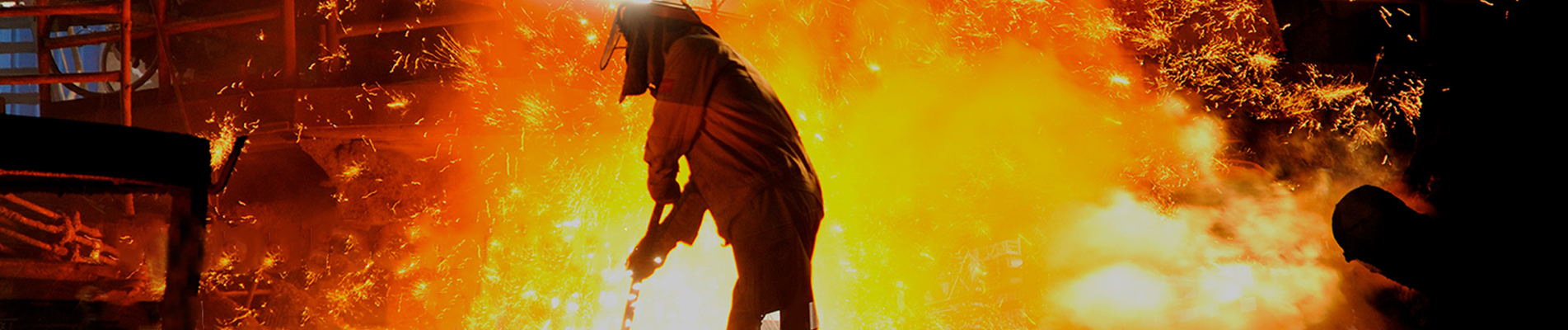
A thermocouple lead routed beside a furnace wall can encounter a different temperature from a cable passing through a hot opening. Both may need a protective sleeve, but their exposure, wire construction and installation clearances are different. Sending only the furnace setpoint and a nominal wire size makes it difficult to select the right sleeving.
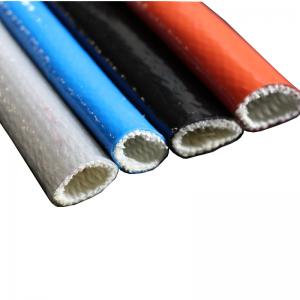
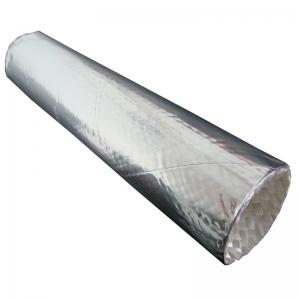
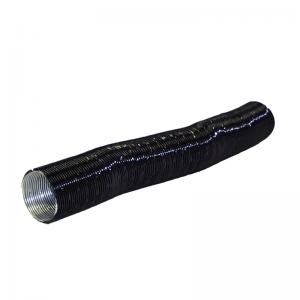
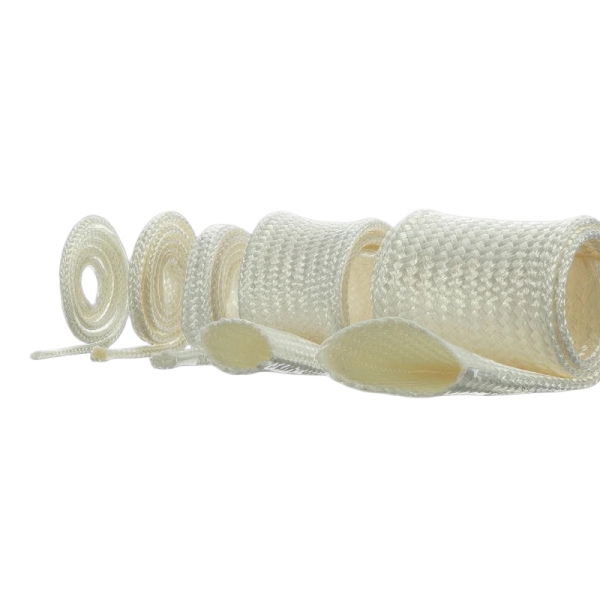
The Alumina Fiber Sleeve is a flexible tubular textile for high-temperature protection around wires, cables and other elongated components. Before specifying it for a furnace assembly, establish what the sleeve will touch, how hot its location becomes and whether the wiring already has its own qualified electrical insulation.
Start with the actual route. Mark the section inside the hot zone, the section near a door or inspection opening, and the transition to the cooler cable run. Identify whether the sleeve sees direct contact with a hot surface, radiant heat, moving air, a brief furnace-door opening or repeated heating and cooling. The process temperature does not by itself describe the temperature at every point along the sleeve.
For each section, provide the expected continuous temperature, the highest short exposure and its duration. State how often the equipment cycles. If those values come from a calculation rather than a measurement, tell the supplier which assumptions were used. Ask for the selected sleeve construction's temperature data and the conditions under which the rating was established. The fiber type alone is not a complete temperature rating for the finished sleeve or the protected cable.
Measure the outside diameter of the complete cable or wire bundle at the point where the sleeve will sit. Include existing insulation, a protective jacket and any other layers beneath the alumina sleeve. If the sleeve must slide over a connector, crimp or terminal, provide that feature's maximum outside dimension and the available installation length.
Also record bends, branches and places where the cable is held by a clamp. A tubular braid can change its diameter when fitted, which can alter the coverage and wall thickness along the run. Test a short length over the largest feature, then inspect its fit on the smallest section. Check whether the braid opens, snags, bunches or rubs against a metal edge. Confirm the final length after the sleeve is installed and the ends are finished.
A ceramic textile around a lead may form one layer of a wiring assembly. It does not establish the voltage rating of that assembly. Tell the supplier whether the sleeve will go over an already insulated cable, a heater lead, a thermocouple lead or another component. If the design relies on the sleeve for electrical insulation, specify the required test method, voltage, environmental conditions and documentation for the exact construction being purchased.
Review the wire's own temperature limit, the termination materials and the route through the furnace. A sleeve cannot raise the allowable temperature of an unsuitable conductor, jacket or connector. Where the cable could contact sharp sheet metal, a moving fixture or molten material, describe that exposure separately so the whole protective assembly can be assessed. Do not assume an uncoated textile supplies a sealed barrier against liquids or heavy abrasion.
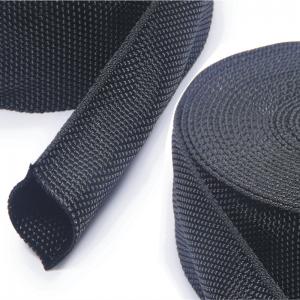
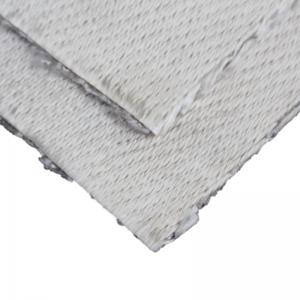
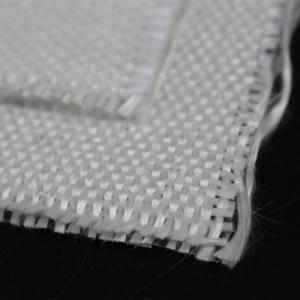
Ask what fiber grade and yarn construction will be supplied. The product page describes an alumina-based tubular sleeve and mentions braided or woven forms. For a production order, confirm which form applies to your size, the declared composition, any finishing treatment, the inner-diameter tolerance and the supply length. If the assembly requires low shedding or a particular cut-end treatment, make that part of the sample approval.
A short installation trial is useful before a full roll is ordered. Fit the candidate sleeve to a representative cable and run it through the intended clamps and openings. Check the bend radius, end retention, access for maintenance and clearance from surrounding parts. If the assembly will be exposed to a controlled heat test, use the actual wire and termination materials and inspect them after the prescribed cycle.
Send those details with the drawing to BSTFLEX. We can review the requested sleeve construction and prepare a sample for fit and application testing. Confirm the grade-specific technical data and the finished assembly's acceptance criteria before releasing a production order. For other sleeve materials and constructions, see the High Temperature Sleeves category.

 français
 Deutsch
 русский
 italiano
 español
 português
 Nederlands
 العربية
 日本語
 한국의
 Türkçe
 Polski
 Tiếng Việt
 slovenský
 Indonesia