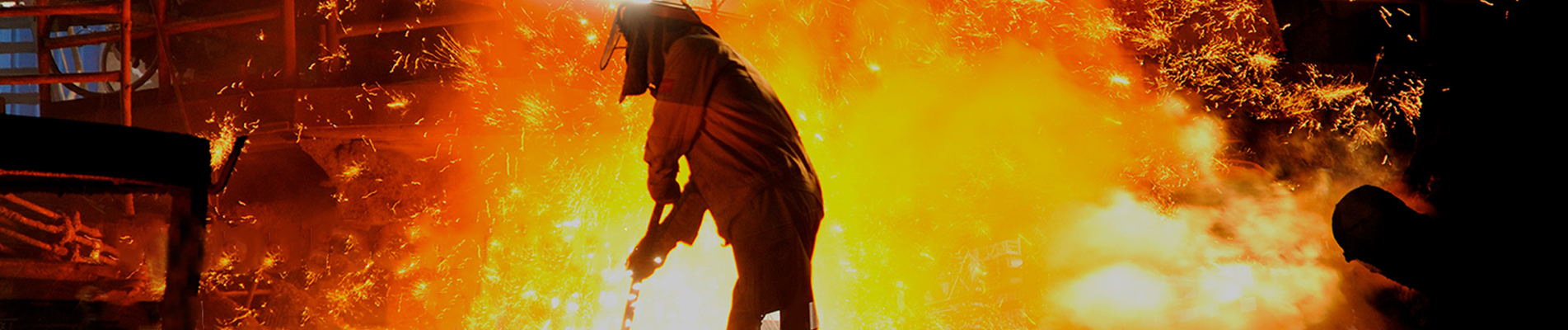
A cable running beside a hot machine needs more than a sleeve with a high temperature rating. The covering must fit the route, leave the connections serviceable and work with the cable's own heat limits. A sleeve that survives the surroundings does not establish that the conductors beneath it are operating safely.
Fire sleeve for cables and electrical conduits is an external thermal covering. Silicone-coated fiberglass constructions can be evaluated for exposure to nearby hot equipment, sparks or specified molten splash. They do not replace the cable insulation, the conduit system or an approved fire-rated installation.
For machinery builders and maintenance teams, start by marking the exposed section on the wiring-route drawing. The BSTFLEX fire sleeve range offers tubular and openable formats for reviewing that section without treating every cable on the machine as the same application.
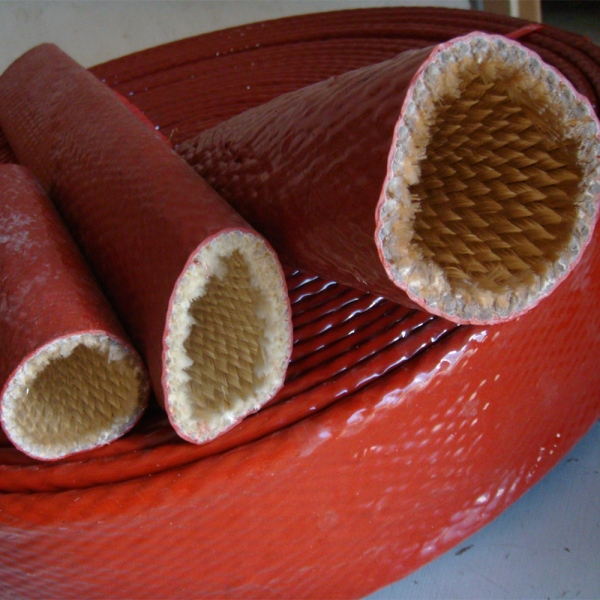
A jacketed cable, a finished wiring harness and a conduit containing several circuits require different information. Specify the actual assembly rather than ordering a protective tube from the conductor size alone.
| Protected assembly | Dimensions to provide | Design information to retain |
|---|---|---|
| Individual jacketed cable | Actual outside diameter, connector envelope and required coverage length. | Cable identity, temperature limits, operating load and permitted bending. |
| Wiring harness or cable bundle | Finished bundle shape, local diameter changes, branches and connector positions. | Circuit separation, loading, identification and access to each breakout. |
| Electrical conduit | Outside dimensions over the conduit jacket or corrugations, couplings and end fittings. | Conduit type, installed cable arrangement, fitting requirements and environmental protection. |
A nominal conduit trade size is not a reliable substitute for its measured outside diameter. Likewise, the diameter of one cable does not describe a completed bundle. Include the largest fitting along the installation path, but do not make that fitting the only basis for the sleeve's final fit.
The external problem may be radiant heating from a furnace wall, a hot process pipe or a nearby exhaust. First review whether rerouting, separation or a physical barrier can reduce that exposure. Then define the role of a cable heat protection sleeve where exposure remains.
A loaded electrical conductor also produces heat. Its allowable current depends on the cable design and installation conditions, including ambient temperature and the arrangement of other loaded conductors. An added covering changes the path through which heat leaves the assembly.
Ask the electrical designer to review the allowable current for the covered installation. Do not carry a free-air current rating into a newly insulated arrangement without checking the assumptions. Depending on the relative external and internal heat loads, a sleeve may help against the outside source while also restricting the release of heat generated inside.
Specify the operating load, exposure duration, surrounding temperature and covered length. Evaluate the assembly under the relevant duty cycle, not only during a brief no-load check.
Keep three values separate: the sleeve's stated service limit, the cable's permitted operating temperature and the temperature actually reached in the installation. There is no universal temperature reduction that can be inferred from sleeve thickness or material name alone.
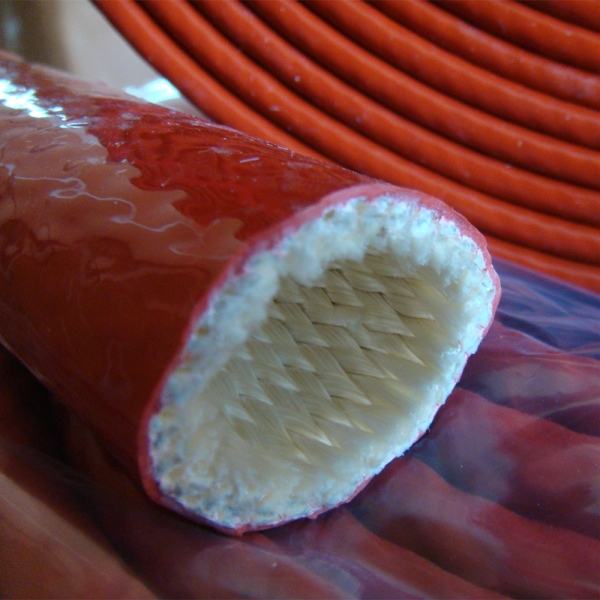
Mark where the exposure starts and ends. Identify sustained radiant heating separately from occasional sparks or molten droplets. For splash exposure, provide the process material, likely direction and expected duration so the proposed sleeve can be assessed against the actual hazard.
For an openable cover, show the seam position and overlap in the installation detail. Ensure the finished arrangement retains coverage at bends and supports. Do not use a sleeve to justify contact between a cable and a hot surface.
A machine cable may move through a service loop, a cable carrier or an articulated arm. Review the route with the added wall thickness and fastening features in place. Confirm that the covering does not crowd the carrier, catch an edge or transfer additional pulling force to a connector.
Flexibility during a hand-fit trial is not evidence of a specified flex life. Preserve the cable and conduit manufacturers' bending requirements and evaluate the intended movement through the approved machine procedure. Do not substitute a sleeve for a required cable support or strain-relief component.
Define the sleeve endpoint before ordering finished lengths. Keep locking rings, connection checks, labels and inspection points accessible. A neat-looking cover that prevents the technician from reaching a connector is not a complete installation solution.
Do not feed an external thermal sleeve through a gland unless that arrangement is approved for the gland and cable system. Otherwise, the gland may no longer be acting on the surface and dimensions for which it was selected. Retain the specified sealing, strain relief and bonding arrangements rather than expecting the sleeve to provide them.
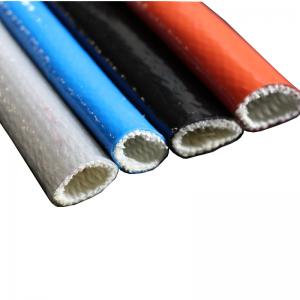
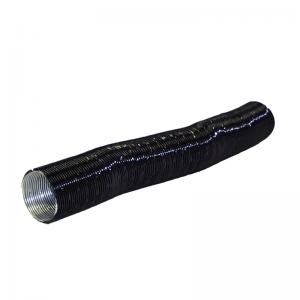
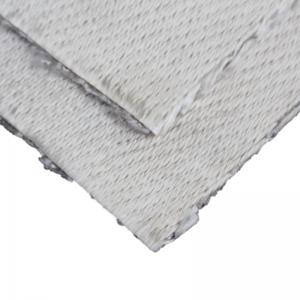
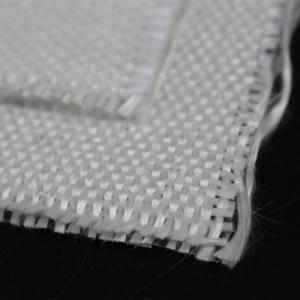
For a tubular installation, the BSTFLEX heat-treated fire-resistant sleeve for hoses and cables uses a heat-treated braided fiberglass substrate beneath a silicone rubber coating. Include this construction in the sample review where the project specifies a heat-treated textile substrate.
The EFRS braided silicone fiberglass fire sleeve is another tubular option. Compare the proposed size, wall construction and installation path rather than assuming two catalog references are interchangeable because both have a silicone exterior.
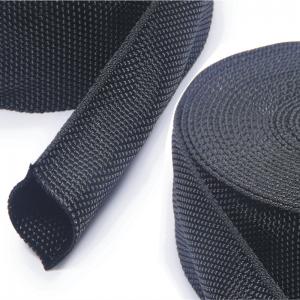
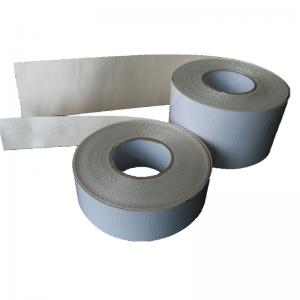
Where connectors prevent end-entry installation, evaluate a hook-and-loop fire sleeve for existing cables. The BSTFLEX VFRS construction uses silicone-coated braided fiberglass with an internally sewn flame-retardant nylon hook-and-loop closure. Review the closure, stitching and overlap as part of the complete cover, not just the sleeve body.
Request applicable operating limits for the selected configuration. An openable format provides installation and inspection access; it does not, by itself, establish a higher thermal rating or electrical qualification.
Consider a hypothetical installation with a sensor cable and a motor-power cable passing near the same heated enclosure. Both require an external-exposure review, but a successful sleeve trial on one does not approve the other.
For the sensor cable, review the complete lead, connector and sensor-side temperature limits, together with the actual electrical loading and required signal performance. For the motor cable, include its operating current, duty cycle and installation arrangement in the thermal assessment.
If the motor cable runs inside flexible conduit, assess the whole covered conduit section. Do not use the outside temperature of the new sleeve as a direct measurement of conductor temperature. The measurement method and acceptance limits should be selected by the responsible electrical engineer.
Approve the two routes against their own requirements, even when the same sleeve material is suitable for both.
A silicone fiberglass fire sleeve should not be treated as a replacement for primary electrical insulation or used to repair a damaged cable jacket without an approved repair specification. A thermal rating is not a voltage rating. Do not claim electromagnetic shielding or grounding performance from an ordinary thermal sleeve without separate qualification.
Keeping a circuit operational during a defined fire exposure requires evidence for the relevant cable or complete protective system and its installation. Adding a fire sleeve does not automatically create a fire-resistive cable assembly or establish an operating time in a fire.
Where the specification requires that performance, request the applicable system evidence. A short-duration flame test on a sleeve material is not an interchangeable result.
Industrial cable heat protection is different from firestopping a penetration through a fire-rated wall or floor. Products described as cable fire sleeves in that market may be intumescent or part of a specific penetration system.
Do not substitute a silicone-coated fiberglass sleeve for the specified firestop. If the covered cable route passes through a rated barrier, have the penetration detail reviewed for the actual cable, conduit and additional covering.
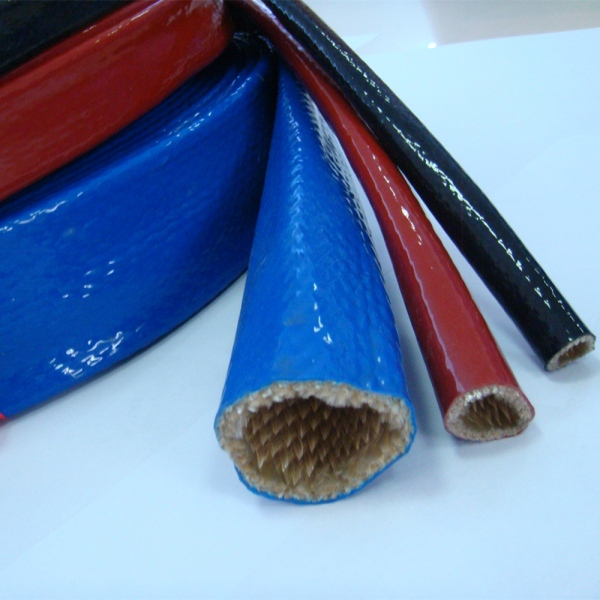
Begin the trial with an identified cable or conduit assembly in serviceable condition. Investigate heat damage, loose connections or abnormal temperatures before fitting an external cover. A new sleeve must not conceal an unresolved electrical defect.
Plan fitting and removal under the site's electrical safe-work procedure. Have qualified personnel isolate the relevant supplies, control stored energy and verify the de-energized condition before hands-on work. Being able to wrap a sleeve around connected cables does not make live installation acceptable.
Record the approved product, coverage endpoints, seam position where applicable and retention details. Check fit in the required machine positions, connection access and identification. Arrange any powered thermal or functional testing through the authorized procedure, with personnel protected from electrical and moving-equipment hazards.
Use a representative duty cycle and agreed acceptance limits. Record whether a temperature measurement relates to the sleeve surface, cable jacket or another location; do not present those readings as equivalent.
For repeat maintenance, retain the installation drawing and the agreed inspection criteria. Specify replacement or reassessment after damage, significant thermal exposure or a change in cable loading, route or equipment duty.
Assembly: Send the cable or conduit reference, actual outside dimensions, connector drawings, branch locations and protected length. State whether the sleeve is installed before termination or around an existing connected assembly.
Service: Identify the heat source, exposure duration, operating duty, movement and expected fluids or contamination. Include the cable's temperature limits and any electrical-design requirements that the external covering must preserve.
Acceptance and delivery: Define the sample evaluation, applicable product documents, quantity, finished lengths and identification. Treat marking, packaging and inspection requirements as order details rather than inferring them from a catalog photograph.
BSTFLEX supplies silicone-coated fiberglass fire sleeves for external cable, hose and line protection. Request product data, samples or an industrial cable fire sleeve quotation with the route drawing and exposure details. The proposed cover can then be evaluated alongside the cable and conduit design rather than as a substitute for it.

 français
 Deutsch
 русский
 italiano
 español
 português
 Nederlands
 العربية
 日本語
 한국의
 Türkçe
 Polski
 Tiếng Việt
 slovenský
 Indonesia