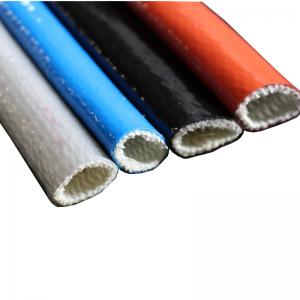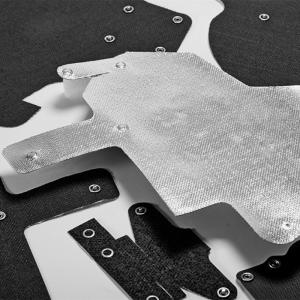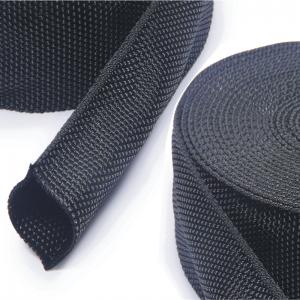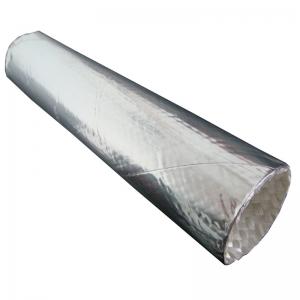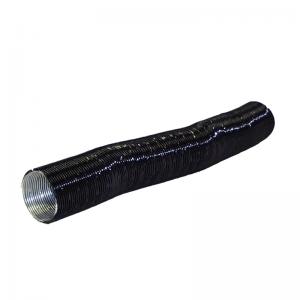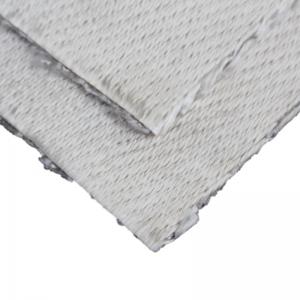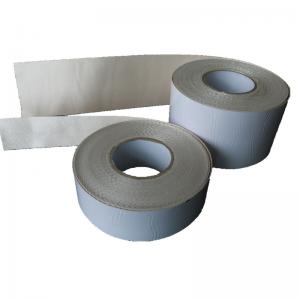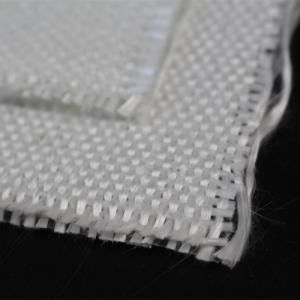
An aluminum foil heat reflective sleeve is a specialized protective material engineered to shield hoses, cables, and wires from extreme radiant heat, abrasion, and environmental exposure. It combines a woven fiberglass or aramid base with an outer aluminum foil layer that reflects high-temperature radiant energy away from sensitive components. Because of its lightweight construction, thermal stability, and ease of installation, this sleeve has become a standard solution in industries such as automotive, aerospace, heavy machinery, marine engineering, and industrial manufacturing.
This article provides an in-depth look at the structure, benefits, applications, and technical performance of aluminum foil heat reflective sleeves. It includes a complete technical data sheet, guidance on product selection, industry use cases, and frequently asked questions to help engineers and buyers make informed decisions.
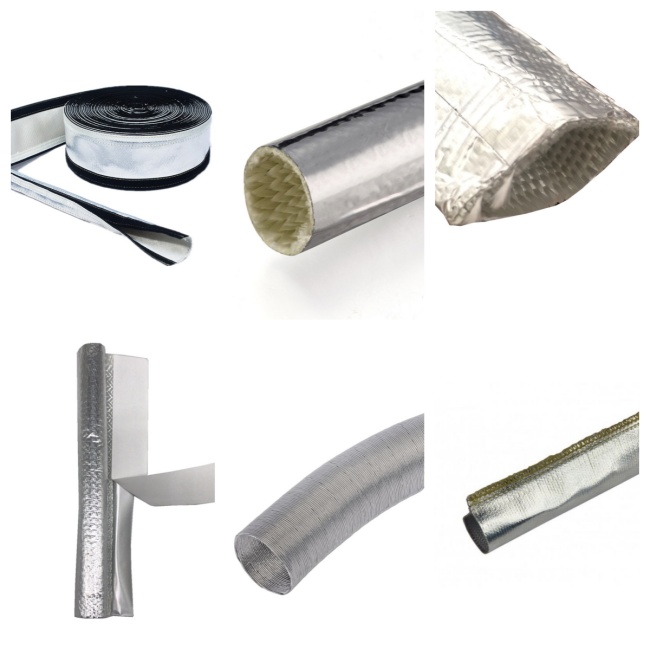
An aluminum foil heat reflective sleeve is a tubular protective covering designed to reduce heat transfer by reflecting radiant energy. The outer aluminum foil layer offers excellent heat reflection, while the inner fiberglass or aramid layer provides high-temperature insulation and mechanical durability. This dual-layer construction creates a powerful thermal barrier that protects components exposed to engine heat, exhaust systems, industrial ovens, or high-friction zones.
The sleeve is flexible, lightweight, and easy to cut or shape, making it suitable for both OEM manufacturing and aftermarket installations.
The aluminum surface reflects up to 90 percent of radiant thermal energy, significantly reducing heat absorption by cables, hoses, and wiring assemblies. This helps maintain performance and longevity even in high-temperature areas.
The inner layer, typically fiberglass or aramid fiber, resists continuous temperatures ranging from 250 to 550 degrees Celsius depending on the material grade. This combination allows the sleeve to perform well in engine bays, turbines, and heated industrial zones.
The reinforced inner sleeve provides mechanical protection against abrasion, vibration, and contact with metal components. It prevents surface wear and reduces the risk of component failure.
The fiberglass or aramid composite layer resists automotive fluids, oils, fuels, and industrial solvents. This ensures reliability in harsh operational environments.
The sleeve can be cut, bent, wrapped, or slipped over hoses and wiring bundles without special tools. Some versions include hook-and-loop or zipper closures, enabling installation without disconnecting components.
Aluminum foil heat reflective sleeves provide effective thermal protection without adding significant weight, making them ideal for aerospace and performance automotive applications.
Used extensively for:
Protecting wiring near exhaust headers
Shielding fuel and oil lines
Wrapping turbocharger components
Reducing heat soak in engine compartments
Aluminum foil heat reflective sleeves help improve engine reliability and prevent heat-related failures.
In aircraft, the sleeve is used for:
Wiring harness insulation
Hydraulic line protection
Heat shielding in engine nacelles
Its lightweight nature makes it suitable for aviation environments.
The sleeve protects equipment such as:
Hydraulic hoses in furnaces
Pneumatic lines near heated processes
Sensor cables in manufacturing environments
It enhances operational safety and reduces maintenance demands.
Used for engine room insulation, cable protection, and machinery exposed to high radiant heat or corrosive environments.
The sleeve helps shield sensitive components from heat generated by transformers, power supplies, and electrical equipment.
| Property | Value |
|---|---|
| Outer Layer | Aluminum foil (heat reflective) |
| Inner Layer | Fiberglass or aramid fiber |
| Continuous Temperature | Approximately 250 to 550 degrees Celsius depending on grade |
| Radiant Heat Reflection | Up to 90 percent |
| Melting Point | Above 1000 degrees Celsius (inner fiberglass) |
| Chemical Resistance | Good against oils, fuels, and solvents |
| Thickness | 0.8 to 2.5 millimeters |
| Standard Diameters | 6 millimeters to 60 millimeters |
| Installation Method | Slip-on, wrap-around, or hook-and-loop versions |
| Abrasion Resistance | High |
| Electrical Insulation | Good (inner layer only) |
These values may vary by manufacturer and construction type.
Basalt offers higher continuous heat resistance, but aluminum foil reflective sleeves provide superior radiant heat reflection and lighter weight.
Silicone-coated sleeves provide better direct heat resistance and moisture protection, but aluminum foil sleeves perform better against radiant heat.
Stainless steel is highly durable, but heavier. Aluminum foil sleeves offer a better balance between weight and thermal performance.
Select a sleeve with suitable continuous and peak temperature ratings for your operating environment.
Measure the outer diameter of cables or hoses to choose the appropriate sleeve size. Consider expansion ranges for braided inner layers.
For environments involving fluids, abrasion, or moisture, choose reinforced or thicker variants.
Slip-on types require component disassembly, while wrap-around sleeves allow quick installation on existing assemblies.
Cut the sleeve cleanly to avoid fraying.
For wrap-around versions, ensure the overlap faces away from heat sources.
Secure both ends with clamps or high-temperature tape for stability.
Inspect regularly for surface damage or contamination.
Replace if aluminum delamination or fiber exposure is observed.
Its primary purpose is to reduce radiant heat exposure to hoses, cables, and wiring systems.
It is designed mainly for radiant heat reflection, not direct flame exposure. For flame resistance, silicone-coated or basalt fiber sleeves may be more suitable.
Yes, it is widely used to protect wiring, hoses, and lines from exhaust and turbocharger heat.
Yes. However, prolonged weather exposure may reduce the aluminum layer's appearance over time.
The sleeve offers good flexibility and can be bent or wrapped around various component shapes.
Most manufacturers offer custom diameters, lengths, and closure types.

 français
 Deutsch
 русский
 italiano
 español
 português
 Nederlands
 العربية
 日本語
日本語 한국의
한국의 Türkçe
 Polski
 Tiếng Việt
 slovenský
 Indonesia