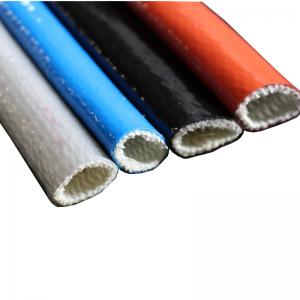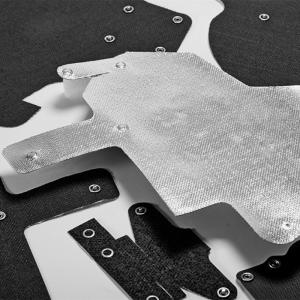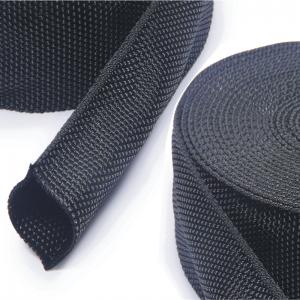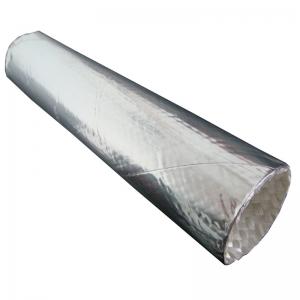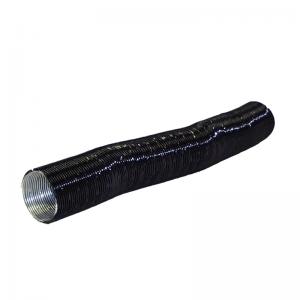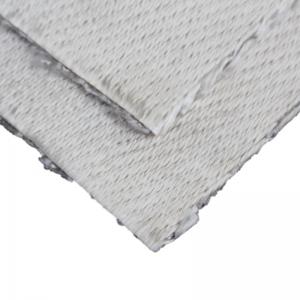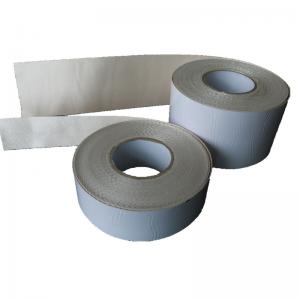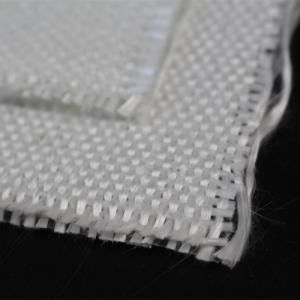
Aluminum foil laminated E-glass needle mat is a high-performance thermal insulation material designed for demanding industrial environments that require superior heat resistance, fire protection, and acoustic absorption. The product is manufactured by mechanically bonding E-glass fibers into a thick, porous mat using a needle-punching process, then laminating one side with high-quality aluminum foil. The combination of E-glass fiber mat and reflective foil surface provides outstanding thermal insulation, radiant heat reflection, dimensional stability, and long-term durability.

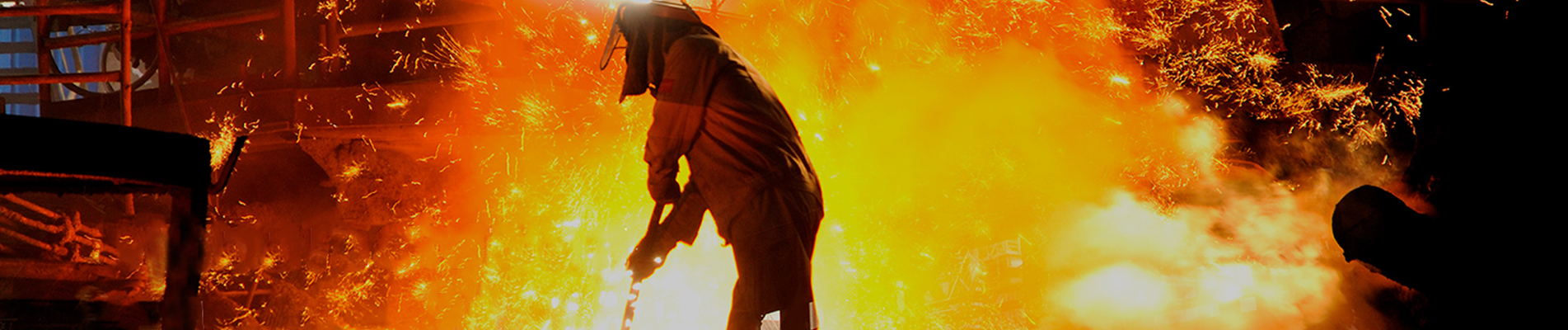
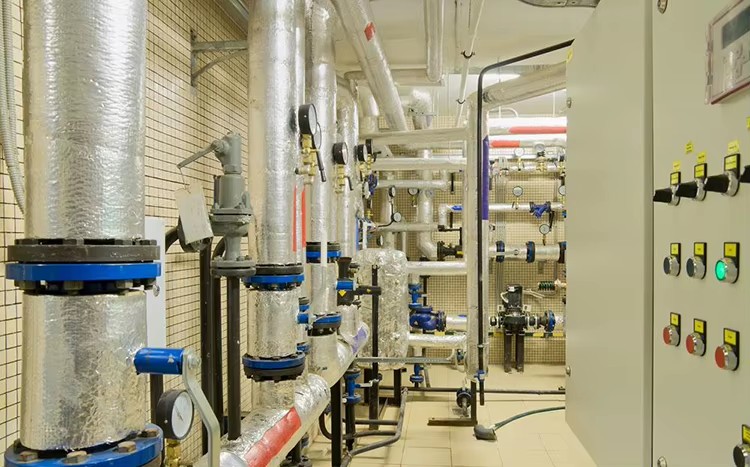
Industries such as automotive manufacturing, shipbuilding, construction, HVAC, metallurgy, and energy production rely on aluminum foil laminated E-glass needle mat to insulate engine compartments, exhaust systems, furnaces, pipe networks, and heat-intensive machinery. This article presents a comprehensive examination of the material’s composition, performance benefits, technical characteristics, installation guidelines, and frequently asked questions. It offers detailed insights for engineers, procurement professionals, insulation contractors, and industrial users seeking reliable high-temperature solutions.
Aluminum foil laminated E-glass needle mat is a composite insulation product consisting of two primary layers. The inner layer is an E-glass needle mat, created through a mechanical process that interlocks fine glass fibers, producing a strong, flexible, and highly porous insulation mat. The outer layer is aluminum foil bonded to the mat’s surface, providing reflective heat shielding and improved barrier properties.
The E-glass fibers offer non-combustibility, high tensile strength, and stability at temperatures up to approximately 550 degrees Celsius. The aluminum foil enhances thermal efficiency by reflecting radiant heat, lowering heat transfer rates, and providing resistance to moisture, oil, and airborne contaminants. Together, these layers create a multi-functional insulation material capable of supporting both thermal and acoustic requirements in industrial applications.
E-glass needle mat maintains structural stability at temperatures approaching 550 degrees Celsius, making it suitable for environments where sustained heat exposure is unavoidable. The aluminum foil surface adds radiant heat reflection, reducing surface temperatures and improving insulation efficiency.
Aluminum foil reflects a significant portion of radiant heat, reducing energy loss and creating a barrier that enhances the mat’s thermal performance. This is especially beneficial in engine bays, exhaust systems, and furnace insulation where radiant heat is a major concern.
E-glass fibers are inherently non-flammable and do not support combustion. This makes the laminated mat an excellent choice for fire protection systems and environments where flame-resistant materials are required.
The porous structure of the needle-punched mat absorbs sound waves, providing effective acoustic dampening. This dual benefit of heat and noise reduction is advantageous in automotive cabins, generator rooms, and HVAC equipment.
The dense fiber structure provides tensile strength and dimensional stability even in high-vibration environments. The aluminum layer adds surface durability and protection from mechanical wear.
Aluminum foil creates a surface barrier that helps prevent moisture absorption and protects the underlying fiberglass from contamination caused by oil, dust, and industrial fluids.
Despite its high insulation capacity, the product remains lightweight and flexible. It can be cut, shaped, and installed using simple tools, making it suitable for complex equipment layouts.
Aluminum foil laminated E-glass needle mat is widely used in automotive exhaust insulation, turbocharger heat shields, catalytic converter protection, and engine compartment thermal management. It reduces heat transfer to surrounding components while lowering cabin noise levels.
Marine engine rooms, generator compartments, and exhaust ducts use this insulation material to manage heat, improve safety, and reduce acoustic pollution. The foil barrier protects the mat from oil and moisture common in marine environments.
The mat is used behind furnace panels, inside thermal chambers, and around industrial heating systems where high temperatures require durable and fire-resistant insulation.
The product serves as an insulation layer in duct systems, building partitions, fire protection barriers, and acoustic wall structures.
Generators, boilers, turbines, and heat exchangers use aluminum laminated fiberglass mats to maintain operational efficiency and thermal stability.
These industries use insulation materials that deliver both thermal and acoustic performance in confined engineering spaces.
The mat is produced by distributing loose E-glass fibers onto a conveyor belt where industrial needles repeatedly punch and entangle the fibers. This creates a bonded, uniform, and highly porous insulation layer without chemical binders.
High-grade aluminum foil is laminated onto the surface using adhesive resins, thermal bonding, or mechanical pressing methods. The foil enhances heat reflection, moisture protection, and surface durability.
The mat is available in a range of thicknesses from three to twenty-five millimeters and densities from eighty to one hundred sixty kilograms per cubic meter. Thickness selection depends on thermal performance requirements.
| Property | Value |
|---|---|
| Base Material | E-glass needle-punched mat |
| Surface Layer | Aluminum foil laminated on one side |
| Continuous Temperature Resistance | Approximately 550 degrees Celsius (mat layer) |
| Thermal Conductivity | Low, dependent on density and thickness |
| Density | 80 to 160 kilograms per cubic meter |
| Thickness | 3 to 25 millimeters |
| Aluminum Foil Thickness | Typically 7 to 25 microns depending on grade |
| Acoustic Absorption | High due to porous fiber structure |
| Combustibility | Non-combustible E-glass fiber |
| Moisture Resistance | Improved with aluminum foil surface |
| Tensile Strength | Moderate to high depending on density |
| Standard Width | Commonly 1 meter or custom sizes |
| Typical Applications | Automotive, marine, HVAC, furnace insulation, acoustic panels |
Values vary based on specific manufacturing standards and user requirements.
E-glass fiber insulation mat, aluminum laminated heat shield, high temperature fiberglass insulation, needle punched glass fiber mat, industrial thermal protection material, radiant heat reflective insulation, exhaust system heat shielding
Needle mats provide higher acoustic absorption and lower thermal conductivity due to their thick, porous structure. Laminated foil enhances performance significantly.
Rock wool offers good insulation but lacks the mechanical strength and flexibility of E-glass needle mats.
Ceramic fibers withstand higher temperatures but are more brittle, more costly, and may release airborne fibers that require additional handling precautions.
The addition of aluminum foil dramatically increases radiant heat reflectivity and surface durability.
Choose a mat thickness and density that match your application's heat exposure levels.
Thicker mats provide better insulation but may require additional space for installation.
Thicker foil improves mechanical durability and radiant heat reflection.
For marine or oil-rich environments, aluminum foil laminated versions offer better protection against contamination.
Accurate sizing ensures easier installation, especially in confined spaces.
The mat can be cut with sharp blades. The foil side should face the heat source for maximum efficiency.
Use pins, mechanical fasteners, adhesives, or wrapping techniques depending on the installation environment.
Over-compressing reduces insulation performance by decreasing air pockets within the fiber mat.
When installing multiple pieces, overlap foil edges to minimize heat leakage.
Check periodically for foil tears, contamination, or mechanical damage.
Dust can be removed with low-pressure air. Avoid wet cleaning to preserve adhesive integrity.
Replace insulation that shows signs of thermal degradation or significant mechanical wear.
It is used for high-temperature insulation, fire protection, acoustic absorption, and radiant heat shielding in automotive, marine, industrial, and HVAC applications.
The fiberglass mat layer withstands temperatures up to approximately 550 degrees Celsius. The aluminum foil layer provides additional radiant heat protection.
Yes. The foil surface should face toward the heat source to maximize radiant heat reflection.
E-glass fibers are non-combustible. The mat does not burn and offers excellent fire protection.
Yes. The porous structure provides strong sound absorption, especially in engine and machinery environments.
Yes. The aluminum foil surface offers moisture and oil resistance, making the product suitable for marine and outdoor installations.
Yes. It is widely used in exhaust systems, catalytic converter shielding, turbocharger insulation, and engine compartment heat management.
Aluminum foil laminated E-glass needle mat is a versatile and reliable insulation material engineered for high-temperature industrial environments. With its excellent thermal resistance, radiant heat reflection, acoustic absorption, and non-combustible properties, it meets the demanding requirements of automotive, marine, HVAC, power generation, and industrial manufacturing applications. The combination of thick E-glass fibers and aluminum foil lamination ensures long-term performance, durability, and safety. By selecting the appropriate thickness, density, and foil grade, users can optimize insulation efficiency and extend the service life of critical equipment and systems.

 français
 Deutsch
 русский
 italiano
 español
 português
 Nederlands
 العربية
 日本語
日本語 한국의
한국의 Türkçe
 Polski
 Tiếng Việt
 slovenský
 Indonesia