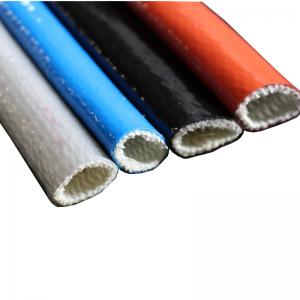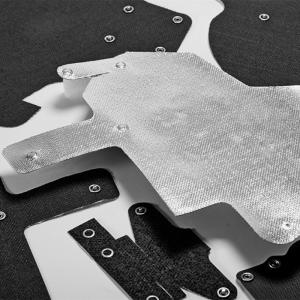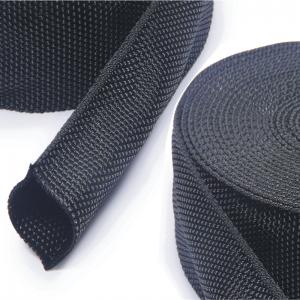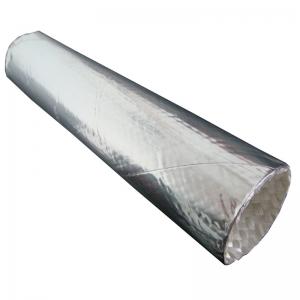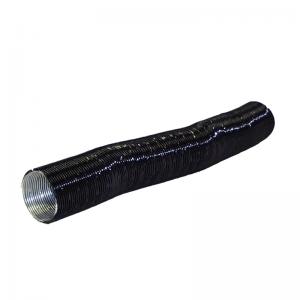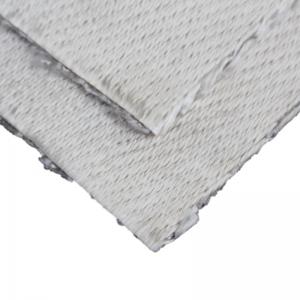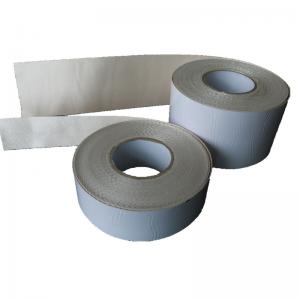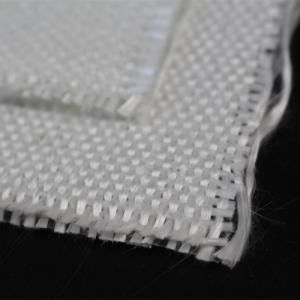
A hydraulic hose sleeve is a protective covering specifically designed to shield hydraulic hoses from abrasion, impact, fluid exposure, and operational hazards. As hydraulic systems operate under high pressure and harsh environmental conditions, hoses naturally face wear from friction, vibration, UV exposure, chemical contact, and accidental impact. Without adequate protection, hydraulic hoses can fail prematurely, resulting in equipment downtime, maintenance costs, and significant safety risks.
Hydraulic hose sleeves play a crucial role in preventing hose degradation while improving system reliability. Whether installed on heavy machinery, agricultural equipment, mining tools, industrial robots, construction vehicles, or transportation systems, a properly engineered sleeve ensures that hoses remain protected throughout their service life. This article offers a comprehensive overview of hydraulic hose sleeves, covering material options, structural characteristics, industrial applications, performance advantages, technical specifications, installation guidelines, and frequently asked questions.

A hydraulic hose sleeve is a tubular or wrap-around protective layer designed to encase hydraulic hoses and shield them from external forces. It may be made from woven textiles, rubber composites, thermoplastics, or engineered fibers depending on performance requirements. The sleeve prevents abrasion where the hose rubs against metal surfaces, machinery parts, or other hoses, and it also serves as a safety containment mechanism in case of hose failure.
Manufacturers produce hydraulic hose sleeves in various sizes, thicknesses, and materials. Some sleeves focus on abrasion control, while others provide burst protection, UV resistance, contamination defense, or thermal insulation. The selection depends on the operating environment, hose type, and equipment demands.
One of the primary roles of a hydraulic hose sleeve is to protect against abrasion caused by constant rubbing or vibration. As hoses move during operation, they may contact metal parts or other surfaces. The sleeve acts as a buffer, preventing damage to the hose outer cover.
Some hydraulic hose sleeves are engineered to contain fluid spray in the event of hose rupture. This containment helps prevent injection injuries, burns, and equipment damage, especially in high-pressure systems.
By minimizing surface damage and environmental exposure, hose sleeves significantly increase the operational lifespan of hydraulic hoses, reducing maintenance frequency and cost.
Hydraulic systems may operate in harsh settings such as mines, forests, construction zones, and manufacturing plants. Hose sleeves help protect against:
UV radiation
Moisture
Dirt and dust
Chemicals or oils
Debris impact
Sleeves help bind hoses together, keeping machinery organized, reducing entanglement, and improving mechanical efficiency.
Some specialized hydraulic hose sleeves provide thermal insulation or heat resistance, enabling hoses to operate near engines, furnaces, or heated machinery.
Reducing the likelihood of hose damage helps maintain system pressure stability and prevents operational failures that could lead to accidents.
Used for abrasion-heavy environments, these sleeves offer strong mechanical durability. They are non-expandable, highly stable, and suitable for equipment subjected to frequent movement.
Made from high-density plastics, spiral wraps protect hoses from crushing, abrasion, and minor impacts. They are commonly used for bundling multiple hoses.
Specialized sleeves capable of containing hydraulic oil spray in case of hose rupture, helping comply with industrial safety standards.
These sleeves use materials such as fiberglass with heat-resistant coatings, allowing operation near high-temperature components.
Lightweight and flexible, suitable for general abrasion protection and hose bundling.
Provide strong chemical resistance and mechanical protection in environments exposed to oils and hydrocarbons.
Hydraulic excavators, loaders, cranes, graders, and drilling machines depend heavily on hoses that operate under demanding conditions. Sleeves protect from abrasion and impact caused by rocky terrain and constant motion.
Harsh underground environments require robust protection against rock fragments, vibration, and high-pressure bursts.
Tractors, harvesters, sprayers, and forestry machines use sleeves to guard hoses against branches, debris, and outdoor weathering.
Robotic arms, press machines, conveyors, and forging machines rely on hose sleeves to maintain durability under repetitive motion.
Hydraulic power units, rigs, and refinery systems use sleeves for burst protection and chemical resistance.
Marine hydraulic systems operate in corrosive environments. Hose sleeves offer protection from salt spray, moisture, and equipment vibration.
Power steering lines, braking systems, and trailer hydraulics benefit from abrasion-resistant sleeves.
Most hydraulic hose sleeves emphasize mechanical strength, using durable fibers or engineered plastics that resist tearing and surface wear.
Sleeves must flex with the hose without restricting movement. Materials are selected for their ability to bend repeatedly without cracking.
Modern hydraulic hose sleeves incorporate UV stabilizers, chemical-resistant coatings, or waterproof finishes for long-term stability.
Non-expandable sleeves maintain consistent diameter and structural shape, improving reliability for hoses with fixed outer dimensions.
| Property | Value |
|---|---|
| Material Options | Nylon, polyester, rubber, thermoplastic, fiberglass, high-density polymer |
| Temperature Range | Minus 40 to 120 degrees Celsius, higher for specialized sleeves |
| Abrasion Resistance | High, depending on thickness and weave density |
| Burst Containment | Available in safety-rated designs |
| UV Resistance | Moderate to high depending on material |
| Chemical Resistance | Good against oils and hydraulic fluids |
| Available Widths | Varies by design and hose diameter |
| Wall Thickness | Approximately 1 to 2 millimeters for heavy-duty textile sleeves |
| Flexibility | High |
| Common Usage | Hydraulic lines in machinery, industrial equipment, vehicles, and automation systems |
Note: Exact values depend on sleeve type and manufacturer.
hydraulic hose abrasion sleeve
protective hydraulic line covering
industrial hose wear protection
safety containment hose guard
high-pressure hose sleeve
hose bundling protection wrap
mechanical abrasion control sleeve
A damaged hose may halt operations entirely. Sleeves prevent premature wear, minimizing unexpected equipment stops.
Burst sleeves offer containment, reducing risk of dangerous hydraulic fluid injection injuries.
Less frequent hose replacements translate into lower maintenance expenses over time.
Sleeves help prevent dust buildup and reduce contamination around hydraulic systems.
Maintaining hose integrity ensures stable hydraulic pressure and optimal machine performance.
For heavy abrasion environments, woven textile sleeves are preferred. For chemical exposure, choose rubber or polymer-based designs.
In high-pressure applications, burst-containment sleeves are essential.
Choose heat-resistant sleeves for operation near engines or high-temperature machinery.
Accurate diameter measurement ensures proper fit and optimal protection.
Machines with frequent hose movement require highly flexible sleeves.
Ensure the hose is free from deep abrasions, cracks, or fluid leaks before applying a sleeve.
Cut the sleeve to proper length using sharp tools to avoid fraying.
Depending on sleeve design, either slide the hose through the sleeve or wrap the sleeve around it.
Use hose clamps, straps, or heat-shrink bands to prevent sleeve movement.
Confirm that the sleeve does not restrict hose movement or bend radius.
Inspect hoses periodically for wear at contact points, especially near joints and clamps.
Remove debris using compressed air or mild cleaners if needed.
Replace sleeves showing excessive wear, cuts, or weakening.
Store sleeves in dry, cool conditions to prevent degradation.
It protects hydraulic hoses from abrasion, heat, chemical exposure, and helps contain fluid spray in case of hose failure.
While not always required, they are highly recommended for increasing hose lifespan and improving safety.
No. Quality sleeves flex naturally with the hose without restricting movement.
Burst-containment sleeves reduce the risk by containing fluid spray during failure.
Certain types are engineered for elevated temperatures, especially fiberglass or coated versions.
Service life varies by material and environment, but high-quality sleeves last several years under normal use.
Yes. UV-resistant materials are suitable for outdoor and agricultural machinery.
Hydraulic hose sleeves are essential components for extending hose life, improving equipment safety, reducing abrasion, and maintaining hydraulic system integrity. With a wide array of material options, protective features, and application benefits, sleeves are suitable for nearly every industry that relies on hydraulic systems. Selecting the proper sleeve based on temperature, environmental exposure, abrasion demands, and safety requirements ensures optimal performance and long-term equipment reliability. With proper installation and maintenance, hydraulic hose sleeves provide cost-effective protection and significantly enhance system durability.

 français
 Deutsch
 русский
 italiano
 español
 português
 Nederlands
 العربية
 日本語
日本語 한국의
한국의 Türkçe
 Polski
 Tiếng Việt
 slovenský
 Indonesia