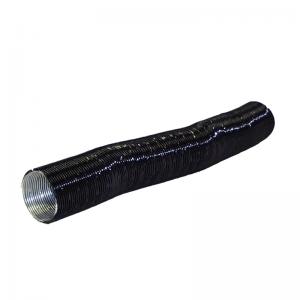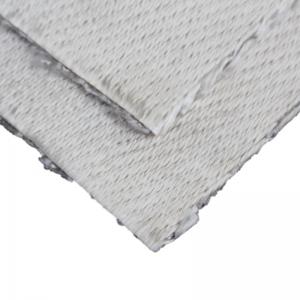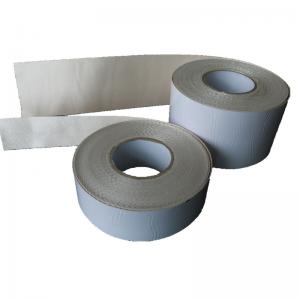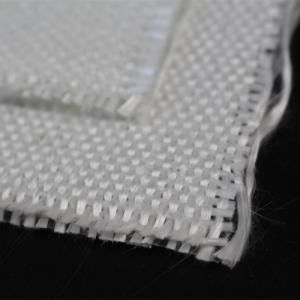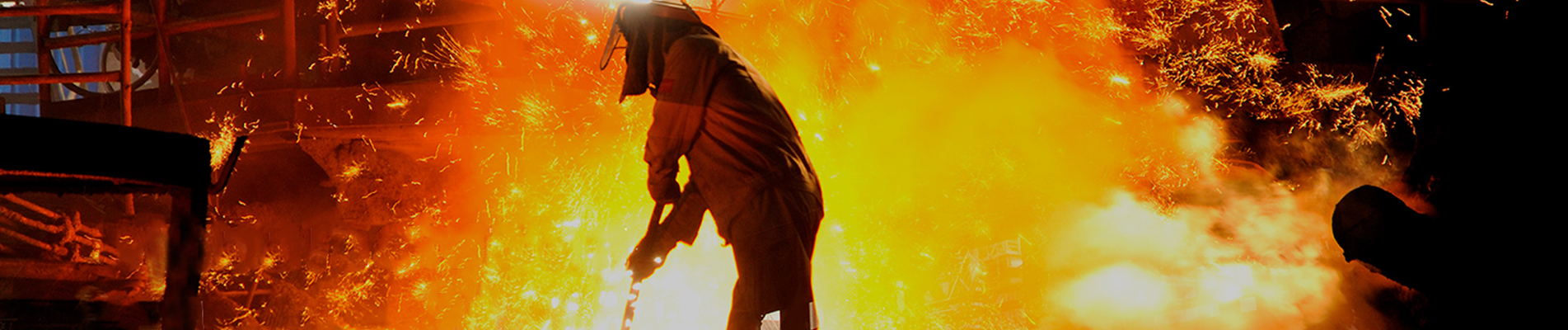
In demanding industrial environments, where equipment must perform reliably under high temperatures, mechanical stress, and chemical exposure, materials used for thermal protection need to do more than just insulate. Woven fiberglass fabric stands out not only as a high-temperature barrier but also as a structurally durable solution that meets the performance expectations of modern industry.
A Dual-Purpose Solution: Thermal and Structural Performance
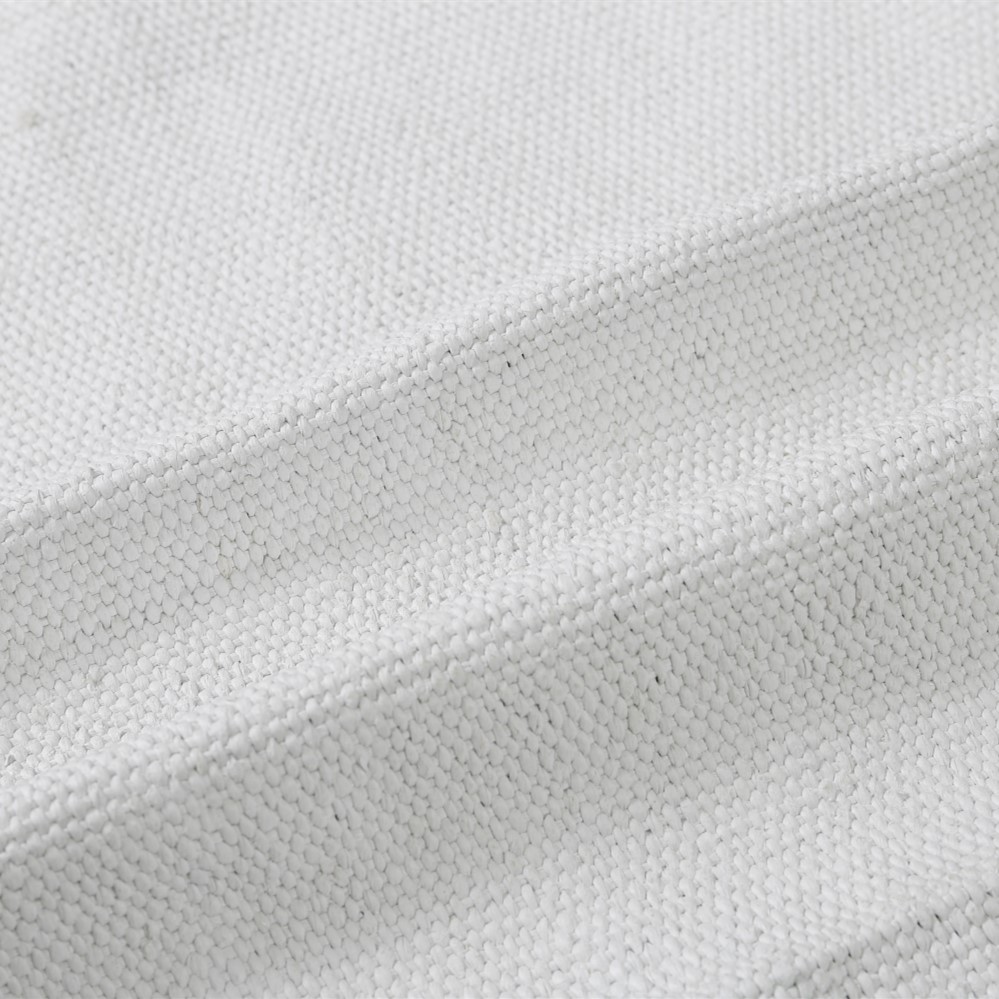
Woven fiberglass fabric is engineered from fine glass filaments that are woven into a strong, flexible textile. Its inherent properties allow it to resist continuous exposure to temperatures up to 1000°F (540°C) or higher, depending on the glass type. But beyond its heat resistance, what truly distinguishes this material is its mechanical resilience—delivering strength, dimensional stability, and surface durability in applications that demand both protection and performance.
Mechanical Strength
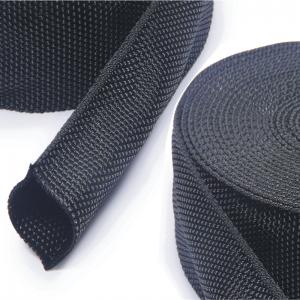
Unlike many insulation materials that degrade under stress, woven fiberglass fabric maintains its structural integrity under mechanical loads. It offers high tensile strength, tear resistance, and low elongation under tension. This makes it suitable for wrapping, covering, and reinforcing industrial components where both heat and movement are factors.
Thermal Stability
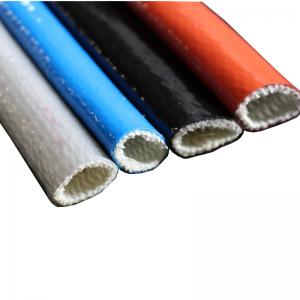
Fiberglass fabric offers consistent insulation performance across a wide temperature range. It resists thermal breakdown, combustion, and shrinkage, even when exposed to open flames or radiant heat. When enhanced with coatings such as silicone, PTFE, or vermiculite, its thermal performance and abrasion resistance are further improved.
Industrial Applications That Demand More
High-Temperature Pipe Wrapping
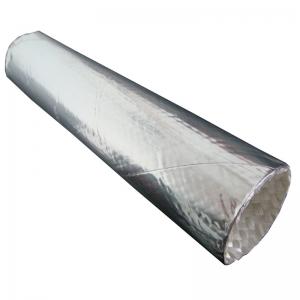
Used to insulate steam lines, exhaust systems, and thermal piping in power plants, chemical processing facilities, and refineries. The fabric maintains a secure wrap without sagging or tearing under high heat and vibration.
Furnace and Boiler Insulation Jackets
Woven fiberglass fabric serves as the outer shell of removable insulation blankets and jackets. Its strength helps retain insulation layers and shields operators from radiant heat while remaining flexible for repeated handling.
Welding Protection and Heat Shields
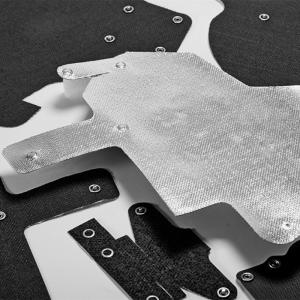
As welding curtains, drapes, or heat shields, fiberglass fabric resists molten metal splash and grinding sparks. It offers a reliable safety barrier without breaking down during prolonged exposure to elevated temperatures.
Expansion Joint Covers and Gasketing
In ducts and industrial ventilation systems, woven fiberglass fabric is used to fabricate expansion joints that flex with system movement while resisting heat, chemical vapors, and mechanical fatigue.
Foundry and Metallurgy Applications
In steel mills and foundries, it protects workers and equipment from direct exposure to extreme temperatures and molten material. Its low thermal conductivity and resistance to slag and metal splash make it indispensable.
Built for Harsh Environments
From structural reinforcement to thermal containment, woven fiberglass fabric delivers multi-functional protection across a broad range of sectors, including aerospace, power generation, petrochemicals, marine, and heavy manufacturing. Its long-term durability, minimal maintenance needs, and compatibility with various coating technologies make it a cost-effective and high-performance choice for engineers and procurement teams alike.
Conclusion
Woven fiberglass fabric is more than an insulator—it is a critical component in the design and protection of high-performance industrial systems. Its unique combination of thermal resistance and structural integrity makes it the material of choice when safety, longevity, and efficiency cannot be compromised.

 français
 Deutsch
 русский
 italiano
 español
 português
 Nederlands
 العربية
 日本語
日本語 한국의
한국의 Türkçe
 Polski
 Tiếng Việt
 slovenský
 Indonesia