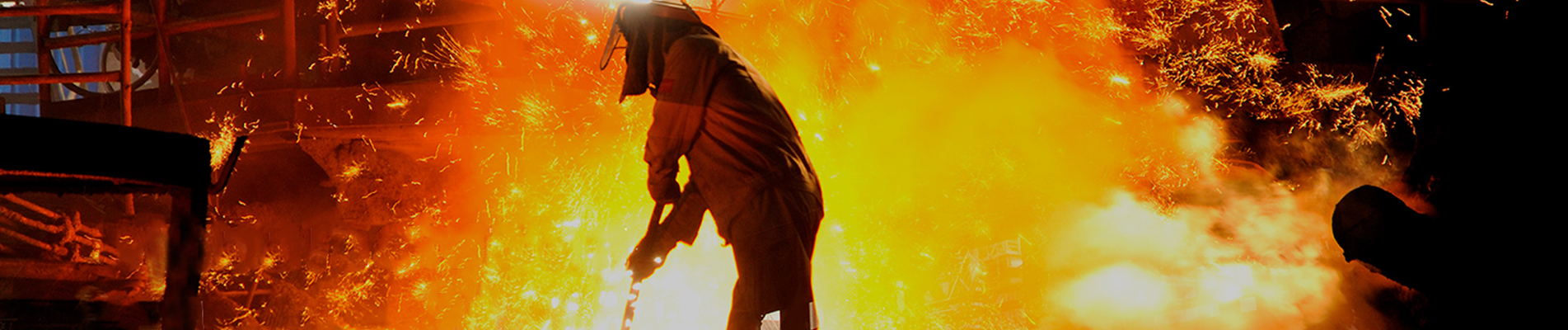
As industries continue to seek materials that can withstand extreme temperatures, friction, and chemical exposure, basalt tape has emerged as a proven solution for thermal and abrasion protection. Derived from natural volcanic rock fibers, basalt tape offers a unique combination of high heat resistance, tensile strength, and environmental durability.
In this article, we’ll explore five real-world case studies that demonstrate how companies across the automotive, marine, aerospace, and metallurgical sectors use basalt tape to solve challenging heat and abrasion issues—and achieve measurable performance improvements.
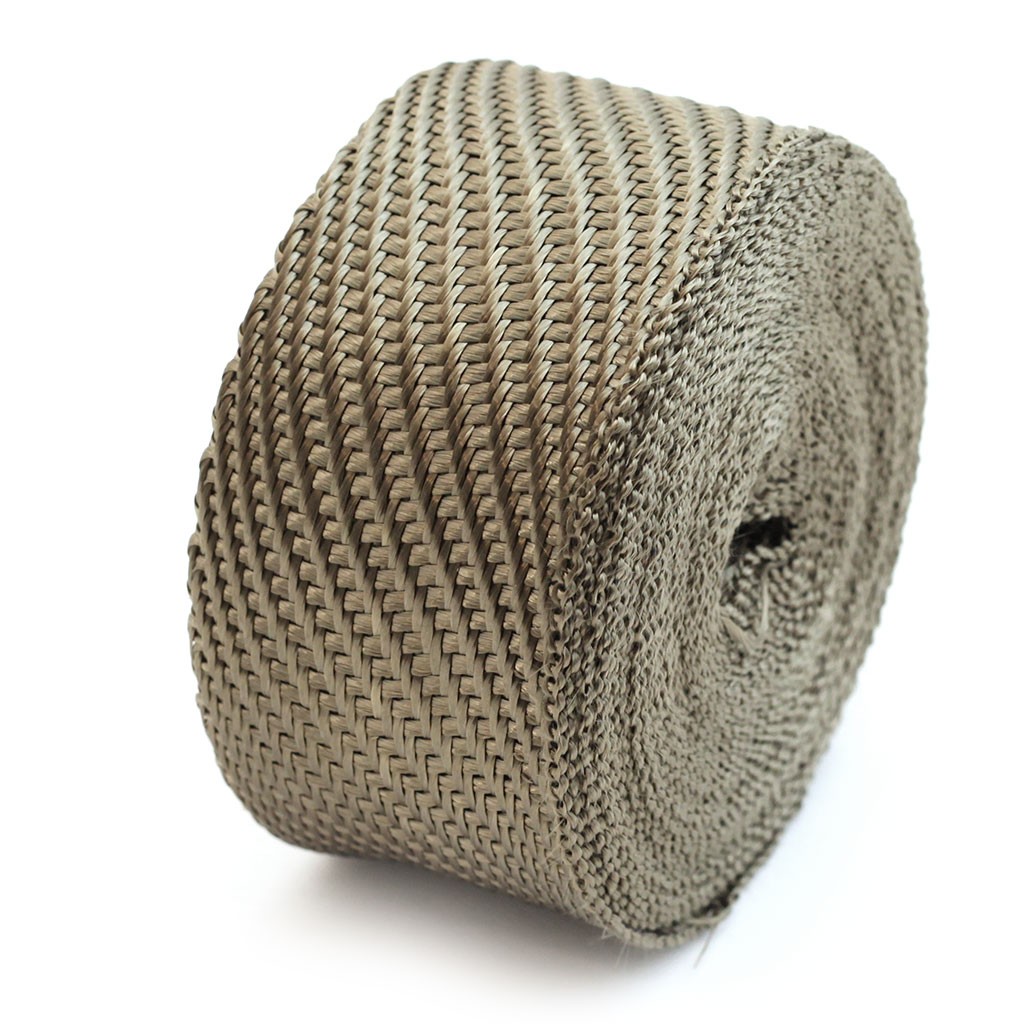
In a high-performance tuning workshop, engineers faced a recurring issue with engine bay heat soak that was affecting fuel line efficiency and nearby electrical components. Traditional fiberglass wraps deteriorated quickly and failed to maintain stable insulation under high vibration.
After switching to basalt tape rated for 800°C (1,472°F), the team achieved a surface temperature reduction of over 50% on exhaust manifolds. The basalt fibers’ superior thermal barrier not only reduced radiant heat but also prevented hose cracking and wire damage.
Result:
Temperature around sensitive wiring dropped from 140°C to 68°C.
Maintenance intervals extended by 40%.
Improved engine reliability under sustained high-load conditions.
A commercial marine operator reported frequent degradation of thermal insulation materials due to saltwater exposure and high humidity. Fiberglass wraps absorbed moisture and weakened over time.
The company implemented basalt tape to insulate exhaust pipes and fuel lines within the engine compartment. Basalt’s non-corrosive and hydrophobic properties provided exceptional durability even in harsh marine environments.
Result:
Zero fiber degradation after 12 months of continuous use.
Stable insulation at operating temperatures up to 750°C.
Reduced maintenance downtime and corrosion-related failures.
An aerospace component manufacturer required a lightweight yet heat-resistant wrap for protecting hydraulic lines near turbine assemblies. Weight constraints ruled out most traditional ceramic-based insulation materials.
Engineers selected basalt tape due to its high strength-to-weight ratio and ability to maintain integrity at extreme temperatures. The tape was used as a spiral wrap and reinforced with a silicone adhesive backing for additional protection.
Result:
Weight reduction of 20% compared to prior ceramic fiber solution.
Continuous operation at 800°C without thermal degradation.
Enhanced mechanical flexibility under vibration and thermal cycling.
In a steel manufacturing plant, technicians used basalt tape to reinforce and insulate hydraulic and pneumatic hoses located near blast furnaces. Previously, hose jackets made from fiberglass failed every few months due to abrasion and heat exposure.
Basalt tape’s high tensile strength and abrasion resistance allowed it to withstand direct radiant heat and slag contact.
Result:
Hose protection lifespan increased from 3 months to over 12 months.
Reduced hose replacement costs by 60%.
Maintained flexibility and insulation after repeated thermal cycling.
In a fabrication workshop, sparks and molten metal frequently damaged cables and flexible air lines. Basalt tape was introduced as a protective wrap and curtain material to shield these components from direct heat and slag exposure.
Result:
Immediate reduction in cable damage incidents by 70%.
Stable performance under short-term exposure up to 1,000°C (1,832°F).
Improved workplace safety and reduced downtime caused by cable replacement.
Across all five industries, basalt tape has demonstrated remarkable durability and versatility. Its success comes from its inherent physical and chemical properties:
Temperature Resistance: Continuous operation at 800°C, peak at 1,000°C.
High Mechanical Strength: Resists tearing, stretching, and abrasion under stress.
Chemical and UV Stability: Inert to most acids and alkalis, ensuring long service life.
Eco-Friendly Composition: Made from 100% natural basalt rock, non-toxic and recyclable.
These qualities make basalt tape a trusted solution for thermal management, mechanical protection, and extended component lifespan across multiple industries.
The proven success of basalt tape in demanding real-world conditions positions it as a next-generation material for heat and abrasion protection. From automotive and aerospace systems to marine and industrial manufacturing, basalt tape consistently delivers reliability, safety, and performance longevity under extreme environments.
As industries move toward sustainable and high-performance materials, basalt tape stands out as a cost-effective and eco-conscious solution—one that continues to redefine the future of high-temperature insulation.

 français
 Deutsch
 русский
 italiano
 español
 português
 Nederlands
 العربية
 日本語
日本語 한국의
한국의 Türkçe
 Polski
 Tiếng Việt
 slovenský
 Indonesia