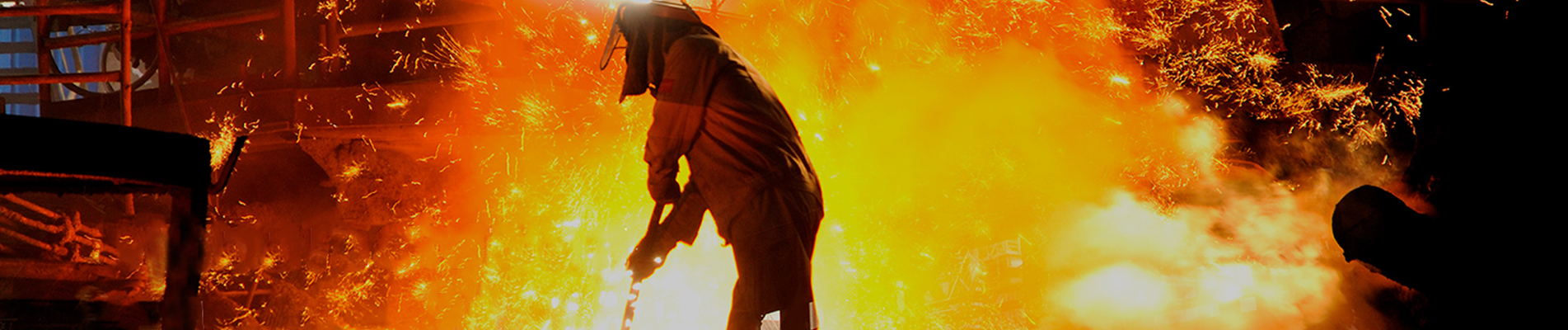
In demanding hydraulic systems, hoses are constantly exposed to heat, abrasion, pressure, and environmental stress. A damaged hydraulic hose can lead to leaks, downtime, and costly repairs. Installing a high-quality hydraulic hose sleeve is one of the most effective ways to protect hoses and extend their service life. This guide explains the purpose, materials, installation methods, and key benefits of hydraulic hose sleeves for industrial and mobile hydraulic applications.
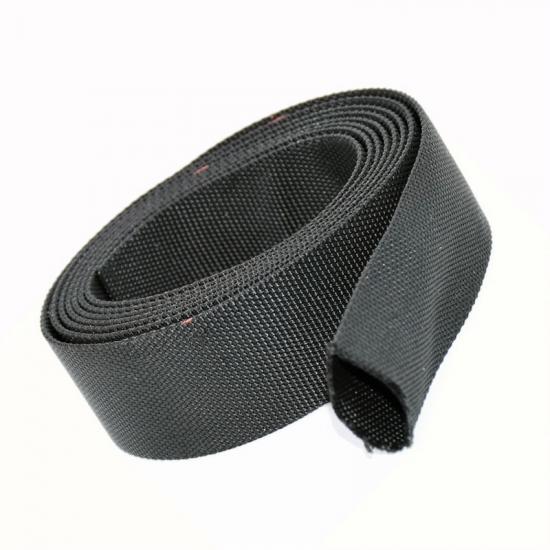
A hydraulic hose sleeve is a protective cover designed to shield hydraulic hoses from external wear, impact, and high temperatures. It wraps around the hose to prevent abrasion from contact with sharp edges, friction between hoses, and exposure to heat or flames. Depending on the material and structure, it can also provide containment protection in case of hose failure, helping to enhance workplace safety.
Hydraulic hose sleeves are widely used in industries such as construction, agriculture, mining, automotive, and manufacturing, where hydraulic systems operate under tough conditions.
Selecting the right sleeve material depends on the working environment, temperature, and mechanical stress. The most commonly used materials include:
Nylon sleeves offer excellent abrasion resistance and flexibility. They are lightweight, easy to install, and suitable for protecting hoses in dynamic or high-movement applications. Nylon sleeves are ideal for mobile equipment where hoses are exposed to continuous flexing and vibration.
Polyester sleeves provide strong protection against wear and are highly durable in harsh conditions. They resist UV radiation and weathering, making them suitable for outdoor use. Polyester hydraulic hose sleeves are also cost-effective and easy to handle.
Polypropylene (PP) sleeves are known for their resistance to chemicals, oils, and corrosion. They are commonly used in hydraulic systems exposed to chemical splashes or oily environments. PP sleeves are lightweight and offer good mechanical strength.
Fiberglass sleeves are designed for high-temperature resistance. They can withstand continuous heat and occasional flame exposure, making them suitable for applications near engines, exhausts, or furnaces.
Silicone-coated fiberglass sleeves combine the heat resistance of fiberglass with the flexibility and durability of silicone rubber. They provide excellent insulation and protection against molten metal splash, high-temperature steam, and hot oils. These sleeves are commonly used in heavy-duty thermal protection environments.
Aramid sleeves (such as Kevlar®) are extremely strong and lightweight. They provide outstanding abrasion and cut resistance and can withstand high continuous temperatures. Aramid hydraulic hose sleeves are typically used in aerospace, defense, and motorsport applications.
A metal spring guard is a helical steel or stainless-steel coil wrapped around the hose. It prevents crushing, kinking, and external damage from sharp edges or mechanical impact. Metal spring guards are preferred in environments with high mechanical stress or where extra rigidity is needed.
Proper installation ensures maximum protection and performance. There are several common installation types:
Slip-on design: The sleeve is slid onto the hose before fittings are crimped. This type provides full coverage and a clean appearance.
Wrap-around design: Often made with Velcro or hook-and-loop closure, allowing easy installation on existing hose assemblies without disconnecting fittings.
Coiled or spiral design: Metal or plastic guards that wrap around hoses in a spiral pattern, suitable for flexible and adjustable coverage.
When installing, ensure the sleeve fits snugly but not too tight, covering all critical areas where abrasion or heat exposure may occur.
A hydraulic hose sleeve shields hoses from abrasion, impact, heat, and environmental exposure, significantly extending hose service life.
In the event of hose failure, a sleeve can contain high-pressure fluid bursts, protecting nearby operators and equipment.
By preventing early hose wear and leaks, sleeves minimize downtime and replacement costs, improving system reliability.
Using sleeves helps group multiple hoses neatly, preventing tangling and improving the overall appearance of hydraulic assemblies.
With multiple materials available—nylon, polyester, fiberglass, silicone, aramid, and metal—engineers can select the right sleeve for any working condition, from low-pressure agricultural systems to high-temperature industrial machinery.
When selecting a hydraulic hose sleeve, consider the following factors:
Operating temperature range
Exposure to heat, oil, or chemicals
Mechanical stress and movement
Installation requirements (pre-assembled or retrofit)
Regulatory or safety standards
Consulting with a professional sleeve manufacturer ensures the best material and design choice for your specific application.
For reliable and customized hydraulic hose protection solutions, choose a trusted manufacturer like BSTFLEX, specializing in high-performance protection sleeves and wraps for industrial and automotive applications.

 français
 Deutsch
 русский
 italiano
 español
 português
 Nederlands
 العربية
 日本語
日本語 한국의
한국의 Türkçe
 Polski
 Tiếng Việt
 slovenský
 Indonesia