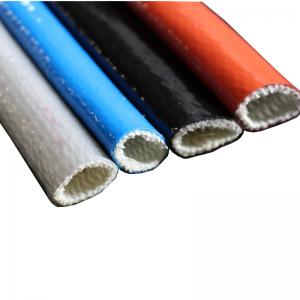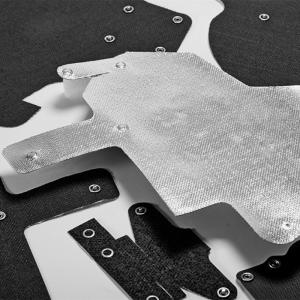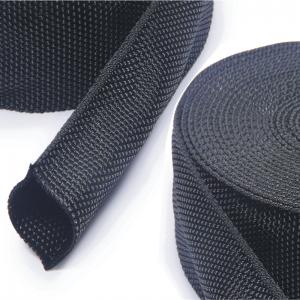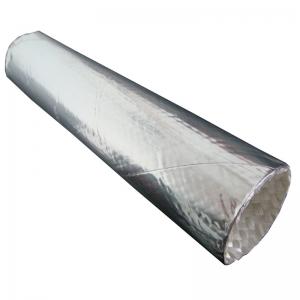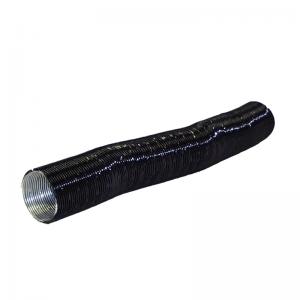
A Combustion Air Inlet Tube plays a critical role in modern heating systems by supplying fresh combustion air from outside the building directly to the heater. Proper combustion air delivery is essential for safe operation, stable flame performance, and high thermal efficiency.
As heating equipment becomes more efficient and buildings become more airtight, the need for a correctly designed and installed combustion air inlet system has increased significantly. Without adequate combustion air, heaters may experience incomplete combustion, pressure imbalance, or operational failure.
This page provides a comprehensive technical overview of the Combustion Air Inlet Tube, including how it works, installation best practices, common problems, and application guidance for various heater types.
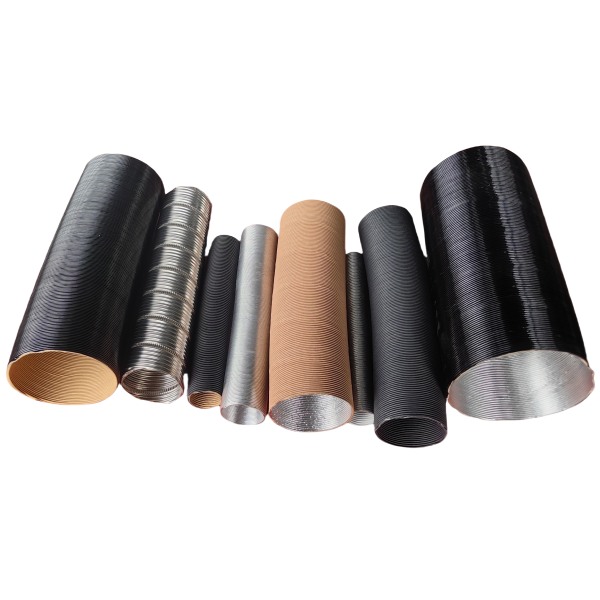
A Combustion Air Inlet Tube is a dedicated pipe or tube that delivers fresh air to the combustion chamber of a heater. Unlike room air combustion systems, this design isolates the combustion process from indoor air, improving both safety and efficiency.
Supplies consistent fresh air for combustion
Prevents negative pressure inside the building
Reduces risk of backdrafting and incomplete combustion
Improves heater efficiency and operational stability
The combustion air inlet tube is commonly used in sealed combustion heaters, high-efficiency furnaces, unit heaters, and boilers.
The Combustion Air Inlet Tube works with all heaters that require a controlled supply of combustion air. Fresh air is drawn from outside the structure and delivered directly to the burner assembly.
This process ensures:
Stable oxygen levels for combustion
Consistent flame characteristics
Reduced contamination from indoor air pollutants
To maintain proper operation, avoid dips in pipe routing. Dips or low points in the combustion air inlet tube can allow condensate to collect, leading to ice buildup in cold climates. This buildup can restrict airflow and inhibit proper heater operation.
Correct routing with a continuous upward or level slope helps eliminate moisture accumulation and ensures reliable performance year-round.
By isolating combustion air from indoor environments, the system reduces the risk of carbon monoxide infiltration and backdrafting.
Stable airflow supports consistent combustion, improving heat output and system reliability.
Proper combustion air delivery allows heaters to operate at designed efficiency levels, reducing fuel waste.
Reduced moisture, corrosion, and pressure fluctuations help extend the service life of heating components.
Correct installation is essential to achieve the full benefits of a Combustion Air Inlet Tube.
Maintain a continuous upward slope where possible
Avoid dips, sags, or low spots in the tubing
Secure piping to prevent movement or vibration
Condensate formation can occur due to temperature differences between indoor and outdoor air. Proper routing and insulation help eliminate condensate buildup and prevent freezing.
Install intake termination away from exhaust outlets
Avoid areas prone to snow accumulation or debris
Follow local building and mechanical codes
| Problem | Cause | Solution |
|---|---|---|
| Restricted airflow | Ice or condensate buildup | Eliminate dips, improve drainage |
| Heater shutdown | Insufficient combustion air | Verify tube sizing and routing |
| Corrosion | Moisture accumulation | Use approved materials and insulation |
| Noise or vibration | Loose or unsupported piping | Secure tubing properly |
Proactive design and proper installation significantly reduce these issues.
The Combustion Air Inlet Tube is widely used in:
Gas-fired unit heaters
High-efficiency furnaces
Commercial boilers
Industrial heating systems
Warehouse and garage heaters
These applications benefit from improved combustion stability and compliance with modern safety standards.
Galvanized steel
Stainless steel
Aluminum
Approved flexible combustion air piping
Material selection depends on heater specifications, environmental conditions, and local codes.
Follow manufacturer airflow requirements
Undersized tubes restrict combustion air
Oversized tubes may increase condensation risk
Correct sizing ensures optimal heater performance and system longevity.
Regular inspection of the combustion air inlet tube helps ensure continuous safe operation.
Inspect for obstructions or debris
Check for moisture accumulation
Verify secure connections
Confirm termination remains clear
Routine maintenance reduces downtime and unexpected heater failures.
The purpose is to supply clean, fresh air directly to the heater for safe and efficient combustion.
Yes, the combustion air inlet tube works with all heaters designed for external combustion air supply.
Dips allow condensate and ice to collect, restricting airflow and inhibiting proper heater operation.
Yes, stable combustion air improves burner efficiency and reduces fuel waste.
Restricted airflow can cause poor combustion, heater shutdown, or safety lockouts.
In cold climates, insulation is recommended to minimize condensation and freezing.
Avoiding dips in pipe routing, preventing condensate buildup, and following installation best practices will maximize performance and extend equipment lifespan. Whether for residential, commercial, or industrial heating applications, a well-installed combustion air inlet tube is a critical component of any high-performance heating system.

 français
 Deutsch
 русский
 italiano
 español
 português
 Nederlands
 العربية
 日本語
日本語 한국의
한국의 Türkçe
 Polski
 Tiếng Việt
 slovenský
 Indonesia