This isn't about declaring one the outright winner, but about matching the right product to your specific project, budget, and performance goals. Let's dive into a detailed comparison.
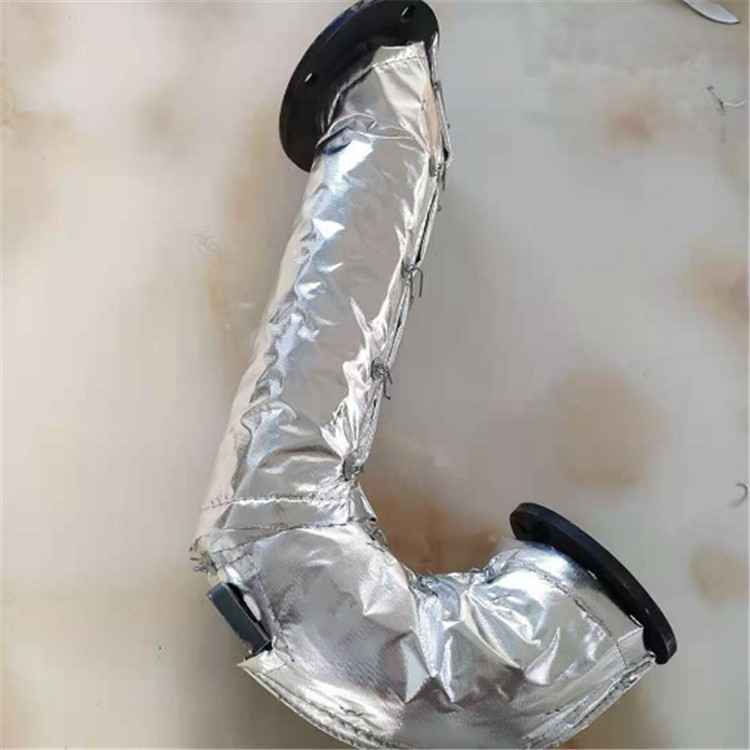
| Feature | Exhaust Heat Blanket | Traditional Wrap (e.g., Fiberglass Tape) |
|---|---|---|
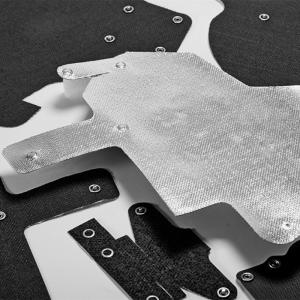
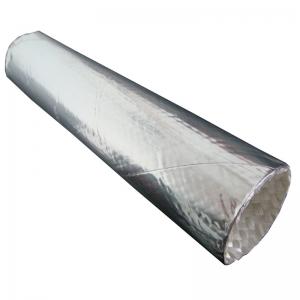
| Design & Form | Pre-fabricated, multi-layer sleeve. Custom-molded for specific components. | A flexible tape or sheet that is wound tightly around the component. |
| Ease of Installation | Easier. Typically uses straps or laces for a quick, precise fit. | More Labor-Intensive. Requires meticulous wrapping and securing with metal ties. |
| Thermal Performance | Superior Containment. Often features an inner reflective layer and thicker insulation for maximum heat retention. | Good Containment. Effective at trapping heat, but can have inconsistencies in wrap tightness affecting performance. |
| Durability & Longevity | Generally Higher. Resistant to oils, fluids, and physical abrasion. Stays clean. | Can Be Vulnerable. Soaks up fluids, which can lead to accelerated wear and corrosion underneath if not perfectly applied. |
| Component Health | Safer for Headers. Allows heat to dissipate more evenly, reducing the risk of header cracking from thermal stress. | Risk of Moisture Trapping. If moisture gets trapped under the wrap, it can accelerate corrosion on the metal underneath. |
| Cost | Higher Initial Cost. A premium, component-specific solution. | Lower Initial Cost. An economical choice for complex or custom exhaust systems. |
Exhaust Heat Blanket: The Precision Engineer's Choice
Performance Advantage: The primary performance benefit of a heat blanket is its optimized and consistent insulation. Because it's engineered for a specific part (like a set of headers or a turbo), it can provide a uniform layer of insulation with minimal gaps. This leads to highly efficient heat containment, maximizing exhaust gas velocity and minimizing under-hood temperatures (IATs). The result is very predictable and repeatable performance gains.
Pros:
Easiest Installation: Slip it on, secure it, and you're done. Ideal for enthusiasts who value a clean, professional look without the hassle.
Maximized Durability: Constructed to withstand the harsh engine bay environment, including exposure to chemicals.
Superior Safety: By not trapping directly against the metal as tightly, it reduces the risk of heat-related metal fatigue and corrosion.
Cons:
Higher Cost: You pay for the convenience and engineering.
Less Universal Fit: Requires a specific part number for your vehicle's exact components.
Traditional Exhaust Wrap: The Customizer's Flexible Friend
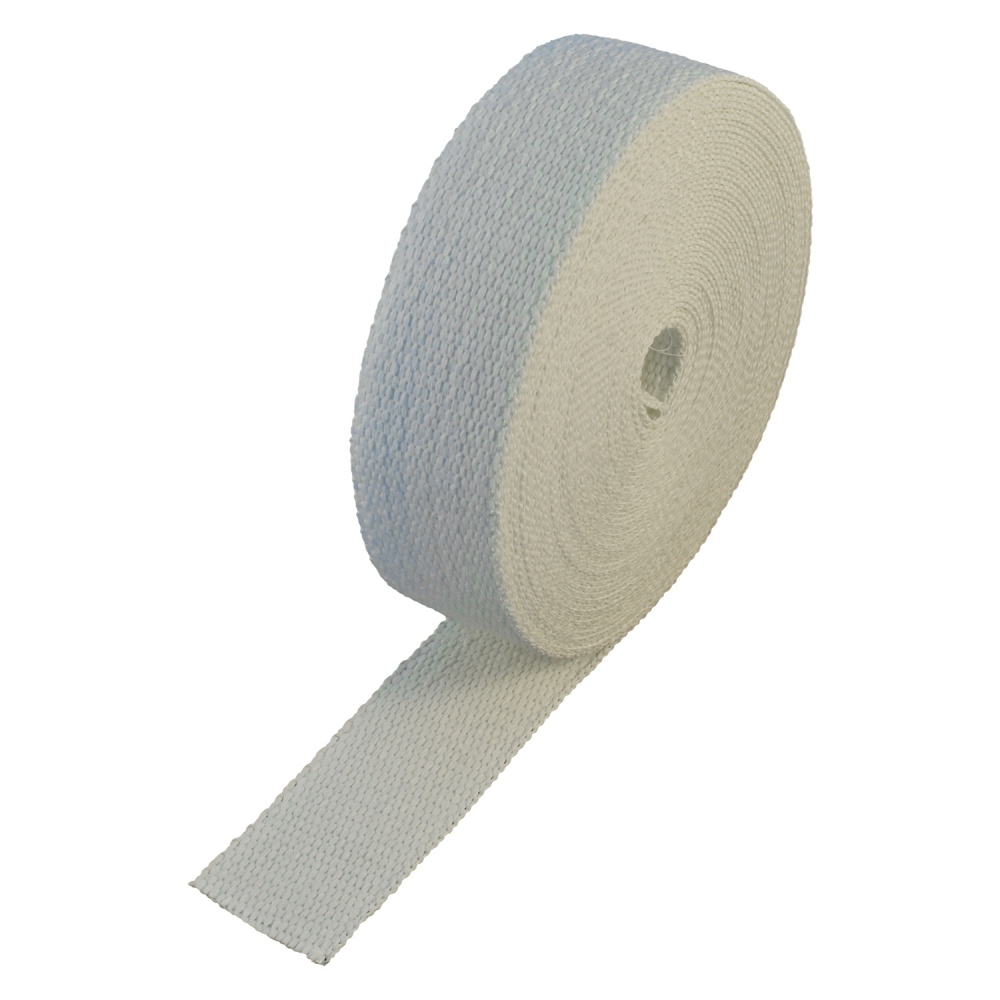
Performance Advantage: A well-installed traditional wrap can be highly effective. Its performance is directly tied to the skill of the installer. A tight, consistent wrap can achieve heat containment levels close to that of a blanket. Its key advantage is application flexibility—it can be used on any shape, from intricate headers to downpipes and exhaust housings, making it the go-to for custom or one-off builds.
Pros:
Cost-Effective: The most budget-friendly way to cover a large or complex area.
Total Flexibility: Can be applied to any configuration of pipes or odd-shaped components.
Classic "Race Look": Offers the aesthetic that many associate with high-performance builds.
Cons:
Labor-Intensive Installation: Requires time, patience, and gloves (the fibers are very irritating to the skin).
Potential for Corrosion: If applied to a damp surface or if moisture penetrates, it can lock it in and speed up rust.
Can Be Brittle Over Time: May become friable and break down after years of heat cycling.
The answer depends on your definition of "performance."
For Peak, Consistent, and Reliable Performance: Choose the Exhaust Heat Blanket. If your goal is the absolute best thermal management with the least risk to your components and the easiest installation, the blanket is the superior performer. It’s the modern, engineered solution.
For Cost-Effective Performance on Complex or Custom Setups: Choose the Traditional Wrap. If you are working with a custom header design, have a tight budget, or need to wrap unusual components, a carefully applied traditional wrap delivers excellent performance for the price. Its performance is great, but it requires more skill and carries long-term risks.
Final Recommendation:
For most enthusiasts seeking a bolt-on solution for a known component (like a popular header set or a turbo), the exhaust heat blanket is the recommended choice for its blend of top-tier performance, durability, and ease of use.
For custom fabricators, restorers, or budget-minded builders working with unique exhaust systems, the traditional wrap remains a viable and highly effective tool.

 français
 Deutsch
 русский
 italiano
 español
 português
 Nederlands
 العربية
 日本語
日本語 한국의
한국의 Türkçe
 Polski
 Tiếng Việt
 slovenský
 Indonesia