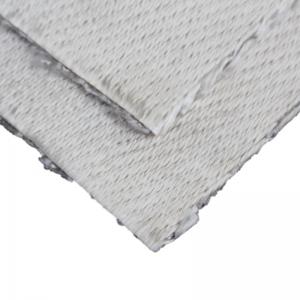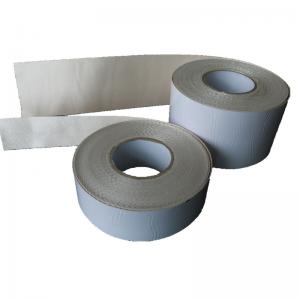
Prolonging the lifespan of industrial equipment is a top priority for facility managers and maintenance teams, especially in environments where machinery is exposed to continuous high temperatures. Ceramic fiber tape has become one of the most effective solutions for protecting equipment from heat-related damage, reducing maintenance downtime, and ensuring long-term operational reliability. This comprehensive guide explains how ceramic fiber tape plays a critical role in thermal protection and helps extend the service life of industrial systems.
Industrial machinery, pipelines, and heat-processing systems operate under heavy thermal loads. Over time, excessive heat accelerates wear and tear, leads to material fatigue, and causes premature equipment failure. Without proper thermal insulation, companies face increased maintenance costs, unplanned shutdowns, and lower production efficiency.
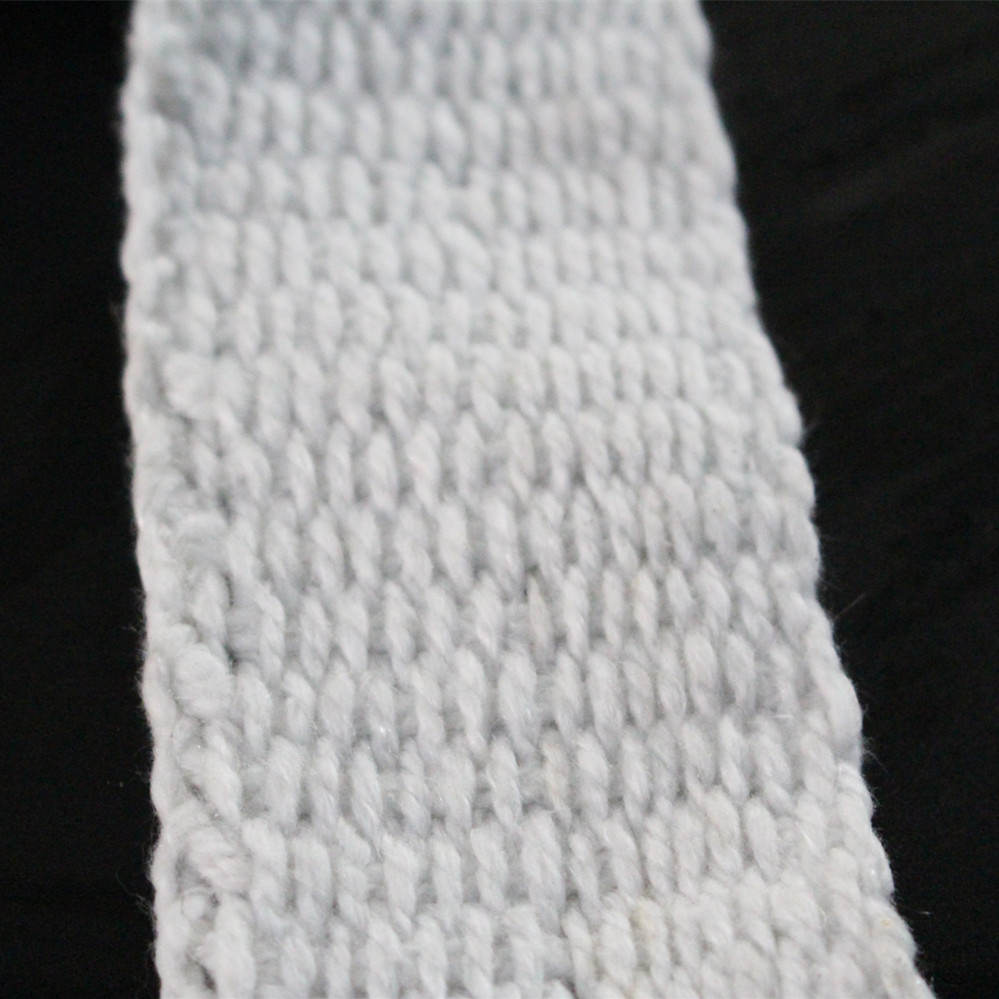
Ceramic fiber tape provides a robust layer of insulation that shields equipment from high temperatures, protects components from thermal shock, and helps maintain stable operating conditions. By integrating ceramic fiber tape into maintenance strategies, facilities can significantly enhance the longevity and performance of their assets.
Ceramic fiber tape is engineered to withstand extreme temperatures while offering flexibility and ease of installation. Its unique properties allow it to protect critical components in several ways:
Excessive heat is one of the main causes of equipment degradation. Ceramic fiber tape acts as a heat barrier, preventing direct exposure to high temperatures and minimizing the thermal cycles that cause metal fatigue and material cracking. This helps maintain the structural integrity of machinery over longer periods.
By insulating pipes, valves, flanges, and furnace doors, ceramic fiber tape helps retain heat within the system. Improved heat retention reduces energy waste and lowers fuel consumption. Stable temperatures also enhance process reliability and protect surrounding equipment from unnecessary thermal exposure.
Components such as wiring, sensors, seals, and gaskets can fail prematurely when exposed to excessive heat. Ceramic fiber tape shields these sensitive areas, preventing premature wear and extending the service life of parts that are often expensive or time-consuming to replace.
Many industrial environments expose equipment to corrosive chemicals, steam, and combustion byproducts. Ceramic fiber tape offers strong chemical resistance, helping protect metal surfaces and sealing components from corrosive attack. This prevents structural weakening and reduces long-term maintenance requirements.
Ceramic fiber tape provides long-term reliability across a broad range of high-temperature equipment and industrial systems. Common applications include:
Hot pipelines in refineries, power plants, and chemical facilities face constant heat and pressure. Wrapping them with ceramic fiber tape reduces thermal strain and prevents heat-related deformation, significantly prolonging pipeline lifespan.
Furnaces and kilns experience extreme heat fluctuations that quickly degrade door seals. Ceramic fiber tape provides a durable sealing material that withstands repeated cycling, improves heat retention, and reduces maintenance frequency.
Exhaust ducts and flue pipes operate under high heat and corrosive gases. Ceramic fiber tape reinforces insulation and helps protect metal surfaces from oxidation and stress cracking.
Expansion joints and valves are critical mechanical components that require flexible, heat-resistant insulation. Ceramic fiber tape prevents heat damage and ensures stable performance, reducing the risk of leaks or operational failures.
Equipment failures caused by heat damage often lead to expensive repairs and costly production interruptions. By implementing ceramic fiber tape as part of routine maintenance, facilities can:
Improved thermal protection prevents overheating, cracking, and premature wear, leading to fewer unexpected failures.
When equipment is shielded from harsh conditions, seals, gaskets, and metal components last significantly longer, reducing the frequency of repairs.
Lower surface temperatures and better insulation create a safer working environment, minimizing the risk of burns and equipment hazards.
The combination of lower maintenance requirements, improved energy efficiency, and longer equipment lifespan results in substantial long-term cost savings.
To get the best performance from ceramic fiber tape, proper application and maintenance are essential:
Ensure surfaces are clean and free of debris before installation
Wrap the tape evenly and with consistent tension
Use stainless steel bands or high-temp adhesives for secure fastening
Inspect insulation during routine maintenance checks
Replace tape promptly if exposed to physical damage or contamination
By following these practices, facilities can ensure ceramic fiber tape maintains optimal performance and continues protecting equipment effectively.
Ceramic fiber tape is a small investment that delivers significant returns in equipment longevity, operational stability, and energy efficiency. By offering high heat resistance, excellent insulation, and strong durability, it helps industrial facilities protect their machinery from premature wear and extend the service life of expensive equipment.
For equipment managers and maintenance teams seeking a reliable thermal protection solution, ceramic fiber tape is an essential component for improving performance and reducing long-term operational costs.

 français
 Deutsch
 русский
 italiano
 español
 português
 Nederlands
 العربية
 日本語
日本語 한국의
한국의 Türkçe
 Polski
 Tiếng Việt
 slovenský
 Indonesia