A hose may measure correctly for a sleeve along its straight section, yet its crimped end can be much wider. A cable bundle can present the opposite problem: the sleeve passes a connector, then hangs loosely around the smaller run. Selecting knitted fiberglass sleeving requires a fit check at three moments: before installation, while it passes the largest feature, and after it has settled on the protected section.
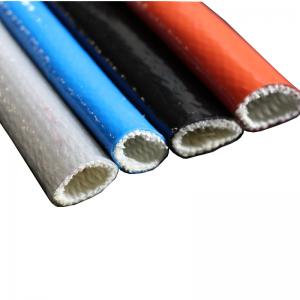
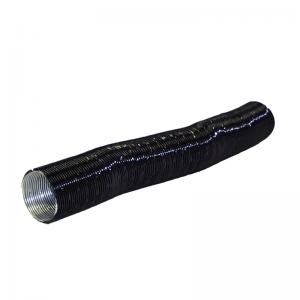
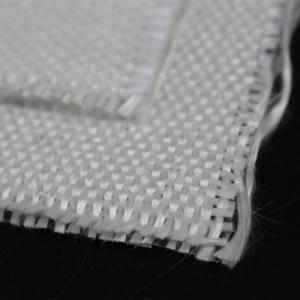
BSTFLEX's high temperature knitted fiberglass sleeving is made from texturized fiberglass yarns and is listed for industrial hoses, cable harnesses and pipes. The product page gives a nominal size range of 13 to 127 mm. A nominal diameter is a useful starting point, but the selected sleeve should be tried on the actual assembly before a production size is fixed.
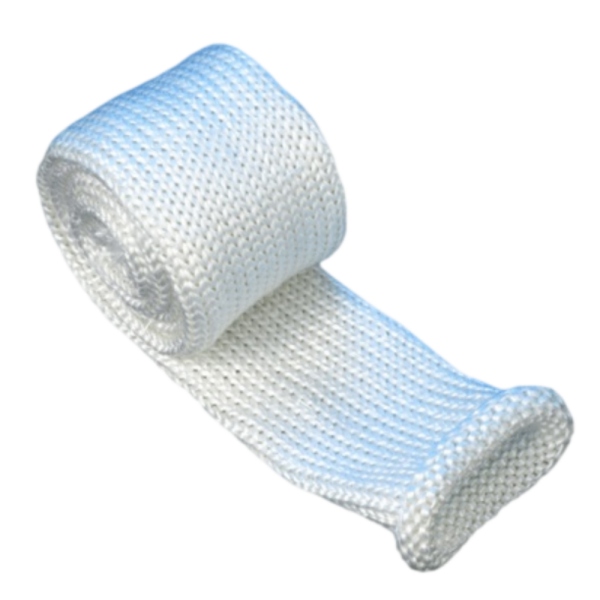
Measure the outside diameter of the hose cover or finished cable bundle at several points along the section that needs protection. Include tape, overbraid or another permanent outer layer if it remains underneath the sleeve. For a bundle, record the largest diameter after the wires have been tied into their production arrangement. A loose set of wires on a bench can give a misleadingly small measurement.
Note the length to be covered and the route through any brackets or tight bends. At a bend, a textile tube may change shape and expose a little more of one side than it does on a straight sample. If the sleeve must stay in a fixed position while the hose flexes, include the working movement in the fit trial.
List every feature the sleeve must pass over: crimp ferrules, connector shells, strain reliefs, plugs and local cable breakouts. Measure the largest outside envelope, not only the diameter of the hose or the nominal connector designation. For an irregular part, send a photograph or drawing as well as its widest measurement.
The installation sequence can solve a problem that a larger sleeve cannot. If sleeving is added before a terminal or fitting is attached, the finished connector may not need to pass through it. If assembly is already complete, test a sample over the finished end. Do not borrow an expansion figure from a different knitted or braided product; request usable opening information for the exact construction and diameter being considered.
Once the sample has crossed the largest feature, examine its fit on the smaller protected run. Check for bunching near an end, visible gaps in coverage at a bend, snagged loops and a change in length after installation. Mark the intended end locations on the assembly and measure the sample again once it is in position. This is a more reliable basis for cut length than measuring an unused sleeve laid flat.
Try the actual cutting and end-finishing method on the sample. The buyer should agree on acceptable cut-end appearance and any retention method before specifying pre-cut production pieces. A bare cut end, a clamped end and an end inside another component may require different allowances.
For heat protection, tell the supplier the temperature at the sleeve location, whether heat comes from contact or a nearby source, and how long the exposure lasts. The product page lists a temperature figure, but a project with a strict limit should request the test method and current data for the supplied construction. Also check the temperature limits of the hose cover, cable insulation and any end hardware in the complete assembly.
For electrical work, specify whether the fiberglass sleeve is an added thermal barrier over an insulated wire or is expected to contribute to a qualified insulation system. Ask for the relevant dielectric data and test conditions if electrical performance is required. A general statement about fiberglass does not assign a voltage rating to every sleeve diameter.
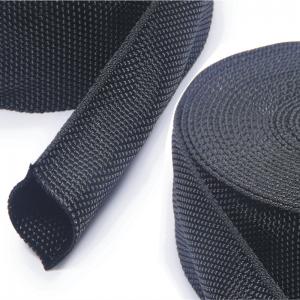
Construction affects fit, handling and how a sleeve behaves at a bend. If the project calls for a braid rather than a knit, review the braided glass fiber sleeve as a separate product. Its material, wall construction, size range and test claims need their own review. A trial of one sleeve does not approve the other.
Send one photo or drawing of the finished hose or cable assembly with four measurements marked: the protected run's maximum OD, the widest installation feature, the required covered length and the smallest available clearance around the route. Add the assembly sequence, expected movement and heat or electrical requirement. Ask for a sample of the proposed knitted sleeve and record whether it passes the fitting, sits correctly on the run and covers the whole section after installation.
When those checks are complete, request the selected nominal ID, its tolerance or usable diameter range, the agreed cut length, packing format and current performance data in the quotation. Send the measurements and sample request through the knitted fiberglass sleeving product page.

 français
 Deutsch
 русский
 italiano
 español
 português
 Nederlands
 العربية
 日本語
 한국의
 Türkçe
 Polski
 Tiếng Việt
 slovenský
 Indonesia