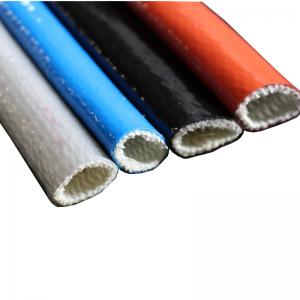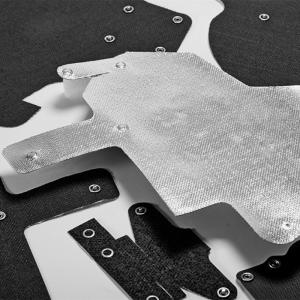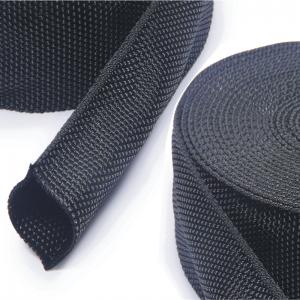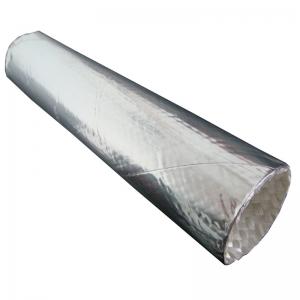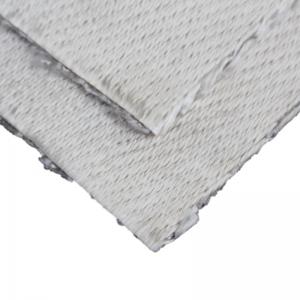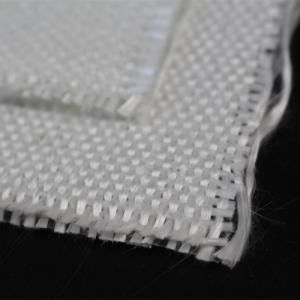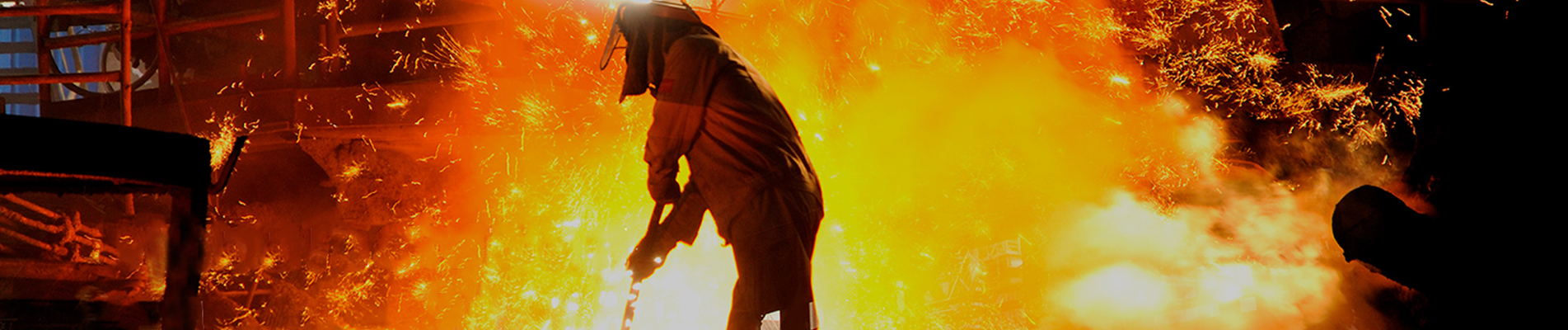
As welding operations continue to involve higher temperatures and stricter safety requirements, silica fabric welding blanket is increasingly being adopted for thermal protection in industrial environments. Known for their excellent heat resistance and flame protection capabilities, silica-based blankets are widely used to protect personnel, equipment, and surrounding work areas during welding and cutting processes.
Silica fabric offers higher temperature resistance compared to standard fiberglass materials, making it suitable for applications involving sustained radiant heat, sparks, and molten metal splash.
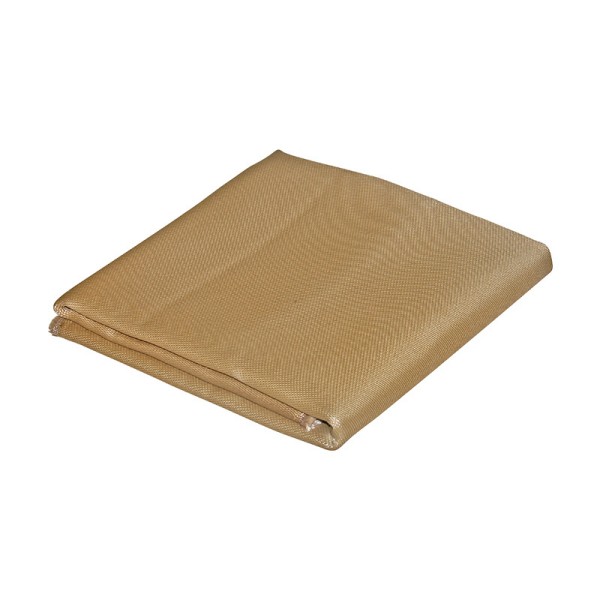
Welding and fabrication environments expose surrounding surfaces to extreme heat, sparks, and spatter. Without proper protective barriers, these conditions can lead to equipment damage, fire hazards, and workplace safety risks.
Silica fabric welding blankets are designed to act as a thermal barrier, reducing heat transfer and shielding nearby components from welding-related hazards. Their ability to withstand continuous high-temperature exposure makes them a preferred solution in demanding industrial settings.
Silica fabric welding blankets are manufactured from high-silica content fibers that maintain stability under extreme heat. Compared to conventional fiberglass blankets, silica fabric provides improved resistance to radiant heat and flame exposure.
These blankets are commonly used in environments such as shipbuilding, metal fabrication, power generation, and heavy industrial maintenance, where consistent thermal protection is critical.
As industrial safety standards continue to evolve, the use of high-performance welding protection materials such as silica fabric welding blankets is expected to expand. Manufacturers and maintenance teams are increasingly prioritizing materials that combine heat resistance, durability, and ease of handling to support safer welding operations.

 français
 Deutsch
 русский
 italiano
 español
 português
 Nederlands
 العربية
 日本語
日本語 한국의
한국의 Türkçe
 Polski
 Tiếng Việt
 slovenský
 Indonesia