français
 Deutsch
 русский
 italiano
 español
 português
 Nederlands
 العربية
 日本語
 한국의
 Türkçe
 Polski
 Tiếng Việt
 slovenský
 Indonesia



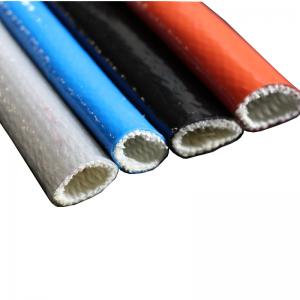
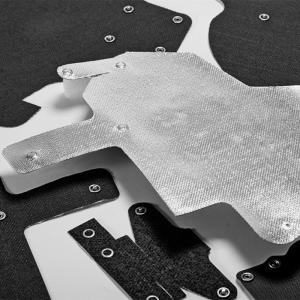
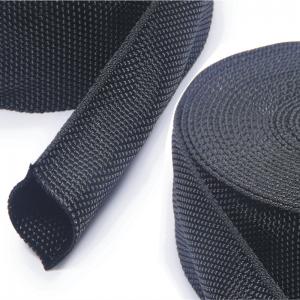
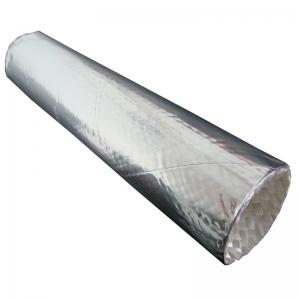
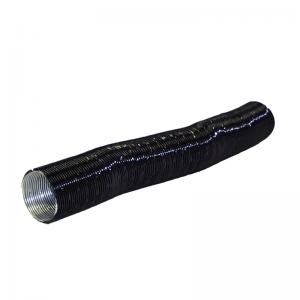
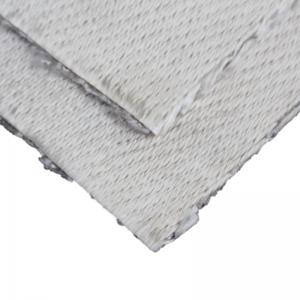
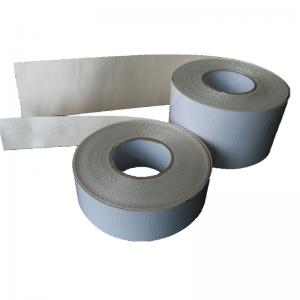
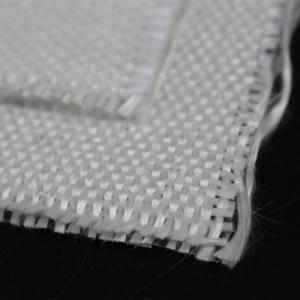
Vermiculite coated fiberglass tape is a woven fiberglass textile treated with an inorganic vermiculite coating to improve the surface response of the tape in demanding high-temperature environments. For industrial purchasing, however, the most important question is not simply “what is the maximum temperature?” The buyer needs to know whether a published value refers to continuous service, short-duration exposure, intermittent peaks or a direct-flame test.
BSTFLEX Vermiculite Coated Woven Fiberglass Tape is intended for industrial thermal insulation, wrapping and sealing applications. This guide explains how to read temperature claims correctly, what the vermiculite coating changes, and what information should be confirmed before approving the tape for repeat supply.
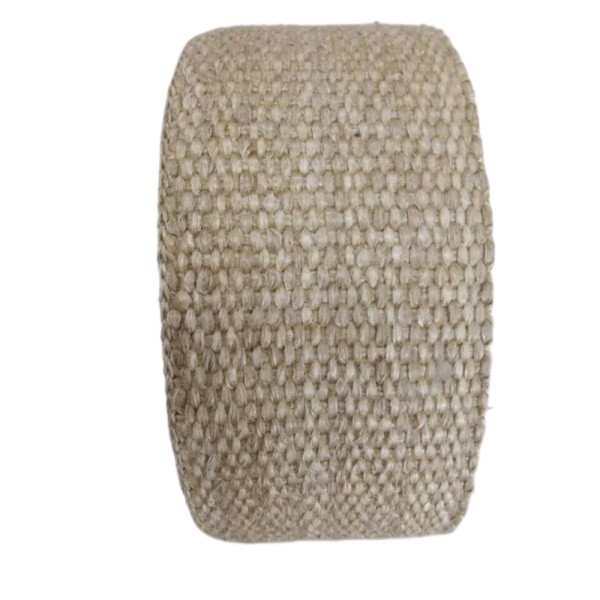
What Does the Vermiculite Coating Change?
The base textile is still fiberglass. The vermiculite treatment is applied to the woven surface and can improve how the textile behaves when exposed to heat, flame and mechanical wear.
Depending on the exact construction and coating process, the treatment can contribute to:
- improved resistance to direct flame exposure;
- better surface stability at elevated temperature;
- increased resistance to abrasion and handling wear;
- improved protection of the fiberglass yarn surface;
- a higher usable temperature range than an untreated fiberglass construction in certain applications.
The coating does not change ordinary E-glass into silica fiber, ceramic fiber or another higher-temperature fiber. It also does not mean that every vermiculite coated fiberglass tape has the same continuous temperature rating.
Continuous Temperature Is Not the Same as Peak Temperature
Continuous service temperature is the temperature at which the finished tape is intended to remain in service for an extended period under defined conditions.
Intermittent or peak temperature normally refers to a higher temperature that the material may tolerate for a shorter duration. The allowable duration and frequency should be defined.
Direct-flame exposure describes another type of test or service condition. A tape may remain physically intact during a brief flame exposure at a temperature substantially above its normal continuous operating limit.
These values should never be presented as interchangeable.
| Temperature Term | What It Should Tell the Buyer |
|---|---|
| Continuous Service Temperature | Long-term operating limit for the exact finished tape construction under defined service conditions. |
| Intermittent / Peak Temperature | Higher short-duration exposure with a defined time and frequency. |
| Direct-Flame Exposure | Behavior when exposed directly to flame under a stated test method and duration. |
| Fiber Softening / Melting Point | A material property of the fiber; it is not the recommended continuous operating temperature of the finished tape. |
Why a Very High Flame Temperature Does Not Become the Continuous Rating
A textile can survive a short high-temperature event and still become brittle, lose tensile strength or become unsuitable for repeated flexing afterward.
This matters in industrial equipment because “still present after exposure” is not the same as “still suitable for normal mechanical service.” A wrap around a stationary pipe may continue to provide coverage after a severe heat event, while a tape on a frequently opened access door may fail because the material must flex repeatedly.
For this reason, a direct-flame or short-duration test should be reported separately from the recommended continuous operating temperature.
Temperature Data Should Follow the Exact Construction
A useful technical specification should identify the complete construction rather than listing only the word “fiberglass.” Important variables can include:
- glass fiber type;
- texturized or continuous-filament yarn construction;
- weave style;
- finished tape thickness;
- vermiculite treatment level;
- additional coating or surface treatment;
- plain woven or drop-warp construction;
- optional pressure-sensitive adhesive.
A temperature value obtained for one construction should not automatically be transferred to another tape because both products contain fiberglass and vermiculite.
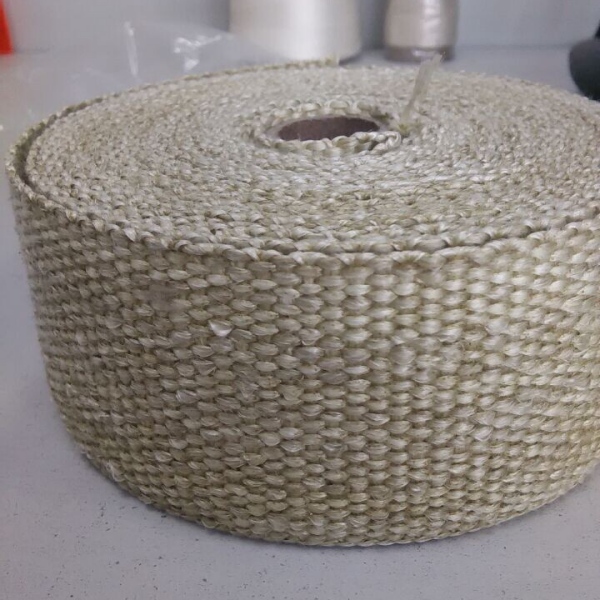
What Happens to the Tape After Severe Heat Exposure?
The post-exposure condition can be as important as the maximum temperature reached.
After severe heat exposure, check:
- whether the tape remains flexible;
- whether the woven structure remains intact;
- whether the coating powders, flakes or separates;
- whether the textile becomes brittle;
- whether fixing points remain secure;
- whether the tape can safely be disturbed or reused.
If the tape is intended for a removable cover, door seal or frequently serviced component, residual flexibility after heating may be more important than simple survival during a short high-temperature event.
Where the tape is installed as a stationary wrap and is not expected to move after exposure, the acceptance criteria may be different. Define this requirement before selecting the product.
Vermiculite Coating and Abrasion Resistance
Industrial tapes can be damaged during installation and service by contact with brackets, pipe supports, sharp edges and adjacent equipment. A vermiculite treatment can improve surface durability, but it does not make the textile immune to mechanical wear.
Inspect the route before installation. If the tape will repeatedly rub against a metal support or moving component, correct the routing or add an appropriate wear-protection detail rather than relying on the coating alone.
For a maintenance application, inspect the tape after the first operating cycle and at planned maintenance intervals. Surface wear near clamps, supports and termination points is often more relevant than wear in the middle of a straight wrapped section.
Plain Woven Tape vs Vermiculite Drop-Warp Tape
BSTFLEX supplies both a plain woven vermiculite coated tape and a separate Vermiculite Coated Fiberglass Drop Warp Tape.
The two products should be selected by construction:
- Plain woven tape: continuous woven strip for wrapping, insulation and flat sealing applications;
- Drop-warp / ladder tape: selected lengthwise yarns are omitted from the center to provide a fixing zone for bolts, screws or studs.
Do not use the generic keyword “vermiculite fiberglass tape” as the only specification when the equipment actually needs a bolt-hole or ladder construction.
Vermiculite Coated vs Untreated Fiberglass Tape
Where an untreated fiberglass tape already meets the verified temperature, abrasion and handling requirements, the additional coating may not be necessary.
BSTFLEX Woven Fiberglass Insulation Tape provides an uncoated textile option for industrial pipe lagging and equipment insulation.
Compare the two constructions using:
- required continuous service temperature;
- short-duration thermal exposure;
- direct-flame exposure, if applicable;
- abrasion and handling conditions;
- required flexibility after heating;
- width, thickness and roll length;
- cost and expected maintenance cycle.
The coated version should be selected because the application requires the additional surface or thermal capability, not simply because it has a higher headline temperature.
Do Not Assume Universal Chemical Resistance
Vermiculite coated fiberglass tape is often used in industrial environments where oils, cleaners, process chemicals or condensate may be present. A general statement such as “chemical resistant” is not sufficient for a purchasing specification.
Provide the actual chemical name, concentration, temperature and expected contact duration. Splash, occasional contamination and continuous immersion are different conditions.
Compatibility should be confirmed for the exact fiberglass and coating construction. Do not extend a test result for one chemical to all acids, alkalis, solvents or process fluids.
Do Not Treat Thermal Tape as a Pressure Repair
Vermiculite coated fiberglass tape is an insulation and thermal-protection material. It should not be specified as a pressure-retaining repair for a leaking pipe, hydraulic hose or process line unless a separate product has been qualified specifically for that duty.
Repair the pressure boundary using the approved maintenance procedure first. The thermal tape can then be installed for its intended insulation or protection function.
How to Specify Temperature in an RFQ
Instead of writing only “need tape for 1000°C,” provide a temperature profile that explains the application.
| RFQ Item | Information to Provide |
|---|---|
| Normal Temperature | Temperature normally experienced at the tape location during operation. |
| Peak Temperature | Highest expected short-duration temperature. |
| Peak Duration | Seconds, minutes or hours for each peak event. |
| Peak Frequency | How often the high-temperature event occurs. |
| Direct Flame | Whether the tape directly contacts flame and for how long. |
| Mechanical Duty | Stationary wrap, repeated flexing, gasket compression or removable assembly. |
| Environment | Air, steam, oil, process chemicals, moisture, vibration or outdoor exposure. |
This information allows the supplier to evaluate whether the requested number represents a continuous operating condition, a peak event or an unrealistic interpretation of a fiber property.
Approve a Representative Sample
For a new industrial application, install the proposed tape on a representative component using the intended width, thickness, overlap and fixing method.
Record:
- product construction;
- tape width and thickness;
- component geometry;
- normal and peak temperature;
- exposure duration;
- fixing method;
- condition after heating;
- flexibility after cooling where relevant;
- visible coating or textile damage.
If the tape must continue to flex or move after exposure, include that movement in the qualification. A sample that remains intact while undisturbed may not meet a repeated-flexing requirement.
What Should an Industrial Buyer Confirm Before Ordering?
For repeat supply, confirm:
- base fiberglass construction;
- vermiculite coating;
- plain woven or drop-warp structure;
- continuous service temperature for the exact construction;
- intermittent or peak temperature and allowed duration;
- direct-flame test information where required;
- width and thickness;
- roll or cut length;
- optional adhesive backing if required;
- quantity and packaging;
- test reports or technical documents required for approval.
Source Vermiculite Coated Fiberglass Tape for Industrial Use
BSTFLEX supplies Vermiculite Coated Woven Fiberglass Tape for industrial insulation, wrapping and high-temperature equipment applications.
For bolt-mounted thermal seals, review the Vermiculite Coated Fiberglass Drop Warp Tape. For other industrial textile constructions, compare the BSTFLEX High Temperature Tapes range.