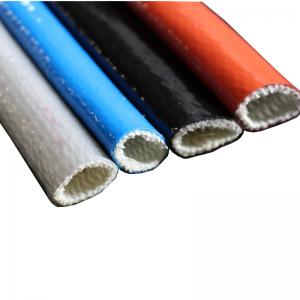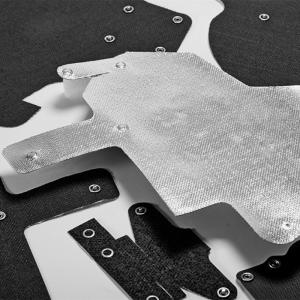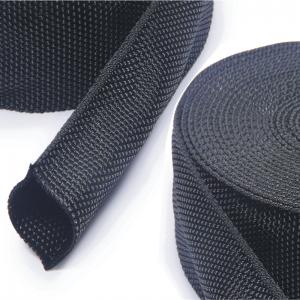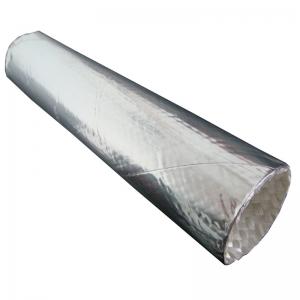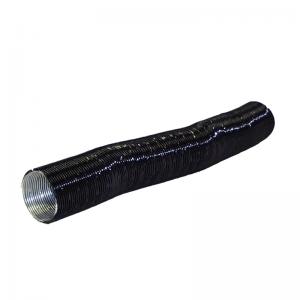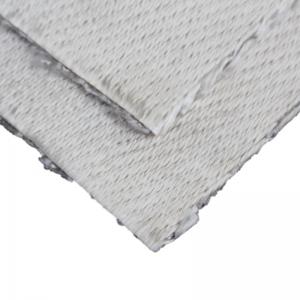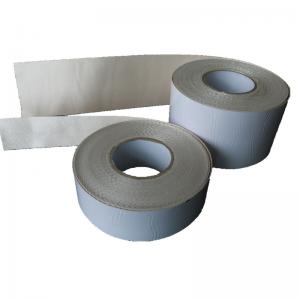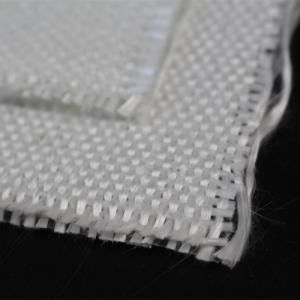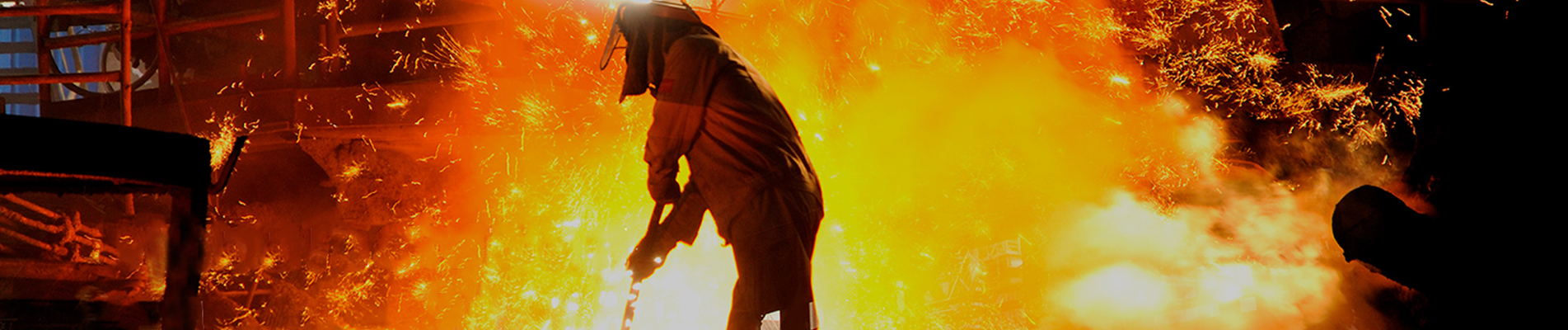
In demanding industrial environments, where extreme heat and mechanical stress are constant challenges, one material stands out—woven silica fabric. Known for its exceptional thermal stability and strength, woven silica fabric is a premium choice for insulation, heat shielding, and fire protection across various sectors.
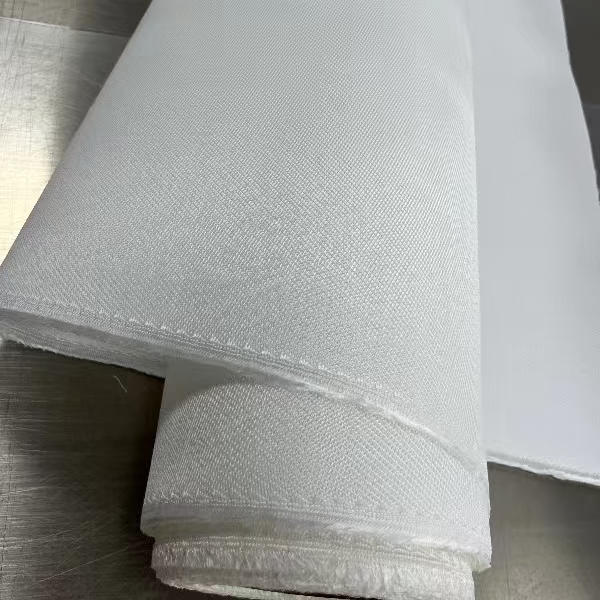
Woven silica fabric is a high-performance textile made from amorphous silica fibers with a purity of over 96% SiO₂. These fibers are woven into flexible, durable cloth that can withstand continuous temperatures up to 1000°C (1832°F), and short-term exposures up to 1650°C (3000°F). This makes it an ideal solution for environments where traditional fiberglass or ceramic materials may fail.
High Heat Resistance: Continuous use at 1000°C, excellent for furnace insulation and welding protection.
Low Thermal Conductivity: Provides outstanding thermal insulation and energy savings.
Chemical Stability: Resistant to most acids and alkalis, ensuring long service life in corrosive environments.
Low Shrinkage & Dimensional Stability: Maintains its integrity under thermal cycling.
Non-combustible & Flame Retardant: Class A fire rating.
Woven silica fabric is widely used in:
Thermal insulation blankets for high-temperature piping and equipment
Fireproof welding blankets and spark protection curtains
Aircraft engine insulation wraps
Removable insulation pads and covers
Molten metal splash protection
Refining and petrochemical plant insulation
Its flexibility and strength also make it ideal for custom fabrication into covers, wraps, and seals.
Unlike fiberglass, which breaks down at lower temperatures, or ceramic fiber, which can be brittle and dusty, woven silica fabric offers an excellent balance of strength, flexibility, and heat resistance. It is often the material of choice for OEMs and maintenance teams that demand long-term reliability in high-heat environments.
If your operations involve extreme heat, chemical exposure, or fire risks, woven silica fabric provides a cost-effective, reliable, and long-lasting solution. By integrating this advanced material into your thermal management systems, you gain peace of mind and improved safety performance.

 français
 Deutsch
 русский
 italiano
 español
 português
 Nederlands
 العربية
 日本語
日本語 한국의
한국의 Türkçe
 Polski
 Tiếng Việt
 slovenský
 Indonesia