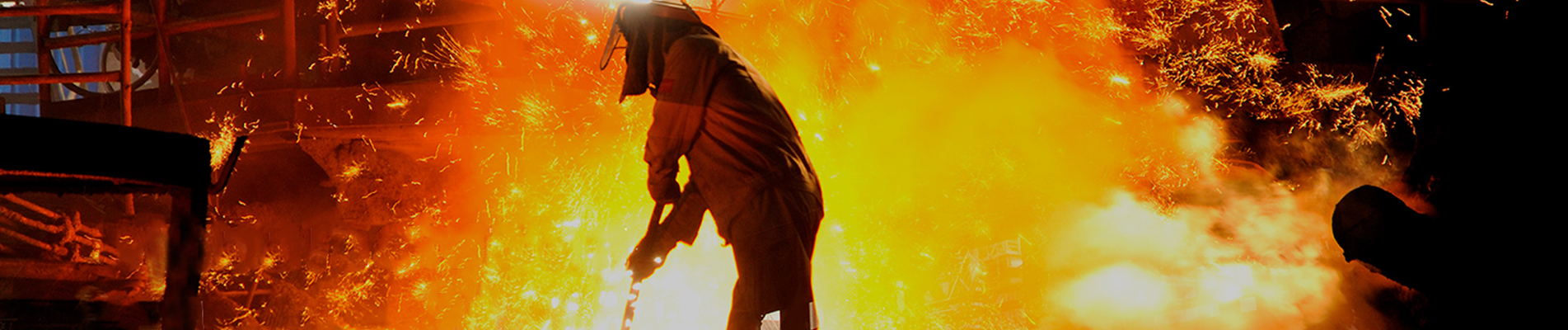
Unleash Unmatched Thermal Performance & Resilience
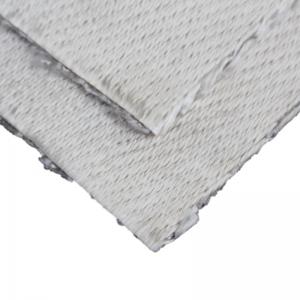
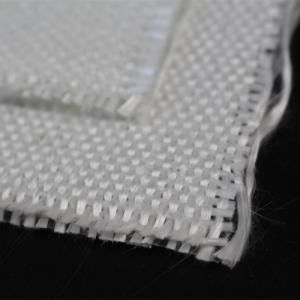
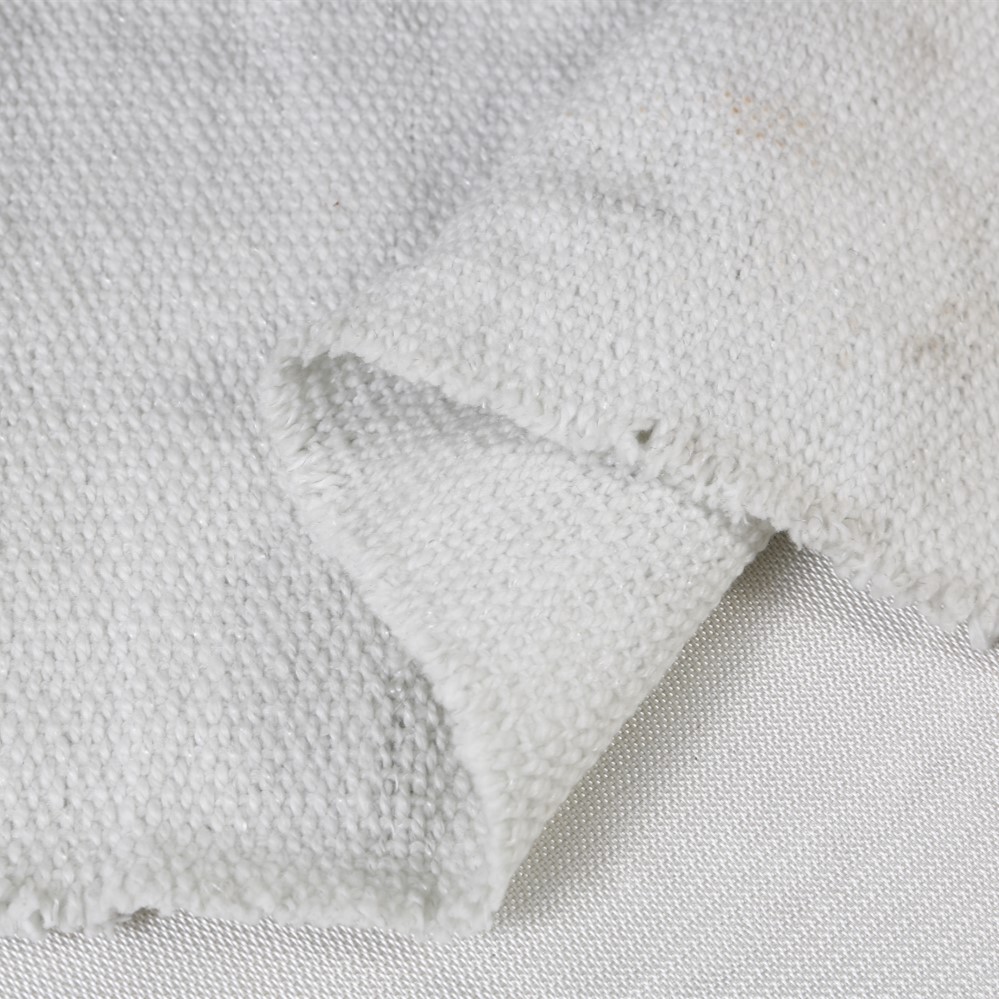
Go beyond ordinary insulation. Ceramic Fiber Cloth is a sophisticated engineered textile, meticulously woven from high-purity alumina-silicate ceramic fibers. This unique construction delivers an unparalleled combination of extreme temperature resistance, exceptional flexibility, and robust mechanical strength, making it the go-to solution where conventional materials fail. It's not just cloth; it's a critical thermal barrier engineered for the most challenging environments on Earth and beyond.
Core Properties Defining Excellence:
Extreme Temperature Mastery:
Continuous Use: Withstands temperatures up to 1260°C (2300°F) (Standard Grade) and even 1430°C (2600°F) (High-Purity Grade), maintaining structural integrity where metals soften and plastics vanish.
Low Thermal Conductivity: Excellent insulating properties significantly reduce heat transfer, conserving energy and protecting personnel and adjacent equipment.
Minimal Thermal Storage: Rapid heat-up and cool-down cycles thanks to low heat capacity, improving process efficiency and responsiveness.
Outstanding Thermal Shock Resistance: Immune to cracking or spalling under rapid temperature fluctuations – essential for dynamic processes like furnace door seals or welding protection.
Engineered Resilience & Flexibility:
High Tensile Strength: Resists tearing and pulling forces, ensuring durability during handling, installation, and operation, even under mechanical stress.
Inherent Flexibility: Conforms easily to complex shapes, pipes, valves, and equipment, providing seamless thermal protection where rigid boards cannot.
Chemical Inertness: Highly resistant to attack from most acids, alkalis, solvents, and corrosive atmospheres (excluding strong alkalis and hydrofluoric acid), ensuring longevity in harsh chemical environments.
Low Thermal Expansion: Maintains dimensional stability across its operating range, preventing gaps or failure points in critical seals and linings.
Lightweight & Versatile Form Factor:
Significant Weight Savings: Dramatically lighter than traditional refractory bricks or mineral wool, reducing structural load and simplifying installation.
Easy Fabrication: Can be readily cut, sewn, riveted, or clamped using standard tools and techniques (specialized ceramic thread recommended for sewing). Enables custom gaskets, blankets, curtains, wraps, and protective clothing.
Multifaceted Applications Across Critical Industries:
High-Temperature Sealing & Gasketing: Furnace & kiln doors, expansion joints, boiler peepholes, heat exchanger covers – creating reliable, resilient seals that prevent heat loss and gas leakage.
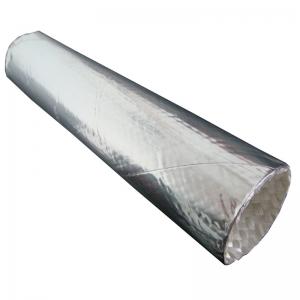
Thermal Insulation Wrapping: Piping, ducting, valves, turbines, exhaust systems – conserving energy, maintaining process temperatures, and protecting personnel from burns.
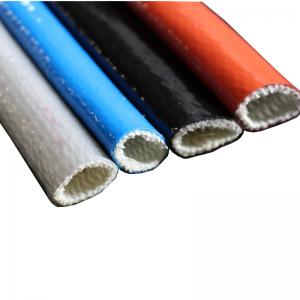
Fire & Spark Protection: Welding blankets, fire curtains, spark containment areas, protective sleeves for cables/hoses – safeguarding personnel, equipment, and facilities from ignition sources and molten splash.
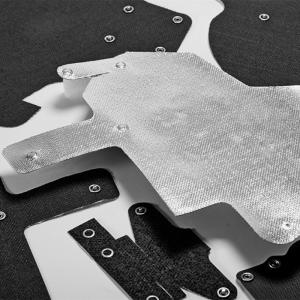
Heat Shield & Reflective Barriers: Engine compartments (aerospace, automotive, marine), thermal protection for sensitive electronics, reflective linings in furnaces – deflecting radiant heat effectively.
Filtration Media (High-Temp): Baghouse filters for hot gas filtration in incinerators, power plants, and metal processing (specific grades required).
Expansion Joint Fabrics: Accommodating movement in structures and piping systems exposed to high temperatures.
Personal Protective Equipment (PPE): Heat-resistant gloves, aprons, suits, and hoods for foundry workers, glassmakers, firefighters, and metalworkers.
Key Advantages Over Alternatives:
Versatility: Functions effectively as insulation, sealing, fireproofing, and protective material.
Durability: Superior resistance to tearing, abrasion, and thermal degradation compared to fiberglass or mineral wool blankets.
Ease of Use: Flexible nature simplifies installation and maintenance on complex geometries.
Performance/Cost Efficiency: Delivers exceptional high-temperature performance and longevity, offering significant value over its lifecycle despite a potentially higher initial cost than some alternatives.
Safety First: Responsible Handling:
Fiber Management: Ceramic fibers can be irritants. Always wear appropriate PPE (gloves, long sleeves, NIOSH-approved respirator N95/P2 minimum) during handling, cutting, and installation to avoid skin and respiratory irritation.
Post-Curing: High-temperature exposure generally "binds" the fibers, reducing friability in service.
Compliance: Adheres to relevant safety standards (consult specific product MSDS and local regulations).
Specification Considerations:
Temperature Rating: Select the grade (e.g., 1260°C, 1400°C, 1430°C) appropriate for your maximum operating temperature.
Weight/Thickness: Varies (e.g., 720g/m², 1280g/m², 1500g/m²) to balance insulation value, flexibility, and durability needs.
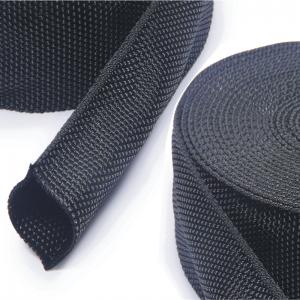
Weave Type: Plain, twill, satin weaves offer different surface characteristics and draping properties.
Surface Treatment: Some cloths offer silicone or vermiculite coatings for reduced fiber release, increased abrasion resistance, or water repellency.
Certifications: Look for compliance with relevant international standards (ASTM, ISO, EN).
Elevate Your Thermal Management Strategy:
Ceramic Fiber Cloth is the intelligent choice for engineers and operators demanding peak performance, reliability, and safety in extreme heat applications. Its unique blend of flexibility, resilience, and unparalleled thermal protection unlocks solutions impossible with rigid or less durable materials.

 français
 Deutsch
 русский
 italiano
 español
 português
 Nederlands
 العربية
 日本語
日本語 한국의
한국의 Türkçe
 Polski
 Tiếng Việt
 slovenský
 Indonesia