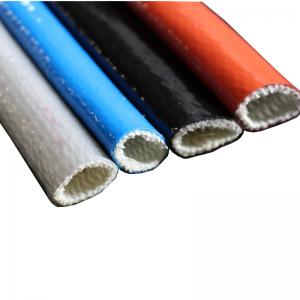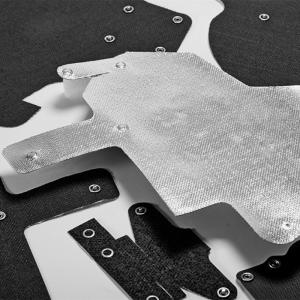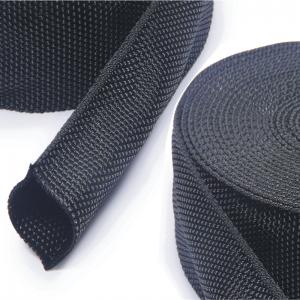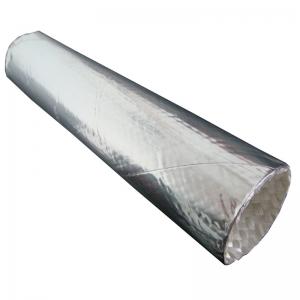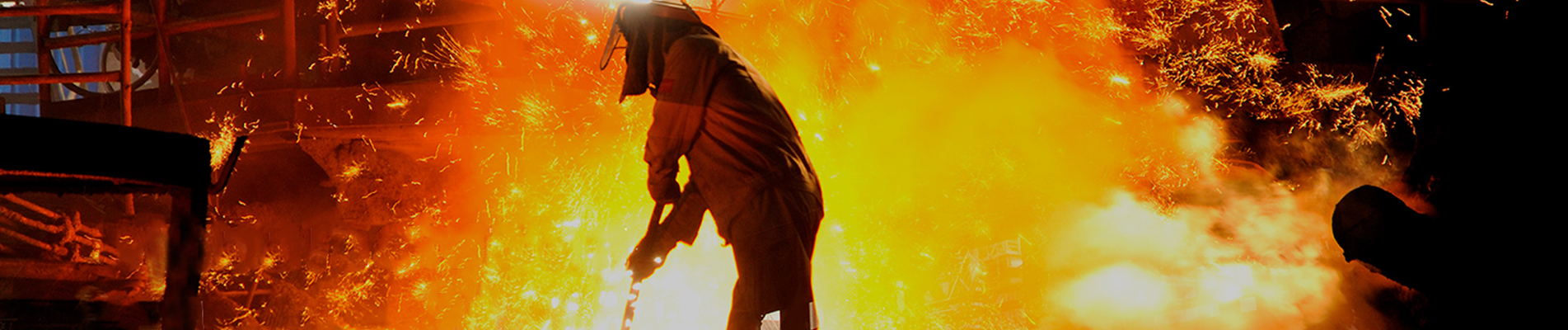
What Is Woven Silica Fabric?
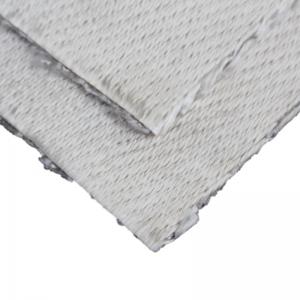
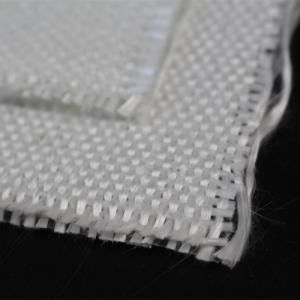
Woven silica fabric is a high-temperature textile produced from silica fibers containing typically more than 96% SiO₂ (silicon dioxide). The fibers are woven into fabrics using plain weave, twill weave, or satin weave structures, creating a flexible yet extremely heat-resistant material.
Unlike standard fiberglass fabric, woven silica fabric is designed for continuous exposure to very high temperatures while maintaining dimensional stability and mechanical strength.
Extremely high silica content (≥96%)
Excellent thermal stability
Low thermal conductivity
Non-combustible and flame resistant
Resistant to most chemicals and molten metal splash
Because of these properties, woven silica fabric is widely used in thermal insulation systems, fire protection equipment, welding protection, aerospace, and metallurgy.
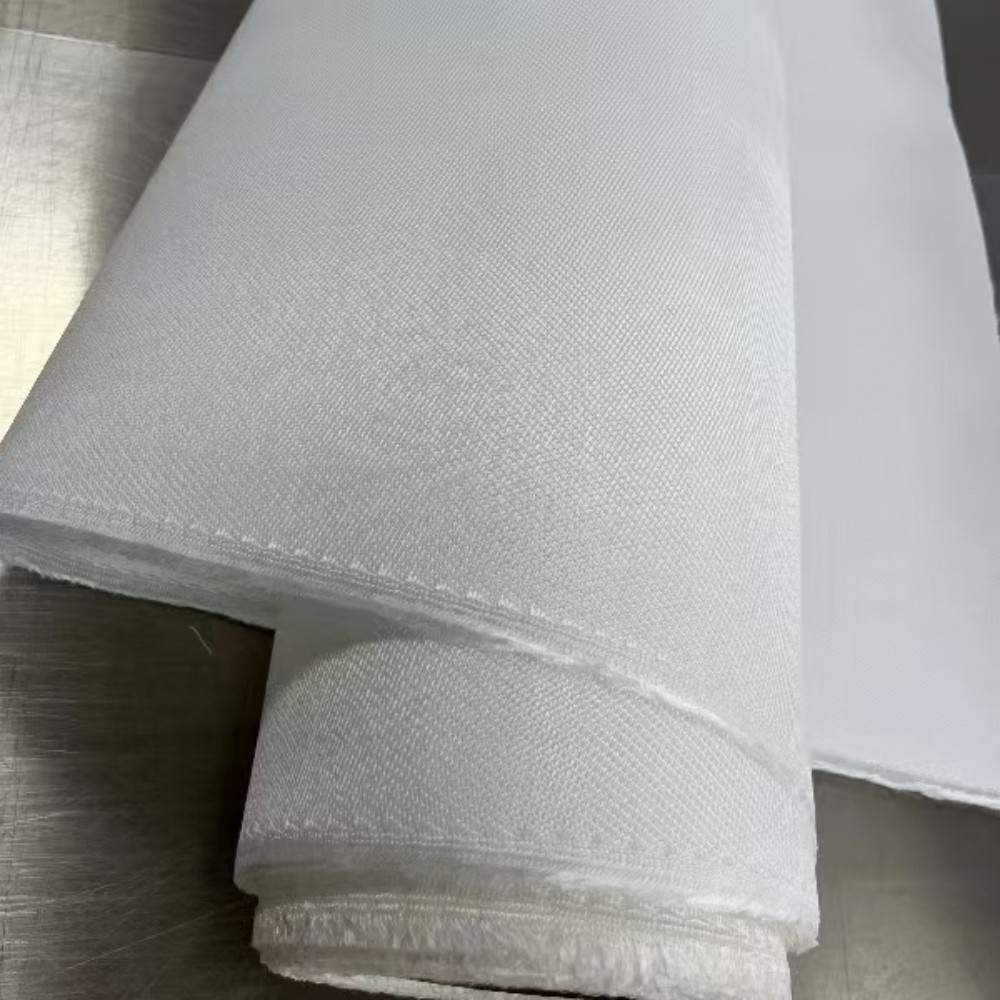
The performance of woven silica fabric starts with its unique manufacturing process, which distinguishes it from ordinary fiberglass textiles.
Silica fabric production begins with high-purity glass fibers, which are chemically treated through an acid leaching process. This removes impurities and increases the silica (SiO₂) content from around 50–60% to 96–99%.
After leaching, fibers are washed, neutralized, and heat-treated to stabilize their structure. This step is critical for achieving long-term high-temperature resistance.
The treated silica yarns are woven using conventional textile looms into different fabric structures:
Plain weave (most common)
Twill weave (better flexibility)
Satin weave (higher surface smoothness)
Depending on the application, woven silica fabric may be:
Heat cleaned
Coated with vermiculite, silicone, or graphite
Treated for water or chemical resistance
The following properties explain why woven silica fabric outperforms many alternative high-temperature textiles.
| Property | Value Range |
|---|---|
| Silica Content | ≥96% |
| Thickness | 0.4 – 1.5 mm |
| Weight | 430 – 1250 g/m² |
| Tensile Strength (Warp) | 1500 – 3000 N/5cm |
| Thermal Conductivity | Low |
| Combustibility | Non-combustible |
These values may vary depending on weave style, yarn size, and surface treatment.
One of the most searched aspects of woven silica fabric is its temperature capability, and this is where it truly excels.
Continuous working temperature: up to 1000°C
Short-term exposure: up to 1200°C
Melting point: approximately 1650°C
At elevated temperatures, woven silica fabric maintains structural integrity far better than standard fiberglass fabrics, which typically begin to degrade above 550–600°C.
Woven silica fabric performs well under rapid temperature changes, making it suitable for applications involving sudden heat exposure, such as molten metal splash protection.
Because of its unique balance of flexibility and heat resistance, woven silica fabric is used across many demanding industries.
Furnace insulation curtains
Expansion joint covers
High-temperature pipe wrapping
Removable insulation blankets
Fire blankets
Welding blankets
Fire curtains and barriers
Protective clothing layers
Molten metal splash protection
Heat shields near casting operations
Ladle and tundish insulation
Thermal barriers
Rocket and jet engine insulation
High-temperature gasketing
Turbine insulation
Exhaust system protection
Boiler expansion joints
A common comparison is between woven silica fabric and fiberglass fabric. While they look similar, their performance is very different.
| Feature | Woven Silica Fabric | Fiberglass Fabric |
|---|---|---|
| Silica Content | ≥96% | ~54% |
| Continuous Temperature | ~1000°C | ~550°C |
| Short-Term Temperature | ~1200°C | ~700°C |
| Cost | Higher | Lower |
| High-Heat Durability | Excellent | Moderate |
In high-temperature or safety-critical applications, woven silica fabric is often the preferred choice despite its higher cost.
Selecting the correct woven silica fabric depends on several technical and operational factors.
Always select a fabric with a temperature rating higher than your maximum operating condition, including safety margins.
Consider tensile strength, flexibility, and abrasion resistance, especially for moving or removable insulation systems.
Vermiculite coating: improves abrasion resistance and reduces fraying
Silicone coating: adds water resistance
Graphite coating: improves lubricity and handling
Heavier fabrics generally provide better insulation but may reduce flexibility.
High-quality woven silica fabric is commonly tested according to:
ASTM thermal resistance standards
ISO textile performance standards
Industry-specific fire protection requirements
Always request technical datasheets and test reports when sourcing woven silica fabric for critical applications.
Woven silica fabric is non-combustible and does not support flame propagation, making it suitable for fire protection applications.
Yes, but outdoor use often requires surface coatings to improve moisture and weather resistance.
Woven silica fabric is generally considered safe when handled properly, though standard industrial PPE is recommended during cutting or fabrication.
Service life depends on temperature, exposure time, and mechanical stress, but it significantly outlasts fiberglass in high-heat environments.
Yes. Special high-temperature threads are typically used for sewing.
Yes, it offers excellent electrical insulation properties even at elevated temperatures.
If your application involves extreme heat, safety requirements, or long-term thermal exposure, woven silica fabric is often the most reliable and cost-effective choice over the full lifecycle of the system.

 français
 Deutsch
 русский
 italiano
 español
 português
 Nederlands
 العربية
 日本語
日本語 한국의
한국의 Türkçe
 Polski
 Tiếng Việt
 slovenský
 Indonesia