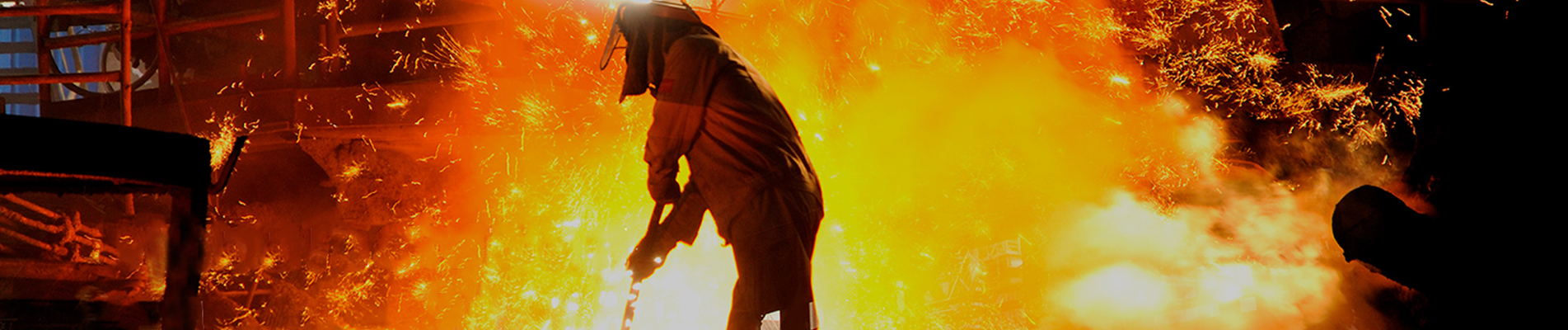
Silicone coated silica fabric is a premium high-temperature industrial textile engineered to deliver exceptional thermal protection, mechanical durability, and resistance to environmental exposure. This advanced fabric is produced by coating high-purity silica cloth with a formulated silicone compound that enhances flexibility, abrasion resistance, flame behavior, and overall material longevity. The result is a composite textile capable of performing under extreme conditions where both thermal and mechanical stress are present.
Industries such as metal processing, welding, shipbuilding, aerospace, automotive manufacturing, and energy production rely heavily on materials that maintain strength and function in high-temperature environments. Silicone coated silica fabric meets these stringent demands by combining the thermal endurance of silica with the protective capabilities of silicone. This comprehensive guide explores the engineering principles, properties, uses, technical attributes, and installation considerations of silicone coated silica fabric, making it a valuable reference for engineers, safety supervisors, procurement teams, and insulation specialists.
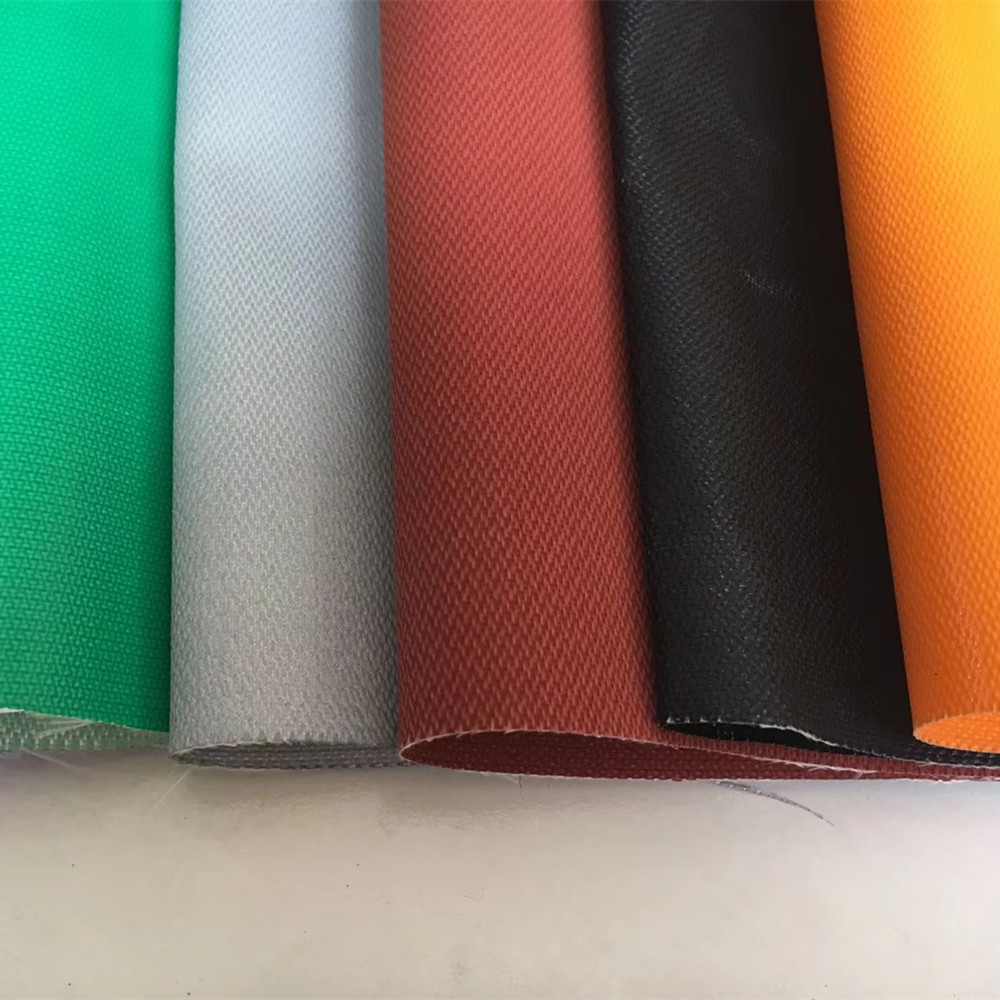
Silicone coated silica fabric is created by applying a high-performance silicone elastomer to the surface of silica cloth that contains up to 96 percent silica content. Silica fibers provide exceptional heat resistance, chemical stability, and non-combustibility. Once coated, the fabric becomes more durable, smoother to handle, resistant to fraying, and capable of withstanding mechanical wear.
The silicone layer also contributes to water repellency, improved tear strength, reduced dust emission, and enhanced resistance to oils and contaminants. Depending on the grade, the coating may be applied to one or both sides of the fabric, offering superior versatility for different industrial environments.
This composite material is frequently used for thermal shielding curtains, expansion joints, welding protection blankets, removable insulation jackets, and furnace covers due to its ability to combine high heat performance with mechanical integrity.
Silica fabric can withstand continuous temperatures around 1000 degrees Celsius depending on purity and weave. The silicone coating provides additional thermal stability, protecting the fabric from surface abrasion and enhancing heat diffusion.
Silica is inherently non-flammable and will not burn or support flame. The silicone coating adds an extra protective layer that carbonizes under intense heat, helping minimize fabric degradation.
Silicone coated silica fabric resists tearing, puncture, abrasion, and mechanical vibration. It maintains structural integrity in fast-paced welding environments and machinery applications.
Silicone coating provides hydrophobic and oil-resistant properties, allowing the fabric to perform in environments where liquids, moisture, or chemicals are present.
Silica fibers can be brittle in pure form, but the silicone coating creates a smoother, more comfortable surface for handling, reducing fiber breakage and airborne dust.
The fabric retains its shape when exposed to both high temperatures and mechanical stress, making it appropriate for insulation jackets and industrial expansion joints.
Silicone coated silica fabric tolerates exposure to solvents, oils, and common industrial chemicals, maintaining performance in harsh environments.
The fabric is widely used for welding curtains, screens, and spark protection panels. Its heat and abrasion resistance make it effective against molten metal, slag, and sparks.
Silicone coated silica fabric is commonly used as an exterior layer for removable insulation jackets on valves, pipes, turbines, and boilers.
Industrial duct systems, exhaust lines, and thermal processing equipment often require expansion joints made from materials that combine flexibility with thermal strength. This fabric fits those requirements.
Cooling tunnels, furnace linings, and heat shields in foundries and glass plants use silicone coated silica fabric due to its resistance to thermal shock and mechanical stress.
Thermal barriers in engine compartments, exhaust systems, and high-heat structural components benefit from the durability and insulation performance of coated silica fabrics.
Engine rooms, exhaust channels, and fire-risk zones aboard ships utilize silicone coated silica fabric for protective insulation and heat shielding.
The non-combustible nature of silica and the self-extinguishing behavior of silicone make this fabric suitable for fire curtains, containment barriers, and protective blankets.
The core textile is woven from high-silica fibers. These fibers offer excellent tensile strength, thermal endurance, and low thermal conductivity.
High-temperature silicone is applied through a controlled coating process. The coating provides water resistance, abrasion protection, improved handling comfort, and mechanical stability.
The elastomer may be applied to:
One side (single-coated) for general applications
Both sides (double-coated) for enhanced protection
Custom thickness levels depending on abrasion or environmental requirements
By adjusting weave density, coating amount, and fiber purity, manufacturers produce fabrics suitable for light-duty protective covers or heavy-duty industrial insulation structures.
| Property | Value |
|---|---|
| Base Material | High-silica woven fabric |
| Coating | High-temperature silicone elastomer |
| Continuous Temperature Resistance | Approximately 1000 degrees Celsius (silica layer) |
| Silicone Coating Temperature Tolerance | Typically around 260 to 300 degrees Celsius |
| Short-Term Temperature Exposure | Higher, depending on grade |
| Thickness Range | 0.5 to 3 millimeters |
| Weight | 600 to 1500 grams per square meter |
| Flame Resistance | Non-combustible silica substrate |
| Abrasion Resistance | High due to silicone coating |
| Water and Oil Resistance | Strong hydrophobic performance |
| Chemical Stability | Resistant to many industrial fluids and solvents |
| Color Options | Grey, red, silver, black depending on coating formulation |
| Applications | Insulation jackets, welding protection, fire curtains, expansion joints |
Actual performance varies by coating formulation and silica purity.
high temperature silica insulation fabric
silicone treated thermal shielding cloth
industrial fireproof silica blanket material
non combustible coated silica textile
abrasion resistant high heat fabric
thermal protection silicone composite fabric
silica-based high temperature industrial shielding
The silicone layer significantly increases abrasion tolerance and mechanical strength.
Uncoated silica can release brittle fibers; silicone coating minimizes fiber dust generation.
Uncoated silica absorbs moisture readily; silicone inhibits liquid penetration.
Silicone softens the fabric surface, reducing irritation and making fabrication easier.
The coating reduces wear caused by repeated folding, dragging, or mechanical movement.
Silica fabric withstands much higher temperatures than fiberglass, making it suitable for extreme heat environments where fiberglass-based materials may fail.
Vermiculite coatings offer strong abrasion resistance, but silicone coatings provide superior oil resistance and flexibility.
Ceramic fabrics tolerate very high temperatures but tend to be brittle. Silicone coated silica provides flexibility and a more robust working surface.
Select a fabric with continuous heat tolerance appropriate for the equipment or environment.
Thicker coatings enhance abrasion resistance but may slightly reduce fabric flexibility.
For removable insulation, flexibility and strength are essential. For welding curtains, abrasion and slag resistance are primary concerns.
Consider chemical exposure, outdoor weathering, moisture levels, and required flame protection.
Heavier fabrics are suitable for high-impact areas; lighter grades work well for covers and drapes.
Use sharp cutting tools to achieve clean edges. Coated surfaces reduce fraying and make fabrication easier.
Sewing, riveting, Velcro straps, and industrial fasteners are commonly used depending on application.
The coated side should generally face the environment requiring abrasion resistance or moisture protection.
Silica fabrics should not be stretched excessively, as they rely on weave stability for strength.
Ensure the fabric lays smoothly on insulation jackets or hangs correctly for welding screens.
Check for coating wear, discoloration, cracking, or mechanical damage.
Use dry wiping or gentle brushing; avoid abrasive cleaning agents.
Replace fabric showing visible thermal fatigue, deep abrasions, or coating separation.
Store in dry, controlled environments to maintain coating integrity.
It provides high-temperature protection combined with mechanical durability, used for insulation jackets, welding protection, fire barriers, and thermal shields.
The silica base can withstand approximately 1000 degrees Celsius, while the silicone coating tolerates around 260 to 300 degrees Celsius.
Silicone does not ignite; it carbonizes when exposed to extreme heat, helping protect the underlying silica.
Yes. The silicone coating provides good weather and UV resistance.
Yes. It is commonly used in welding environments due to its heat, spark, and abrasion resistance.
It withstands oils, water, and many industrial chemicals.
Yes. The silicone coating improves drape and flexibility compared to uncoated silica cloth.
Silicone coated silica fabric is one of the most advanced high-temperature textiles available for demanding industrial applications. It offers a rare combination of extreme heat tolerance, mechanical durability, chemical resistance, and environmental protection. From welding operations and fireproof barriers to insulation systems and industrial thermal shielding, this material provides consistent performance while ensuring worker safety and equipment reliability.
By choosing the correct fabric grade, coating thickness, and installation method, organizations can significantly enhance operational efficiency and extend the lifespan of thermal insulation systems. With its excellent balance of flexibility, strength, and thermal endurance, silicone coated silica fabric remains a top-tier material for modern high-temperature engineering challenges.

 français
 Deutsch
 русский
 italiano
 español
 português
 Nederlands
 العربية
 日本語
日本語 한국의
한국의 Türkçe
 Polski
 Tiếng Việt
 slovenský
 Indonesia