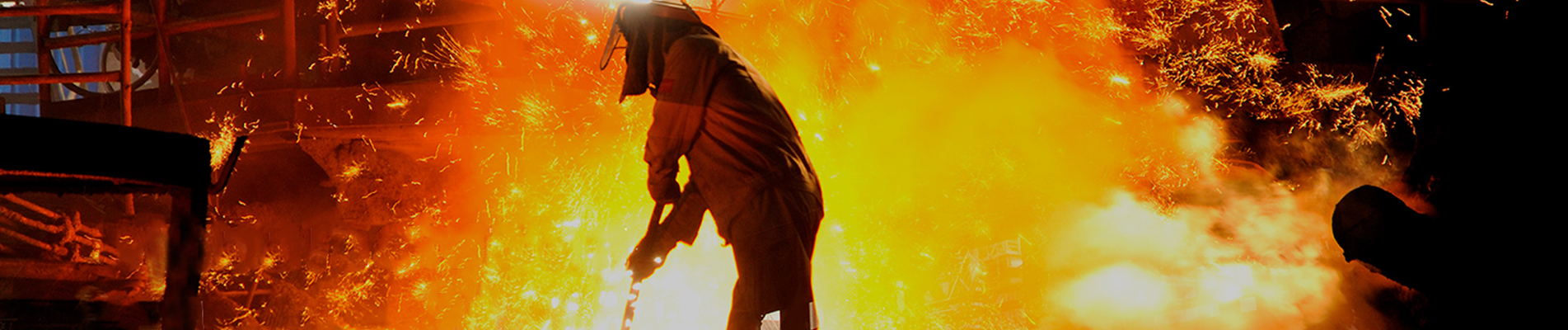
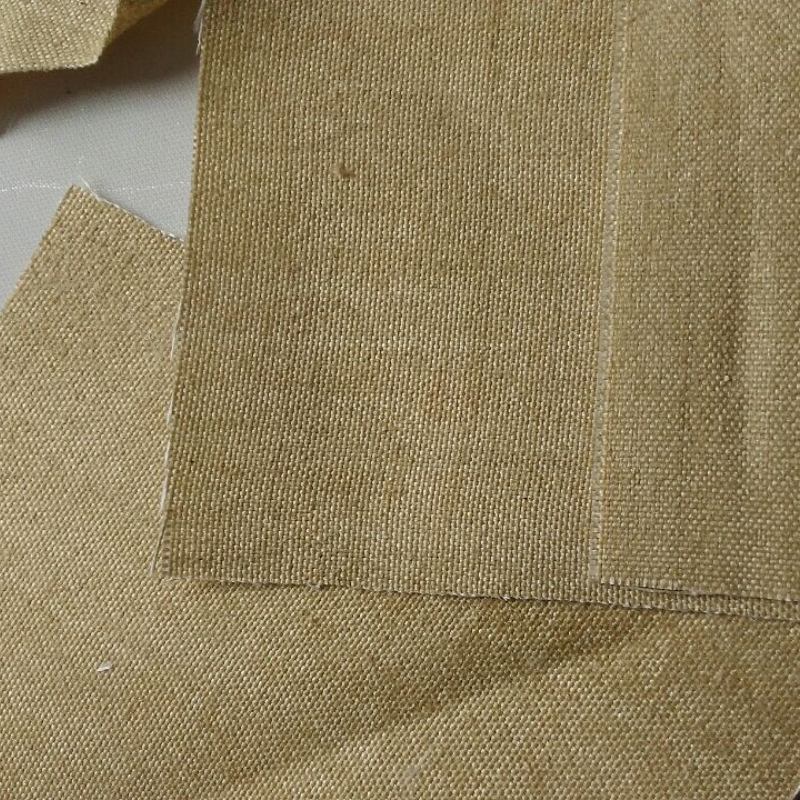
Vermiculite coated fiberglass fabric is a specialized high-temperature insulation textile engineered for environments where extreme heat, mechanical abrasion, and molten metal exposure pose significant hazards. This fabric combines the inherent thermal resistance of woven fiberglass with the protective and surface-enhancing properties of vermiculite, resulting in a durable material capable of performing under demanding industrial conditions.
Used extensively in welding operations, furnace protection, heat shielding, fire-resistant barriers, and equipment insulation, vermiculite coated fiberglass fabric is recognized for its stability, long service life, and ability to withstand repeated thermal cycling. It supports industries that rely on consistent safety performance, such as metalworking, petrochemical processing, shipbuilding, automotive manufacturing, and thermal engineering.
This comprehensive guide explains the structure, functional benefits, applications, technical characteristics, installation considerations, and frequently asked questions relating to vermiculite coated fiberglass fabric. Every section is crafted to provide clarity for engineers, procurement specialists, and end-users who require reliable high-temperature solutions.
Vermiculite coated fiberglass fabric is produced by applying finely processed vermiculite onto a woven fiberglass substrate. The fiberglass base provides mechanical strength, thermal insulation, and flexibility, while the vermiculite layer enhances surface toughness, heat resistance, and resistance to molten splash.
During manufacturing, the woven fiberglass cloth is coated with vermiculite slurry and heat-cured, creating a hard, mineral-like surface that increases the fabric’s stability under intense thermal exposure. The coating also reduces surface fraying and helps maintain fabric shape even after repeated exposure to sparks, slag, or molten metal.
Because vermiculite is an inorganic mineral, the finished textile remains non-combustible and dimensionally stable, even when subjected to harsh industrial conditions.
The fiberglass substrate withstands continuous heat loads typically reaching 550 degrees Celsius, while the vermiculite layer improves its tolerance to direct spark impact and short-duration temperature spikes.
Unlike untreated fiberglass cloth, coated fabric preserves its texture and strength during prolonged exposure to high temperatures. The vermiculite layer prevents fiber breakdown, enlarging the product’s effective working lifespan.
The mineral coating forms a robust shield that resists molten metal droplets and heavy sparks. This performance makes the fabric ideal for hot work zones, casting operations, and metal fabrication areas.
Vermiculite significantly strengthens the surface of fiberglass fabric, increasing its ability to withstand dragging, folding, mechanical contact, and repeated movement.
The fabric retains its dimensions under both thermal and mechanical stress, making it applicable for precision insulation and expansion systems.
The combined structure of fiberglass and mineral coating reduces heat transfer, creating an effective thermal barrier.
The inorganic coating offers resistance to oils, mild acids, solvents, and common industrial contaminants.
Although durable, the fabric can still be cut, sewn, layered, or fabricated into tailored shapes for customized insulation components.
The fabric is used as protective covers, welding screens, and hot work curtains. It prevents damage to equipment and surrounding areas during grinding, cutting, and welding operations.
Petrochemical facilities, refineries, and power stations use vermiculite coated fiberglass materials as thermal shields around piping systems, processing units, and heat-generating machinery.
The fabric serves as a protective outer layer for removable insulation blankets, furnace covers, and expansion joints in high-temperature zones.
Engine rooms, exhaust systems, and fire-risk areas aboard ships benefit from the durability and fire resistance of vermiculite treated fiberglass textiles.
Molten metal splash resistance is a critical requirement in foundries. Coated fiberglass fabrics help protect surfaces and workers from sparks and molten droplets.
Used as heat shields, exhaust insulation layers, and fire-resistant covers for machinery operating in demanding thermal environments.
The fabric contributes to fire-resistant partitions, smoke barriers, and protective wraps in building infrastructure.
The woven fiberglass cloth delivers foundational mechanical strength, flexibility, and heat insulation. Its woven architecture allows the material to handle mechanical tension and repeated movement.
The vermiculite coating is applied in a controlled thickness to create a textured, mineral-like outer surface. This enhances thermal reflectivity, friction resistance, and structural longevity.
After coating, the fabric undergoes a heat-setting phase that solidifies the vermiculite, ensuring proper adhesion and stable performance.
Different grades are produced by adjusting coating density, fabric weight, weave structure, and thickness, allowing customization for specific industrial applications.
| Property | Value |
|---|---|
| Base Material | Woven fiberglass fabric |
| Coating Material | Inorganic vermiculite coating |
| Continuous Temperature Resistance | Approximately 550 degrees Celsius |
| Peak Temperature Tolerance | Up to approximately 800 degrees Celsius depending on grade |
| Fabric Thickness | 0.7 to 3 millimeters |
| Fabric Weight | 600 to 1500 grams per square meter |
| Weave Structure | Plain or twill weave |
| Abrasion Resistance | High due to hardened coating |
| Molten Metal Resistance | Excellent |
| Chemical Resistance | Good against oils, solvents, and industrial chemicals |
| Color | Typically gold-brown or bronze |
| Common Applications | Welding curtains, furnace insulation, fire protection, expansion joints |
Values vary depending on specific product configurations.
high temperature coated fiberglass cloth
vermiculite fireproof insulation fabric
mineral coated welding fabric
heat resistant industrial textile
abrasion resistant fiberglass material
fiberglass fabric for molten metal splash
thermal protection vermiculite fabric
Uncoated fiberglass is not as durable under abrasion or molten splash. Vermiculite coated variants provide significantly longer service life and higher resistance to spark impact.
Silicone coated fabrics excel in environments involving moisture, oils, or chemical exposure. Vermiculite coated fabrics outperform in high-heat, heavy-spark, or molten metal environments.
Silica fabrics tolerate higher temperatures but are generally less abrasion-resistant and more fragile. Vermiculite coated fiberglass offers a balanced performance between heat endurance and durability.
Match the fabric grade to continuous and peak operating temperatures.
For environments involving dragging, folding, or heavy spark impact, select a thicker or more heavily coated version.
Industrial conditions involving chemicals or oils may require higher coating density.
Twill weave fabrics offer better drapability and abrasion resistance, while plain weaves offer stability for flat insulation surfaces.
Use industrial scissors or rotary cutting tools for clean edges. Edge binding is recommended for repeated-use applications.
Ensure the coated side faces the heat source for maximum protective benefit.
Blankets and curtains may be attached using clamps, metal grommets, magnetic holders, or mechanical fasteners.
Although highly resistant, the fabric should not be pressed tightly against extreme heat without airflow or insulation buffer.
Regularly inspect for cracks in the coating, wear points, and heat-affected zones.
Remove contaminants using dry brushing or compressed air. Wet washing is generally unnecessary unless specified.
Replace sections that have worn coating, thinning fabric structure, or severe thermal degradation.
Store in dry, clean environments to avoid contamination and mechanical damage.
It is primarily used for welding protection, fire barriers, furnace insulation, and high-temperature industrial shielding.
It typically withstands continuous temperatures around 550 degrees Celsius with higher short-term tolerance depending on the coating thickness.
Yes. The vermiculite coating significantly increases resistance to molten metal splash and heavy sparks.
Yes. The fabric remains flexible enough to drape over equipment, create curtains, or form insulation wraps.
Yes. Both vermiculite and fiberglass are non-combustible materials that support fire safety applications.
Standard thicknesses range from 0.7 millimeters to 3 millimeters depending on grade and use case.
Yes. Compared with uncoated fiberglass, vermiculite coated fabric sheds fewer fibers and is more comfortable to handle.
Vermiculite coated fiberglass fabric stands out as a reliable and efficient high-temperature protection material for industrial use. Its combination of mineral-enhanced durability and fiberglass structural strength makes it ideal for welding screens, thermal covers, furnace insulation, and fire safety applications. Built to withstand extreme heat, molten metal, abrasion, and chemical exposure, this engineered fabric provides versatile protection across numerous industries.
By selecting the right thickness, weave type, and coating density, users can achieve tailored solutions for demanding thermal environments. With proper handling and maintenance, vermiculite coated fiberglass fabric delivers long-lasting performance and supports safer, more controlled industrial operations.

 français
 Deutsch
 русский
 italiano
 español
 português
 Nederlands
 العربية
 日本語
日本語 한국의
한국의 Türkçe
 Polski
 Tiếng Việt
 slovenský
 Indonesia