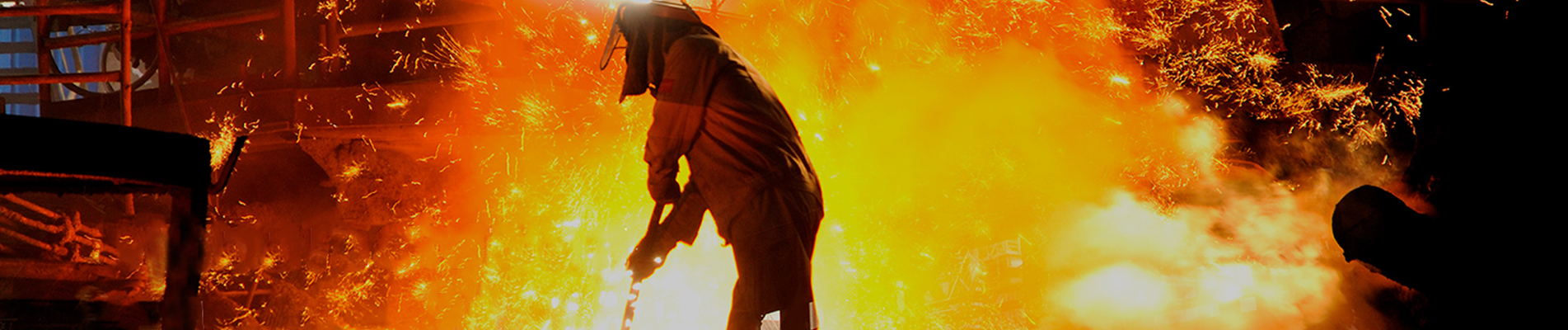
In industrial settings, insulation materials play a critical role in protecting equipment, ensuring safety, and improving energy efficiency. While standard fiberglass has long been used for thermal insulation, aluminized fiberglass fabric offers significant performance advantages that make it a superior choice for demanding industrial applications. This article explores the key benefits of aluminized fiberglass fabric compared to traditional fiberglass, helping engineers and procurement professionals make informed decisions.
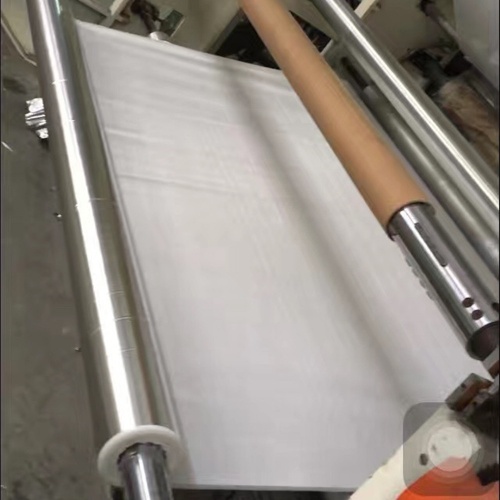
One of the most significant advantages of aluminized fiberglass fabric is its ability to reflect radiant heat. The aluminum coating on the surface acts as a reflective barrier, directing heat away from sensitive machinery, piping, and ducting. Standard fiberglass, while offering thermal resistance, does not provide the same level of reflective protection. This makes aluminized fiberglass ideal for applications where high surface temperatures could compromise equipment performance or create safety risks.
Fire safety is a top priority in industrial operations. Aluminized fiberglass fabric is inherently fire retardant, providing an extra layer of protection against ignition and the spread of flames. Standard fiberglass, though resistant to heat, may not offer the same rapid fire suppression properties. By choosing aluminized fiberglass, industrial operators reduce the risk of fire-related incidents, protecting both personnel and valuable assets.
Industrial environments often involve exposure to moisture, chemicals, and other corrosive substances. Aluminized fiberglass fabric offers superior resistance to corrosion and chemical degradation compared to standard fiberglass. The aluminum coating acts as a protective shield, preserving the structural integrity of the insulation material and ensuring consistent performance over time. This durability reduces maintenance requirements and extends the operational lifespan of industrial systems.
Aluminized fiberglass fabric is flexible and lightweight, making it easier to handle and install than some standard fiberglass options. It can be cut, wrapped, or stitched to fit complex industrial geometries, including pipes, ducts, and machinery surfaces. Its adaptability allows for rapid installation while maintaining full thermal and fire protection.
Aluminized fiberglass fabric is widely used across multiple sectors, including:
Power Plants: Insulating high-temperature piping and turbines.
Manufacturing Facilities: Protecting machinery from heat and chemical exposure.
Automotive and Aerospace: Providing heat shielding for exhaust systems and engine components.
Industrial Safety: Serving as protective barriers to enhance fire safety and worker protection.
For industrial professionals seeking enhanced thermal protection, fire safety, and durability, aluminized fiberglass fabric presents clear advantages over standard fiberglass. Its reflective surface, fire retardancy, and corrosion resistance make it a reliable choice for high-temperature, high-risk industrial applications. Investing in aluminized fiberglass fabric not only safeguards equipment and personnel but also improves operational efficiency and reduces long-term maintenance costs.

 français
 Deutsch
 русский
 italiano
 español
 português
 Nederlands
 العربية
 日本語
日本語 한국의
한국의 Türkçe
 Polski
 Tiếng Việt
 slovenský
 Indonesia