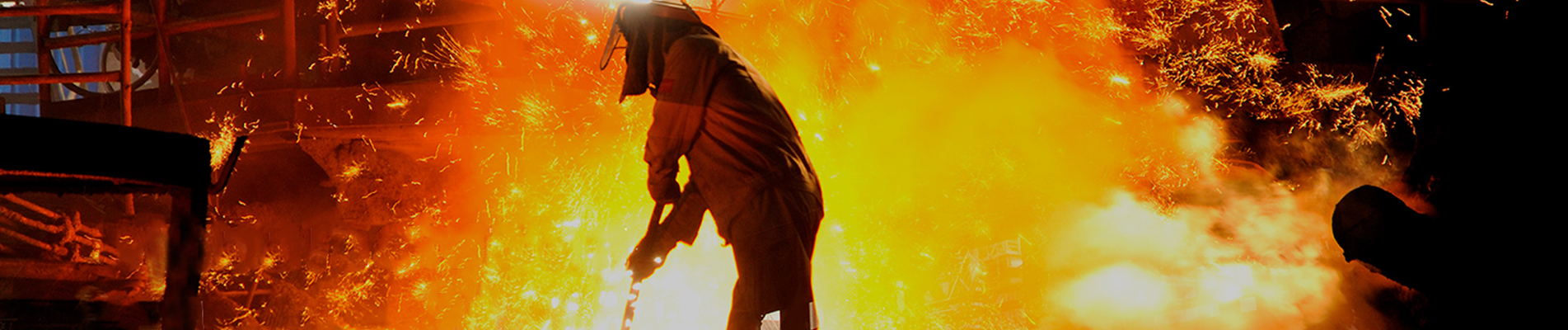
In high-temperature industrial environments, uncontrolled heat, welding sparks, and molten metal splatter pose serious safety risks to personnel, equipment, and surrounding infrastructure. Welding blankets and fire blankets are essential protective materials designed to contain these hazards, helping manufacturers, maintenance teams, and contractors maintain safe and compliant working conditions.
This guide provides a complete technical and practical overview of welding blankets and fire blankets, including material options, temperature performance, application scenarios, and selection considerations for industrial use.
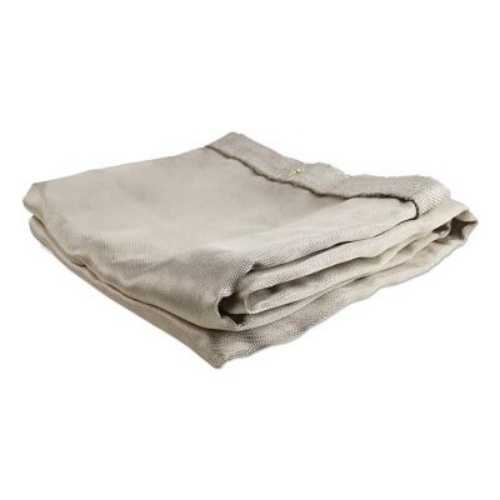
A welding blanket is a high-temperature resistant textile barrier used to shield nearby surfaces and equipment from welding sparks, spatter, slag, and radiant heat. It is commonly deployed during welding, cutting, grinding, and brazing operations where hot particles or open flames are present.
Welding blankets are typically draped, hung, or wrapped around work areas to form a protective zone. In industrial settings, they are often used as temporary protection during fabrication, repair, or maintenance operations.
Key functions of a welding blanket include:
Blocking molten metal splash
Withstanding direct spark and slag impact
Reducing radiant heat transfer
Protecting floors, walls, cables, hoses, and machinery
While often grouped together, fire blankets and welding blankets serve slightly different purposes.
A fire blanket is primarily designed for fire suppression and emergency response. It is commonly used to smother small fires, shield personnel from flames, or provide temporary thermal protection in emergency situations.
The main differences lie in application focus:
Welding blankets emphasize resistance to sparks, slag, and localized radiant heat during hot work.
Fire blankets emphasize flame resistance and thermal insulation for emergency or safety response.
In many industrial environments, high-temperature fire blankets are also suitable for welding protection, provided their material composition and temperature rating meet the demands of the operation.
Material selection directly determines thermal performance, durability, and service life. The most widely used materials include fiberglass, silica, and carbon-based textiles.
Fiberglass welding blankets are the most common and cost-effective solution for general industrial welding protection. Made from E-glass or texturized fiberglass yarns, they offer reliable resistance to sparks and moderate heat exposure.
Typical characteristics include:
Good spark and spatter resistance
Suitable for light to medium welding applications
Flexible and easy to handle
Economical for large-area coverage
Fiberglass blankets are widely used in fabrication shops, maintenance workshops, and construction sites.
Silica welding blankets are designed for higher temperature environments where fiberglass may degrade or lose strength. With high silica content, these blankets offer superior thermal stability and flame resistance.
Typical characteristics include:
Higher continuous and peak temperature resistance
Lower shrinkage under heat exposure
Better performance near open flames
Longer service life in demanding environments
Silica blankets are commonly used in steel mills, shipyards, power plants, and heavy industrial welding operations.
Carbon fiber welding blankets and other advanced composites are used in extreme heat conditions where traditional materials are insufficient. These materials offer exceptional temperature resistance but are typically used for specialized applications due to higher cost.
Temperature resistance is one of the most critical parameters when selecting a welding or fire blanket. However, not all temperature ratings are defined in the same way.
Key performance factors include:
Continuous temperature resistance – safe long-term exposure
Short-term or peak temperature resistance – brief contact with high heat
Radiant heat resistance – protection against heat energy without direct contact
It is important to match the blanket’s rating to actual operating conditions rather than relying solely on maximum advertised values.
Welding and fire blankets are used across a wide range of industries where heat and sparks are present.
Blankets protect floors, walls, machines, and adjacent workstations during MIG, TIG, and arc welding operations.
In confined shipyard environments, welding blankets are essential for preventing fire hazards and protecting structural components.
Fire-resistant blankets are used during hot work maintenance to protect pipelines, valves, and sensitive equipment.
High-temperature blankets are used to shield machinery and walkways from slag, sparks, and radiant heat.
Welding blankets protect wiring, hoses, and vehicle components during repair and modification processes.
Selecting the appropriate welding or fire blanket requires more than choosing the highest temperature rating. Key considerations include:
Type of welding or hot work involved
Distance from heat source
Duration of heat exposure
Required flexibility and handling
Compliance with safety requirements
For light fabrication, fiberglass blankets may be sufficient. For prolonged exposure or high-temperature environments, silica or advanced materials are recommended.
Many industrial users experience premature blanket failure due to incorrect selection or use. Common issues include:
Using low-temperature blankets near open flames
Ignoring radiant heat exposure
Overlooking material shrinkage at high temperatures
Reusing damaged or contaminated blankets
Understanding real operating conditions helps avoid these problems and improves workplace safety.
For industrial applications, consistency and reliability are critical. Welding blankets should be manufactured under controlled processes to ensure uniform thickness, weave density, and thermal performance.
Professional manufacturers typically offer:
Custom sizes and shapes
Eyelets, hooks, or reinforced edges
OEM and private label production
Bulk supply for industrial customers
Custom solutions are often necessary for complex installations or large-scale projects.
Despite advances in automation and equipment design, welding and fire blankets remain one of the most flexible and cost-effective safety solutions for hot work environments. Their ability to adapt to different applications, combined with proven thermal resistance, makes them indispensable in modern industry.
When properly selected and used, welding blankets and fire blankets significantly reduce fire risk, protect assets, and contribute to safer working conditions.
Choosing the right welding or fire blanket depends on material performance, application environment, and supplier reliability. Understanding these factors ensures long-term safety, compliance, and cost efficiency for industrial operations.

 français
 Deutsch
 русский
 italiano
 español
 português
 Nederlands
 العربية
 日本語
日本語 한국의
한국의 Türkçe
 Polski
 Tiếng Việt
 slovenský
 Indonesia