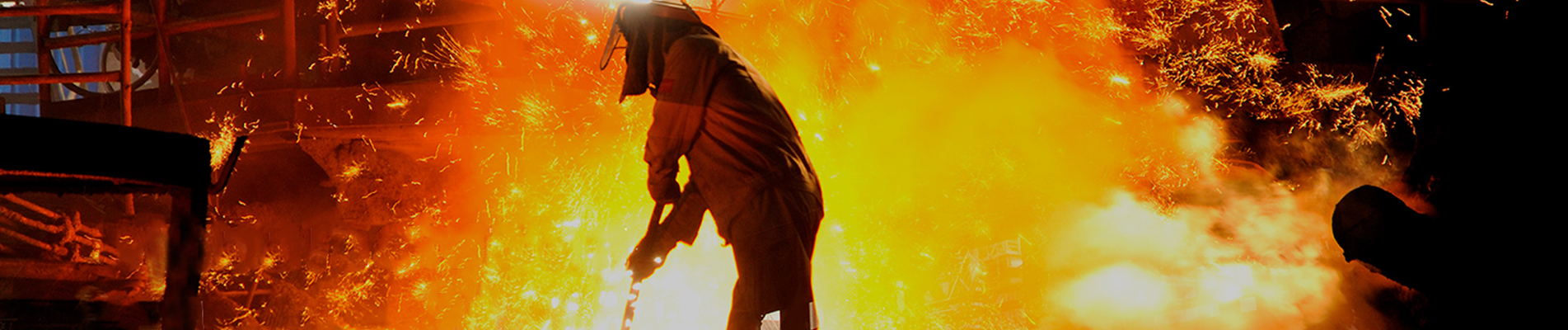
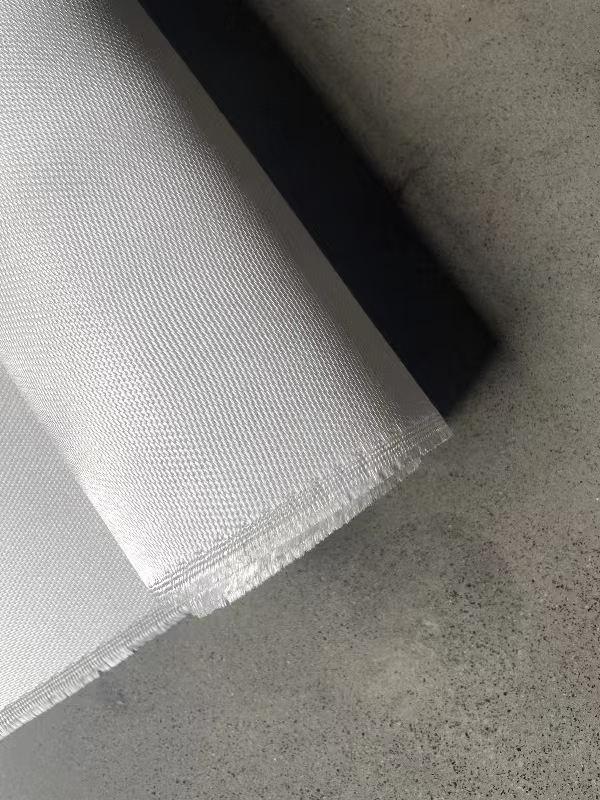
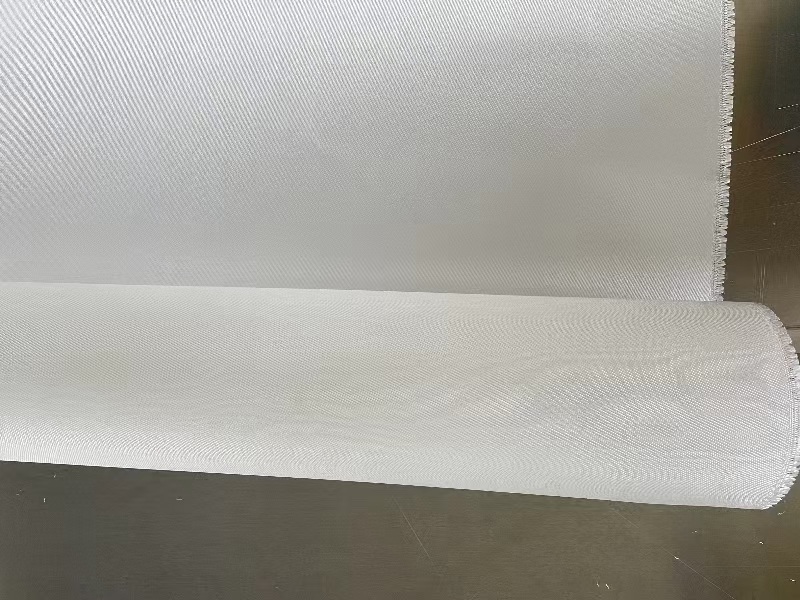
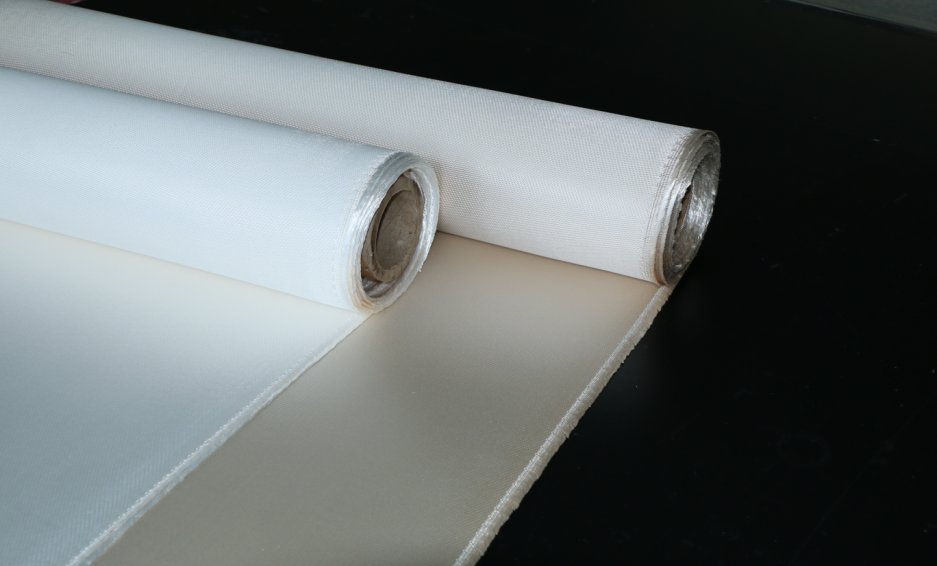
High silica fabric is a high-temperature woven textile made from silica-rich glass fibers. It is engineered for applications where conventional fiberglass fabric is no longer sufficient and where resistance to sustained heat, flame, thermal shock, and dimensional change is required.
Unlike ordinary heat-resistant fabrics, high silica fabric is defined primarily by its high silica content. Increasing the silica concentration changes the fiber structure and gives the finished cloth greater resistance to extreme temperatures.
For engineers, fabricators, and industrial buyers, the important question is not simply whether a material is called "silica fabric." The silica content, fabric construction, weight, thickness, surface treatment, and intended exposure all determine whether a particular grade is appropriate.
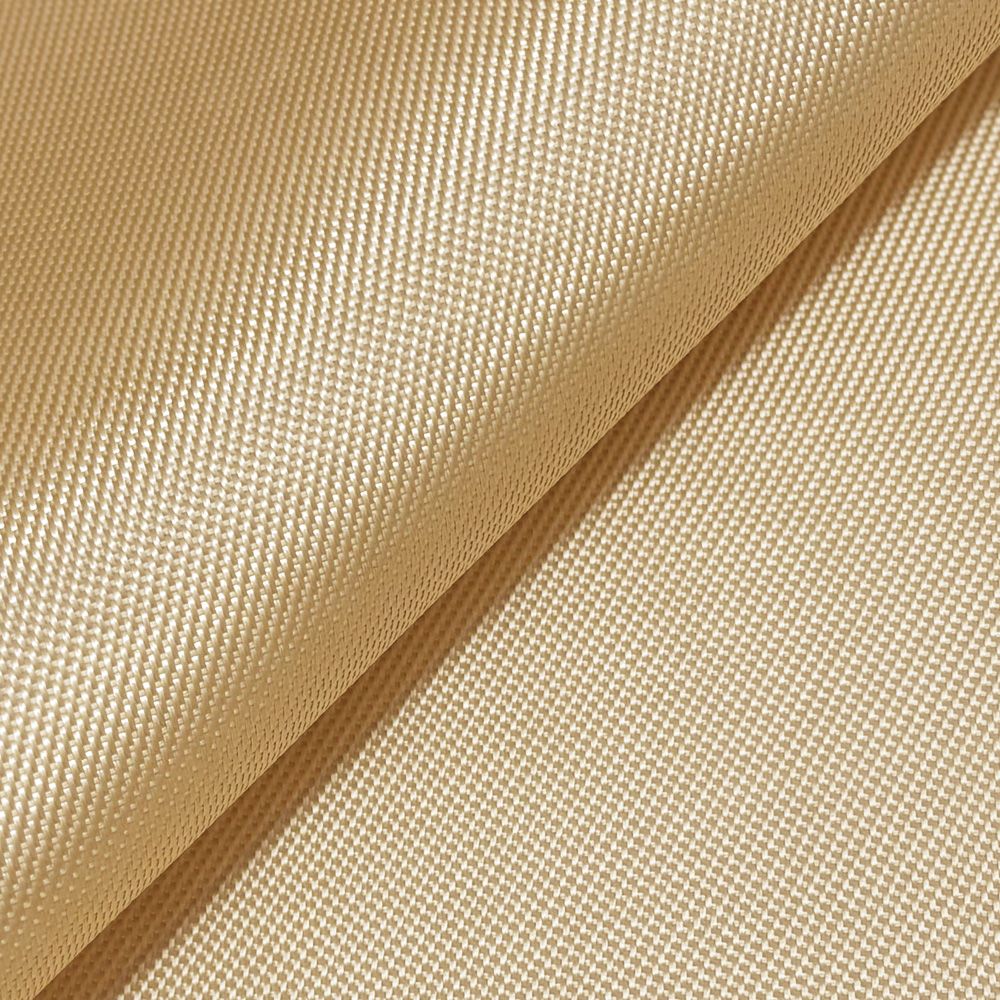
The term high silica refers to a glass fiber that has been processed to achieve a substantially higher proportion of silicon dioxide than conventional E-glass fiber.
This distinction matters because silica-rich fibers maintain their useful properties at temperatures where standard fiberglass begins to lose strength and stability.
High silica fabric is therefore commonly selected when a component must provide a flexible textile barrier while facing severe thermal conditions.
Typical requirements include:
Continuous exposure to elevated temperatures
Short-duration exposure to extreme heat
Open flame protection
Welding and cutting operations
Furnace and foundry environments
Exhaust and engine compartment insulation
Thermal shielding around industrial equipment
Fire curtains and removable insulation systems
The finished textile can be supplied in different constructions and weights, allowing the material to be adapted for blankets, covers, curtains, shields, sewn insulation products, and fabricated thermal barriers.
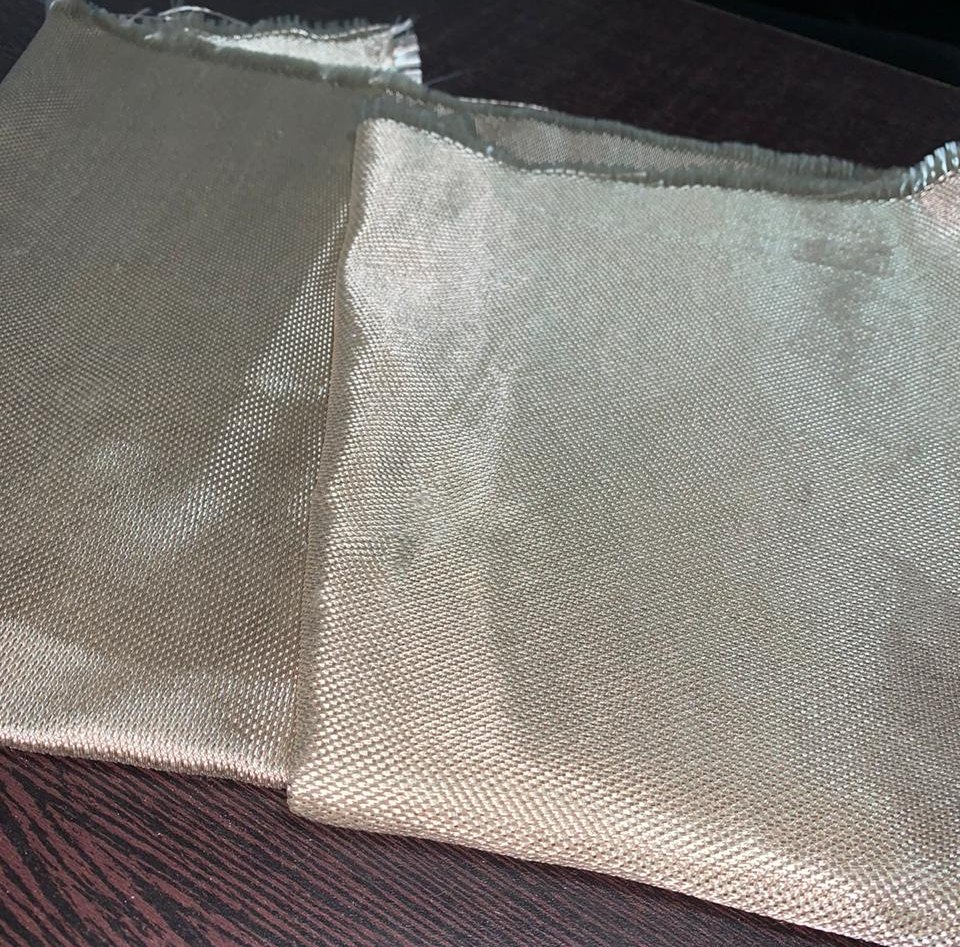
Silica content is one of the most useful indicators when comparing high-temperature glass-based fabrics.
A conventional fiberglass cloth and a high silica fabric may look similar at first glance. Their thermal performance, however, can be significantly different because the fibers themselves have different compositions and thermal characteristics.
As the silica content increases, the material becomes better suited to severe thermal environments.
This is why industrial specifications often distinguish between grades such as:
70% silica fabric
and
96% silica fabric
These numbers should not be treated as a simple quality ranking. They identify different material grades intended for different operating conditions.
The correct choice depends on temperature, exposure duration, mechanical requirements, installation method, and cost target.
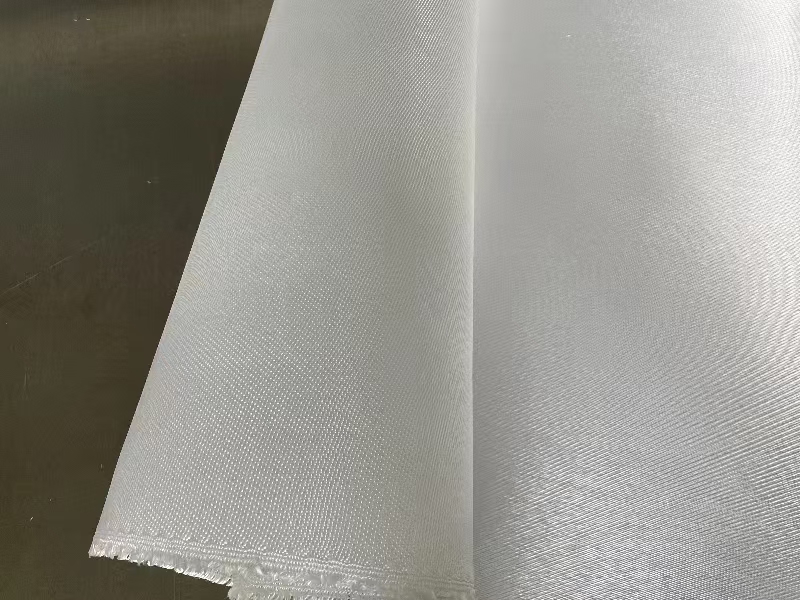
For many industrial applications, the most practical comparison is between 70% woven silica fabric and 96% high-temperature silica fabric.
| Characteristic | 70% Silica Fabric | 96% High Silica Fabric |
|---|---|---|
| Silica content | Approximately 70% | Minimum 96% |
| Typical use | General high-temperature protection | Severe high-temperature applications |
| Thermal capability | High | Very high |
| Flexibility | Good | Good |
| Fabric construction | Woven | Woven |
| Welding protection | Suitable | Suitable for more demanding conditions |
| Furnace applications | Common | Preferred for higher thermal loads |
| Exhaust insulation | Suitable for selected systems | Well suited to severe heat exposure |
| Cost level | Generally lower | Generally higher |
| Best selection criterion | Required performance vs. cost | Maximum thermal performance |
The 70% grade is useful when the application requires a high-temperature textile but does not justify the highest silica concentration.
The 96% grade is better suited to applications where thermal exposure is severe and maintaining the integrity of the textile is a priority.
For example, the 70% woven grade supplied by PKFiresleeve is specified for temperatures up to 800°C, while its 96% high-temperature silica fabric is designed for continuous thermal exposure up to approximately 1000°C.
For product selection, temperature should always be evaluated together with exposure time and the actual construction of the finished component.
A common mistake during material selection is to compare fabrics using only a maximum temperature number.
High silica fabric performance also depends on:
Heavier cloth generally provides more material per unit area and can offer greater coverage and durability.
Common industrial constructions range from relatively lightweight fabrics for flexible shielding to heavier grades used in blankets, removable insulation covers, and thermal barriers.
Thickness influences handling, flexibility, insulation performance, and the number of layers required in a finished assembly.
A thin fabric may be preferable where space is restricted, while a heavier construction can be advantageous where mechanical durability is important.
Plain, twill, and other woven constructions can provide different combinations of flexibility, stability, and abrasion resistance.
The weave should be selected according to how the fabric will be installed and whether it needs to be sewn, wrapped, folded, or fabricated into a finished insulation product.
A high silica fabric can also be supplied with a coating or treatment designed for a particular application.
Depending on the environment, options include silicone rubber, aluminum, vermiculite, and pressure-sensitive adhesive backing.
The coating is not simply a cosmetic modification. It can change handling characteristics, abrasion resistance, surface behavior, radiant heat reflection, or installation method.
High silica fabrics are designed for much higher thermal exposure than ordinary textile materials.
However, "temperature resistance" should always be divided into at least three categories:
Continuous operating temperature
The temperature that the fabric can withstand during extended service.
Intermittent exposure
Higher temperatures may be acceptable for limited periods depending on the material and application.
Peak or short-duration exposure
A fabric may survive a brief thermal event at a temperature considerably above its normal continuous operating range.
These values should never be treated as interchangeable.
For example, a material specified for continuous operation at one temperature should not automatically be treated as suitable for permanent exposure at its short-term peak temperature.
The surrounding conditions also matter. Direct flame, radiant heat, conductive heat, molten metal splash, mechanical abrasion, chemical exposure, and repeated thermal cycling can produce very different service conditions.
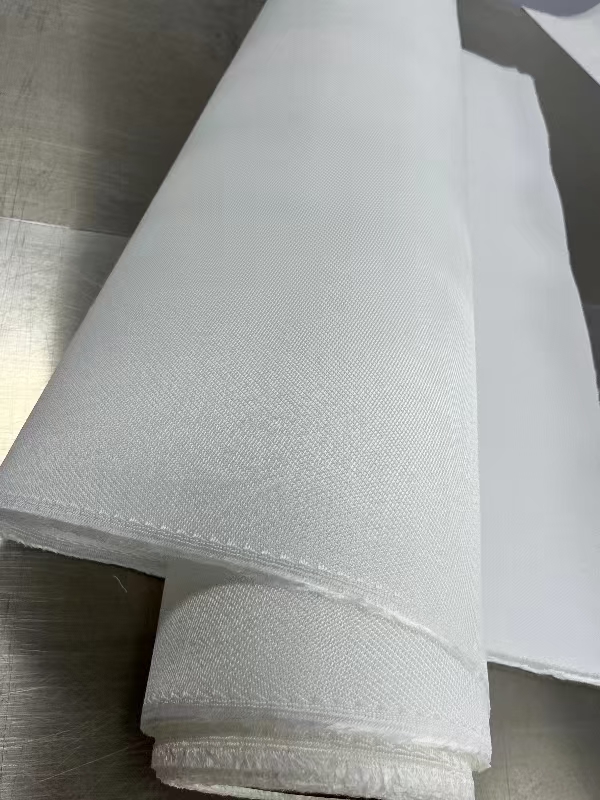
High silica fabric is closely related to fiberglass fabric, but it should not be treated as simply another ordinary fiberglass cloth.
Both are woven from glass-derived fibers, yet high silica materials are processed to achieve a much higher silica concentration.
That difference is especially important in extreme-temperature applications.
| Property | Standard Fiberglass Fabric | High Silica Fabric |
|---|---|---|
| Fiber chemistry | Conventional glass fiber | Silica-rich glass fiber |
| High-temperature capability | Moderate to high | Very high |
| Extreme heat resistance | Limited compared with silica grades | Excellent |
| Thermal stability | Good | Excellent |
| Typical application | General thermal insulation | Severe heat and fire protection |
| Relative material cost | Lower | Higher |
| Extreme-temperature selection | Limited | Preferred |
This makes high silica fabric particularly valuable when replacing a standard fiberglass textile that is experiencing excessive shrinkage, embrittlement, loss of strength, or premature degradation.
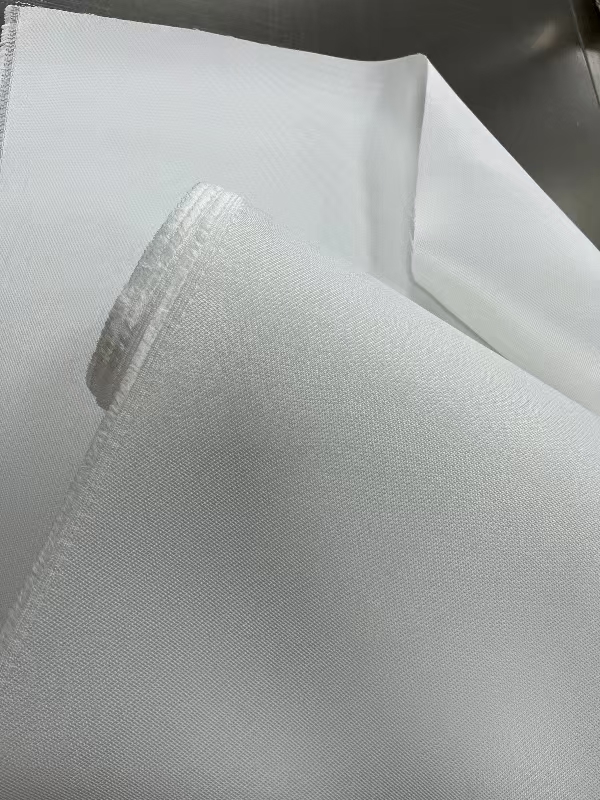
The material is used across industries where flexible thermal protection is needed.
High silica cloth can be manufactured into welding blankets, welding curtains, spark shields, and heat-resistant covers.
Its flexibility allows workers and equipment to be protected around irregular shapes where rigid thermal shields would be difficult to install.
Furnace doors, inspection areas, thermal barriers, equipment covers, and removable insulation systems can use high silica textile materials.
The fabric can also be sewn into custom shapes for equipment that requires frequent maintenance access.
High silica fabric can be incorporated into thermal insulation assemblies surrounding exhaust components, pipes, manifolds, and other high-temperature equipment.
For applications requiring additional insulation, multiple textile layers can be combined with suitable insulation media.
Because the material is flexible and flame resistant, high silica cloth can be fabricated into curtains and partitions for industrial heat and fire protection.
Foundries and metalworking facilities can use high-temperature textiles around furnaces, casting equipment, hot tooling, and areas exposed to radiant heat.
Material selection should account for whether the fabric will encounter direct molten-metal contact or primarily radiant and convective heat.
The base fabric is only one part of the product family.
Different surface treatments allow manufacturers to adapt silica textiles to different engineering requirements.
A silicone rubber coating can provide a more durable and easier-to-handle surface while adding protection against abrasion and environmental exposure.
See the Silicone Rubber Coated High Silica Cloth for applications requiring a coated surface.
An aluminum surface is used when reflection of radiant heat is an important part of the thermal protection strategy.
This construction is particularly relevant to proximity protection, heat shields, welding environments, and industrial thermal barriers.
See the Aluminum Coated High Silica Fabric for this type of construction.
Vermiculite coating can improve the surface durability of silica cloth and make the material suitable for demanding welding and industrial protection applications.
The Vermiculite Coated Silica Cloth is an option when additional surface protection is required.
For applications where the textile must be installed directly onto a component or surface, adhesive backing can simplify installation.
The High Temperature Silica Fabric with Adhesive Backing is designed for applications where a flexible high-temperature textile needs an adhesive-backed construction.
A practical selection process should begin with the operating environment rather than the product name.
Ask these questions before specifying the material:
1. What is the actual operating temperature?
Determine both normal operating temperature and the highest expected temperature.
2. How long will the fabric be exposed?
Continuous exposure and brief thermal spikes should be evaluated separately.
3. Is the heat direct or radiant?
A radiant heat environment may require a different construction from direct flame or contact with a hot surface.
4. Is abrasion resistance important?
If the fabric will rub against machinery, hoses, metal edges, or moving components, surface treatment and fabric construction become important.
5. Will the fabric be sewn or fabricated?
Blankets, covers, sleeves, curtains, and removable insulation jackets may require different weights and constructions.
6. Is space limited?
For tight installations, thickness and flexibility can be as important as temperature resistance.
7. Does the surface need additional protection?
Silicone, aluminum, vermiculite, or adhesive backing may be appropriate depending on the installation.
8. Is the material exposed to molten metal?
This requires special consideration. A high-temperature textile rating alone does not mean that every silica fabric is suitable for direct molten-metal contact.
A 96% grade is generally the stronger candidate when the application combines high temperature with demanding thermal exposure.
Typical reasons for specifying a 96% fabric include:
Higher continuous operating temperatures
Severe furnace environments
High-temperature exhaust insulation
Aerospace and engine compartment applications
High-temperature welding protection
Industrial fire barriers
Applications where conventional fiberglass has reached its practical limit
PKFiresleeve's 96% High Temp Silica Fabric is a high-purity woven silica textile intended for demanding thermal protection applications.
The material is available in different weights and thicknesses, allowing the same basic material family to be specified for different fabrication requirements.
Higher silica content does not automatically mean that it is the best choice for every project.
If the actual operating temperature is comfortably within the capability of a 70% grade, selecting a lower silica construction can provide a more economical solution.
The 70% Woven Silica Fabric is suitable for applications such as welding blankets, furnace curtains, thermal screens, and general industrial heat protection.
The objective should be to specify the lowest-cost material that reliably meets the real service requirements, rather than selecting the highest-temperature material by default.
Many industrial applications do not use silica fabric as a flat sheet.
Instead, the material is converted into finished thermal protection products such as:
Removable insulation jackets
Welding blankets
Furnace curtains
Flexible heat shields
Equipment covers
Exhaust insulation components
Fire barriers
Thermal wraps
Fabric expansion joint components
Custom sewn insulation assemblies
For these products, fabric selection is only the first engineering decision.
The finished construction may require multiple layers, insulation cores, stitching, edge reinforcement, fasteners, coatings, or customized dimensions.
This is why industrial buyers should provide the intended application, operating temperature, dimensions, exposure conditions, and fabrication requirements when requesting a quotation.
High silica fabric is best understood as a silica-rich woven glass textile engineered for extreme thermal environments.
Its principal advantage is not simply a high temperature number. The value comes from combining thermal resistance with the flexibility, sewability, and conformability of a textile.
The right grade depends on the application:
Choose 70% silica fabric for high-temperature protection where its thermal capability meets the service requirement.
Choose 96% high silica fabric when higher continuous thermal performance and greater resistance to severe heat are required.
Choose coated silica fabric when additional surface characteristics are needed.
Choose adhesive-backed silica fabric when simplified installation is important.
Choose aluminum-coated silica fabric when radiant heat reflection is a key requirement.
Choose vermiculite-coated silica cloth when enhanced surface durability is required.
For engineers and purchasing teams, the most reliable approach is to specify the complete service condition rather than selecting fabric solely by the word "high temperature."
In industrial textile terminology, the two terms are often used interchangeably. "Silica fabric" generally emphasizes the woven textile, while "silica cloth" is commonly used for the same type of material in thermal protection applications.
A high silica fabric uses silica-rich glass fibers with a substantially higher silica concentration than conventional fiberglass. Commercial grades can include approximately 70% silica and high-purity grades around 96% silica.
Not necessarily for every application. A 96% grade offers higher thermal capability, but a 70% grade may be the more economical choice when its performance is sufficient for the actual operating environment.
Yes. Woven silica fabrics can be cut and sewn into blankets, covers, curtains, removable insulation jackets, and other flexible thermal protection products. Appropriate high-temperature thread and construction methods should be selected for the service temperature.
Yes. Depending on the application, silica fabric can be supplied with silicone, aluminum, vermiculite, adhesive backing, or other engineered surface treatments.
Not automatically. Molten metal exposure is application-specific and depends on metal type, temperature, contact duration, fabric construction, coating, and the overall protective assembly. A material should not be selected solely from its maximum temperature rating.
They are different material families. High silica fabric is a silica-rich glass textile, while ceramic fiber cloth is produced from refractory ceramic fibers. Their handling, flexibility, thermal characteristics, and application requirements can differ substantially.
High silica fabric provides a flexible solution for industrial applications that demand significantly greater thermal resistance than conventional textile materials can provide.
The most important specification is not simply the phrase "high temperature." Silica content, fabric weight, thickness, weave, coating, exposure time, and installation method all influence the suitability of the finished material.
For general high-temperature protection, a 70% silica construction may provide the right balance of performance and cost. For more severe thermal conditions, 96% high silica fabric provides a higher-performance option.
Selecting the correct construction at the beginning of a project can improve service life, simplify fabrication, and reduce the risk of premature thermal failure.

 français
 Deutsch
 русский
 italiano
 español
 português
 Nederlands
 العربية
 日本語
日本語 한국의
한국의 Türkçe
 Polski
 Tiếng Việt
 slovenský
 Indonesia