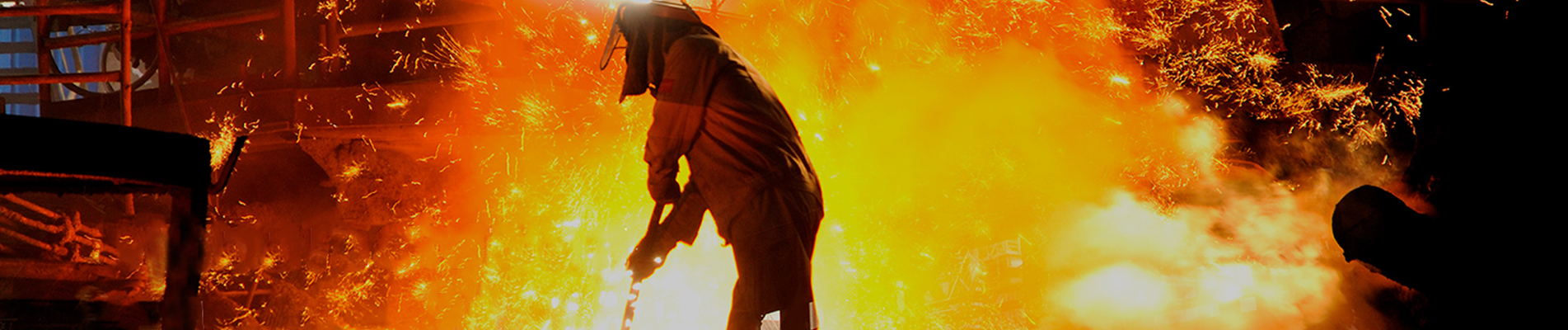
Selecting a tadpole gasket tape is not simply a matter of choosing a bulb diameter. Two seals with an identical outside profile can behave very differently when their cover fabrics, internal cores and surface treatments are changed.
For industrial ovens, furnaces, kilns, boilers and heated enclosures, the most useful way to specify a tadpole seal is to treat it as an engineered combination of three elements: outer cover, internal core and finished profile.
The outer textile determines much of the gasket's exposure capability. The core controls compression and recovery. The bulb and tail dimensions determine how the finished gasket fits the equipment.
BSTFLEX manufactures tadpole gasket tapes and high temperature tadpole seals with different fiberglass, silica, ceramic, basalt, aramid and coated textile covers combined with fiber, stainless steel and Inconel core constructions.
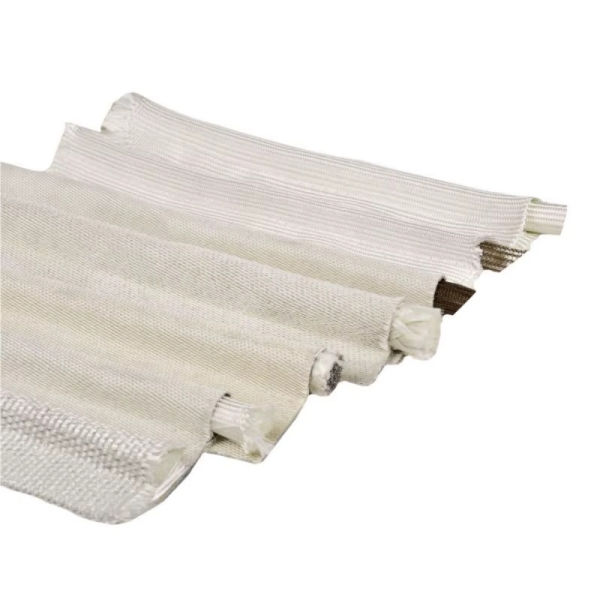
The term tadpole gasket tape describes a family of flexible sealing profiles rather than one fixed material specification.
This distinction matters when sourcing replacement seals. A product described only as "tadpole tape" does not tell an engineer whether the bulb contains fiberglass rope, ceramic fiber, stainless steel mesh or Inconel reinforcement.
A useful specification should identify:
The cover is the exposed textile surrounding the bulb. It also normally forms the flat tail used to secure the gasket to the equipment.
Different cover materials should be selected according to heat exposure, abrasion, radiant heat, chemical contact and surrounding process conditions.
Fiberglass is a practical starting point for many industrial thermal sealing applications. It provides a flexible woven construction that can be formed around different core materials.
The important advantage is not just the fiberglass itself, but the number of core configurations that can be built beneath it.
For a soft all-fiber construction, BSTFLEX manufactures the Fiberglass Cover Fiberglass Core Tadpole Gasket . The fiberglass core provides a relatively soft compression response without metallic reinforcement.
Where greater mechanical support is required, the Fiberglass Cover Stainless Steel Core Tadpole Gasket combines the textile cover with a reinforced metallic core.
For applications requiring greater bulb collapse and lower closing force, the Fiberglass Cover Stainless Steel Hollow Core Tadpole Gasket provides another compression characteristic.
Silica cloth is considered when the thermal conditions exceed the practical range of standard fiberglass constructions or when the specification requires a higher-temperature textile cover.
The cover can be paired with different cores rather than automatically using silica throughout the entire gasket.
For example, the Silica Cloth Covered Ceramic Core Tadpole Gasket combines a silica textile surface with a compressible ceramic fiber core.
For applications requiring metallic internal reinforcement, the High Temperature Tadpole Gasket with Silica Cloth Cover and Inconel Core uses a different engineering approach: the silica cloth addresses the exposed thermal environment while the Inconel core provides internal metallic support.
Ceramic textile covers are used for more demanding thermal sealing conditions where a high-temperature fiber construction is required.
Again, core selection changes the behavior of the finished gasket.
The Ceramic Fabric Cover Ceramic Core Tadpole Gasket provides an all-ceramic textile/fiber configuration.
In contrast, the Ceramic Fabric Cover Inconel Core Tadpole Gasket uses metallic reinforcement beneath the ceramic cover.
Where the application also involves substantial rubbing or mechanical exposure, an additional metallic stocking can be incorporated. The Inconel Stocking Ceramic Fabric Cover Ceramic Core Tadpole Gasket is designed around this multi-layer construction concept.
A coating or treatment can change the surface characteristics of a fiberglass gasket without changing the underlying fiber family.
The Vermiculite Coated Fiberglass Tadpole Gasket Tape is intended for industrial thermal sealing where a treated fiberglass surface and reinforced core construction are required.
This type of construction is relevant to furnace doors, boilers, ovens, kilns and other thermal processing equipment.
Silicone coating addresses a different set of requirements from vermiculite treatment.
A silicone coated fiberglass surface can provide a smoother coated exterior, improved handling characteristics and additional resistance to certain environmental exposures.
The Silicone Coated Fiberglass Tadpole Gasket is therefore better treated as its own product family rather than as a substitute for every high-temperature fiberglass gasket.
Where chemical resistance, surface release characteristics or process cleanliness are important, PTFE coated fiberglass may be considered.
BSTFLEX manufactures the PTFE Coated Fiberglass Cover Fiberglass Core Tadpole Gasket with a fiberglass internal core.
Because PTFE has its own thermal limitations, this construction should be selected according to the actual combination of temperature and chemical exposure rather than on temperature alone.
Radiant heat creates a different sealing challenge from direct contact temperature.
For equipment exposed to significant radiant energy, a reflective surface can be incorporated into the gasket construction.
The Aluminized Fiberglass Tadpole Gasket combines a fiberglass textile substrate with a heat-reflective surface for applications where radiant heat management is part of the sealing requirement.
Basalt fiber provides another mineral-fiber option for industrial thermal sealing.
The Basalt Fabric Cover Wire Mesh Core Tadpole Gasket combines the woven basalt cover with an internal wire mesh core, providing a balance between textile flexibility and mechanical reinforcement.
Some sealing environments place greater emphasis on abrasion and mechanical durability than on achieving the highest possible temperature capability.
For these conditions, an aramid textile can be combined with a thermal fiber core.
The Aramid Cover Fiberglass Core Tadpole Gasket Tape uses this approach by combining an aramid outer cover with a fiberglass internal core.
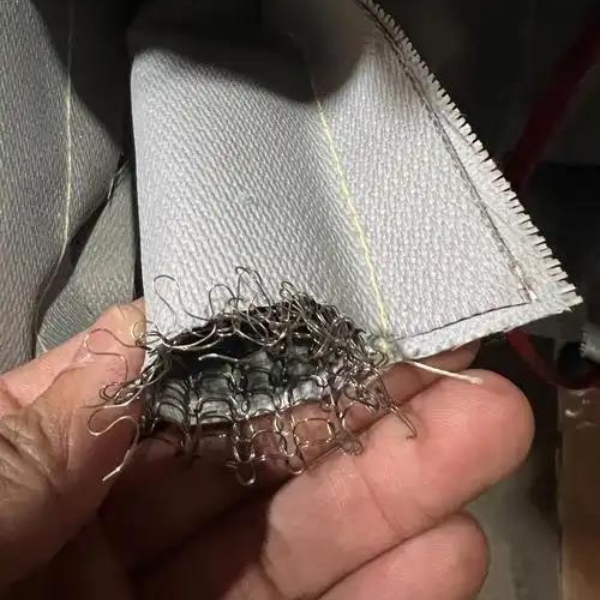
Cover material receives much of the attention in high-temperature gasket specifications, but the core can be equally important.
The core influences how easily the bulb compresses, how firmly it pushes back against the mating surface and how well the profile recovers after the door is opened.
A fiberglass core produces a soft, non-metallic sealing bulb. It is useful where flexibility and conformity are more important than metallic reinforcement.
The density and construction of the fiberglass core influence the closing force and compression behavior of the finished gasket.
Ceramic fiber can be used when the core itself must be suitable for more demanding thermal environments.
It can be combined with ceramic fabric or silica cloth depending on the required outer surface and total gasket construction.
A stainless steel core introduces metallic reinforcement into the bulb.
This construction can provide greater structural support and useful resilience where the gasket experiences repeated compression cycles.
It is particularly relevant to industrial doors and panels that open frequently during production or maintenance.
A hollow metallic core should not be confused with a conventional solid or dense mesh core.
Its open-center structure allows the bulb to collapse more readily under pressure. This can reduce the force required to close the equipment while allowing the gasket to accommodate larger variations in sealing gap.
For that reason, a hollow core tadpole gasket can be particularly useful on large doors, access covers and uneven mating surfaces.
Inconel reinforcement is considered when the metallic core itself must operate in a more demanding thermal environment.
It can be paired with silica or ceramic covers to create a gasket in which both the external textile and internal reinforcement are selected for severe service.
Wire mesh cores provide a useful balance between metallic reinforcement and compressibility.
Mesh alloy, wire diameter, knit density and core geometry can all influence how the bulb responds under load.
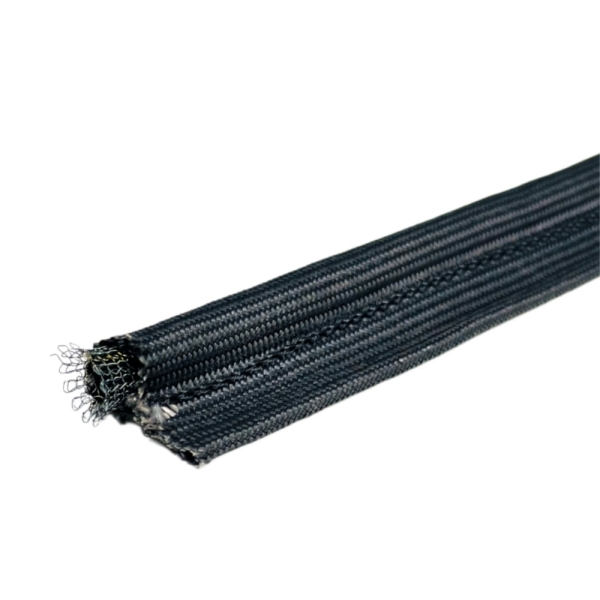
| Construction | Primary Characteristic | Typical Selection Reason |
|---|---|---|
| Fiberglass + Fiberglass Core | Soft, non-metallic compression | General thermal door sealing |
| Fiberglass + Stainless Steel Core | Reinforced bulb | Repeated compression and mechanical support |
| Fiberglass + Hollow Stainless Core | High compressibility | Lower closing force and uneven gaps |
| Silica + Ceramic Core | High-temperature fiber construction | Demanding thermal equipment |
| Silica + Inconel Core | High-temperature cover with metallic reinforcement | Severe thermal and mechanical conditions |
| Ceramic + Ceramic Core | High-temperature textile/fiber system | Furnaces and kilns |
| Ceramic + Inconel Core | High-temperature cover with reinforced core | Thermal equipment requiring metallic support |
| PTFE Fiberglass + Fiberglass Core | Coated surface and soft core | Chemical or process-specific environments |
| Aluminized Fiberglass | Reflective external surface | Radiant heat exposure |
| Basalt + Wire Mesh Core | Mineral textile with reinforcement | Thermal and mechanical sealing |
| Aramid + Fiberglass Core | Durable textile with soft fiber core | Abrasion-conscious applications |
One of the most common purchasing mistakes is ordering a replacement gasket by outside diameter alone.
Consider three tadpole gaskets with the same nominal bulb diameter:
Their outside dimensions may appear similar, but the force required to compress each bulb can be substantially different.
This affects door closing pressure, sealing contact and long-term behavior.
For replacement projects, the original core construction should therefore be identified whenever possible.
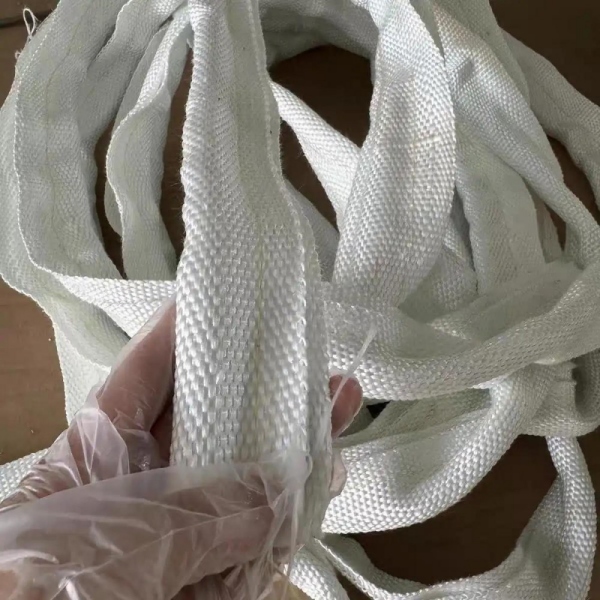
The bulb-and-tail profile is particularly useful where a compressible seal needs to remain mechanically attached to a door, frame, hatch or panel.
Typical industrial applications include:
An industrial oven door presents both a thermal and mechanical sealing problem.
The gasket may experience thousands of compression cycles while the door frame itself expands and contracts as operating temperatures change.
A soft fiberglass core may be appropriate when low closing force and conformity are priorities. A stainless steel core may be selected where additional mechanical resilience is required. A hollow metallic core can provide another option where substantial compression is needed.
This is why specifying only "fiberglass oven door gasket" is often insufficient for an engineered replacement.
Furnace applications place greater emphasis on material temperature capability.
Depending on actual exposure, fiberglass may be replaced or supplemented by vermiculite-treated fiberglass, silica or ceramic textile constructions.
The internal core must also be considered. A high-temperature outer cover does not automatically make every internal core suitable for the same operating environment.
The entire gasket system should be evaluated as a complete construction.
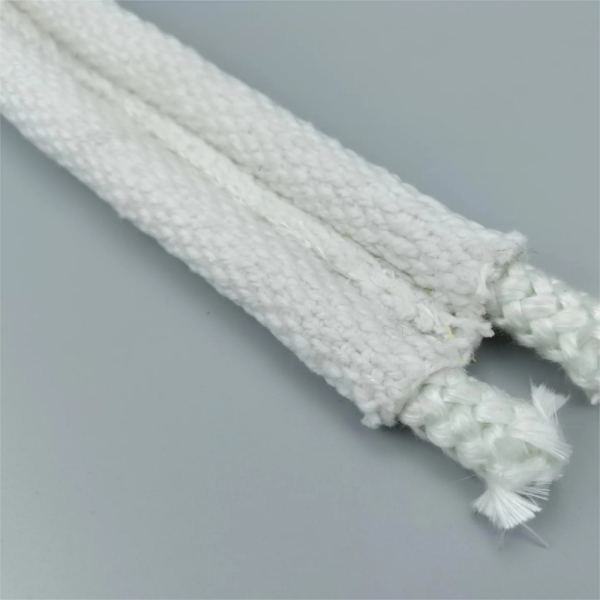
Kilns and heat treatment systems can combine elevated temperature with frequent thermal cycling and dimensional movement.
Silica and ceramic textile covers become particularly relevant in this environment, while ceramic fiber and Inconel core options allow the internal construction to be matched to the service conditions.
Temperature is not the only concern in duct and damper sealing.
Vibration, pressure, surface alignment, opening frequency and chemical composition of the process gas may also affect material selection.
A hollow-core profile can be useful where panel alignment varies, while a reinforced metallic core may be preferred where the gasket is subjected to repeated mechanical cycling.
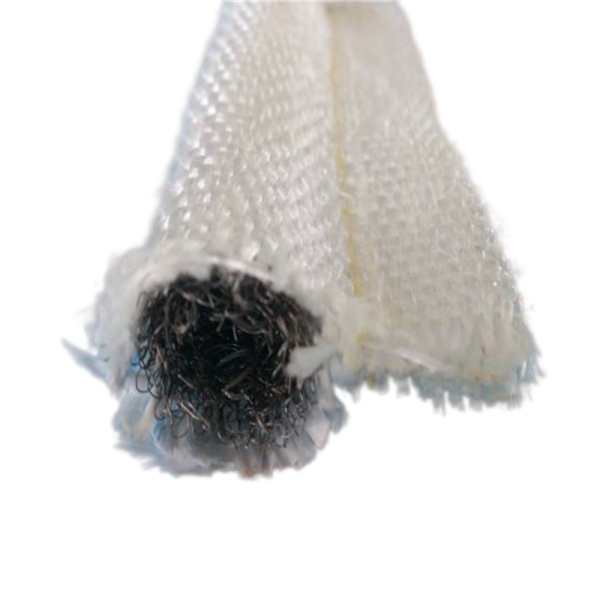
A practical selection process should begin with the equipment rather than with a catalog material.
Record normal continuous temperature, expected peak temperature and whether the gasket sees direct hot gas, radiant heat or only the temperature of the equipment frame.
Check for oils, chemicals, moisture, abrasion, dust, process contamination and radiant heat.
Measure the gap in the actual closed position. Where possible, check several points around the door because the gap may not be uniform.
The bulb must compress enough to maintain contact without creating excessive closing force.
Choose fiberglass, silica, ceramic, basalt, aramid or an appropriate coated fabric according to the external environment.
Choose a fiber, stainless steel, hollow stainless steel, Inconel or other core according to required firmness, recovery and temperature capability.
Tail width and thickness must be compatible with the retaining strip, screws, rivets, clips, bolts or mounting channel used on the equipment.
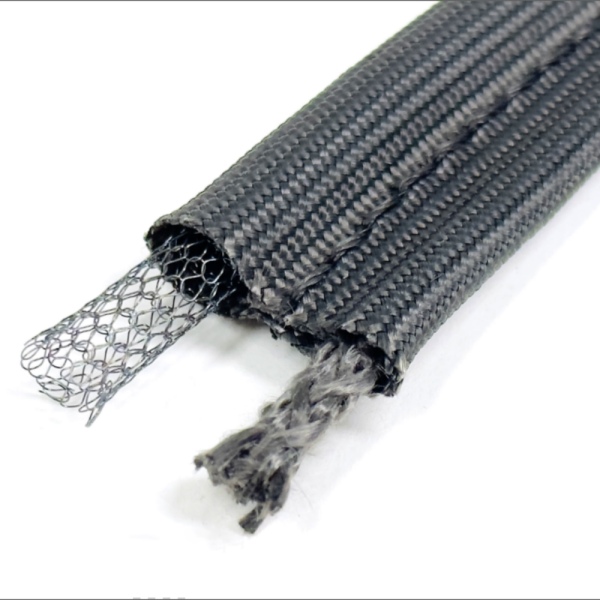
For a new or replacement tadpole gasket tape, providing complete application data reduces the risk of selecting the wrong construction.
Standard catalog combinations are useful starting points, but they do not cover every industrial sealing problem.
BSTFLEX can develop custom tadpole gasket constructions by changing the cover material, coating, internal core, bulb diameter, tail width and finished profile.
This allows an OEM or maintenance engineer to specify a gasket around the actual operating environment rather than accepting a single standard construction.
The engineering logic can be summarized as:
Cover Material + Core Construction + Profile Geometry + Application Conditions = Finished Tadpole Gasket
Tadpole gasket tape is a flexible sealing profile consisting of a compressible bulb and a flat mounting tail. The term can describe many different cover and core combinations rather than one specific material.
Common options include fiberglass, silica, ceramic, basalt and aramid fabrics, as well as fiberglass with silicone, PTFE, vermiculite or aluminized surface constructions.
Depending on the design, the bulb may contain fiberglass, silica or ceramic fiber, stainless steel wire mesh, hollow stainless steel mesh, Inconel mesh or another engineered core.
Fiber cores generally provide softer compression than dense metallic reinforcement, although actual firmness depends on core density and construction. Hollow metallic cores can also provide high compressibility with metallic resilience.
A hollow core is useful where the bulb must compress significantly, the equipment has limited closing force or the sealing gap varies around the door or panel.
Inconel cores are considered for demanding thermal applications where the metallic reinforcement itself requires elevated-temperature capability and mechanical stability.
Yes. Combining different materials is one of the main advantages of engineered tadpole gasket construction. Silica can be combined with ceramic or Inconel cores, ceramic fabric can be paired with ceramic or metallic cores, and fiberglass can be combined with fiber, stainless steel or hollow metallic cores.
Yes. An existing gasket, cross-sectional drawing, photographs and equipment dimensions can be used to develop an OEM or replacement profile.
There is no single tadpole gasket tape that is best for every oven, furnace, kiln or thermal enclosure. The correct solution depends on how the cover, core and profile work together under actual operating conditions.
BSTFLEX manufactures customized tadpole gaskets, tadpole seals and tadpole gasket tapes using multiple textile materials, coatings, fiber cores and metallic reinforcement options.
View the complete BSTFLEX Tadpole Gasket and Tadpole Seal range or send your existing gasket sample, drawing, operating temperature, bulb diameter, tail width and required quantity for evaluation and quotation.

 français
 Deutsch
 русский
 italiano
 español
 português
 Nederlands
 العربية
 日本語
日本語 한국의
한국의 Türkçe
 Polski
 Tiếng Việt
 slovenský
 Indonesia