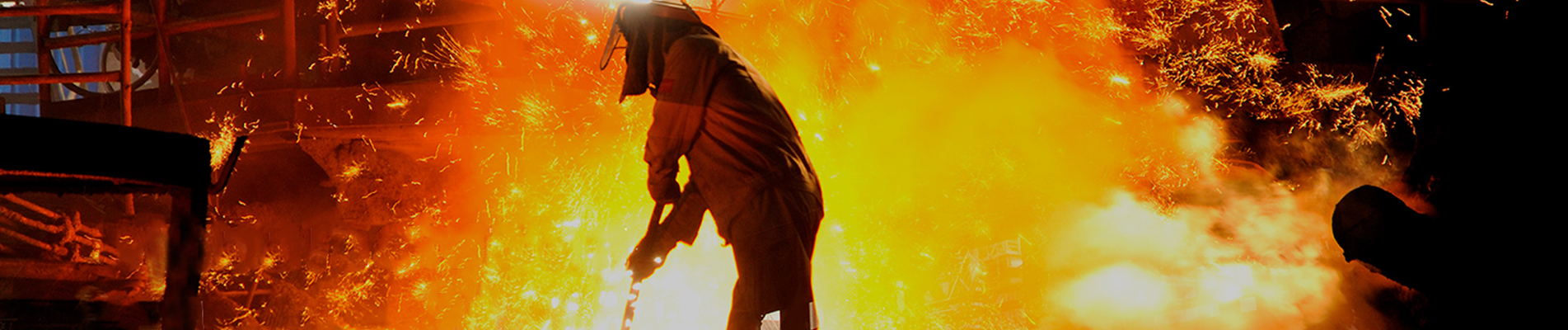
In industries where extreme temperatures, intense abrasion, and chemical exposure are part of daily operations, material reliability is not just preferred—it’s critical. Woven fiberglass fabric has become an essential solution in foundries, refineries, and power generation facilities due to its unique balance of thermal resistance, structural strength, and chemical durability.
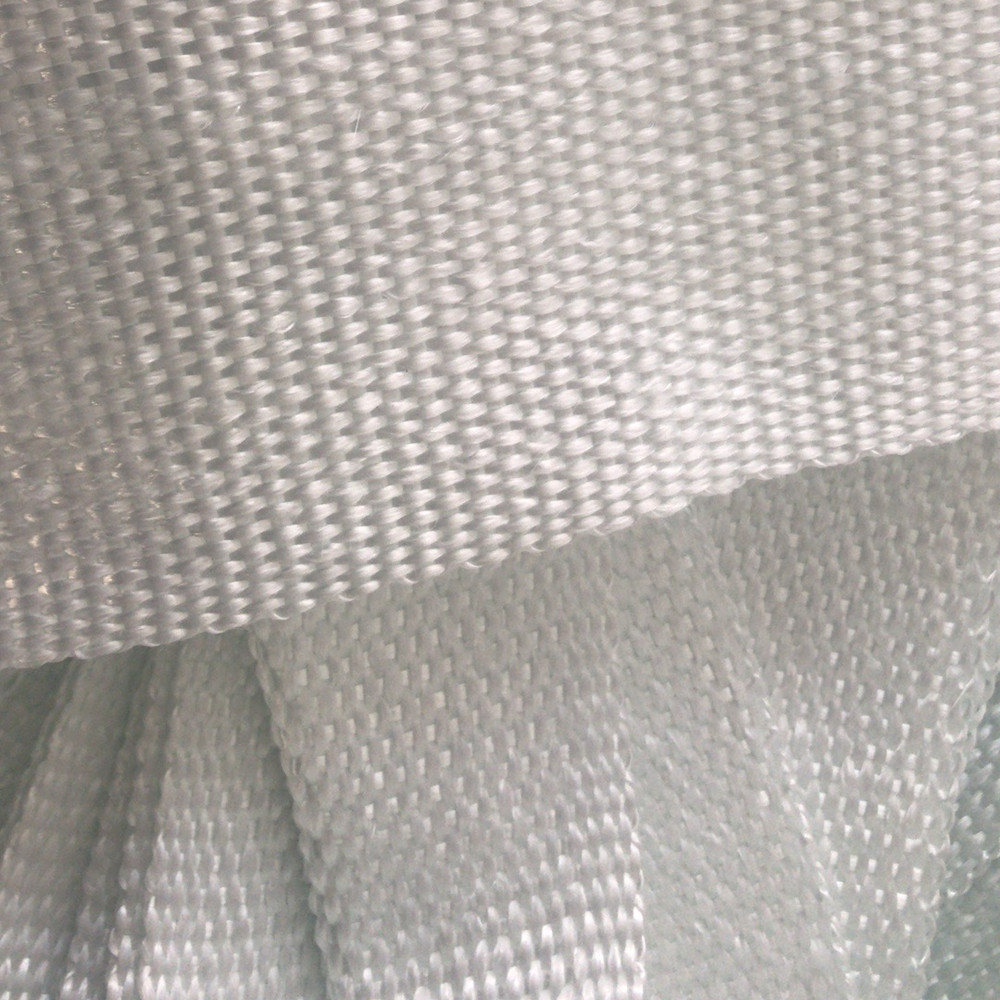
Woven fiberglass fabric is inherently non-combustible and withstands continuous temperatures up to 550°C (1022°F), with certain coated or treated variants capable of enduring even higher. In applications such as furnace insulation, turbine enclosures, and exhaust duct wraps, this material maintains dimensional stability and resists shrinkage and degradation under thermal cycling.
With a tensile strength exceeding 75 MPa, woven fiberglass fabric maintains its integrity under mechanical stress, making it suitable for heavy-duty applications like boiler insulation seals and protective barrier curtains in high-traffic industrial zones. Its high strength-to-weight ratio allows it to provide robust protection without adding unnecessary bulk or compromising flexibility.
In abrasive environments such as metal casting lines or flue gas ducts, woven fiberglass fabric resists mechanical wear and retains its structure. It also withstands exposure to oils, fuels, solvents, and mild acids—making it a trusted choice for gasketing and lagging in refineries and chemical processing units.
Foundries: Used as welding curtains, molten metal splash protection, and refractory linings.
Refineries: Ideal for pipe wrap insulation, flange and valve protection, and shielding heat-sensitive components.
Power Plants: Commonly applied in boiler door seals, expansion joint fabrics, and turbine housing wraps.
Temperature Resistance: Up to 550°C (base fabric), higher with coatings
Tensile Strength: Typically above 75 MPa
Flame Resistance: Meets ASTM E84 standards for fire safety
Chemical Resistance: Excellent against hydrocarbons and mild corrosives
Woven fiberglass fabric delivers long-lasting performance in environments where conventional materials quickly fail. For operations in metallurgy, refining, or power generation, it offers a cost-effective, high-performance answer to the dual challenges of heat and harsh operating conditions—making it a go-to material for safety, efficiency, and reliability.

 français
 Deutsch
 русский
 italiano
 español
 português
 Nederlands
 العربية
 日本語
日本語 한국의
한국의 Türkçe
 Polski
 Tiếng Việt
 slovenský
 Indonesia