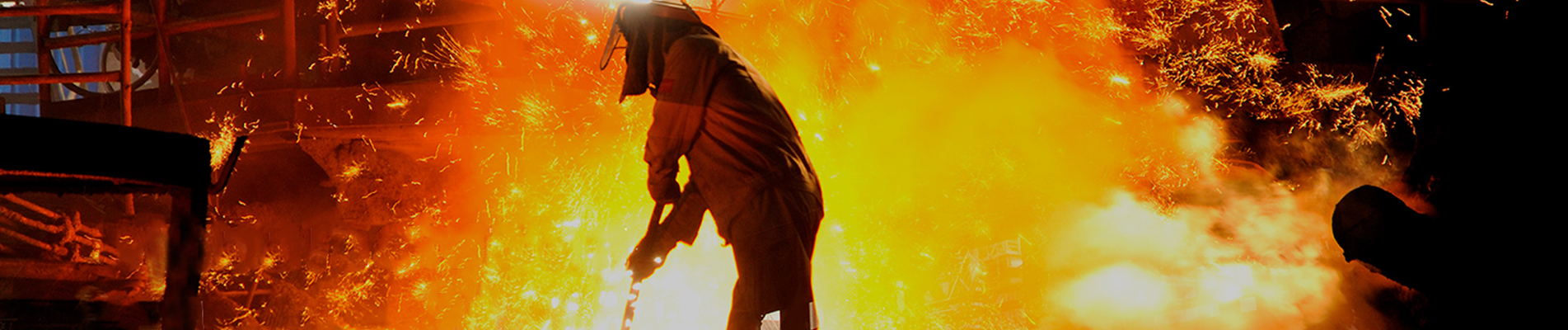
Welding operations generate extreme localized temperatures, flying sparks, molten metal droplets, and radiant heat that can easily damage surrounding equipment—or worse, cause fires and injuries.
In typical industrial settings such as:
Shipyards
Steel fabrication workshops
Power plants
Heavy equipment manufacturing
standard protective fabrics often fail due to:
Rapid fiber degradation
Melting or shrinkage
Loss of mechanical strength
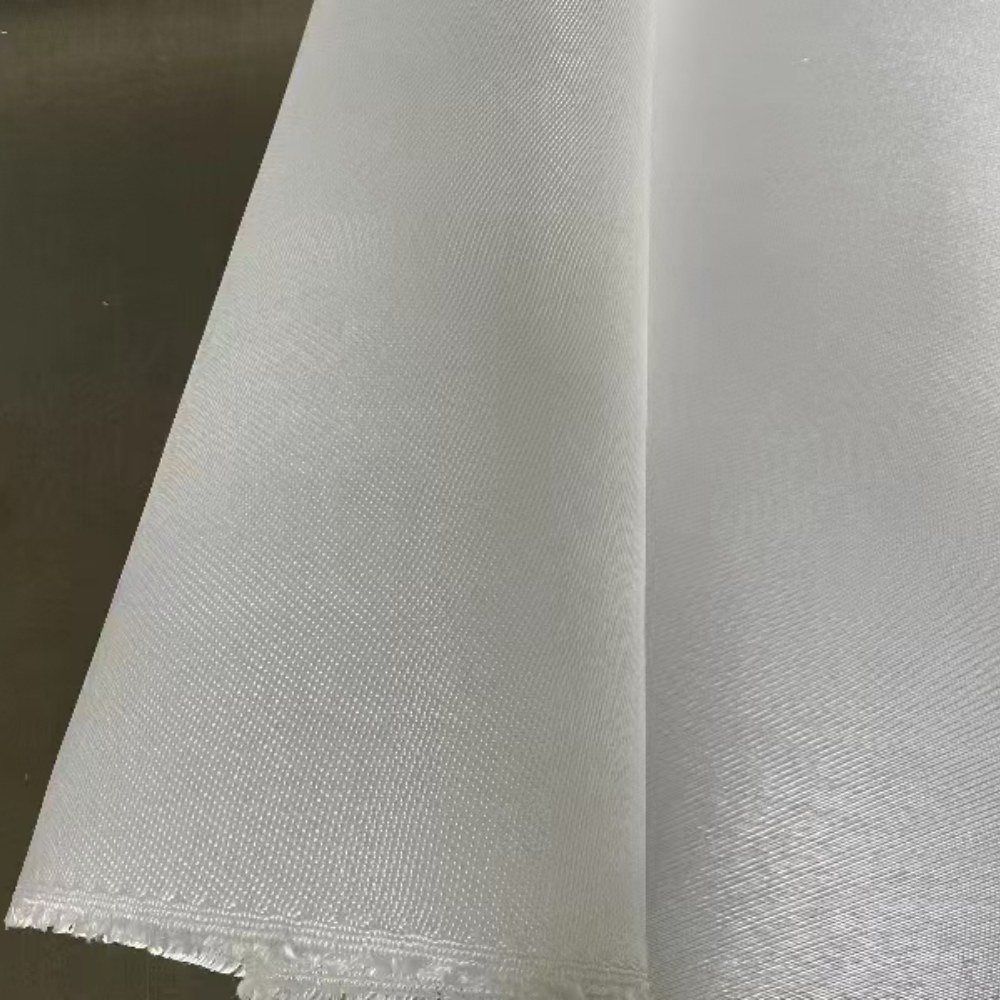
This is where woven silica fabric becomes a critical safety material rather than just another textile.
Many welding blankets and curtains are made from:
Treated fiberglass
Ceramic-coated glass fabrics
While these materials perform adequately at moderate temperatures, they often struggle under:
Continuous exposure to radiant heat
Repeated molten metal splash
Long welding cycles
Over time, this leads to:
Fabric embrittlement
Surface cracking
Reduced fire resistance
In contrast, woven silica fabric is engineered for long-term performance in extreme heat zones, not just short-term protection.
The high silica content allows the fabric to withstand direct contact with welding sparks and spatter without burning or melting.
Unlike lower-grade materials, it does not drip, fuse, or produce secondary ignition risks.
In welding bays, radiant heat exposure can last for hours. Woven silica fabric maintains:
Structural integrity
Dimensional stability
Consistent insulation performance
even when used close to active weld seams.
In enclosed or crowded industrial environments, fire safety margins are small.
Using woven silica fabric as:
Welding curtains
Fire barriers
Floor and wall covers
significantly reduces the risk of accidental ignition of nearby materials.
Rather than being a one-size-fits-all solution, woven silica fabric is adapted into various protective forms.
Used to shield equipment, flooring, and personnel from sparks and slag during:
MIG welding
TIG welding
Arc welding
Installed as vertical barriers to:
Contain sparks
Reduce radiant heat spread
Improve workplace safety zoning
Custom-fabricated covers protect:
Valves
Hoses
Control panels
located near welding operations.
Repeated heating and cooling cycles cause many fabrics to weaken over time.
Woven silica fabric resists thermal fatigue, making it suitable for daily industrial use.
Shrinkage can expose unprotected areas. Silica-based fabrics exhibit very low shrinkage, even after repeated exposure to extreme heat.
Although the initial cost may be higher, longer service life means:
Fewer replacements
Less downtime
Lower long-term safety risk
Depending on the welding environment, woven silica fabric can be enhanced with additional treatments:
Vermiculite coating – improves abrasion resistance and spark deflection
Silicone coating – adds limited moisture and oil resistance
Graphite treatment – improves surface lubricity and handling
These treatments do not compromise the fabric’s core heat resistance.
When specifying woven silica fabric for welding, consider:
Distance from weld source
Type of welding process used
Expected exposure duration
Mechanical wear and movement
For heavy-duty or continuous welding stations, higher fabric weight and reinforced edges are often recommended.
In many industrial regions, welding protection materials must comply with:
Fire safety regulations
Workplace health and safety standards
Insurance and risk assessment requirements
Using woven silica fabric helps facilities meet these standards more easily due to its non-combustible nature.

 français
 Deutsch
 русский
 italiano
 español
 português
 Nederlands
 العربية
 日本語
日本語 한국의
한국의 Türkçe
 Polski
 Tiếng Việt
 slovenský
 Indonesia