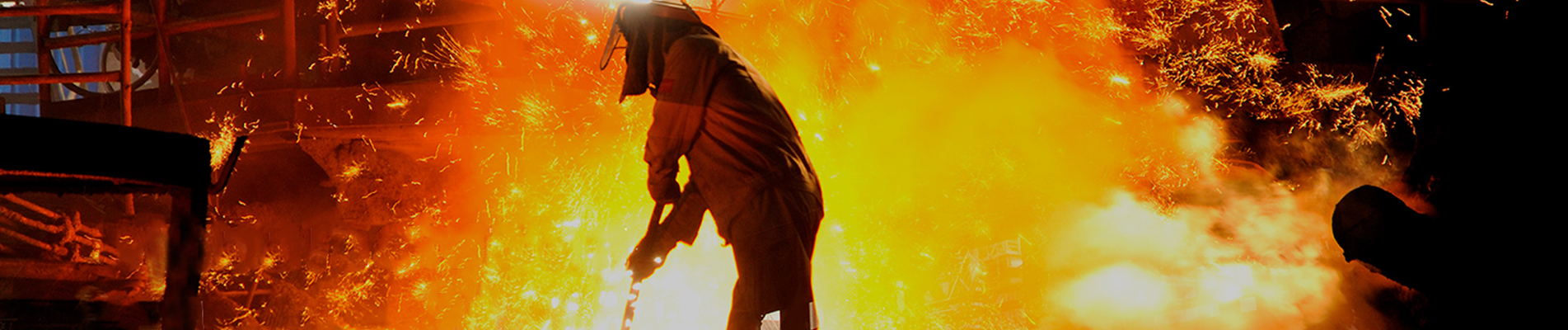
In industries where equipment is pushed to its thermal limits, woven silica fabric has emerged as a material of choice. Its unique combination of thermal stability, chemical resistance, and durability enables engineers and technicians to tackle the harshest environments—from aerospace to metallurgy.
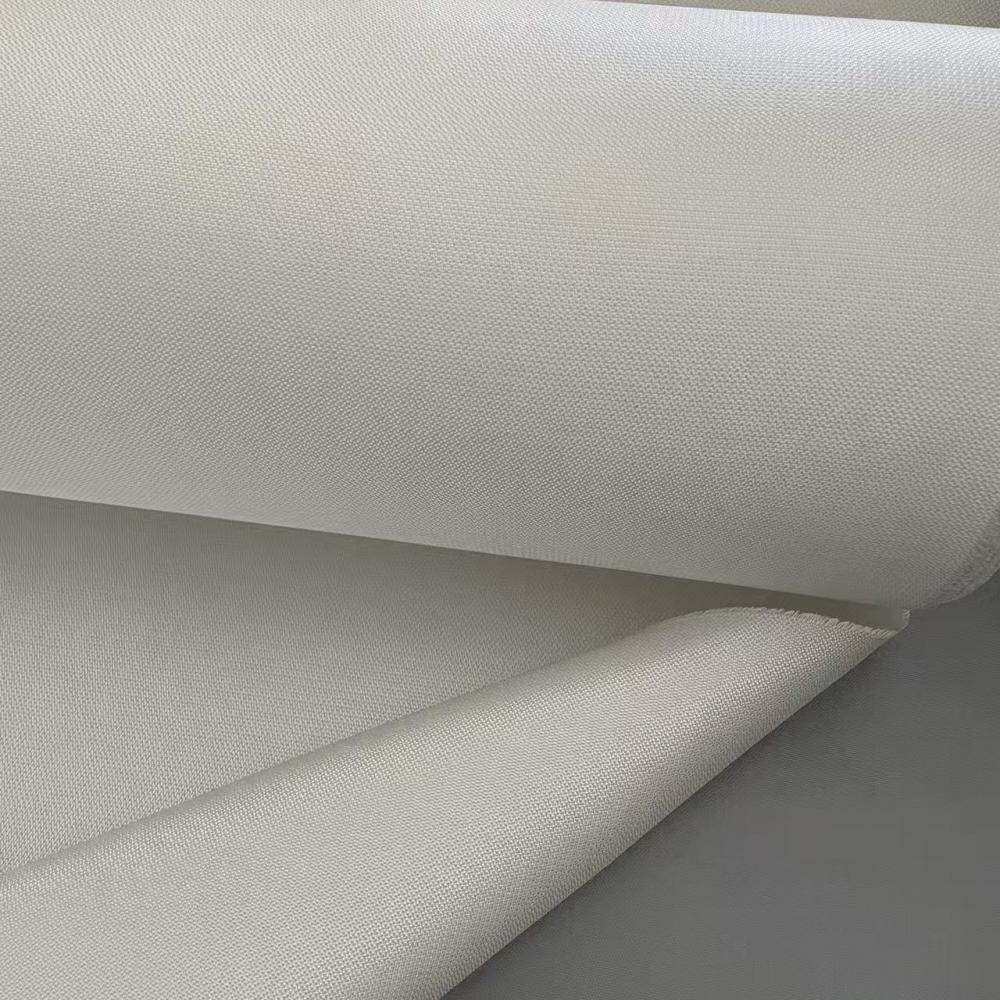
Superior Silica Content: With over 96% silica, the fabric offers remarkable thermal protection.
Flexible & Lightweight: Easy to install in tight spaces or wrap around complex surfaces.
Abrasion Resistant: Maintains integrity under friction or mechanical wear.
Non-toxic and Eco-friendly: Free from asbestos or ceramic fibers, safe for personnel and the environment.
Aerospace & Aviation
Used as thermal insulation for jet engine components, exhaust systems, and turbine shielding.
Power Generation
Protects high-voltage cables, transformers, and piping insulation in gas and steam plants.
Metallurgy & Steel Mills
Shields workers and equipment from molten splash, slag, and radiant heat during smelting or casting.
Petrochemical Plants
Acts as a barrier in hot pipe wrapping, expansion joints, and exhaust duct insulation.
Automotive & Motorsport
Wraps exhaust headers and turbo systems to reduce engine bay heat and improve performance.
Engineers trust this material because it solves critical problems:
Reduces the risk of heat-related failures
Improves workplace safety
Increases energy efficiency by minimizing heat loss
Extends equipment lifespan
When selecting woven silica fabric, consider:
Thickness (0.6mm to 3mm) based on insulation needs
Weave pattern (plain, satin, twill) for strength or flexibility
Coatings (e.g., vermiculite, silicone) to enhance abrasion or chemical resistance
Roll width & custom cuts for specific applications
From aerospace to foundries, woven silica fabric has become indispensable in modern industrial design. If your system demands advanced thermal protection with minimal maintenance, woven silica fabric is the performance material you can rely on.

 français
 Deutsch
 русский
 italiano
 español
 português
 Nederlands
 العربية
 日本語
日本語 한국의
한국의 Türkçe
 Polski
 Tiếng Việt
 slovenský
 Indonesia