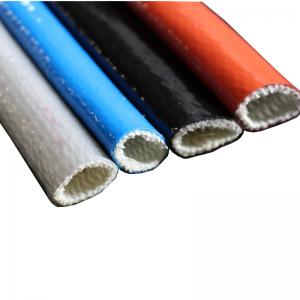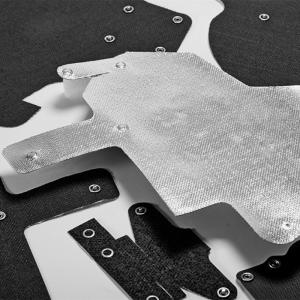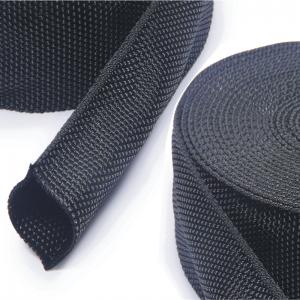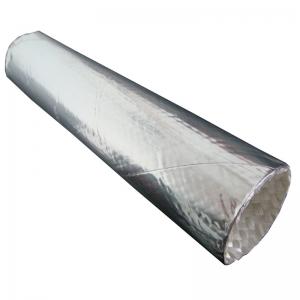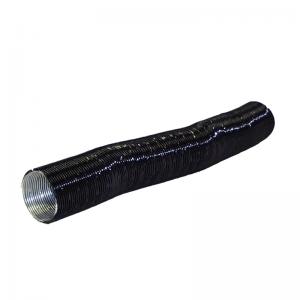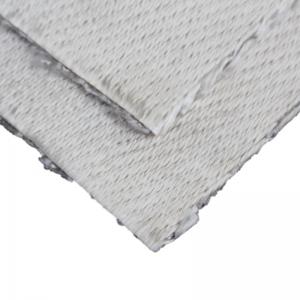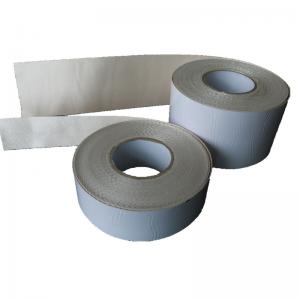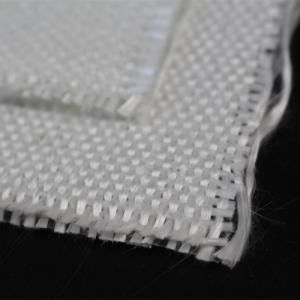
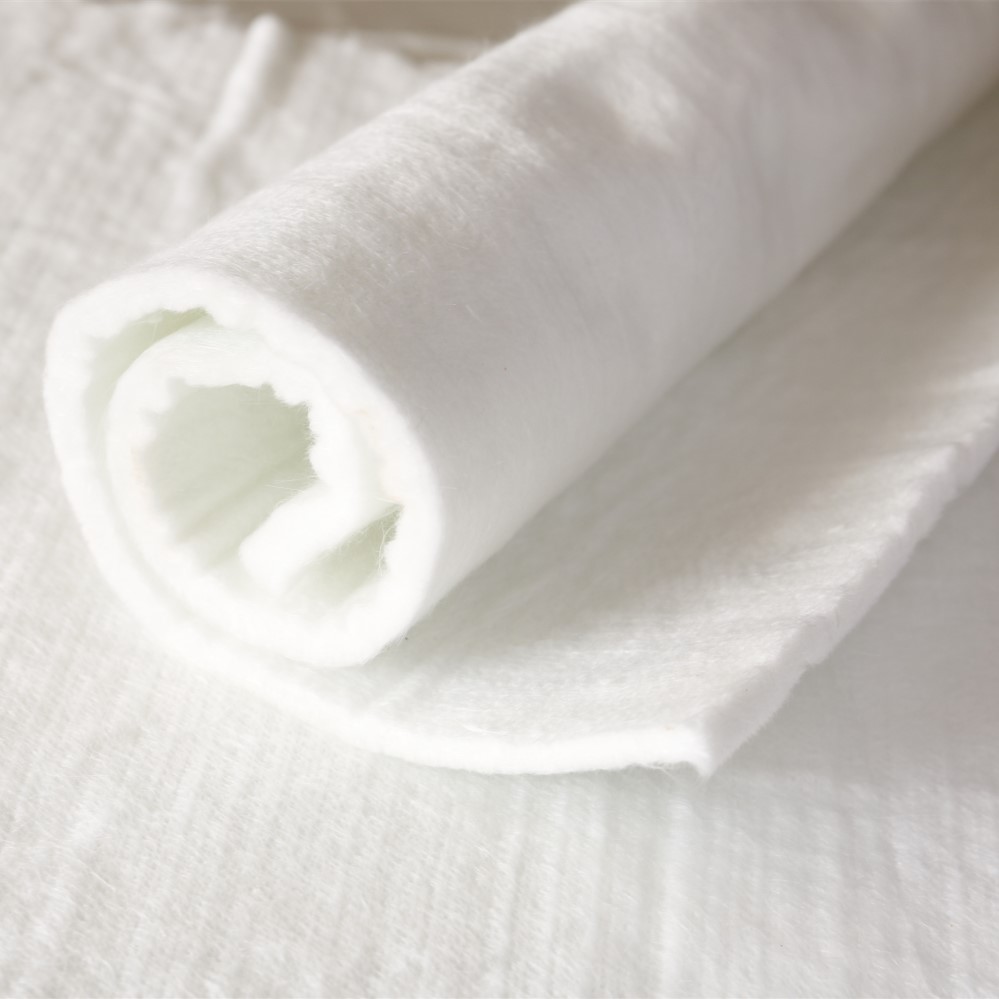
An E-glass Needle Mat is a high performance thermal insulation material made from chopped E-glass fibers that are mechanically bonded through a needle punching process. It is engineered for extreme temperature environments and widely used in exhaust systems, industrial furnaces, shipbuilding, and thermal protection structures.
E-glass Needle Mats are known for their low thermal conductivity, high tensile strength, sound absorption capability, and resistance to chemicals and moisture. Because the fibers are mechanically interlocked without chemical binders, the mat is both flexible and durable.
The process begins with finely chopped E-glass fibers, typically 3 to 6 mm in length, offering excellent structural uniformity.
Mechanical needles pass through the fiber layers repeatedly, entangling the fibers to form a strong, dense, and uniform mat without using adhesives.
Different applications require different densities and thicknesses. Common thicknesses range from 3 mm to 50 mm, while densities vary from 60 to 150 kg per cubic meter.
E-glass Needle Mats provide excellent thermal insulation due to the natural heat resistance of E-glass fibers. The material is designed to maintain structural stability at high temperatures.
The needle punching process increases tensile strength, tear resistance, and dimensional stability.
E-glass fibers resist most oils, solvents, moisture, and corrosive agents, making the material suitable for harsh industrial environments.
Continuous temperature resistance often ranges between 550 and 650 degrees Celsius.
Short term temperature exposure can exceed 800 degrees Celsius depending on mat thickness and density.
Performance is evaluated based on:
Thermal conductivity
Heat retention
Dimensional stability
Surface temperature reduction
These metrics determine suitability for demanding thermal management applications.
Used in exhaust insulation blankets, turbocharger covers, and engine thermal shields.
Insulates high temperature chambers, heat ducts, and metal processing equipment.
Protects exhaust pipes and heat generating components in compact marine engine rooms.
Applied to high temperature panels, insulation layers, and engine components.
Used in fire protection systems, sound insulation panels, and HVAC duct insulation.
| Feature | E-glass Needle Mat | Standard Fiberglass Mat |
|---|---|---|
| Manufacturing Process | Needle punched | Glued or mechanically layered |
| Temperature Rating | Higher | Moderate |
| Strength | Stronger | Lower |
| Binder | No chemical binder | Often includes resin binder |
| Durability | High | General purpose |
| Best Use | High heat insulation | Basic insulation |
Summary: E-glass Needle Mat is superior for high temperature, vibration-heavy, or industrial environments, while standard fiberglass mats are suitable for general insulation needs.
High temperature stability
Low thermal conductivity
Excellent sound absorption
Lightweight and flexible
Non-toxic and environmentally friendly
Resistant to chemicals and moisture
Good mechanical durability
Thicker mats provide better insulation and lower surface temperatures.
Higher density increases durability and thermal performance.
Select based on your highest expected operating temperature.
Some applications require aluminum foil, fiberglass cloth, or silicone coatings.
Can be cut with industrial scissors or blades for precise fitting.
Installed using stainless steel wire, rivets, clips, or integrated into insulation blankets.
Incorrect density selection
Loose fitment
Exposure to excessive compression
Thermal conductivity testing
High temperature resistance testing
Flame resistance standards
Chemical resistance evaluation
Mechanical strength and durability tests
Store in dry and ventilated areas
Avoid moisture exposure
Inspect regularly for fiber damage
Do not over-compress during storage
When selecting a supplier, evaluate:
Fiber quality
Mat density
Temperature rating
Thickness options
Available lamination choices
Testing certifications
Reference engineering data:
https://www.engineeringtoolbox.com
Typically 550 to 650 degrees Celsius continuously, with higher short term limits.
Yes. It is non-toxic but gloves and masks are recommended for fiber handling.
Yes. It is commonly used inside exhaust blankets and turbo covers.
Yes. It provides strong acoustic insulation in industrial and automotive applications.
E-glass fibers resist moisture, but outer layers such as foil or silicone improve water resistance further.

 français
 Deutsch
 русский
 italiano
 español
 português
 Nederlands
 العربية
 日本語
日本語 한국의
한국의 Türkçe
 Polski
 Tiếng Việt
 slovenský
 Indonesia