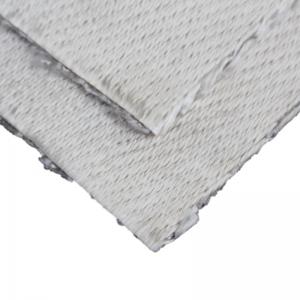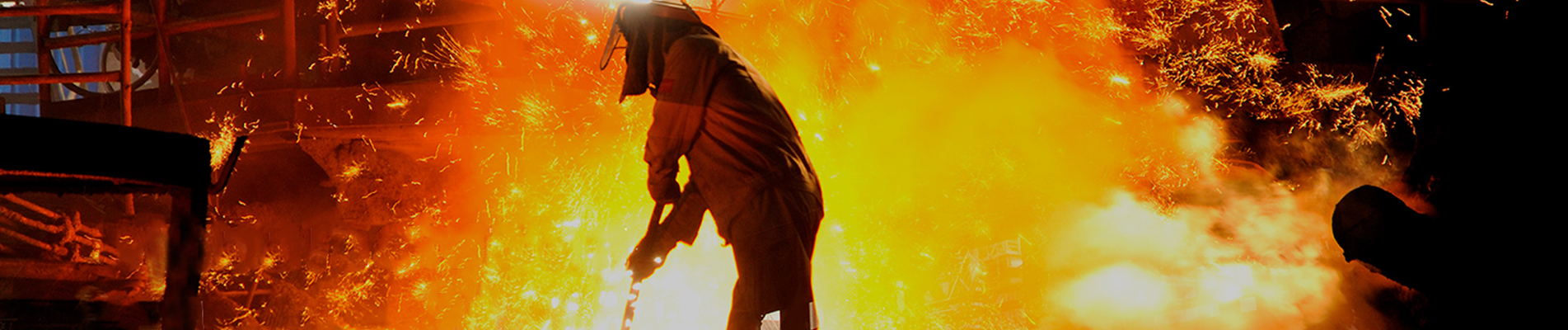
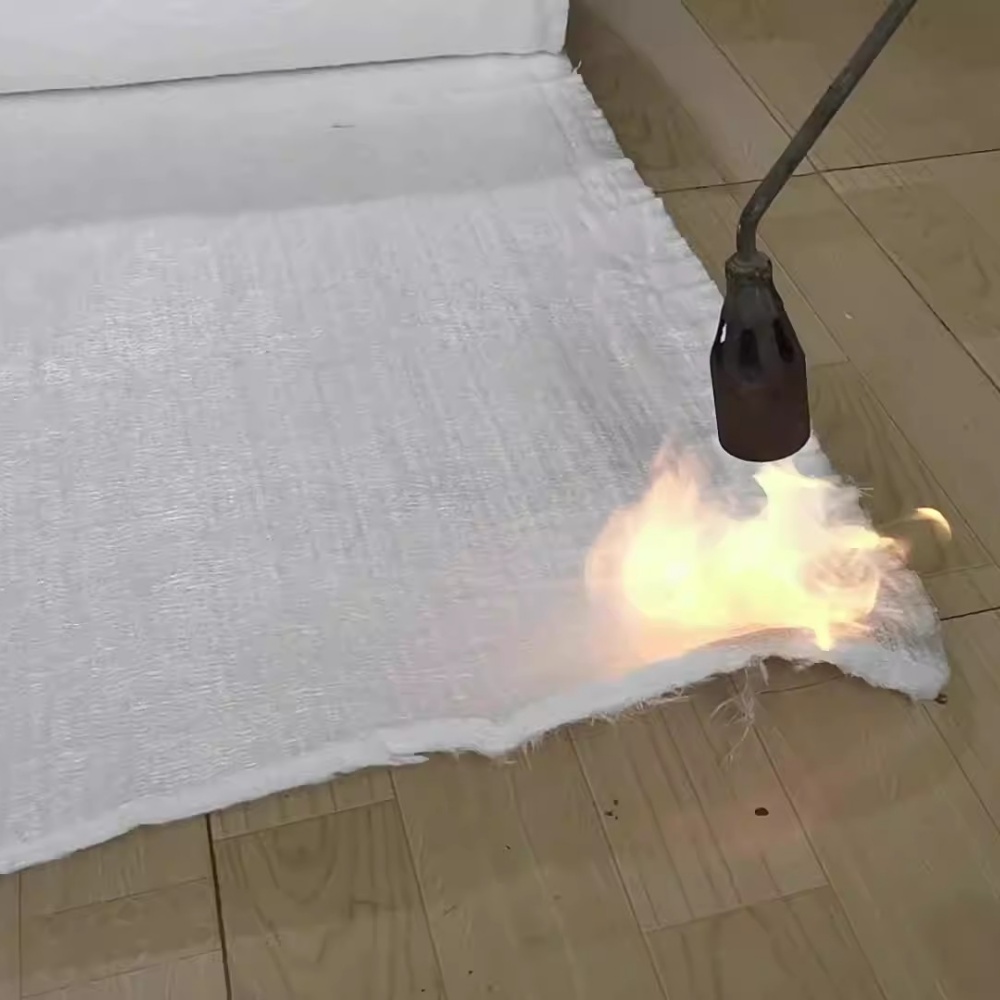
A needle punched fiberglass blanket is a widely used high temperature insulation material designed for furnaces, boilers, exhaust systems, petrochemical equipment, and other industrial applications. Although the final product looks simple, its manufacturing process involves a series of technical steps that ensure durability, stable performance, and high thermal efficiency. Understanding how it is made helps buyers evaluate product quality and select the correct insulation material for demanding environments.
Raw Material Preparation
The production process begins with raw fiberglass fibers, typically E glass or C glass depending on the application. These fibers are formed through a melting process in which molten glass is extruded into fine strands. After cooling, the fibers are cut into short lengths suitable for non woven insulation production. The fibers must be clean, dry, and free from contamination to ensure uniform performance in the final product.
Carding Process
Carding is the next major step where chopped fibers are separated and evenly distributed. The fibers pass through a carding machine equipped with rotating drums that comb and fluff the material into a uniform web. This fiber web must be consistent in density because it forms the foundation of the blanket. Uneven carding can lead to weak areas and inconsistent thermal performance.
Web Layering
Once the web is formed, it is layered to achieve the desired thickness and density. The carded fiber web is laid onto a conveyor where multiple layers accumulate. Increasing or decreasing the number of layers allows manufacturers to create thin insulation mats or thick industrial blankets. Proper layering ensures uniform density throughout the blanket.
Needle Punching Process
Needle punching is the most important step in making a needle punched fiberglass blanket. Mechanical needles with small barbs repeatedly penetrate the layered fiber web. Each needle stroke pulls fibers from one layer into another, interlocking them into a dense three dimensional structure. This mechanical bonding process eliminates the need for chemical binders, improves strength, and provides structural stability under vibration and compression.
Several parameters determine the final properties of the blanket. Needle density controls the number of punches per square meter. Punching frequency affects the tightness of the fiber bond. Penetration depth determines how deeply the fibers interlock. Adjusting these settings allows manufacturers to produce blankets with different strength levels, flexibility, and durability.
Heat Setting
After needle punching, the blanket goes through a heat setting process. This step stabilizes the fibers and removes internal stress caused by mechanical bonding. The blanket passes through a heating chamber where it is exposed to controlled high temperature air. Heat setting prevents shrinkage, deformation, and dimensional changes during future use. It ensures that the blanket maintains structure when exposed to extreme temperatures in industrial environments.
Optional Surface Treatments
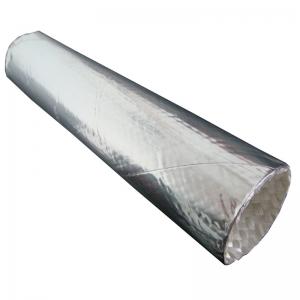
Depending on application requirements, additional treatments may be added. Some blankets are laminated with aluminum foil to enhance thermal reflection or reduce fiber shedding. Others may receive coatings to improve surface strength, reduce dusting, or provide moisture resistance. These treatments enhance durability and handling, especially when used in exhaust insulation or furnace linings.
Cutting and Trimming
After heat setting and optional treatments, the blanket moves to the cutting section. Industrial cutting machines trim the material into standard sizes or custom dimensions. Accurate cutting is essential because it ensures easy installation and reduces material waste. Smooth edges also help maintain product integrity during transportation.
Quality Control
Every batch undergoes strict quality control before packaging. Technicians check density, thickness, tensile strength, thermal conductivity, and temperature resistance. The fiber distribution and needle punching consistency are examined to make sure no weak sections exist. Some manufacturers also conduct heat resistance tests to verify performance under real industrial conditions.
Packaging and Delivery
Once approved, the blankets are packaged using protective plastic film and compressed to minimize shipping volume. Proper packaging prevents moisture absorption, dust contamination, and physical damage during transport. This ensures the product arrives in perfect condition and ready for installation.
A needle punched fiberglass blanket is the result of multiple precisely controlled manufacturing steps. From fiber carding to needle punching to heat setting, every stage contributes to the material’s strength, durability, and thermal performance. Its consistent quality and resistance to high temperatures make it a reliable choice for industrial furnaces, exhaust systems, petrochemical plants, power generation facilities, and many other high heat environments. Understanding the manufacturing process helps buyers make informed decisions when selecting insulation materials for demanding applications.

 français
 Deutsch
 русский
 italiano
 español
 português
 Nederlands
 العربية
 日本語
日本語 한국의
한국의 Türkçe
 Polski
 Tiếng Việt
 slovenský
 Indonesia