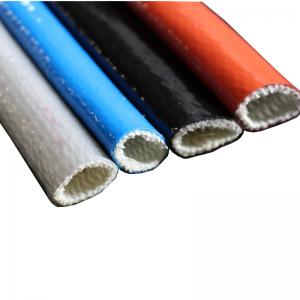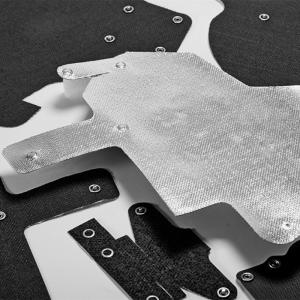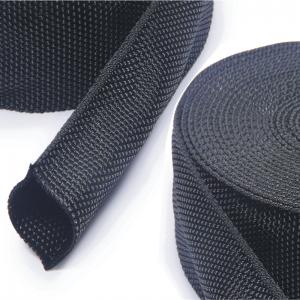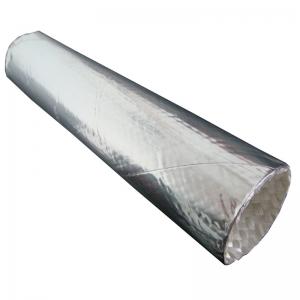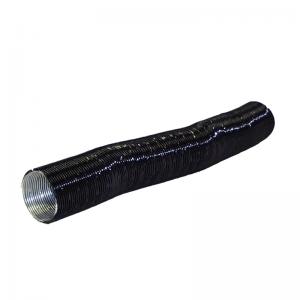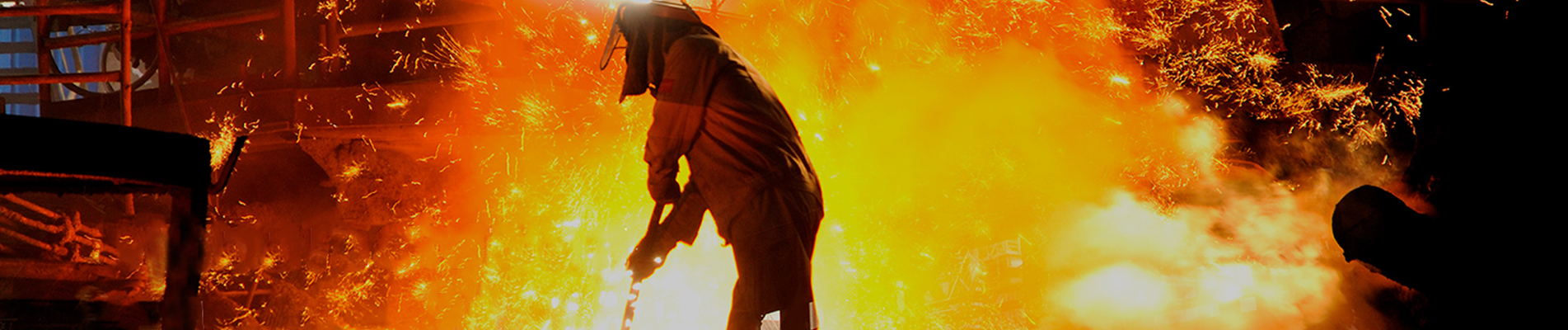
Fire sleeve is a specialized high-temperature protective sleeve designed to shield hoses, cables, and pipes from extreme heat, open flames, and molten metal splash. It is widely used in industries where equipment operates near engines, furnaces, exhaust systems, or other fire hazards.
Unlike standard insulation materials, fire sleeve is engineered specifically for fire exposure scenarios. Its primary function is to delay hose failure during fire incidents, giving operators critical time to shut down systems and reduce safety risks.
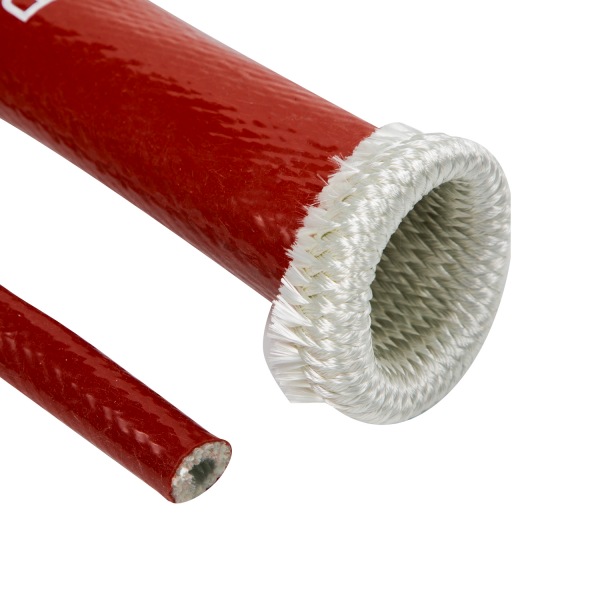
A typical fire sleeve consists of two main layers:
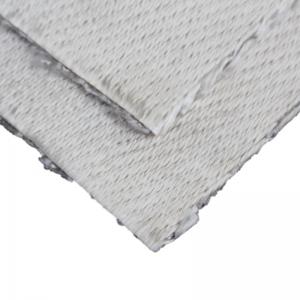
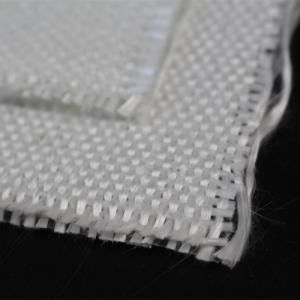
Inner Layer – Braided Fiberglass
This layer provides mechanical strength and excellent thermal insulation. Fiberglass is non-combustible and maintains structural integrity under high temperatures.
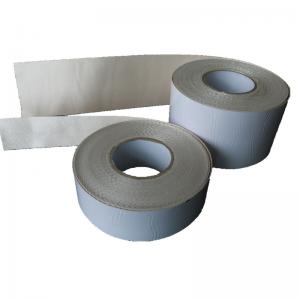
Outer Layer – Silicone Rubber Coating
The silicone coating resists flames, oils, fuels, chemicals, moisture, and abrasion. When exposed to fire, it forms a protective char that slows heat penetration.
Because of this construction, fire sleeve has become a standard safety component in hydraulic systems, automotive fuel lines, aerospace equipment, and oil & gas installations.
Fire sleeve is designed for both continuous heat exposure and short-term flame contact.
| Condition | Temperature |
|---|---|
| Continuous operating temperature | up to 260°C |
| Short-term flame exposure | up to 1090°C |
| Melting behavior | Non-melting, self-extinguishing |
During flame exposure, the silicone coating vulcanizes and insulates the inner hose. This performance is critical in preventing hydraulic fluid ignition or fuel leakage.
Fire sleeve is commonly installed over hydraulic hoses operating near hot machinery. In case of fire, it helps prevent hose rupture and fluid spray, reducing secondary fire risks.
Used to protect fuel lines, brake hoses, and wiring harnesses near engines and exhaust manifolds. Fire sleeve improves durability and reduces maintenance frequency.
In refineries, offshore platforms, and drilling rigs, fire sleeve is essential for protecting hoses carrying flammable fluids under high pressure.
Fire sleeve provides lightweight, flexible fire protection where strict safety and performance standards apply.
| Feature | Fire Sleeve | Fiberglass Sleeve | Heat Shrink Tubing |
|---|---|---|---|
| Flame resistance | ✅ Excellent | ❌ Limited | ❌ Poor |
| Chemical resistance | ✅ High | ❌ Low | ⚠️ Moderate |
| Flexibility | ✅ High | ⚠️ Medium | ⚠️ Medium |
| Fire safety use | ✅ Yes | ❌ No | ❌ No |
When selecting a fire sleeve, consider the following factors:
Hose outer diameter
Continuous and peak temperature
Exposure to oil, fuel, or chemicals
Abrasion and vibration conditions
Proper sizing and material selection ensure long service life and maximum protection.
Ensure the sleeve fully covers the risk area
Secure ends with clamps or ties
Inspect periodically for mechanical damage
Replace if the silicone layer is severely worn
Q1: Is fire sleeve reusable after fire exposure?
In most cases, replacement is recommended after severe flame exposure.
Q2: Can fire sleeve be used outdoors?
Yes, it resists UV, moisture, and weathering.
Q3: Does fire sleeve affect hose flexibility?
Minimal impact when correctly sized.
Q4: Is fire sleeve mandatory by safety standards?
Many industries strongly recommend or require it in fire-risk zones.
Q5: Can fire sleeve be customized?
Yes, diameters, colors, and coatings can be customized.
Q6: How long does fire sleeve last?
Service life depends on environment but typically several years under normal conditions.

 français
 Deutsch
 русский
 italiano
 español
 português
 Nederlands
 العربية
 日本語
日本語 한국의
한국의 Türkçe
 Polski
 Tiếng Việt
 slovenský
 Indonesia