français
 Deutsch
 русский
 italiano
 español
 português
 Nederlands
 العربية
 日本語
日本語 한국의
한국의 Türkçe
 Polski
 Tiếng Việt
 slovenský
 Indonesia



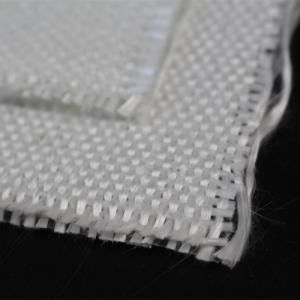
How to Choose the Right Fire Blanket for Industrial Welding
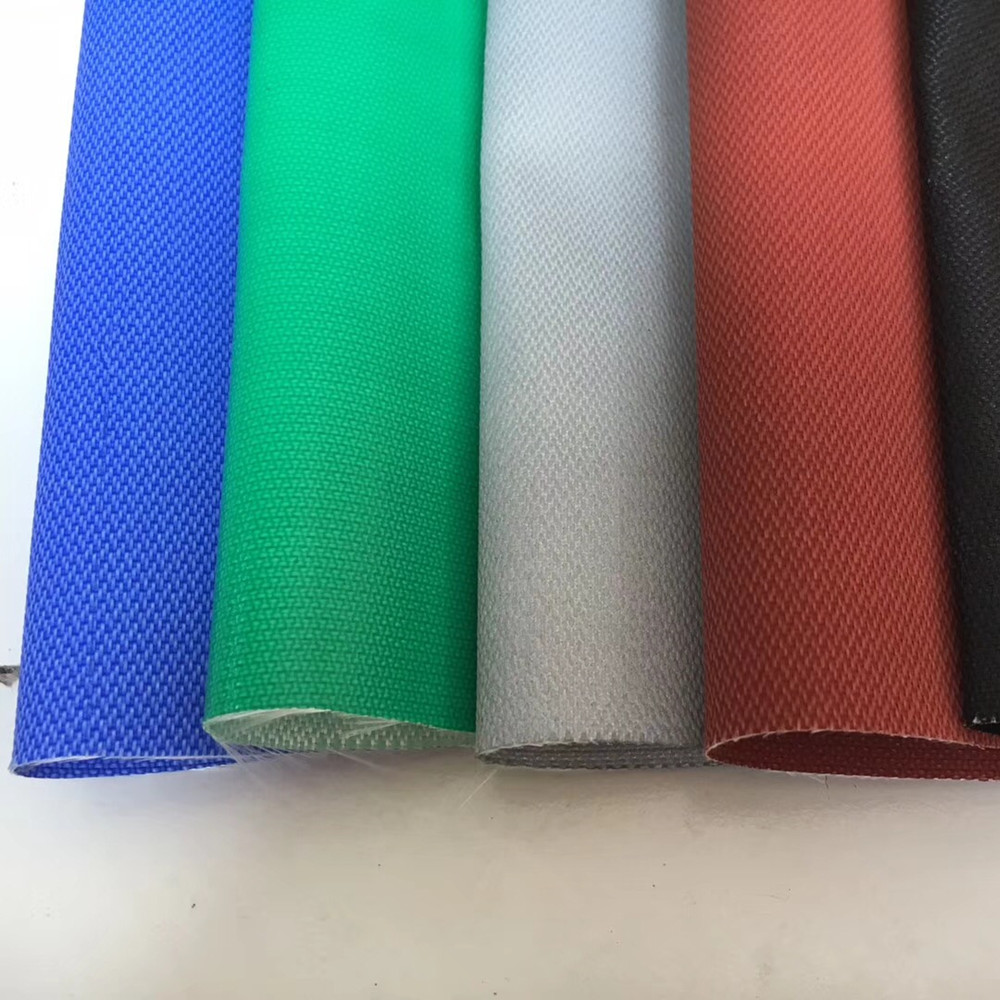
Choosing the right fire blanket for industrial welding is not only a matter of size or price. The correct selection depends on the welding process, working temperature, spark intensity, molten metal exposure, blanket position, coating type, flexibility, and service environment. A blanket used for light maintenance welding is not always suitable for heavy fabrication, shipbuilding, cutting, grinding, furnace maintenance, or high-temperature metal processing.
At PK Firesleeve Welding & Soldering Area Protection, different fire blanket materials are available for industrial hot work protection, including fiberglass welding blankets, acrylic coated fiberglass blankets, silicone coated fiberglass blankets, aluminized fiberglass blankets, silica welding blankets, silicone coated silica blankets, carbon felt welding blankets, and soldering heat mats. This guide explains how to select the right type according to real working conditions.
1. Start with the Welding Application
The first step is to define how the blanket will be used. A fire blanket placed vertically as a welding curtain has different performance requirements from a blanket laid flat over machinery, floors, vehicles, hoses, painted surfaces, or nearby equipment. Vertical protection mainly needs spark resistance, flexibility, and good hanging strength. Horizontal protection may require better abrasion resistance, molten spatter resistance, and surface durability.
For general welding, fabrication, maintenance, and repair work, a fiberglass welding blanket is often the economical starting point. For more demanding applications involving higher heat, heavy sparks, or close-distance hot work, silica, silicone coated silica, or carbon felt materials should be considered. For radiant heat shielding, an aluminized fiberglass welding blanket can help reflect heat away from protected components.
2. Compare Fire Blanket Materials Before Ordering
Different fire blanket materials are designed for different levels of heat, spark, abrasion, and handling requirements. The table below gives a practical selection reference for industrial buyers, distributors, maintenance teams, and welding safety managers.
| Material Type | Main Advantages | Recommended Applications | Best For |
|---|---|---|---|
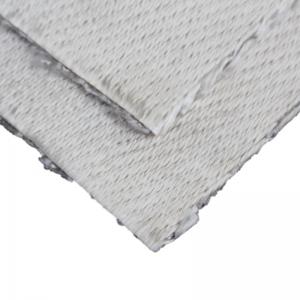
| Heat Cleaned Fiberglass Welding Blanket | Cost-effective, flexible, lightweight, suitable for general spark protection | Welding curtains, maintenance areas, light fabrication, temporary work zones | General industrial welding protection |
| Acrylic Coated Fiberglass Welding Blanket | Improved surface strength, reduced fiber shedding, better abrasion resistance | Fabrication shops, daily welding operations, surface protection, vertical screens | Medium-duty spark and spatter protection |
| Silicone Coated Fiberglass Welding Blanket | Good heat resistance, abrasion resistance, chemical resistance, flexible handling | Grinding, welding, equipment protection, shipbuilding, automotive repair | Durable reusable welding blanket |
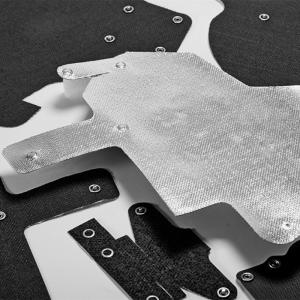
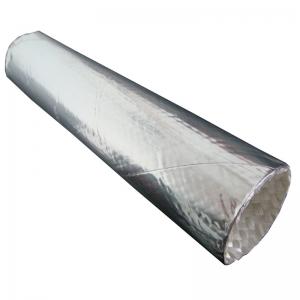
| Aluminized Fiberglass Welding Blanket | Reflects radiant heat and protects against moderate sparks and heat exposure | Radiant heat shielding, welding area separation, equipment heat protection | Radiant heat control |
| Silica Fabric Welding Blanket | Higher temperature resistance than standard fiberglass, good thermal stability | Heavy welding, cutting, furnace maintenance, high-temperature metalworking | High-temperature hot work protection |
| Silicone Coated Silica Welding Blanket | Combines silica heat resistance with a stronger coated surface | Severe sparks, molten spatter, repeated industrial use, harsh workshops | Premium heavy-duty welding protection |
| Carbon Fiber Felt Welding Blanket | Soft, lightweight, high heat resistance, easy to wrap around complex shapes | Pipe welding, equipment wrapping, localized thermal protection, metalworking | Flexible high-heat coverage |
| Soldering and Brazing Heat Mat | Compact, flexible, asbestos-free, designed for flame and heat shielding | Plumbing, brazing, soldering, wall and surface protection | Localized small-area protection |
3. Match the Blanket to Temperature and Exposure Type
Buyers often compare fire blankets only by maximum temperature, but this can be misleading. Real performance depends on whether the blanket is exposed to radiant heat, direct flame, sparks, molten spatter, slag, or repeated abrasion. A blanket that performs well as a vertical welding screen may not last long if it is dragged across rough metal surfaces or exposed to continuous molten metal droplets.
For light sparks and short-duration welding, fiberglass-based materials may be sufficient. For heavy spatter, cutting, or high-temperature work, silica fabric and silicone coated silica fabric provide a stronger safety margin. For radiant heat from hot equipment, aluminized fiberglass is useful because its reflective surface helps reduce heat transfer. For wrapping around pipes, valves, tools, or irregular components, carbon felt can provide excellent flexibility.
4. Choose Coated or Uncoated Fire Blanket Material
Coating has a major effect on fire blanket service life. Uncoated fiberglass and silica fabrics are flexible and economical, but coated versions can improve surface strength, abrasion resistance, fiber control, and handling durability. Acrylic coating is suitable for medium-duty spark protection and helps reduce fabric irritation. Silicone coating improves wear resistance and gives the blanket a tougher working surface for repeated industrial use.
Aluminized coating is different from acrylic or silicone coating. Its main function is radiant heat reflection. It is useful when the goal is to shield equipment, hoses, cables, painted parts, or sensitive components from nearby heat sources rather than only blocking sparks.
5. Consider Blanket Position: Vertical, Horizontal, or Wrapped
The working position affects both material choice and finished design. A vertical welding curtain should hang smoothly, resist sparks, and include proper grommets or reinforced edges. A horizontal welding blanket should resist abrasion, sliding, slag, and repeated contact with tools or workpieces. A wrapped blanket must be flexible enough to conform around equipment without cracking, tearing, or creating gaps.
- Vertical use: choose flexible fabrics with grommets, reinforced edges, and good spark resistance.
- Horizontal use: select stronger coated materials with better abrasion and spatter resistance.
- Equipment covering: consider silicone coated fiberglass, silica, or carbon felt depending on heat level.
- Radiant heat shielding: use aluminized fiberglass when heat reflection is the priority.
- High-temperature welding: use silica or silicone coated silica for demanding hot work areas.
6. Select the Right Size, Thickness, Edge Finish, and Grommets
A fire blanket should fully cover the protected area with enough overlap. If the blanket is too small, sparks can pass through open edges and reach combustible materials or sensitive surfaces. For welding curtains, grommet spacing and reinforced hems are important because the blanket must carry its own weight and resist pulling during use.
Thickness and fabric weight should be selected according to heat intensity and durability requirements. A lighter blanket is easier to handle and suitable for temporary work. A heavier blanket provides better mechanical strength and longer service life in demanding environments. For OEM buyers and distributors, custom sizes, custom rolls, special packaging, logo labels, and private label options can help match local market demand.
7. Recommended Fire Blanket Selection by Industry
Use acrylic coated fiberglass or silicone coated fiberglass blankets for daily welding, cutting, and grinding protection.
Choose silicone coated fiberglass, silica, or carbon felt for larger hot work zones and repeated industrial use.
Use flexible coated fiberglass or aluminized fiberglass blankets to protect paint, cables, hoses, and surrounding parts.
Select silica welding blankets or silicone coated silica blankets for higher heat and more severe spatter exposure.
Use soldering and brazing heat mats for localized protection around walls, pipes, valves, and nearby surfaces.
Use carbon felt or coated fiberglass blankets when wrapping irregular shapes or protecting machinery from sparks.
8. Common Mistakes When Buying Welding Fire Blankets
Many purchasing problems happen because buyers focus only on the lowest price or the highest temperature number. In industrial welding environments, a good fire blanket must match the complete working condition. Before placing an order, check how close the blanket will be to the welding point, whether molten spatter will hit the surface, whether the blanket will be moved frequently, and whether it needs to hang, wrap, or lie flat.
- Do not use a light-duty blanket for heavy cutting or molten slag exposure.
- Do not select aluminized material only for direct spatter if radiant heat reflection is not the main requirement.
- Do not ignore edge reinforcement when the blanket will be used as a welding curtain.
- Do not choose only by temperature rating without considering abrasion, coating, and work position.
- Do not use a small blanket without enough overlap around the protected area.
9. Use Together With Other Welding and Heat Protection Products
Fire blankets are often used as part of a larger hot work protection system. For better protection, they can be used together with welding curtains, heat resistant tapes, high temperature fabrics, fire sleeves, heat reflective sleeves, and removable insulation blankets.
- Welding & Soldering Area Protection for blankets, curtains, pads, and hot work protection.
- High Temperature Fabric for custom thermal insulation, welding curtains, and fabricated heat shields.
- Fire Sleeves for protecting hoses, cables, hydraulic lines, and wiring near heat sources.
- Heat Reflective Sleeves for radiant heat protection around cables, tubes, and hoses.
10. What Information Should Buyers Provide for a Quotation?
To select the right industrial welding fire blanket quickly, provide clear working details when requesting a quotation. This helps avoid under-specification and allows the manufacturer to recommend the correct material, coating, size, thickness, and finishing method.
| Required Information | Example |
|---|---|
| Application | Welding curtain, equipment cover, floor protection, pipe welding, brazing pad |
| Heat Exposure | Sparks, spatter, slag, radiant heat, direct flame, short-term or repeated exposure |
| Material Preference | Fiberglass, acrylic coated fiberglass, silicone coated fiberglass, silica, silicone silica, carbon felt |
| Size and Thickness | Finished blanket size, roll width, fabric weight, thickness, tolerance |
| Finishing | Hemmed edges, grommets, stitching thread, straps, logo label, packaging |
| Order Type | Standard size, OEM size, trial order, distributor stock, project order |
Request a Custom Industrial Welding Fire Blanket
PK Firesleeve supplies welding fire blankets, coated fiberglass blankets, silica welding blankets, carbon felt blankets, soldering mats, and custom hot work protection products for industrial buyers, distributors, OEM projects, and maintenance teams.
- Custom size, thickness, fabric weight, and coating options
- Grommets, reinforced hems, high-temperature sewing thread, and special shapes
- OEM packaging, private label, and bulk supply for distributors
- Material selection support for welding, cutting, brazing, grinding, and equipment protection
Conclusion
The right fire blanket for industrial welding should be selected according to material, exposure temperature, spark intensity, coating, work position, handling frequency, and custom finishing requirements. For light to medium welding protection, fiberglass and acrylic coated fiberglass blankets are practical and economical. For repeated industrial use, silicone coated fiberglass offers better durability. For high-temperature hot work, silica and silicone coated silica blankets are stronger choices. For radiant heat, aluminized fiberglass is more suitable. For flexible wrapping around pipes and equipment, carbon felt is a practical option.
For professional selection and custom supply, visit PK Firesleeve Industrial Welding Fire Blanket and Soldering Area Protection to compare available materials and request a suitable solution for your application.
FAQ: Industrial Welding Fire Blanket Selection
What is the best fire blanket for industrial welding?
The best fire blanket depends on the application. Fiberglass blankets are suitable for general welding and spark protection. Silicone coated fiberglass blankets provide better durability. Silica and silicone coated silica blankets are better for higher temperature welding, cutting, and severe hot work areas.
Is silica better than fiberglass for welding blankets?
Silica generally offers higher temperature resistance than standard fiberglass, making it more suitable for heavy welding, high-temperature cutting, furnace maintenance, and severe spark or spatter exposure. Fiberglass is more economical for general welding protection.
When should I choose a silicone coated welding blanket?
Choose a silicone coated welding blanket when the blanket needs better abrasion resistance, surface durability, chemical resistance, and longer service life. It is useful for repeated industrial handling, equipment protection, welding, grinding, and fabrication work.
What is an aluminized fiberglass welding blanket used for?
An aluminized fiberglass welding blanket is mainly used for radiant heat reflection. It helps protect nearby equipment, cables, hoses, painted surfaces, and sensitive components from heat generated by welding, hot metal, or industrial processes.
Can welding fire blankets be customized?
Yes. Welding fire blankets can be customized by size, thickness, material, coating, edge finish, grommet spacing, stitching thread, label, and packaging. Custom options are useful for OEM projects, distributors, shipyards, maintenance contractors, and industrial safety programs.