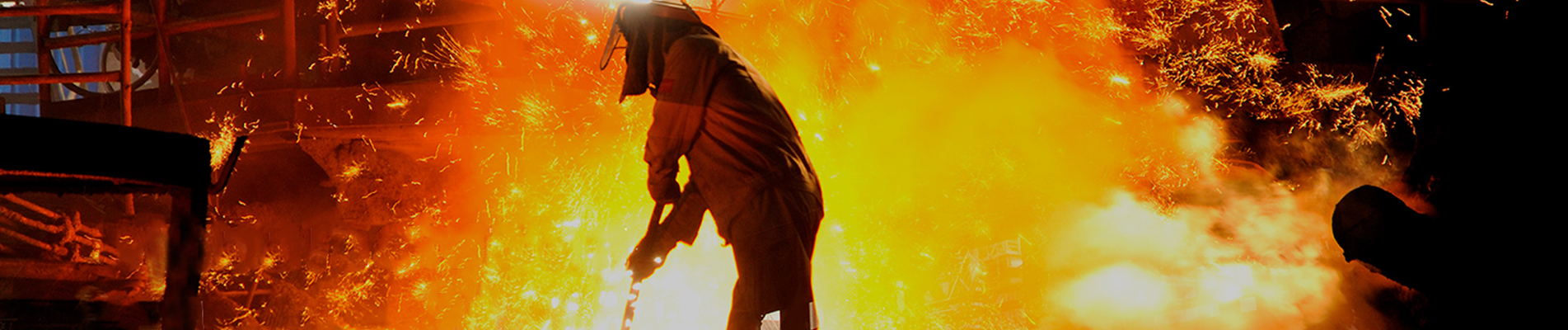
BSTFLEX manufactures high temperature fabrics and heat resistant industrial textiles for thermal insulation, welding protection, industrial heat shielding, removable insulation systems, expansion joints, exhaust protection and other severe heat applications.
Our high temperature fabric range includes fiberglass fabric, silica fabric, ceramic fiber cloth, basalt fiber fabric and a wide selection of coated and laminated technical textiles. Available surface treatments include silicone rubber, vermiculite, aluminum foil, aluminized film, graphite, PTFE and other functional coatings selected according to temperature, radiant heat, abrasion, chemical exposure and fabrication requirements.
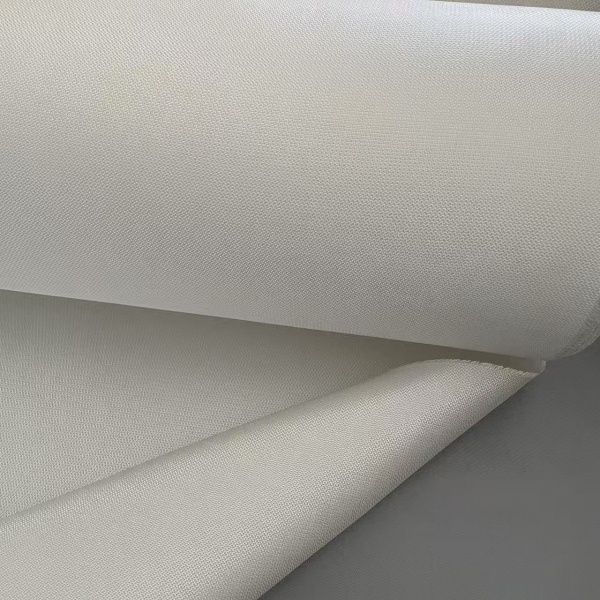
Selecting the correct heat resistant fabric starts with the base material. Different fibers provide different combinations of continuous operating temperature, flexibility, mechanical strength and fabrication performance.
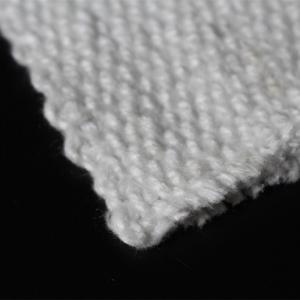
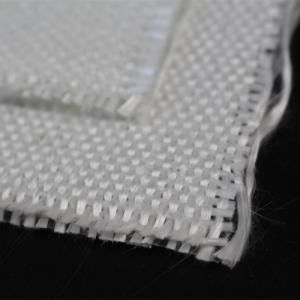
Fiberglass fabric is one of the most widely used industrial high temperature textiles. It provides a practical balance of heat resistance, flexibility, dimensional stability and cost for thermal insulation, welding protection, removable covers, gasketing and fabricated heat protection components.
For thicker and more insulating constructions, see our Texturized Fiberglass Fabric . For applications requiring additional mechanical reinforcement, BSTFLEX also supplies High Temperature Fiberglass Woven Fabric with Wire Insert .
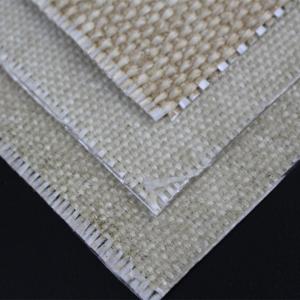
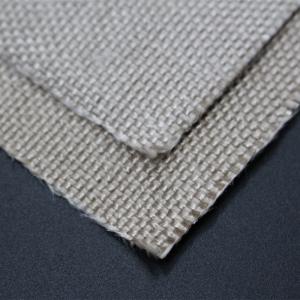
Silica fabric is selected when operating temperatures exceed the practical range of standard fiberglass. High silica cloth is commonly used for furnace insulation, exhaust thermal protection, welding blankets, fire barriers and other applications involving sustained extreme heat.
Our 96% High Temp Silica Fabric is manufactured from high-purity silica fibers and is designed for continuous high-temperature service. For applications where both extreme temperature resistance and radiant heat reflection are required, see Aluminum Coated High Silica Fabric .
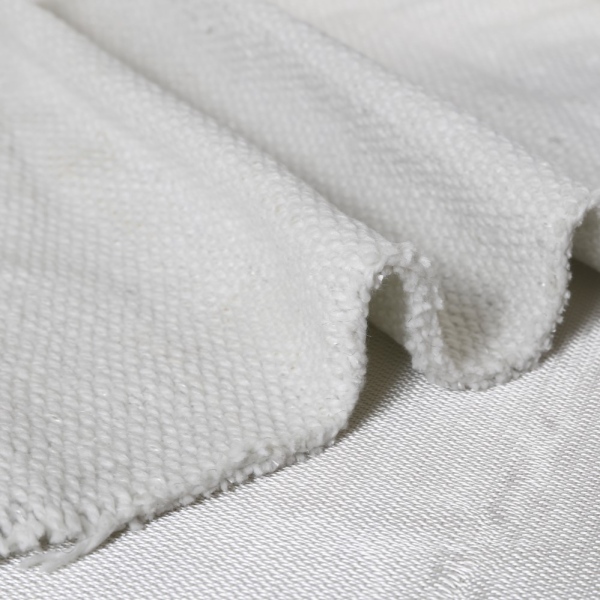
Ceramic fiber textiles are used in particularly severe thermal environments where very high temperature capability is required. They are suitable for furnace equipment, kiln systems, high-temperature seals, thermal barriers, expansion joints and industrial insulation assemblies.
BSTFLEX supplies High Temperature Ceramic Fiber Cloth with fiberglass filament or optional metallic reinforcement for demanding insulation and sealing applications.
Basalt fiber fabric is manufactured from continuous fibers derived from volcanic rock. It combines good thermal stability with mechanical strength, chemical resistance and dimensional stability.
Our High Temperature Basalt Fiber Fabric can be used in thermal protection systems, removable insulation, automotive heat management and composite reinforcement applications.
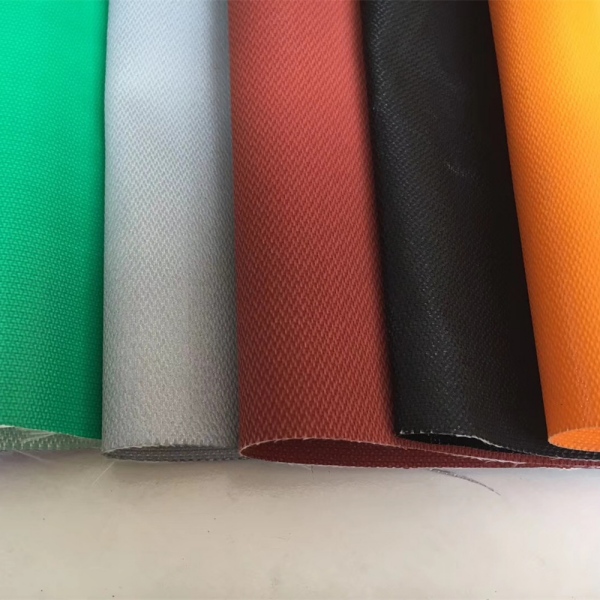
A coating or surface treatment can significantly change the performance of a high temperature fabric. BSTFLEX supplies coated fiberglass and silica fabrics for applications requiring improved radiant heat reflection, abrasion resistance, fluid resistance, weather resistance or direct flame protection.
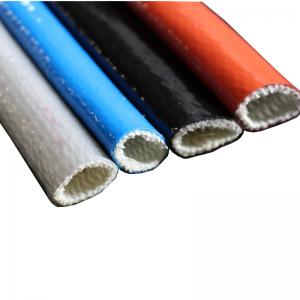
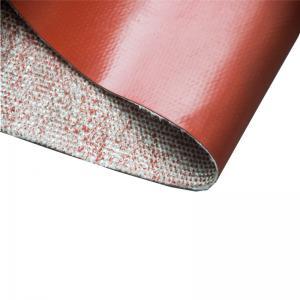
Silicone rubber coating adds improved resistance to weather, moisture, oil, flexing and surface abrasion while maintaining the flexibility of the fiberglass base cloth.
High Temperature Silicone Coated Fiberglass Fabric is commonly fabricated into removable insulation jackets, valve covers, protective curtains, flexible connectors and industrial thermal barriers.
Vermiculite coating forms a mineral surface treatment that improves the ability of fiberglass cloth to withstand severe heat, sparks, flame contact and abrasion.
Our Vermiculite Coated Fiberglass Fabric is used for welding blankets, furnace curtains, pipe insulation, expansion joints, removable insulation covers and industrial heat shield fabrication.
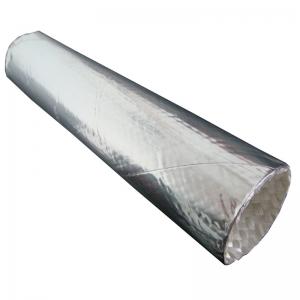
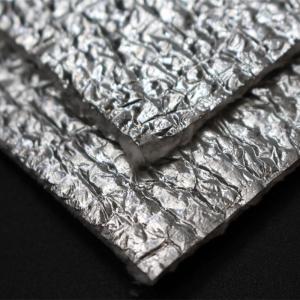
Aluminum foil and aluminized surfaces are primarily selected for radiant heat control. Instead of relying only on insulation thickness, the reflective surface helps reduce radiant heat transfer toward surrounding components or personnel.
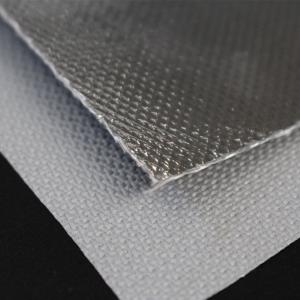
BSTFLEX supplies several heat reflective fabric constructions, including high silica and fiberglass-based materials. Our Silicone Coated Aluminized Fiberglass Fabric combines a reflective surface with a protective silicone treatment for demanding industrial thermal protection systems.
The correct material depends not only on maximum temperature but also on how heat reaches the fabric and what mechanical or environmental conditions are present.
| Application | Typical Fabric Types | Main Selection Factors |
|---|---|---|
| Welding and spark protection | Fiberglass, vermiculite fiberglass, silica | Flame exposure, sparks, molten splash, flexibility |
| Removable insulation jackets | Silicone fiberglass, PTFE fiberglass, silica | Surface temperature, oil, moisture, repeated removal |
| Radiant heat shields | Aluminized fiberglass, aluminum coated silica | Radiant heat intensity, air gap, surface exposure |
| Furnaces and kilns | Silica, ceramic fiber, vermiculite coated fabric | Continuous temperature, direct heat, thermal cycling |
| Exhaust systems | Silica, fiberglass, aluminized fabric | Exhaust temperature, radiant heat, vibration |
| Expansion joints | Silicone fiberglass, PTFE fiberglass, wire reinforced fiberglass | Movement, gas exposure, pressure, chemical resistance |
| Fire and thermal barriers | Silica, fiberglass, ceramic fiber | Flame exposure, insulation requirement, flexibility |
| Industrial gasketing and sealing | Fiberglass, ceramic fiber, wire reinforced fabric | Compression, temperature, mechanical strength |
Do not select a fabric only by the highest temperature quoted in a data sheet. Continuous operating temperature, short-term exposure temperature and the actual temperature at the fabric surface can be very different.
Direct flame, radiant heat, hot air, contact heat and molten splash require different material constructions. An aluminized fabric may perform well against radiant heat, while silica or ceramic fiber cloth may be more appropriate for sustained direct high-temperature exposure.
Oil, fuel, moisture, chemicals, weather, vibration and repeated flexing can influence coating and base-fabric selection. Silicone, PTFE, vermiculite and aluminum surface treatments each provide different functional advantages.
BSTFLEX can supply different fabric weights, thicknesses, weave styles, widths and surface treatments. Materials may also be converted into cut pieces, sewn blankets, removable insulation covers, thermal barriers and other custom-fabricated components.
BSTFLEX high temperature fabrics are used by manufacturers, insulation fabricators, automotive suppliers, exhaust system companies, welding safety suppliers, furnace manufacturers, power generation companies and industrial maintenance contractors.
Typical applications include:
For fabricated insulation systems, visit our Removable Insulation Blankets . For welding protection products, see Welding & Soldering Area Protection .
BSTFLEX supplies high temperature fabrics for OEM, industrial and custom fabrication requirements. Depending on the material and construction, available options can include custom width, thickness, weight, coating, lamination, roll length, cut shapes and fabricated assemblies.
For new projects, providing the following information helps us recommend an appropriate material:
High temperature fabric is an industrial textile designed to maintain useful thermal and mechanical performance when exposed to elevated temperatures. Common base materials include fiberglass, silica, ceramic fiber and basalt fiber.
Fiberglass fabric is widely used for general industrial heat protection and insulation, while high silica fabric is selected for substantially higher temperature applications. The correct choice depends on continuous operating temperature, exposure conditions and required mechanical properties.
For strong radiant heat exposure, fabrics with an aluminum foil or aluminized reflective surface are commonly used. Performance also depends on installation geometry, air gap, surface orientation and the temperature of the heat source.
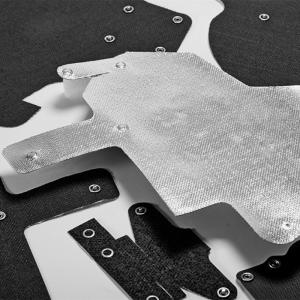
Fiberglass, vermiculite coated fiberglass and high silica fabrics are widely used for welding blankets and welding curtains. The appropriate material depends on spark intensity, molten splash, direct flame exposure and required temperature resistance.
Many fiberglass, silica and coated technical fabrics can be cut and sewn into blankets, curtains, covers, jackets and custom thermal protection components. Suitable high-temperature thread and fabrication methods should be selected according to the final operating conditions.
Yes. BSTFLEX supports industrial and OEM projects requiring different materials, coatings, widths, thicknesses, roll lengths and fabricated configurations. Drawings, samples or operating requirements can be used to develop a suitable specification.
Not sure whether your application requires fiberglass, silica, ceramic fiber, basalt, silicone coated, vermiculite coated or aluminized fabric?
Send BSTFLEX your operating temperature, application, dimensions, required quantity and any heat, flame, abrasion, fluid or chemical exposure conditions. Our team can recommend a suitable fabric construction and provide samples, technical information and quotation support for OEM and industrial projects.
Contact BSTFLEX for High Temperature Fabric Selection and RFQ

 français
 Deutsch
 русский
 italiano
 español
 português
 Nederlands
 العربية
 日本語
日本語 한국의
한국의 Türkçe
 Polski
 Tiếng Việt
 slovenský
 Indonesia