
order(moq):
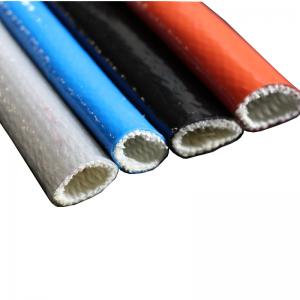
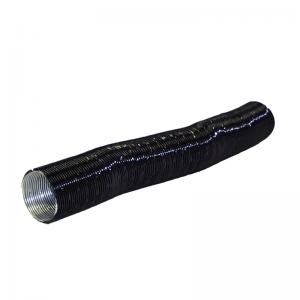
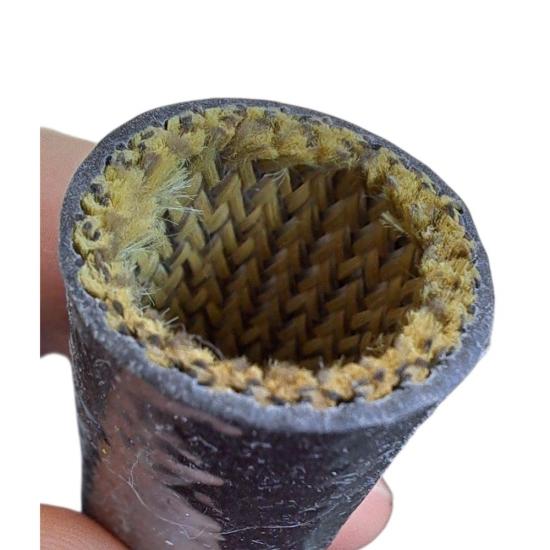
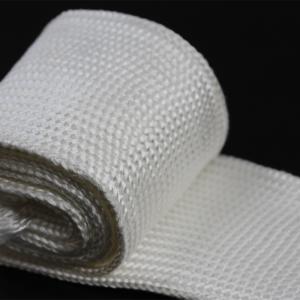
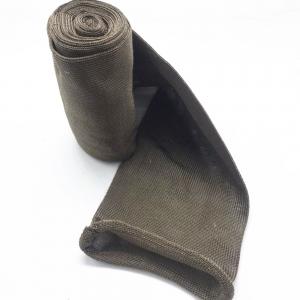
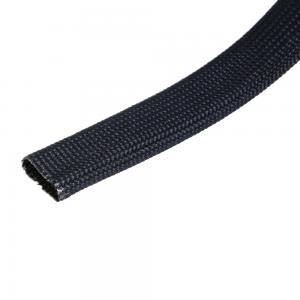
1Silicone Coated Aramid Sleeve combines a tubular aramid textile base with a silicone coated outer surface. It is used as an external protective layer around hoses, cable assemblies and wire harnesses where heat exposure and contact with surrounding equipment need to be considered together. The sleeve is selected as part of the finished assembly: the component underneath, the route, the end fittings and the temperature at the sleeve all affect the specification.
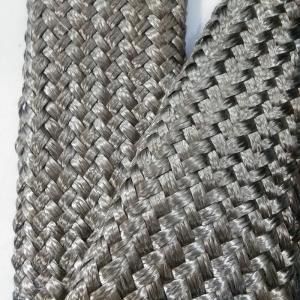
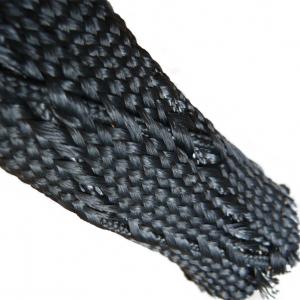
The aramid base provides a textile structure for mechanical protection, while the silicone layer creates a coated exterior. The performance of the finished sleeve depends on the actual yarn, textile construction, coating and size. Request the current technical data for the version being quoted when a project specifies a temperature limit, abrasion test, fluid exposure or electrical requirement.
Typical projects include wire harnesses routed near warm machinery, industrial cable runs with contact points at brackets, and hoses that need an additional exterior layer along part of their route. The sleeve may also be considered for equipment where vibration or servicing causes repeated handling of a protected line. Confirm the operating conditions with a sample on the real assembly, particularly at bends, clamps and sleeve ends.
This is a cover around a hose or cable; it does not increase the hose pressure rating or replace the cable's specified primary insulation. If the application calls for a certified flame, molten splash or dielectric performance, include the applicable test method in the inquiry and review the results for this exact sleeve construction.
Measure the maximum outside diameter of the finished hose or cable bundle, including any tape or outer cover that remains under the sleeve. Then measure the largest connector, crimp ferrule or other feature that the sleeve must pass over. If the sleeve is fitted before that feature is assembled, state the installation sequence; it may allow a closer fit along the protected section.
Also check the available space around the outside of the coated sleeve. Ask for the proposed finished inside diameter, tolerance and outside diameter, then compare them with bracket openings and the working bend radius. A short sample trial should show whether the sleeve can be installed without damaging the coating and whether it stays over the intended area during movement.
For thermal selection, report the temperature measured at the sleeve location, the normal exposure time and any short peak. State whether the sleeve touches a hot surface or sits at a distance from it. Nearby hose covers, cable jackets, clamps and terminations may have lower temperature limits than the protective sleeve, so evaluate the complete routed assembly.
If the exterior will contact oil, fuel, cleaning agents or other fluids, identify the fluid and the exposure pattern. If rubbing is the main concern, describe the mating surface and movement cycle. These details make it possible to choose a sample and agree on a meaningful inspection or test rather than relying on a general material claim.
Where a silicone exterior is not required and mechanical wear is the principal concern, see the braided aramid sleeve. Where the specification calls for a fiberglass base under a silicone coating, see silicone rubber coated fiberglass sleeving. Each has a different material construction and should be qualified with its own size and performance data.
Send a drawing or photos of the routed assembly with these details. Anhui Parker New Material Co., Ltd. can review the application, confirm the offered construction and dimensions, and arrange a sample or quotation for your project.
That depends on the fitting's largest outside dimension and the usable opening of the selected coated sleeve. Provide the fitting drawing and test a sample before specifying a production size.
No. This product uses an aramid textile base. A silicone coated fiberglass sleeve uses a fiberglass base and requires a separate review of its size, thermal and other performance data.
Do not assume a voltage rating from the presence of silicone coating. State the electrical requirement and request test data for the exact sleeve construction under consideration.
If you have questions or suggestions, please leave us a message,we will reply you as soon as we can!

 français
 Deutsch
 русский
 italiano
 español
 português
 Nederlands
 العربية
 日本語
 한국의
 Türkçe
 Polski
 Tiếng Việt
 slovenský
 Indonesia