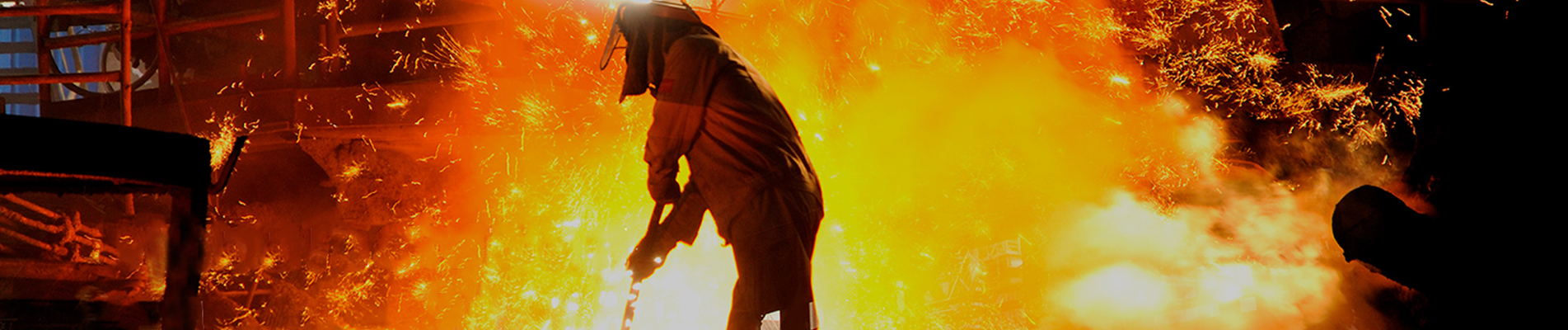
In modern industrial operations, energy efficiency and equipment reliability are key factors that influence productivity and cost control. Excessive heat loss not only wastes energy but also accelerates equipment wear, leading to higher maintenance expenses and safety risks. Ceramic fiber tape has become a preferred insulation solution that effectively addresses these challenges, offering outstanding heat resistance, long service life, and excellent energy-saving performance.
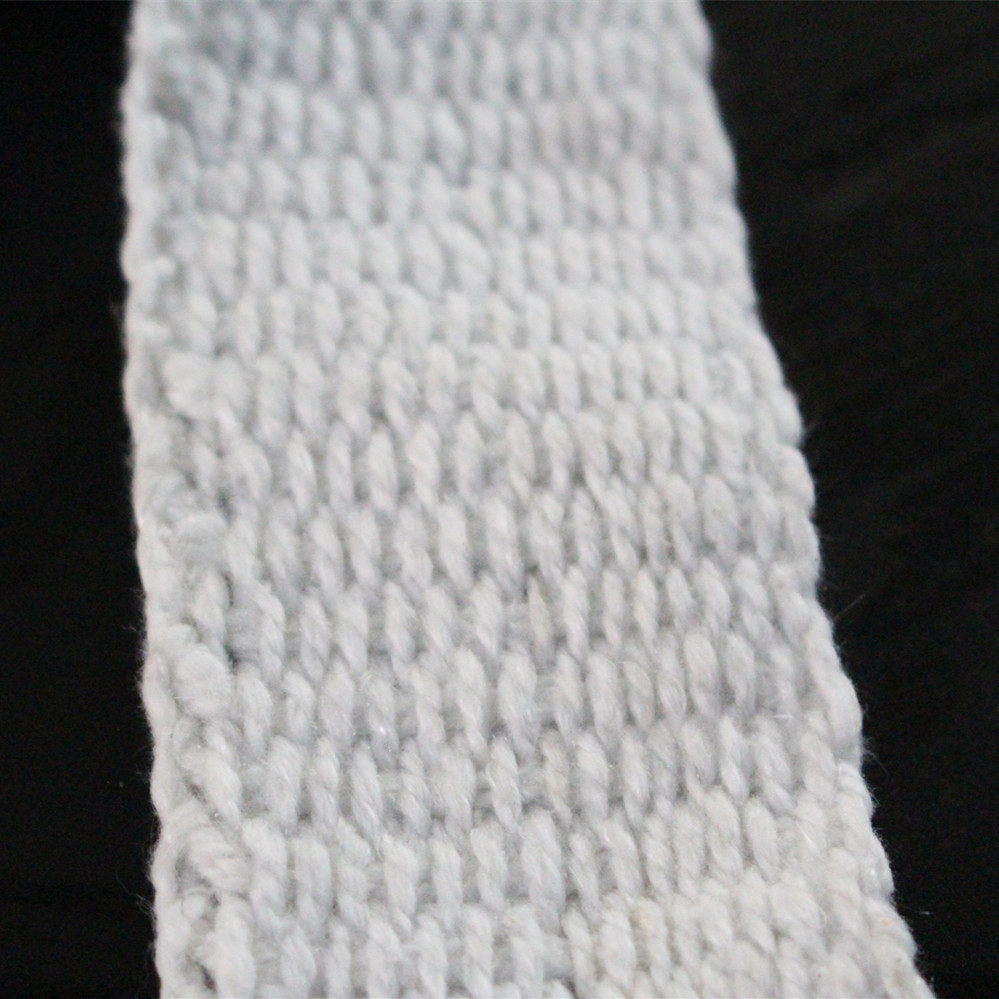
Ceramic fiber tape is a woven material made from alumina-silica ceramic fibers designed to resist continuous exposure to temperatures above 1000°C (1832°F). It provides both insulation and protection in environments where metal, rubber, and plastic components would fail due to heat.
Its thermal performance comes from its low thermal conductivity, which minimizes the transfer of heat from hot surfaces to cooler areas. By acting as a heat barrier, ceramic fiber tape helps stabilize operating temperatures, improve energy utilization, and protect surrounding components from thermal damage.
One of the most significant advantages of ceramic fiber tape is its contribution to energy efficiency. In systems where heat is constantly generated—such as furnaces, boilers, and exhaust lines—uncontrolled heat loss can lead to substantial energy waste. Ceramic fiber tape helps reduce this loss through several mechanisms:
Thermal Insulation: By reducing heat transfer, ceramic fiber tape keeps more energy inside the system, lowering the fuel or electricity required to maintain process temperatures.
Temperature Stability: Consistent internal temperatures lead to more predictable system performance and reduced energy spikes.
Faster Heat-Up and Cool-Down Cycles: Equipment insulated with ceramic fiber tape reaches operating temperature more efficiently, minimizing idle energy consumption.
These benefits translate directly into lower operating costs and improved energy ratings for production facilities.
Heat exposure is one of the most common causes of mechanical degradation in industrial environments. Ceramic fiber tape acts as a protective thermal shield, preventing components such as pipes, cables, valves, and exhaust parts from being damaged by continuous or radiant heat.
By maintaining a stable operating environment, ceramic fiber tape helps reduce metal fatigue, thermal cracking, and seal failures. This protection results in longer equipment life, fewer unplanned shutdowns, and reduced maintenance costs—a key advantage for factories pursuing lean and reliable operations.
Ceramic fiber tape is used in many systems where heat control directly impacts efficiency and safety, including:
Furnaces and Kilns: Insulating door seals, burner assemblies, and expansion joints to prevent heat escape.
Exhaust and Ducting Systems: Wrapping pipes and mufflers to reduce radiant heat and maintain airflow efficiency.
Boilers and Steam Lines: Providing a flexible insulation layer that minimizes heat loss from high-temperature pipelines.
Industrial Heaters and Ovens: Protecting structural components and electrical wiring from excessive heat exposure.
In each application, the tape not only prevents energy loss but also ensures a safer working environment by lowering surface temperatures.
For companies focused on sustainability, ceramic fiber tape offers measurable environmental and financial advantages:
Reduced Energy Consumption: Lower heat loss directly decreases fuel or power usage.
Lower Carbon Emissions: Improved efficiency contributes to cleaner and greener operations.
Minimal Maintenance Requirements: The tape’s durability reduces replacement frequency and waste.
Improved Workplace Safety: Lower external temperatures mean safer operating conditions for maintenance personnel.
Implementing ceramic fiber tape in thermal systems is a simple, low-cost improvement that yields long-term energy savings and environmental benefits.
Ceramic fiber tape is more than just a heat-resistant material—it is a strategic solution for improving energy efficiency, heat protection, and operational reliability in industrial settings. By reducing heat loss, extending equipment lifespan, and enhancing safety, it helps factories meet both performance and sustainability goals.
For facility managers and energy engineers aiming to optimize their systems, integrating ceramic fiber tape into insulation and sealing applications represents a smart, durable, and cost-effective step toward better energy management and long-term industrial performance.

 français
 Deutsch
 русский
 italiano
 español
 português
 Nederlands
 العربية
 日本語
日本語 한국의
한국의 Türkçe
 Polski
 Tiếng Việt
 slovenský
 Indonesia