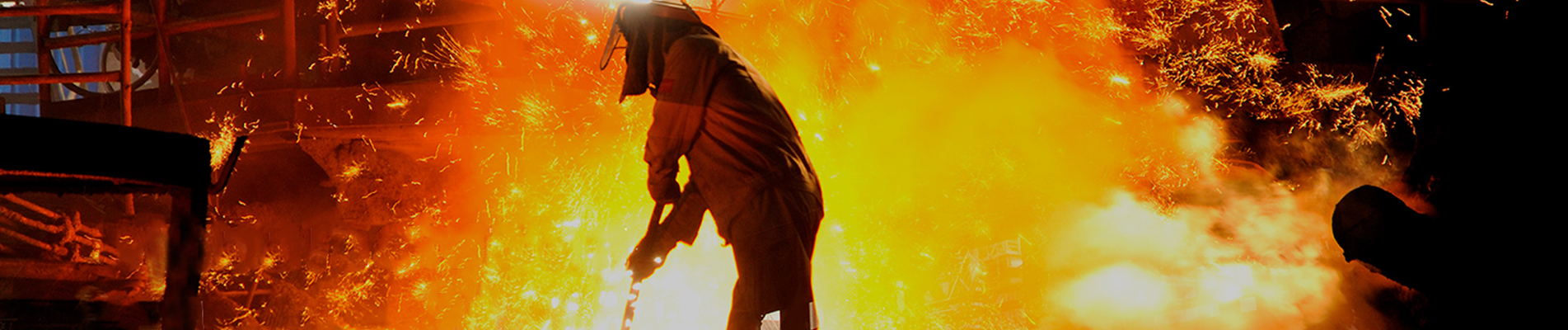
In industries where high-temperature pipes play a crucial role in operations, insulation is not just about preventing heat loss—it’s about optimizing energy use, enhancing safety, and reducing costly maintenance. Ceramic fiber tape has proven to be an invaluable solution for pipe insulation across various sectors, providing long-lasting thermal protection while cutting down energy costs and extending equipment life. This article explores real-world case studies that demonstrate how ceramic fiber tape has been successfully used to improve pipe insulation, prevent heat loss, and deliver substantial cost savings.
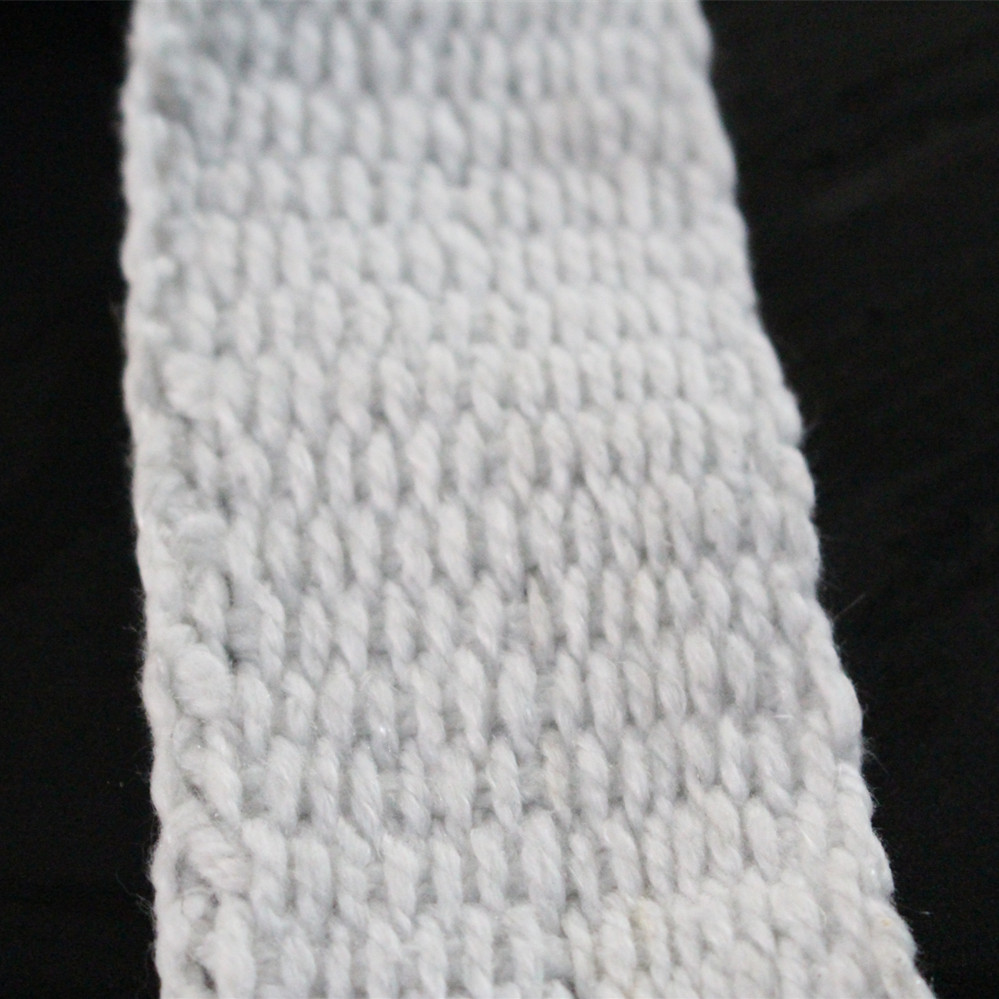
Ceramic fiber tape is a high-performance, woven material made from alumina and silica fibers, designed to withstand temperatures up to 1000°C (1832°F). This tape is widely used in industrial applications where high thermal insulation is required, including in piping systems, exhaust systems, and equipment seals. It provides superior heat resistance, is flexible for easy installation, and offers excellent corrosion resistance, making it the ideal choice for high-temperature environments.
Before diving into the case studies, it’s important to highlight why ceramic fiber tape is so effective for pipe insulation:
Prevents Heat Loss: Ceramic fiber tape’s low thermal conductivity ensures that pipes retain their heat, improving energy efficiency and reducing energy costs.
Improves System Efficiency: By insulating pipes, ceramic fiber tape ensures that fluids maintain their temperature longer, improving the efficiency of heating or cooling systems.
Enhances Safety: By reducing the external temperature of pipes, it minimizes the risk of burns or accidents, making work environments safer.
Durable and Long-Lasting: Ceramic fiber tape can withstand extreme conditions without breaking down, providing long-term insulation with minimal maintenance.
Now let’s explore some real-world examples where ceramic fiber tape made a significant impact in industrial systems.
A large power plant faced significant heat loss from its steam pipes, leading to inefficiencies in energy use and higher operational costs. The plant required a robust solution to prevent heat loss and ensure that its steam temperature remained consistent, particularly in colder weather, where heat loss was amplified.
The plant’s engineers chose to use ceramic fiber tape to wrap the steam pipes. The tape’s high-temperature resistance and superior insulation properties made it the ideal material for this application. It was easy to apply and conformed well to the pipes’ surfaces, creating a tight seal without requiring complex installation processes.
After applying the ceramic fiber tape, the power plant saw a noticeable reduction in heat loss from its steam pipes. This improvement led to more efficient energy usage and a reduction in fuel consumption. Over time, the plant also experienced a reduction in maintenance costs, as the insulation prevented the pipes from suffering heat-related damage.
In a chemical processing plant, a heat recovery system was used to recycle energy from hot exhaust gases. However, the pipes carrying hot fluids were losing a significant amount of heat, resulting in reduced system efficiency and wasted energy. The plant needed a solution that would improve the thermal performance of these pipes without interrupting production.
Ceramic fiber tape was selected for its corrosion resistance and ability to withstand the high temperatures involved in the process. The installation team wrapped the pipes carrying the hot fluids with the tape, ensuring a snug fit around every bend and joint. The tape’s chemical resistance also ensured that the system would not degrade due to the exposure to corrosive substances present in the exhaust gases.
The chemical plant reported a significant reduction in energy waste, as the ceramic fiber tape minimized the heat loss from the pipes. The enhanced thermal efficiency also improved the overall performance of the heat recovery system, contributing to lower operational costs and a more sustainable process. Additionally, the plant saw fewer maintenance issues, as the insulation protected the pipes from thermal shock and corrosion.
A food processing facility needed to keep its hot water pipes at a consistent temperature to ensure product safety and quality. The pipes were located in a high-traffic area, and exposed hot surfaces posed a potential risk for burns and accidents. The company needed a solution that would not only improve energy efficiency but also enhance workplace safety.
The facility’s engineers opted for ceramic fiber tape to insulate the hot water pipes. The tape was chosen for its high heat resistance and ability to fit around complex piping systems. Since the facility operates in a food-safe environment, ceramic fiber tape was selected for its non-toxic composition and ease of application.
After applying the ceramic fiber tape, the facility saw a reduction in energy usage as the hot water maintained its temperature for longer periods. The insulation also helped the plant comply with safety regulations by reducing external pipe temperatures, thus improving safety conditions for workers. The easy installation and minimal maintenance required for ceramic fiber tape also led to reduced downtime during regular maintenance periods.
These case studies illustrate how ceramic fiber tape has helped a wide range of industries improve thermal efficiency, reduce heat loss, and lower maintenance costs. By choosing ceramic fiber tape for pipe insulation, companies can not only optimize their energy usage but also enhance safety, extend equipment lifespan, and reduce their environmental impact.
Whether you’re managing a power plant, chemical processing facility, or food production line, ceramic fiber tape offers a cost-effective, long-lasting solution to your thermal insulation needs. If you’re looking to improve the efficiency of your industrial systems and reduce operating costs, ceramic fiber tape is an investment that delivers measurable results.

 français
 Deutsch
 русский
 italiano
 español
 português
 Nederlands
 العربية
 日本語
日本語 한국의
한국의 Türkçe
 Polski
 Tiếng Việt
 slovenský
 Indonesia